Pilates for Women: A Complete Guide to Strength, Flexibility, and Wellness
Let's be real. The fitness world is noisy. One day it's all about high-intensity interval training, the next it's some newfangled dance workout. It's easy to feel lost. But through all the noise, one practice has held its ground for over a century, quietly transforming lives, especially women's lives. I'm talking about Pilates. Not just the Instagram version with fancy socks on a reformer, but the real, deep, foundational work. This guide is for any woman who's ever wondered, "Is Pilates for me?" Spoiler alert: the answer is a resounding yes, but let's unpack why.
I remember my first Pilates mat class. I considered myself fairly active, but ten minutes in, muscles I didn't even know I had were shaking. The instructor kept saying "engage your powerhouse." I was just trying not to faceplant. But something clicked that day. It wasn't about burning calories fast; it was about moving with intention. That's the core of Pilates for women. It meets you where you are—whether you're a new mom, dealing with a desk-job back, a seasoned athlete, or just someone wanting to feel stronger in their own skin.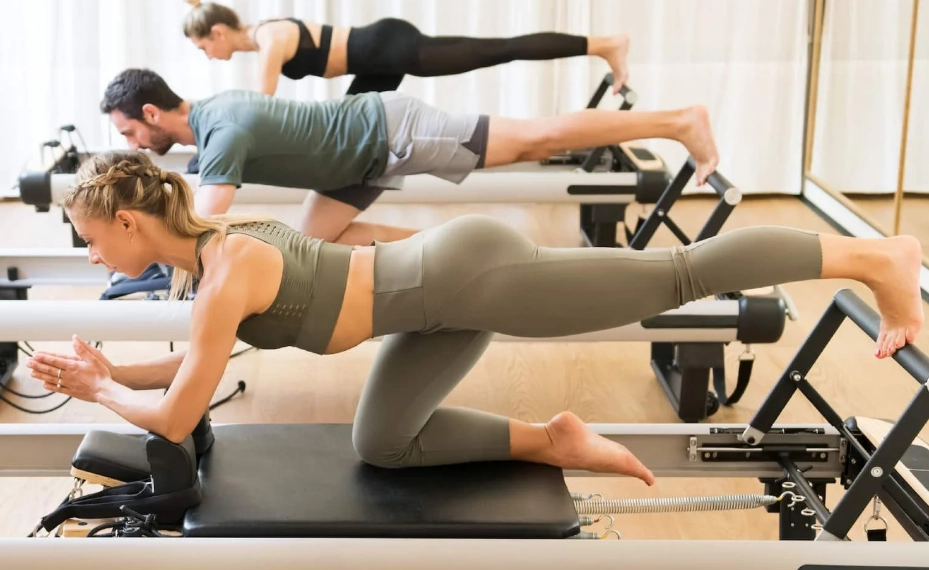
The Core Idea: Joseph Pilates, the founder, called his method "Contrology." It’s the complete coordination of body, mind, and spirit. For modern women juggling a million things, that idea of integrated wellness isn't just nice; it's essential. It's less about external appearance and more about internal function. How you feel when you get out of bed, how you carry your groceries, how you breathe when you're stressed.
Why Pilates and Women Are a Perfect Match
This isn't about gendering exercise. It's about recognizing that women's bodies have unique strengths, challenges, and life stages. The principles of Pilates align almost poetically with these. Let's break down the real, tangible benefits of Pilates for women that go way beyond a "toned core."
Building Strength from the Inside Out
Forget bulking up. Pilates builds lean, functional strength. It targets the deep stabilizing muscles—the ones that act like a natural corset for your spine. The American Council on Exercise (ACE) has published studies highlighting Pilates' effectiveness in improving core muscular endurance. This is huge for women. A strong core isn't for show; it's the foundation for everything. It supports your lower back (a common trouble spot), improves your balance, and makes daily movements easier and safer.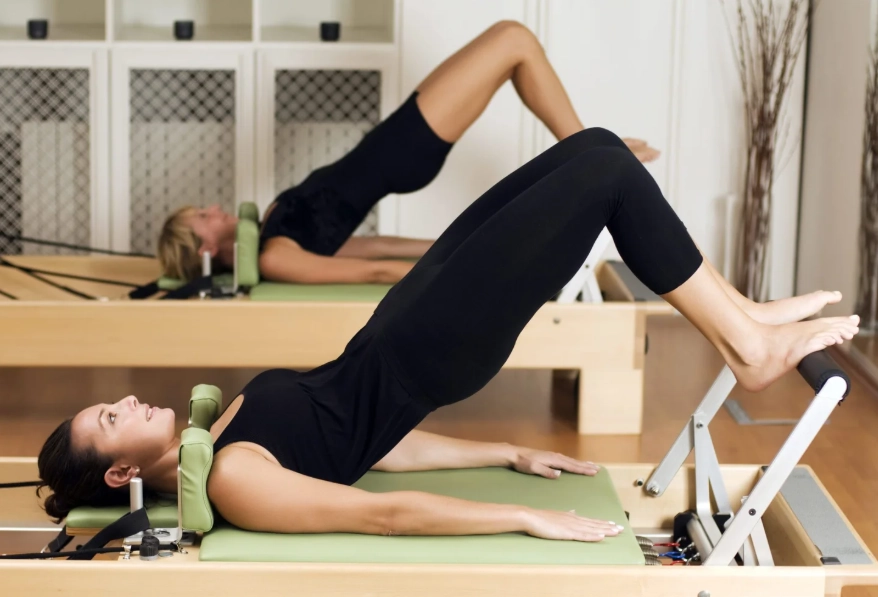
I've spoken to women who told me Pilates was the only thing that helped their chronic lower back pain after years of discomfort. That's not a small thing. That's life-changing.
The Posture Revolution
Look around. How many people are hunched over phones and laptops? Poor posture is a modern epidemic, and it leads to neck pain, headaches, and compressed organs. Pilates is essentially a re-education in how to hold yourself. It emphasizes spinal alignment and decompression. You learn to carry yourself with a sense of ease and length, not military rigidity.
Flexibility and Joint Health
Pilates promotes dynamic flexibility—the kind that works within your strength. You're not just stretching passively; you're actively moving muscles through their full range of motion. This is crucial for joint health as we age. The controlled, low-impact nature of Pilates makes it incredibly joint-friendly, a significant consideration for women concerned about osteoporosis or arthritis risk. The National Institute of Arthritis and Musculoskeletal and Skin Diseases (NIAMS) recognizes the importance of weight-bearing and muscle-strengthening exercises for bone health, and Pilates fits this bill beautifully when done with proper resistance.
The Mind-Body Connection (It's Not Fluffy)
This is where Pilates often surprises people. The intense focus on breath and precise movement forces you to be present. You can't effectively do a Hundred while worrying about your inbox. This mindful movement is a powerful stress-relief tool. It’s a moving meditation that can lower cortisol levels and create mental clarity. In a world that constantly demands our mental energy, a Pilates session becomes a sanctuary where you connect back to your physical self.
Is it a cure-all for anxiety? No. But it's a profoundly effective tool in the toolkit.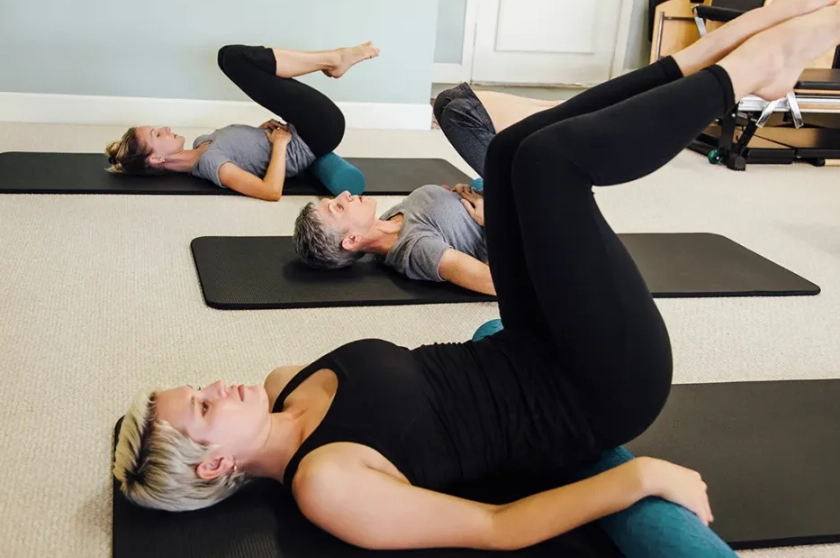
Your Roadmap to Starting Pilates
Okay, you're interested. But the options can be confusing. Mat or Reformer? Group class or private? Here’s a no-nonsense breakdown to help you navigate.
Mat Pilates vs. Equipment Pilates: What's the Difference?
This is the first big fork in the road.
Mat Pilates: This is the original, using just your body weight and small props (like magic circles, resistance bands, or small balls). Don't be fooled by its simplicity—it's challenging and incredibly effective for learning the fundamentals. It's also the most accessible and affordable way to start. You can literally do it in your living room with a good online instructor.
Equipment Pilates: This involves specialized apparatus like the Reformer, Cadillac, and Wunda Chair. These machines use springs to provide both assistance and resistance. They're fantastic for supporting proper form, allowing for a greater variety of movements, and are often gentler on joints for beginners because the springs can help you. They're typically more expensive as you need access to the equipment, usually at a studio.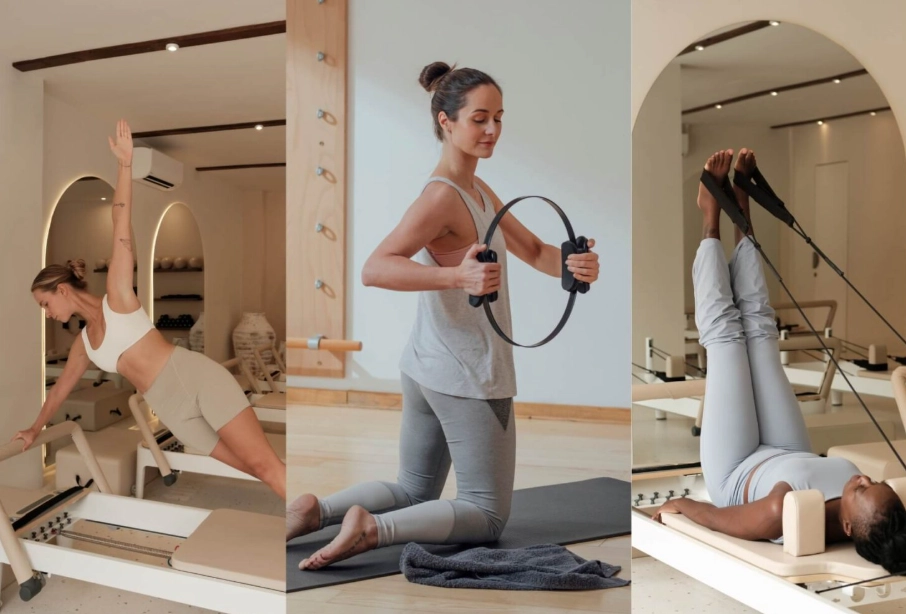
Finding the Right Class and Instructor
Not all Pilates is created equal. The quality of instruction makes all the difference.
- Look for Certification: A reputable instructor should be certified by a major Pilates organization (like the National Academy of Sports Medicine (NASM) with a Pilates specialization, Balanced Body, STOTT, or Polestar). This ensures they have substantive training in anatomy and the method.
- Communicate Your Needs: Before your first class, tell the instructor about any injuries, pregnancies, or specific concerns. A good teacher will offer modifications. If they don't, find another one.
- Class Level: Always start with a Beginner or Fundamentals class. Jumping into an Advanced class is a recipe for frustration and potential injury.
What to Wear and Bring
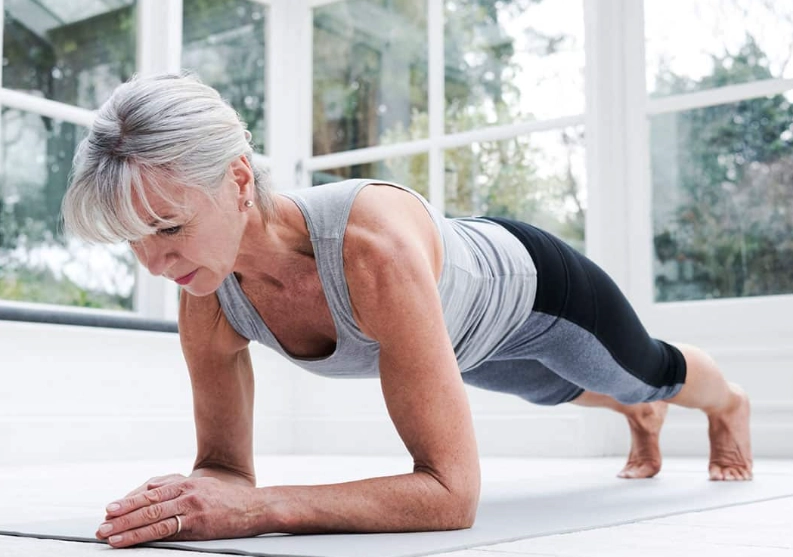
Keep it simple. Form-fitting clothes (leggings and a tank top) so the instructor can see your alignment. Grip socks are highly recommended, especially for equipment work—they keep you stable and are more hygienic than bare feet. Bring water and a small towel. That's it.
Leave your ego at the door. Focus on precision, not repetition count.
Pilates Through Different Stages of a Woman's Life
One of the most powerful aspects of Pilates for women is its adaptability. It can be tailored to support you through various life chapters.
| Life Stage | Key Pilates Benefits & Focus | Important Considerations |
|---|---|---|
| Pre & Postnatal | Strengthens pelvic floor & deep core, manages back pain, aids postnatal recovery. Maintains fitness safely. | CRUCIAL to work with a certified prenatal/postnatal instructor. Avoid supine positions later in pregnancy. Focus on connection, not intensity. |
| Menopause & Beyond | Combats bone density loss (osteoporosis risk), supports joint health, improves balance to prevent falls, manages stress. | Emphasis on weight-bearing exercises (standing Pilates, spring resistance). Prioritize stability and functional movement. Listen closely to your body. |
| Managing Desk Job & Stress | Counters sitting posture, opens chest/shoulders, relieves neck/tension headaches, provides mindful movement break. | Incorporate "posture breaks" with simple mat exercises at home. Focus on exercises that extend the spine (like Swan). |
| Complementing Other Sports | Prevents injury by correcting imbalances, improves core power for running/cycling, enhances flexibility for yoga/dance. | Use Pilates as cross-training. Communicate your main sport to your instructor so they can target complementary areas. |
I've seen women in their 70s on the Reformer, moving with more grace and control than I had in my 20s. That's the promise of this practice—sustainable movement for life.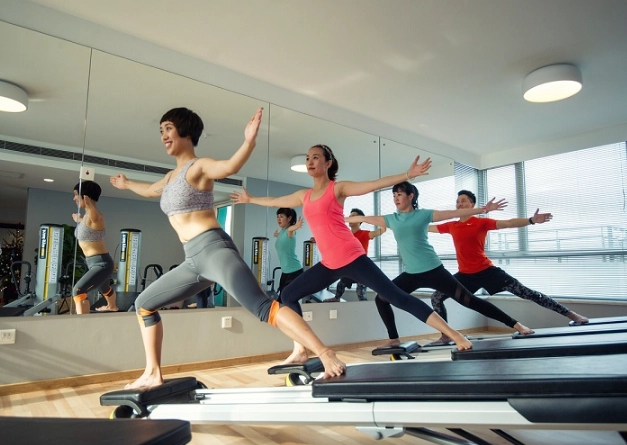
Debunking Common Myths About Pilates for Women
Let's clear the air on some persistent misconceptions.
Myth 1: "Pilates is just for getting a flat stomach."
Reality: While core strength is central, that's just the entry point. The benefits radiate out to your entire body—better posture, stronger back, more mobile shoulders, stable hips, and improved mind-body awareness. It's holistic.
Myth 2: "It's not a real workout; you won't sweat or build strength."
Reality: Tell that to anyone who's held a Teaser for 30 seconds. Pilates builds functional strength and muscular endurance. You may not sweat buckets like in spin class, but you'll engage muscles to fatigue in a profound way. The focus is on quality, not quantity.
Myth 3: "It's too easy/slow for me."
Reality: This usually comes from people who haven't tried it with a skilled instructor. The slower pace is where the magic happens—it requires immense control. When you master the basics, there are incredibly advanced, challenging progressions. It's a lifelong practice with endless depth.
Look, Pilates isn't the best choice if your only goal is to max out your bench press or train for a marathon. It has its lane. But for overall functional fitness, injury prevention, and sustainable wellness, it's arguably one of the best systems out there.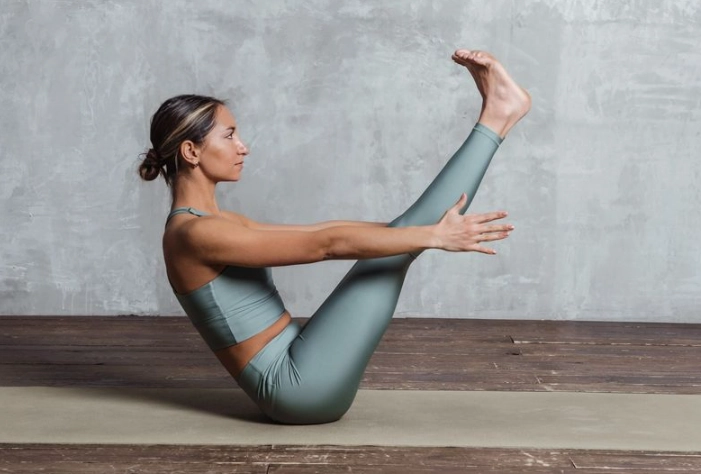
Answering Your Burning Questions
Here are answers to the questions I get asked most often, the ones you're probably typing into Google.
How often should I do Pilates to see results?
Consistency beats intensity. For tangible changes in strength, posture, and body awareness, aim for 2-3 times per week. Even once a week is better than nothing and will yield benefits. Your body learns the movement patterns, so regularity is key.
Can Pilates help with weight loss?
It's not primarily a cardio blast, so it's not the most efficient calorie-torcher. However, by building lean muscle mass, it boosts your metabolism. More importantly, it changes your relationship with your body, often leading to healthier choices overall. For weight loss, pair it with good nutrition and some cardiovascular activity. Think of Pilates as the foundation that makes all other movement better and safer.
I have a bad back/knee/shoulder. Can I still do Pilates?
In many cases, yes—and it might be exactly what you need. This is non-negotiable: you must inform your instructor of any injury or chronic issue beforehand. A good instructor will provide specific modifications and avoid aggravating movements. Pilates is used extensively in physical therapy for rehabilitation. Resources like the Mayo Clinic often recommend Pilates-based exercises for back pain management, but always get your doctor's clearance first.
Do I need to be flexible to start?
No! That's like saying you need to be strong to start lifting weights. Pilates will improve your flexibility over time. The movements meet you at your current range of motion.
Is it okay to do Pilates every day?
Active rest days are important. Your muscles need time to recover and rebuild. Doing a gentle, mindful session focused on breathing and very light movement could be fine daily, but intense sessions should have rest days in between. Listen to your body.
Building a Sustainable Practice: Beyond the Studio
The true power of Pilates shines when it influences how you move outside the studio. Here’s how to make it stick.
- Practice Mindfulness in Daily Life: Notice your posture when you're waiting in line. Engage your core lightly when you lift a laundry basket. Breathe deeply into your ribs when you're stuck in traffic. This is where the practice integrates.
- Create a Home Corner: You don't need a Reformer. A good-quality thick mat, a resistance band, and a few online subscriptions (like Pilates Anytime or a instructor you love on YouTube) can sustain a powerful home practice.
- Be Patient and Kind to Yourself: Some days your balance will be off. Some moves will feel impossible. That's normal. Progress is not linear. Celebrate the small wins—the first time you nail a Roll-Up smoothly, the day you realize you're not holding your breath.
So, is Pilates worth your time and energy? From my experience, and from the countless stories I've heard, absolutely. It’s not a quick fix. It’s a long-term investment in your physical literacy and well-being. It gives you tools to inhabit your body with more strength, grace, and resilience through all of life's chapters. That, to me, is the ultimate benefit of Pilates for women.
The first step is the hardest. Find a class. Show up. Breathe. And see how it feels from the inside out.
POST A COMMENT