Osteoporosis Prevention: Your Complete Guide to Stronger Bones
Let's talk about bones. We don't think about them much, do we? They're just there, holding us up, letting us move. Until one day, they don't. That's the scary thing about osteoporosis – it's a silent thief. It sneaks up, stealing bone density bit by bit, often without a single symptom until a minor fall leads to a major fracture. I've seen it happen to a family friend. A simple trip on the rug, a broken hip, and life changed completely. It was a wake-up call.
The good news? For most of us, osteoporosis isn't a foregone conclusion. It's largely preventable. But osteoporosis prevention is a marathon, not a sprint. It's about the daily choices we make, starting much earlier than you might think.
This isn't about fear-mongering. It's about empowerment. Building strong bones is one of the best long-term investments you can make in your health. So, let's break it down (no pun intended) and look at what really works.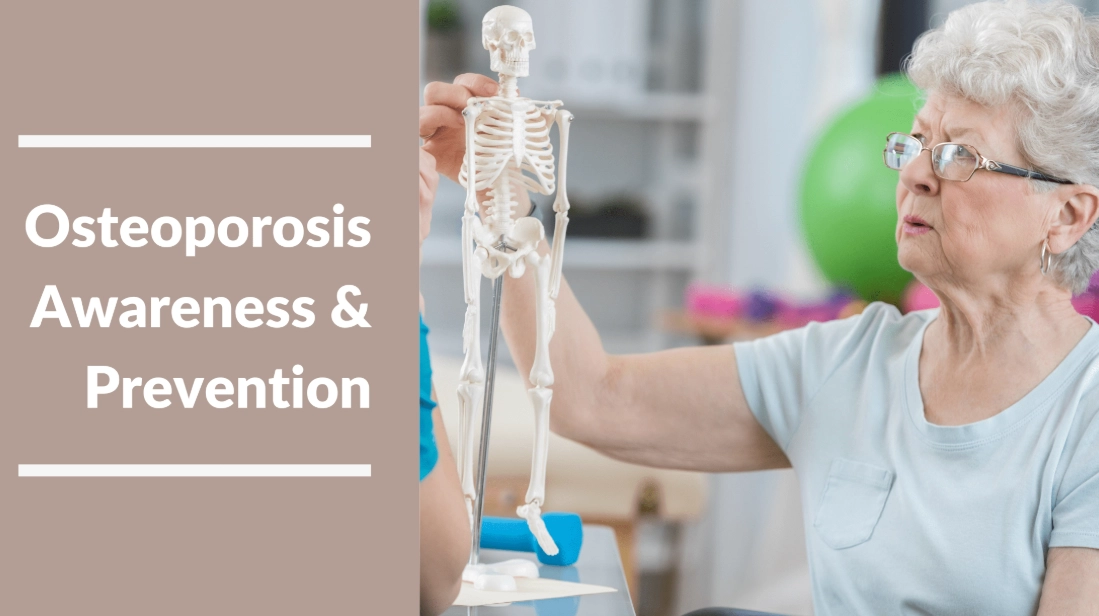
Key Takeaway: Your skeleton is a living bank. You make "bone deposits" through your youth and early adulthood. After about age 30, you start making more withdrawals than deposits. The goal of prevention is to build the biggest possible bone bank account early and slow the withdrawals later.
The Foundation: Nutrition for Unbreakable Bones
You are what you eat, and your bones are no exception. When people hear "bone health," they think calcium. And they're right, but it's only part of the picture. It's like building a house – calcium are the bricks, but you need the mortar and the construction crew too.
Calcium: The Building Block (But Don't Just Swallow a Pill)
Adults generally need about 1,000 mg of calcium daily, jumping to 1,200 mg for women over 50 and men over 70. Food first, always. Your body absorbs calcium from food much better than from most supplements.
Here’s the thing about calcium supplements – they can be controversial. Some studies link high-dose calcium supplements (without vitamin D) to other health concerns. It's messy. My personal stance? Get it from your plate if you can. It's safer and comes with a package of other nutrients.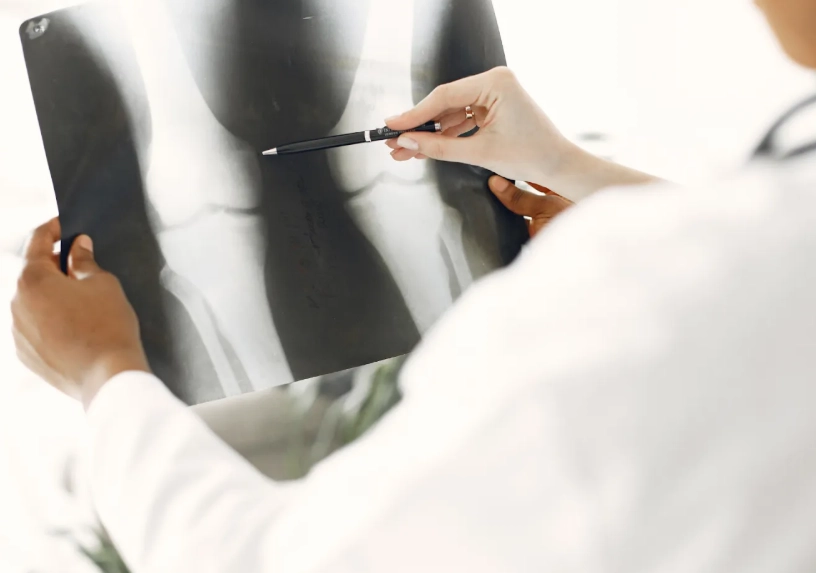
Where to find it? Let's look beyond the milk carton.
| Food Source | Approximate Calcium (mg) | Notes & Tips |
|---|---|---|
| Plain Yogurt (1 cup) | ~450 | A powerhouse. Greek yogurt has less calcium, check labels. |
| Sardines with bones (3 oz canned) | ~325 | Yes, eat the soft bones! Great on toast. |
| Fortified Plant Milk (1 cup) | ~300-450 | Almond, soy, oat. Must say "fortified." |
| Cooked Kale (1 cup) | ~180 | Dark leafy greens are underrated sources. |
| Tofu, set with calcium (1/2 cup) | ~250-800 | Massive range! Check the label for calcium sulfate. |
| Figs (dried, 1/2 cup) | ~120 | A sweet, chewy snack that packs a punch. |
See? There's variety. If you hate dairy, you have options. The trick is consistency.
Vitamin D: The Essential Keymaster
This is where many plans fail. You can eat all the calcium in the world, but without sufficient Vitamin D, your gut can't absorb it properly. It's the key that unlocks the door. Most adults need 600-800 IU daily, with older adults often needing more (800-1000 IU).
Sunshine is the best source, but it's tricky. Factors like skin tone, latitude, season, and sunscreen use all affect production. I live up north, and from October to April, the sun's angle means I produce virtually none. Many people are deficient without knowing it.
Food sources are limited: fatty fish (saloon, mackerel), egg yolks, fortified foods. For reliable osteoporosis prevention, a supplement is often the most practical solution. A simple blood test from your doctor can tell you if you're deficient. The National Institutes of Health Office of Dietary Supplements has a great, unbiased fact sheet on Vitamin D that's worth a look.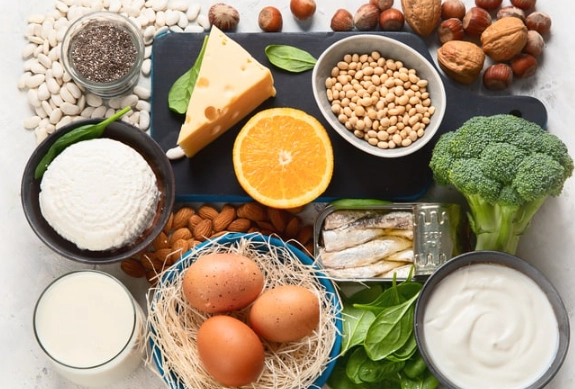
Don't Overdo It: Vitamin D is fat-soluble, meaning excess gets stored, not peed out. Megadoses can be toxic. Stick to the recommended amounts unless your doctor advises otherwise.
The Supporting Cast: Magnesium, Vitamin K, and Protein
Bone health isn't a one- or two-nutrient show.
- Magnesium: Helps convert Vitamin D into its active form. Find it in nuts, seeds, legumes, and whole grains.
- Vitamin K2: Directs calcium into bones and away from arteries. Natto (fermented soy) is the king, but most people get it from cheese and egg yolks.
- Protein: Makes up about 50% of bone volume. The old myth that protein leaches calcium is largely debunked. Adequate protein is crucial, especially as we age. Think lean meats, fish, beans, lentils.
So, a bone-healthy diet is really just a generally healthy, whole-foods diet. Fancy that.
Move It or Lose It: Exercise is Non-Negotiable
Bone is living tissue. It responds to stress by getting stronger. No stress? It figures you don't need it and lets it waste away. This is why astronauts lose bone density in space – no gravity. For preventing osteoporosis, not all exercise is created equal.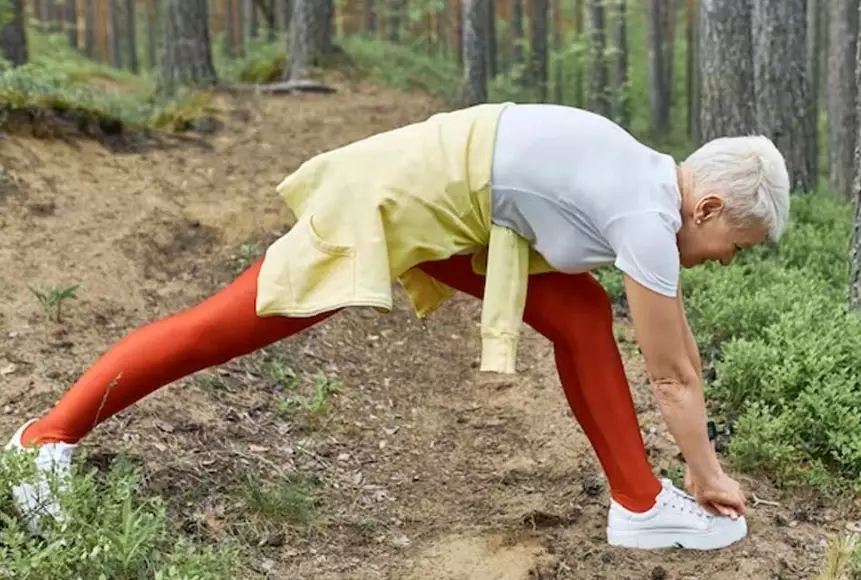
Weight-Bearing Exercise: The Gold Standard
These are activities where you work against gravity while staying upright. They force your legs, hips, and spine to support your weight.
- High-Impact (Best for younger, healthy bones): Running, jogging, hiking, dancing, tennis, jumping rope. The impact sends a strong "build bone!" signal.
- Low-Impact (Safer for older adults or beginners): Fast walking, using elliptical machines, low-impact aerobics. Still excellent, just a gentler signal.
Swimming and cycling, while fantastic for cardio, are not weight-bearing. They don't do much for bone density. You need to add other activities.
Strength Training: Your Secret Weapon
This is arguably the most powerful tool for osteoporosis prevention, especially post-menopause. Lifting weights, using resistance bands, or doing bodyweight exercises (squats, lunges, push-ups) places a direct, targeted load on specific bones. It tells your body, "Hey, we need this arm bone to be strong to lift this weight."
You don't need to be a bodybuilder. Two sessions a week, focusing on major muscle groups, can make a world of difference. It also builds muscle, which improves balance and prevents falls – a double win.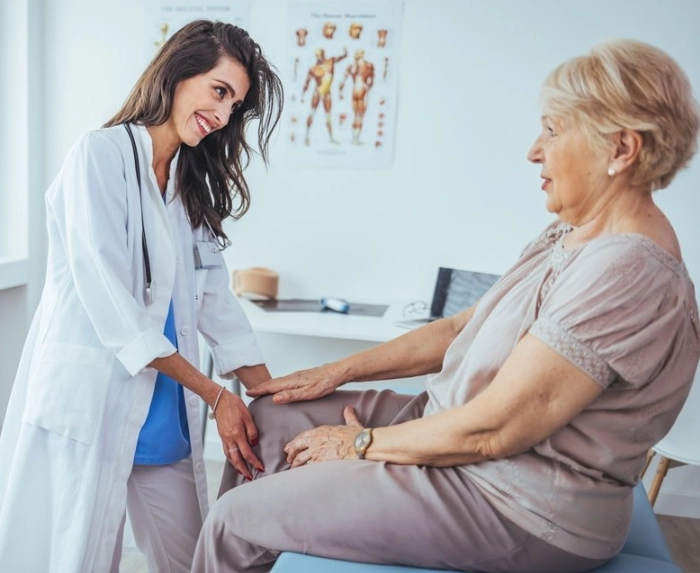
"The best exercise for your bones is the one you will actually do consistently." Start with what feels manageable, even if it's just 10 minutes. Consistency beats intensity every time.
The Lifestyle Factor: What's Sabotaging Your Bones?
You can eat perfectly and exercise, but some habits can undo all that good work.
The Big Two: Smoking and Excessive Alcohol
Smoking is terrible for bones. It disrupts hormone function (like estrogen), reduces blood supply to bones, and directly damages bone-forming cells. There's no way to sugarcoat it – quitting is a massive step for bone health.
Alcohol? More than one drink a day for women or two for men interferes with calcium balance and bone formation. It also increases fall risk. Moderation is key.
The Sneaky One: Salt and Caffeine
High sodium intake can cause your body to excrete more calcium in urine. That doesn't mean you need to ban salt, but be mindful of processed foods, which are the main culprits.
Caffeine in moderate amounts (like a few cups of coffee) is probably fine for most people. But guzzling giant energy drinks might leach a small amount of calcium. If you get enough calcium daily, this effect is largely neutralized. Don't panic about your morning coffee.
Knowing Your Risk: It's Not Just About Women
Yes, women are at higher risk, especially after menopause due to the drop in estrogen. But men get osteoporosis too – about 1 in 4 men over 50 will have an osteoporosis-related fracture. It's often under-diagnosed in men.
Non-Modifiable Risks (You can't change these):
- Being female.
- Getting older.
- Family history (especially a parent who broke a hip).
- Having a small, thin frame.
- Certain ethnicities (Caucasian and Asian descent have higher risk).
Modifiable Risks (You can influence these):
- Low sex hormones (e.g., early menopause, low testosterone).
- Certain medications (long-term steroid use like prednisone is a major one).
- Low calcium/vitamin D intake.
- Inactive lifestyle.
- Smoking and heavy drinking.
- Low body weight or eating disorders.
If you have several risk factors, talk to your doctor. They might recommend a Bone Mineral Density (BMD) test, a simple, painless scan that measures the density of your hip and spine. It's the gold standard for diagnosis. The Bone Health and Osteoporosis Foundation (BHOF) provides excellent, patient-friendly resources on understanding BMD tests.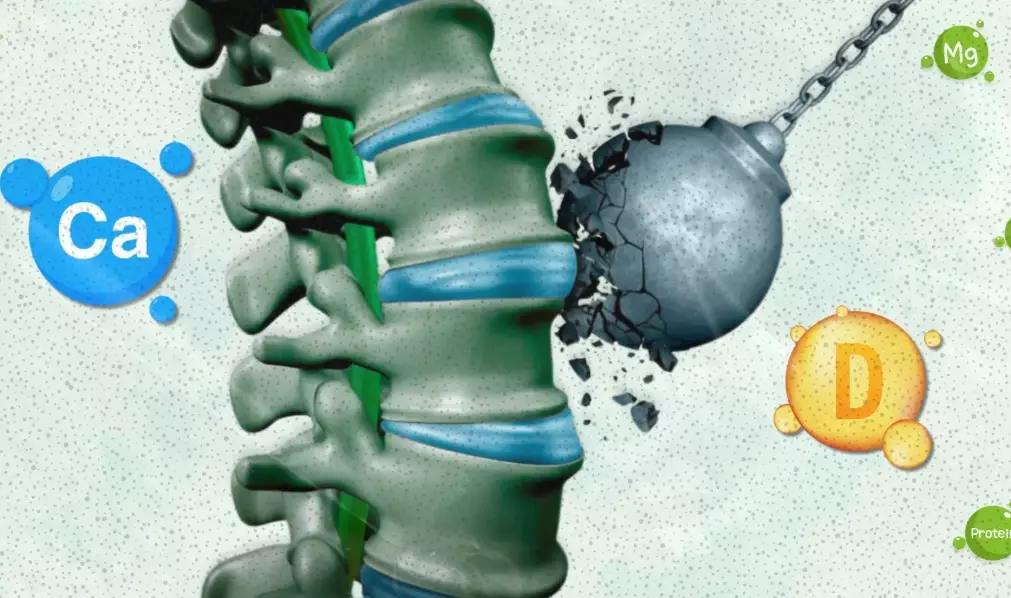
Putting It All Together: A Lifelong Strategy
osteoporosis prevention looks different at every age.
In Your 20s & 30s (The Building Phase): This is your prime time to build peak bone mass. Focus on calcium-rich foods, weight-bearing and high-impact exercise, and strength training. Think of it as making maximum deposits into your bone bank.
In Your 40s & 50s (The Maintenance Phase): Bone loss begins slowly. Maintain your exercise routine, especially strength training. Ensure your diet is on point. Women should discuss menopause and bone health with their doctor.
60 and Beyond (The Preservation & Protection Phase): The focus shifts to preserving what you have and preventing falls. Continue strength and balance exercises (like Tai Chi – fantastic for this). Ensure your home is fall-proof (rugs secured, good lighting). Get your vision checked. Review medications with your doctor that might cause dizziness.
It's never too late to start. Even in later years, exercise and nutrition can slow bone loss and reduce fracture risk.
Answering Your Bone Health Questions
Let's tackle some common, real-world questions I get asked all the time.
I'm in my 20s. Do I really need to worry about osteoporosis now?
Absolutely yes. Now is the most critical time. The bone mass you build in your youth is the foundation for the rest of your life. Think of it as retirement savings for your skeleton. Starting good habits now pays massive dividends later.
Is taking a calcium supplement enough for osteoporosis prevention?
No, it's a classic mistake. A supplement alone, without Vitamin D for absorption, without weight-bearing exercise to tell your body where to put the calcium, and while maintaining other poor lifestyle habits, is like trying to build a house with only a pile of bricks and no workers or blueprint. It's an incomplete strategy.
My mom has osteoporosis. Does that mean I'm doomed?
Not at all. Family history is a risk factor, not a destiny. It means you need to be more proactive and vigilant. Knowing your risk is power. It means you have a compelling reason to nail the nutrition, exercise, and lifestyle factors we've discussed. You can significantly influence your outcome.
What's the single most important thing I can do today?
If you do nothing else, go for a brisk 30-minute walk. It's weight-bearing, it's accessible, and it starts sending the right signals to your bones. Then, maybe swap your afternoon snack for a yogurt or a handful of almonds. Small, consistent actions are what make the difference.
Look, the information on preventing osteoporosis can feel overwhelming. But you don't have to do everything perfectly, all at once. Start with one thing. Maybe it's adding a strength training session next week. Maybe it's checking if your plant milk is fortified. The goal is progress, not perfection.
Your bones are the framework of your life. Investing in them is an act of self-care that pays off for decades. It's about staying active, independent, and fracture-free for as long as possible. That's a goal worth working for.
So, what's your first step going to be?
POST A COMMENT