Iron Deficiency in Women: Signs, Solutions, and Long-Term Health
Quick Guide
Let's talk about iron. It's one of those things you probably don't think about until something feels off. You know the feeling – that dragging fatigue that coffee just won't touch, the brain fog that makes you forget why you walked into a room, the paleness that has people asking if you're feeling okay. For so many women, this isn't just a bad week; it's a constant background hum to their lives. And the culprit is often a simple, correctable issue: iron deficiency.
What gets me is how many women just accept this as normal. Busy life, right? Must be stress. But when your body is literally struggling to make enough healthy red blood cells to carry oxygen around, it's not something to shrug off. Iron deficiency in women is staggeringly common, but it's also widely misunderstood. It's not just about eating more spinach (though that helps). It's a whole-system thing tied to our biology, our diets, and our life stages.
I remember a friend of mine, a super-active mom, who spent months thinking she was just "burned out." She was short of breath climbing stairs, her hair was thinning, and she was cold all the time. She finally got checked, and her ferritin (that's your iron stores) was in the basement. A few months of proper attention later, and she said it felt like someone had turned the lights back on. That's the power of understanding this.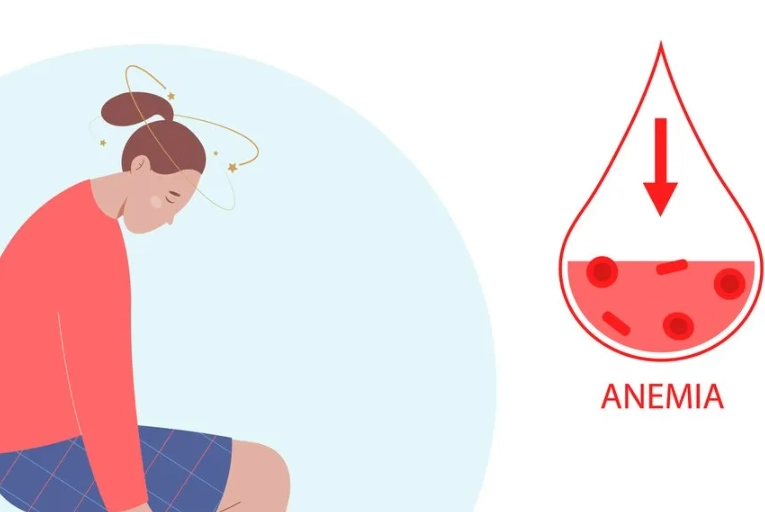
Why Are Women So Prone to This?
It's like our bodies are designed for a bit of an iron-balancing act, and sometimes the scales tip. Men, frankly, have it easier in this department. They don't have a monthly cycle that literally sheds iron-rich blood. For women, that monthly loss is the biggest single factor. A heavy period can drain your iron reserves faster than you can replenish them. It's a slow leak that eventually empties the tank.
Then there's pregnancy. Think about it – you're building an entire new human being, complete with its own blood supply. Your body's blood volume increases by almost 50%. The demand for iron goes through the roof to support you and your baby. If you're not starting pregnancy with good stores and supplementing adequately, deficiency is almost a given. Postpartum, especially if there was significant blood loss during delivery, the problem can linger, often mistaken for just the normal exhaustion of having a newborn.
Diet plays a huge role, but it's more nuanced than "eat your greens." More women are exploring plant-based or vegetarian diets, which is great for many reasons. But the iron in plants (non-heme iron) is much harder for our bodies to absorb than the iron from meat (heme iron). You have to be strategic about it. And let's not forget other sneaky causes: conditions like celiac disease or inflammatory bowel diseases can mess with your gut's ability to absorb nutrients, including iron, no matter how much you eat.
The Bottom Line: Being a woman is, biologically speaking, a risk factor for low iron. It's not a weakness; it's just a reality of our physiology that we need to manage proactively.
Signs You Might Be Running on Empty
The classic textbook sign of full-blown iron-deficiency anemia is fatigue. But that's the end stage. Your body can be iron-deficient for a long time before you become officially anemic. This is where listening to those subtler whispers is key.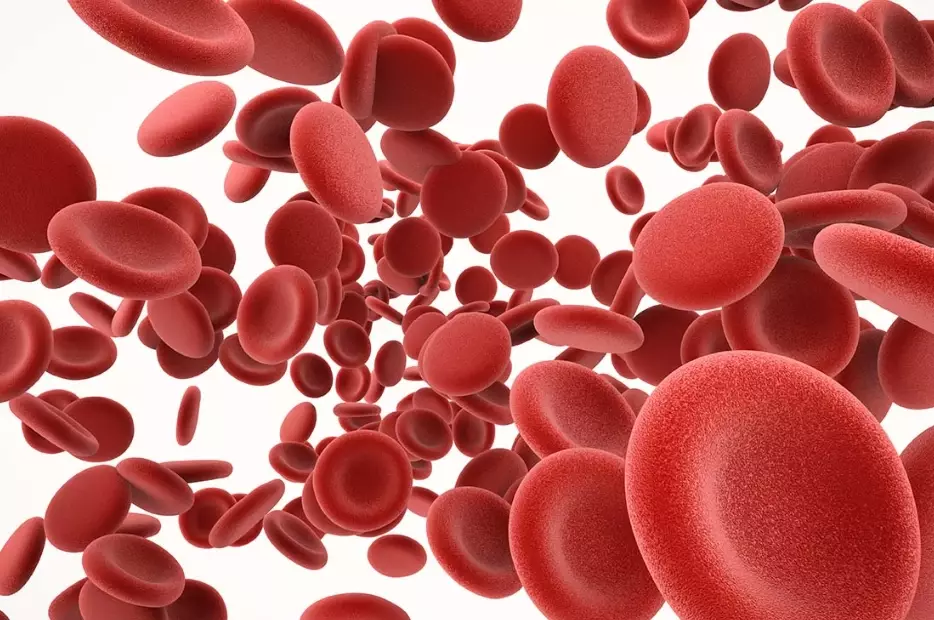
The Physical Whispers
Ever looked in the mirror and thought you looked ghostly? Paleness, especially inside your lower eyelids, your gums, or your nails, is a classic sign. Then there's the breathlessness – not just after a run, but doing ordinary things. Walking up a flight of stairs and feeling winded like you just sprinted. Heart palpitations, that fluttery or pounding feeling in your chest when you're just sitting still. Your heart is working overtime to get what little oxygen it can to your tissues.
Here's one that freaks people out: hair loss. Finding more hair in your brush or shower drain than usual. Iron is crucial for hair growth, and when it's scarce, your body prioritizes vital organs, letting hair go. Brittle, spoon-shaped nails (they curve inward) are another weird but telltale sign. And being chronically cold, especially in your hands and feet, when everyone else is comfortable.
The Mental & Emotional Fog
This is the part that's so often dismissed. Brain fog. Trouble concentrating. Memory lapses. It feels like your brain is wrapped in cotton wool. You start tasks and forget to finish them. Reading a page and realizing you absorbed none of it. This isn't you being scatterbrained; it's your brain being oxygen-starved.
Irritability, low mood, even feelings of anxiety or depression can be linked. It's hard to feel emotionally resilient when you're physically running on fumes. I've spoken to women who were sure they were dealing with a primary anxiety disorder, only to find that addressing their iron deficiency made a massive difference in their mental clarity and stability.
A Crucial Disclaimer: These symptoms can overlap with many other conditions (thyroid issues, vitamin B12 deficiency, chronic fatigue syndrome). That's why self-diagnosis is a terrible idea. The only way to know for sure is a blood test. If you're nodding along to these signs, your next step is a conversation with your doctor, not just buying a supplement off the shelf.
Getting the Right Answers: The Tests That Matter
You go to the doctor and say you're tired. They might order a "CBC" (Complete Blood Count). This checks your hemoglobin and hematocrit – the measures of anemia. But here's the kicker: you can have perfectly normal hemoglobin and still be severely iron deficient. This is a huge gap in understanding for many women and, sadly, some doctors.
Your hemoglobin is like the iron that's currently in use, carrying oxygen in your red blood cells. Your ferritin is your iron savings account – your stored iron. You can deplete your savings (low ferritin) long before it affects your day-to-day spending (normal hemoglobin). Many experts now believe that for women, a ferritin level below 50 ng/mL can cause symptoms, even though the official "normal" range often starts much lower.
So, what tests should you ask for?
- Ferritin: The single most important test. This is your iron storage level. Aim for optimal, not just "within range." Many functional medicine practitioners suggest women feel their best with ferritin above 70-100 ng/mL.
- Complete Blood Count (CBC): Looks at hemoglobin, hematocrit, and the size/color of your red blood cells (which get small and pale with iron deficiency).
- Serum Iron & TIBC/Transferrin Saturation: These give a snapshot of the iron currently in your blood and your blood's capacity to carry it. A low saturation percentage is another clue.
Bring your results to your appointment. Don't just accept "it's fine." Ask for the numbers. If your ferritin is 15 and you feel awful, it's not fine for you, even if the lab's normal range starts at 10.
Filling the Tank: Your Action Plan
Okay, so let's say the tests confirm it. You're dealing with iron deficiency. Now what? The approach needs to be two-pronged: addressing the immediate shortage and fixing the underlying leak.
Step 1: Strategic Eating (It's Not Just Spinach)
Food first, always. But you have to eat the right things, the right way. There are two types of dietary iron:
| Type of Iron | Found In | Absorption Rate | Pro-Tip for Better Absorption |
|---|---|---|---|
| Heme Iron (Easily absorbed) | Red meat, organ meats (liver), poultry, fish (especially sardines, clams) | 15-35% | Pair with vitamin C (bell peppers, broccoli, citrus) for an extra boost. |
| Non-Heme Iron (Less easily absorbed) | Lentils, beans, tofu, spinach, kale, fortified cereals, pumpkin seeds, dark chocolate | 2-20% | Always pair with a vitamin C source. Avoid having tea/coffee with meals. |
See the pro-tip? Vitamin C is a game-changer. It can increase non-heme iron absorption by up to six times. So, have a glass of orange juice with your fortified cereal. Add bell peppers to your lentil soup. Squeeze lemon on your spinach salad.
Conversely, some things are absorption blockers. Calcium supplements, tannins in tea and coffee, and phytates in whole grains and legumes can bind to iron and prevent uptake. It's not that you can't have these foods, but try not to consume your main iron-rich meal with a giant latte or a cup of black tea. Space them out by an hour or two.
Step 2: The Supplement Maze (Navigating Side Effects)
When diet isn't enough to correct a true deficiency, supplements are essential. But oh boy, the world of iron supplements is a minefield of constipation and stomach upset. Finding the right one is personal.
Ferrous sulfate is the classic, cheap, and effective form, but it's notorious for causing gastrointestinal issues. Ferrous bisglycinate is a chelated form that is generally much gentler on the stomach and better absorbed – it's often worth the extra cost. Heme iron polypeptide supplements (derived from animal sources) are also very well-tolerated and absorbed, but they're more expensive and not suitable for vegetarians.
Tips for taking supplements:
- Take on an empty stomach for best absorption, unless it wrecks your stomach, then take it with a small amount of food.
- Take with vitamin C – a small glass of orange juice or a 250mg Vitamin C tablet.
- Avoid calcium-rich foods or antacids for a few hours before and after.
- Start slow. If the dose is 65mg of elemental iron, try taking it every other day at first. Studies show alternate-day dosing can improve absorption and reduce side effects.
- Constipation is common. Up your water, fiber (prunes are great), and magnesium intake. Move your body.
Be patient. Replenishing iron stores is slow. It can take 3-6 months of consistent supplementation to see your ferritin levels climb significantly. Don't stop just because you feel a bit better in a few weeks.
Step 3: Investigating the "Why"
Taking iron without finding the cause is like mopping the floor with the tap still running. You have to find the leak. For most women, this means a conversation about menstrual bleeding.
Is your flow excessively heavy? Soaking through a super tampon or pad in under 2 hours, passing large clots, needing to double up on protection, or bleeding for more than 7 days – these are signs of menorrhagia. This isn't something to just endure. Conditions like uterine fibroids, adenomyosis, or hormonal imbalances can be the cause. A gynecologist can help explore options, from hormonal birth control to other medications or procedures, to manage the blood loss.
For other women, the issue is absorption. If you have persistent iron deficiency despite a good diet and supplements, it's worth discussing tests for celiac disease with your doctor. The Celiac Disease Foundation has excellent resources on the link between untreated celiac and nutrient malabsorption. Similarly, other digestive issues could be at play.
Your Questions, Answered (The Stuff You're Actually Searching)
Building a Life That Supports Iron Health
Managing iron deficiency in women isn't a one-time fix; it's a long-term awareness. Once you've replenished your stores, the goal is to keep them there.
- Get Annual Check-ups: Make a CBC and ferritin test part of your yearly health screen, especially if you have heavy periods or a plant-based diet.
- Listen to Your Body: You now know the whispers. If that familiar fatigue and pallor creep back, don't ignore it. Get a test.
- Eat Intelligently: Keep applying the vitamin C + iron combo. Be mindful of timing with tea and coffee.
- Manage Menstrual Health Proactively: Have open conversations with your gynecologist about your flow. You don't have to live with debilitating periods.
- Consider Supplementation During High-Demand Times: Pregnancy, postpartum, and periods of very heavy training (for athletes) are times when a preventive, low-dose supplement might be wise, under a doctor's guidance.
The information on the Office on Women's Health website (part of the U.S. Department of Health & Human Services) is a reliable, government-vetted source that reinforces much of this, noting just how common iron-deficiency anemia is among women of childbearing age.
Look, dealing with low iron can be frustrating. The supplements can be unpleasant, the progress slow, and the symptoms vague. But understanding iron deficiency in women – truly understanding the why and the how – is empowering. It turns a vague feeling of unwellness into a tangible, solvable problem. You don't have to accept that drained, foggy version of yourself as normal. Your energy, your clarity, your vitality – they're worth the investigation and the effort. Start the conversation with your doctor. Get the test. Take back your fuel.
POST A COMMENT