OB-GYN Advice: Your Complete Guide to Women's Health Care
Quick Guide
- When Should You Actually Seek Out OB-GYN Advice?
- Pregnancy: The Marathon Where OB-GYN Advice is Your Coach
- The Postpartum Period: The Chapter Nobody Fully Prepares You For
- Beyond Babies: Lifelong Gynecological Care
- Navigating Perimenopause and Menopause
- Common Questions Women Are Too Embarrassed to Ask (But Should)
- How to Be Your Own Advocate: The Unspoken Rules
Let's be real. Talking about your reproductive health can feel awkward, confusing, and sometimes downright scary. You Google a symptom and suddenly you're convinced it's something terrible. You sit in the exam room, paper gown crinkling, and your mind goes blank when the doctor asks if you have questions. I've been there. We all have. That's why good, clear OB-GYN advice is worth its weight in gold. It's not just about the annual exam; it's about having a partner for some of the most significant chapters of your life.
This guide isn't a lecture. Think of it as a long chat with a friend who's done a lot of research and made plenty of her own mistakes along the way. We're going to cut through the jargon and get to the stuff that actually matters.
The Core Idea: Your OB-GYN is more than a Pap smear provider. They're a specialist in your overall well-being, from puberty to menopause and everything in between. The best OB-GYN advice empowers you to be an active participant in your care, not a passive patient.
When Should You Actually Seek Out OB-GYN Advice?
This is where a lot of us get stuck. Is this weird pain "bad enough" to call about? Is my period being strange, or is this normal? Here's my take, based on conversations with doctors and, well, personal experience.
First, the non-negotiables. You should schedule a visit for:
- A new, persistent pain in your pelvis, abdomen, or during sex. Don't just tough it out for months. I did that once with what turned out to be a stubborn cyst, and it was a miserable few weeks I could have avoided.
- Major changes in your cycle: Soaking through a super tampon or pad in under an hour, periods lasting more than 7 days, or bleeding between periods. Also, if your regular cycle just vanishes (and you're not pregnant or in perimenopause).
- Unusual discharge that's accompanied by odor, itching, or a weird color (think greenish or cottage-cheese-like). Sometimes it's simple, sometimes it's not. Let a pro figure it out.
- You're thinking about getting pregnant. A pre-conception visit is some of the smartest OB-GYN advice you can follow. It's not just about taking prenatal vitamins (though do start folic acid!). It's about optimizing your health first.
- You're 21 or older, or sexually active, and haven't had a well-woman exam. Time for that baseline.
What about the stuff you can maybe monitor? Mild cramps, slight cycle variations month-to-month, a bit of mid-cycle spotting once? These might be okay to watch. But if your gut is telling you something is off, listen to it. Making the call is always better than worrying in silence.
Pregnancy: The Marathon Where OB-GYN Advice is Your Coach
Pregnancy is a wild ride. The internet is full of horror stories and conflicting opinions. Filtering through it all is exhausting. Your OB-GYN or midwife should be your primary source of truth. Here’s how to make that relationship work.
Prenatal Visits: More Than Just Measuring Your Belly
It feels routine—pee in a cup, get weighed, blood pressure, heartbeat, measure the fundal height. But these visits are your chance. Come with questions written down. I used the notes app on my phone. My brain was too foggy to remember anything.
Ask about the stuff that worries you. Is it safe to sleep on my back? (Usually fine in the first and second trimester, but they often advise side-sleeping later on). Can I eat that soft cheese? (Pasteurized is fine!). What are the *real* signs of preterm labor I shouldn't ignore? Get specific OB-GYN advice for your body and your pregnancy.
Pro-Tip: If something feels wrong between appointments—reduced fetal movement, a severe headache, sudden swelling, vaginal bleeding—call immediately. Don't wait for your next appointment. Offices have on-call services for a reason.
The Big Tests and Screenings
It's a alphabet soup: NIPT, NT scan, AFP, glucose tolerance test. It's overwhelming. A good provider walks you through the "why" of each one, not just tells you to do it. Are they screening for chromosomal conditions? Checking for gestational diabetes? Assessing risk for preeclampsia?
Ask: What will this test tell us? What are the limitations? What happens if the result is positive or high-risk? This is shared decision-making. For a deep dive on prenatal testing options, the American College of Obstetricians and Gynecologists (ACOG) has incredibly thorough, patient-friendly resources that align with standard medical advice.
Here’s a quick breakdown of some key prenatal checkpoints:
| Timeframe | Typical Focus of Visit | Key Questions to Consider |
|---|---|---|
| First Trimester (Weeks 1-12) | Confirm pregnancy, estimate due date, review medical history, discuss genetic screening options, early ultrasounds. | What medications/supplements are safe? What lifestyle changes are needed now? What screening tests are right for me? |
| Second Trimester (Weeks 13-28) | Anatomy scan (around 20 weeks), screening for gestational diabetes (24-28 weeks), monitoring growth and fetal movement. | What are we looking for on the anatomy scan? How do I track fetal kicks? What are the signs of preterm labor? |
| Third Trimester (Weeks 29-40+) | More frequent visits, checking baby's position, discussing birth preferences, signs of labor. | What is my birth plan? What are my pain management options? When should I head to the hospital/birth center? |
The Postpartum Period: The Chapter Nobody Fully Prepares You For
Everyone focuses on the baby. You need someone focusing on YOU. Your postpartum checkup (usually around 6 weeks) is critical, but honestly, it often feels rushed. Fight for it not to be.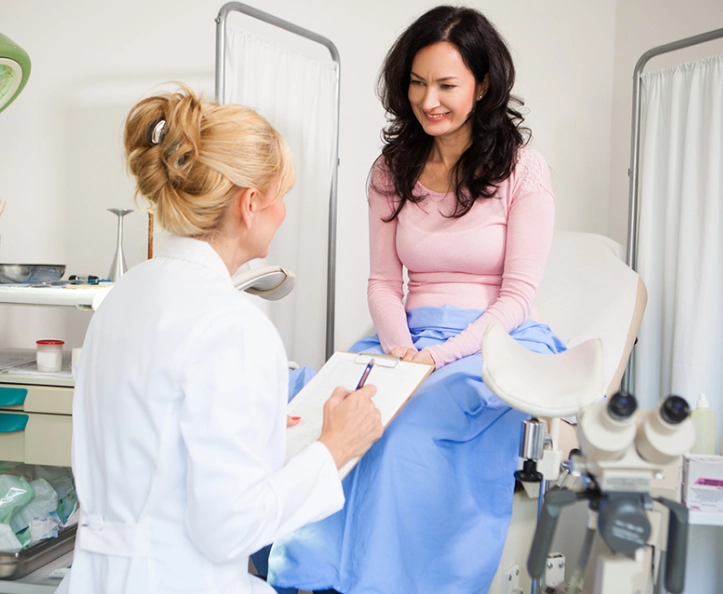
Here’s what you should absolutely bring up, even if you feel silly:
- Pelvic floor issues: Leaking urine when you cough or sneeze? Feeling pressure "down there"? This is common, but it's not something you just have to live with. Ask for a referral to a pelvic floor physical therapist. Life-changing OB-GYN advice right here.
- Your mental health: The "baby blues" vs. postpartum depression/anxiety can be a blurry line. Be brutally honest about your mood, anxiety, intrusive thoughts, or feelings of detachment. They can help.
- Healing: Pain during sex (very common), persistent bleeding, or concerns about your C-section or episiotomy scar.
- Contraception: Yes, you can get pregnant again very quickly, even while breastfeeding. Discuss your options.
I remember my 6-week checkup.
I was so tired I just wanted it to be over. I nodded through everything and left. I didn't mention the fact that I jumped every time the baby cried or that I felt a weird bulge when I stood for too long. I suffered in silence for another year before seeking help for anxiety and a mild prolapse. Don't be me. Use that appointment.
Beyond Babies: Lifelong Gynecological Care
Whether you want ten kids or zero, your gynecological health is a lifelong journey. The annual well-woman exam is the cornerstone. But what does that actually entail, and how do you make it useful?
The Annual Exam Deconstructed
It's not just a Pap smear. Guidelines have changed. For most, a Pap smear (to screen for cervical cancer) is now recommended every 3-5 years starting at age 21, depending on your age and history. But you should still see your provider yearly for:
- A comprehensive review: Discuss your cycle, sexual health, any new symptoms, vaccination status (HPV vaccine, etc.), and lifestyle.
- Breast exam: Clinical check and a conversation about self-awareness.
- Pelvic exam: May still be done annually to check the uterus, ovaries, and for any abnormalities, even without a Pap.
- Screening and counseling: For STIs if sexually active, for osteoporosis risk as you age, for mental health, and for intimate partner violence.
The Centers for Disease Control and Prevention (CDC) provides clear statistics and guidelines on cervical cancer screening that many OB-GYNs follow, which can help you understand the "why" behind the timing.
Let's talk about pain during exams. It shouldn't be excruciating. Discomfort, pressure, yes. Sharp, severe pain, no. Tell your provider if it hurts. They can use a smaller speculum, adjust positioning, or go more slowly. You have a right to a tolerable experience. I've had to advocate for this myself, and it makes a world of difference.
Contraception: Finding Your Match
This is highly personal. What works for your best friend might be a disaster for you. Good OB-GYN advice here involves a non-judgmental discussion of your lifestyle, health history, and future plans.
Are you forgetful? A daily pill might not be your best bet. Do you have heavy, painful periods? A hormonal IUD might be a game-changer. Do you want non-hormonal options? The copper IUD or barrier methods (diaphragm, etc.) are worth exploring. Your provider should explain the pros, cons, efficacy, and side effects of each option relevant to you.
Navigating Perimenopause and Menopause
This phase can start a decade before your last period. The symptoms are sneaky and often misattributed: irregular periods, sleep problems, mood swings, brain fog, hot flashes, vaginal dryness. Many women struggle through, thinking it's just stress or aging.
You don't have to. This is a prime time for specialized OB-GYN advice. Treatments have evolved far beyond just hormone therapy (which is still a very effective option for many). There are non-hormonal medications, lifestyle strategies, and local treatments for specific issues like vaginal atrophy.
The key is tracking your symptoms and having a detailed conversation. Resources like the The North American Menopause Society (NAMS) website are fantastic for educating yourself before your appointment so you can ask informed questions.
Common Questions Women Are Too Embarrassed to Ask (But Should)

How to Be Your Own Advocate: The Unspoken Rules
Getting the best care often comes down to how you approach it. This isn't about being difficult; it's about being engaged.
Before the appointment: Jot down your questions and top 2-3 concerns. Note the details of your last period, any symptoms (when they started, what makes them better/worse). Bring a list of your medications and supplements.
During the appointment: Start with your biggest concern. If you feel rushed, say, "I have a few things I'm worried about. Can we make sure we address them?" If you don't understand a term, ask for plain language. Repeat back instructions to confirm. "So you're saying I should try this cream for two weeks and call back if the itching isn't gone?"
If you feel dismissed: This is tough. If a provider consistently brushes off your concerns (e.g., telling you severe period pain is "normal" without investigating causes like endometriosis), it's okay to seek a second opinion. You deserve to be heard. I've switched providers before, and while it's a hassle, finding someone who listens is invaluable.
Finding reliable OB-GYN advice means building a partnership with a provider you trust. It means showing up prepared and speaking up, even when it's uncomfortable. It means understanding that your health journey is continuous, with different needs at 25, 35, 45, and beyond.
Use this guide as a starting point for those conversations. Arm yourself with knowledge, trust your instincts, and remember that no question about your body is too trivial or embarrassing for the right healthcare professional. Your health is worth the effort.
POST A COMMENT