Keto Diet for Women: The Ultimate Guide to Benefits, Risks & How to Start Right
Your Keto Journey Map
- Why a Keto Diet for Women Isn't Just a "Guy's Diet"
- The Potential Benefits: What Can Women Really Expect from Keto?
- The Not-So-Pretty Side: Potential Risks and Drawbacks for Women
- How to Start a Keto Diet for Women: A Smarter, Gentler Blueprint
- Navigating Your Menstrual Cycle on Keto: The Cycle-Syncing Approach
- Common Questions Women Have About Keto (The Real Ones)
- Final Thoughts: It's a Tool, Not a Religion
So, you've heard about the keto diet. Maybe a friend lost a bunch of weight, or you saw it all over social media. But as a woman, you're probably wondering: is this keto diet for women thing just a marketing gimmick, or is there something to it? Does our biology—you know, hormones, metabolism, all that—actually mean we need to approach keto differently?
The short answer is yes. A big yes.
Jumping into a standard keto plan designed with a male physiology in mind can lead to frustration, stalled progress, and even some unwanted side effects for us women. I've seen it happen, and honestly, I've felt some of that frustration myself when I first tried it years ago without tuning it to my needs.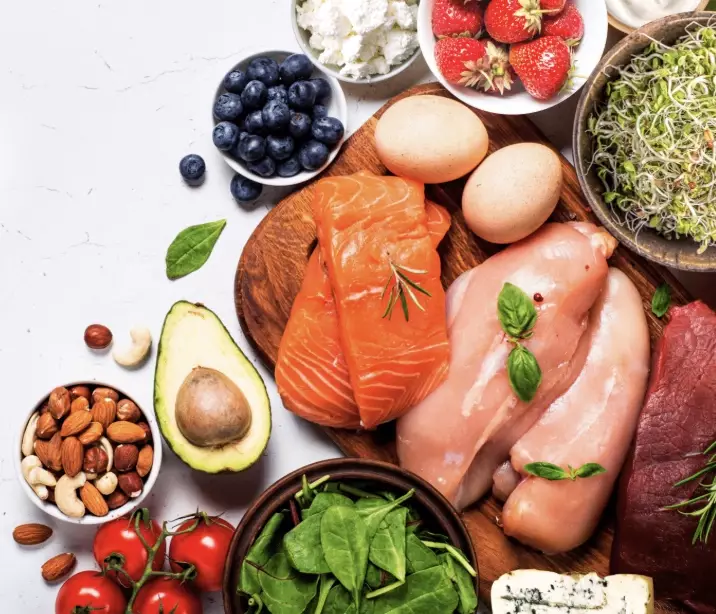
This guide isn't about pushing a one-size-fits-all miracle. It's about giving you the full, unvarnished picture of a keto for women approach. We'll dig into the science (but in plain English, I promise), talk about the real benefits that matter to us, and, just as importantly, the pitfalls and controversies. We'll cover how it touches everything from your energy levels to your monthly cycle.
Why a Keto Diet for Women Isn't Just a "Guy's Diet"
Let's cut to the chase. Men and women are different. Shocking, I know. But when it comes to metabolism and diet, these differences aren't just social—they're biological and hormonal.
Women's bodies are finely tuned instruments, largely conducted by hormones like estrogen and progesterone. These hormones influence how we store fat (hello, hips and thighs), how we respond to stress, and crucially, how we adapt to a drastic change in fuel source like the ketogenic diet.
Blindly following a super-restrictive, very-low-calorie keto plan can sometimes backfire for women. It can be perceived by the body as a major stressor, potentially messing with thyroid function, cortisol (the stress hormone) levels, and yes, even your period. The goal of a women's keto diet should be to work with your biology, not against it.
It's about nourishment, not deprivation.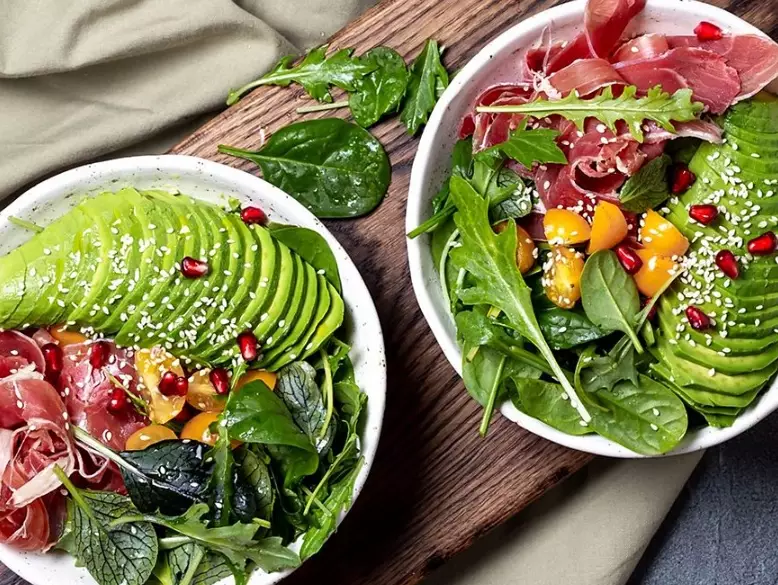
The Hormone-Fuel Connection
Estrogen promotes the use of fat for fuel. In theory, this should make women fantastic fat-burners on keto. However, when calories or carbs are too low for too long, the body's stress response can elevate cortisol. High cortisol can promote abdominal fat storage and disrupt other hormones, creating a cycle that's counterproductive to the goals of a keto diet for women. It's a delicate balance.
The Potential Benefits: What Can Women Really Expect from Keto?
When done thoughtfully, the benefits of a keto diet for women can extend far beyond the scale. Here’s what the research and countless anecdotes (including my own observations) point to.
Sustained Energy and Mental Clarity
This is the one that surprises people most. Once you're fat-adapted (meaning your body is efficiently burning fat for fuel), the energy crashes that often follow carb-heavy meals disappear. Your brain, which loves ketones, often feels sharp and focused. No more 3 PM fog. For women juggling a million tasks, this mental clarity can be a game-changer.
Appetite Regulation
Fat and protein are incredibly satiating. On a well-formulated keto for women plan, hunger pangs and constant food thoughts tend to quiet down. This isn't about willpower; it's about biology. Stable blood sugar levels mean fewer cravings, making it easier to listen to your body's true hunger signals.
Support for PCOS and Metabolic Health
This is a huge area of interest. Polycystic Ovary Syndrome (PCOS) is often linked with insulin resistance. Since the ketogenic diet drastically lowers insulin levels, early research and many clinical experiences suggest it can be a powerful tool for managing PCOS symptoms. A review published by the National Institutes of Health (NIH) notes that low-carb diets can improve insulin sensitivity and hormone profiles in women with PCOS. It's not a cure, but for many, it's a profoundly helpful management strategy.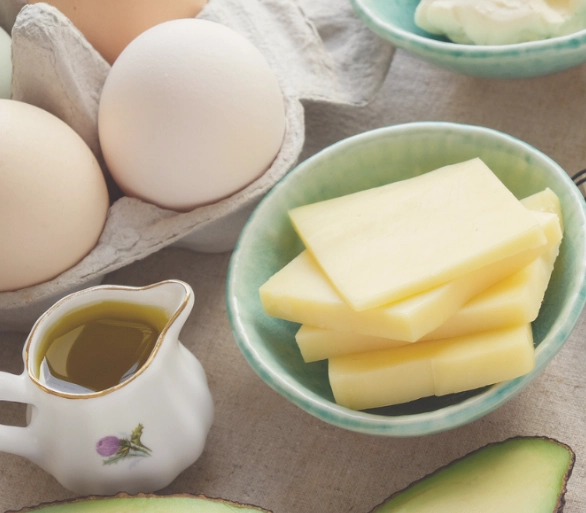
Improved Skin Health
For some women, reducing inflammatory foods (like refined sugars and carbs) can lead to clearer skin. The anti-inflammatory nature of a whole-foods keto diet may help with conditions like acne. Of course, dairy (common on keto) can be a trigger for some, so it's about finding your personal balance.
The Not-So-Pretty Side: Potential Risks and Drawbacks for Women
Ignoring this side of the story is how people get hurt or disillusioned. A responsible guide to the keto diet for women must cover the downsides.
"Keto Flu" and Adaptation Woes
The initial transition can be rough. Headaches, fatigue, irritability, brain fog—the so-called "keto flu." Women sometimes report a tougher or longer adaptation period. This is often due to electrolyte imbalances (sodium, potassium, magnesium). It's preventable and manageable, but if you don't know about it, you'll think you're dying of the flu.
Hormonal Disruption and Menstrual Cycle Changes
This is the big one. Some women experience irregular periods, worsened PMS, or even temporary loss of their cycle (amenorrhea) when starting a very strict keto diet. This is typically a sign that the body is under too much stress—either from too large a calorie deficit, too low body fat, or the metabolic stress of rapid adaptation.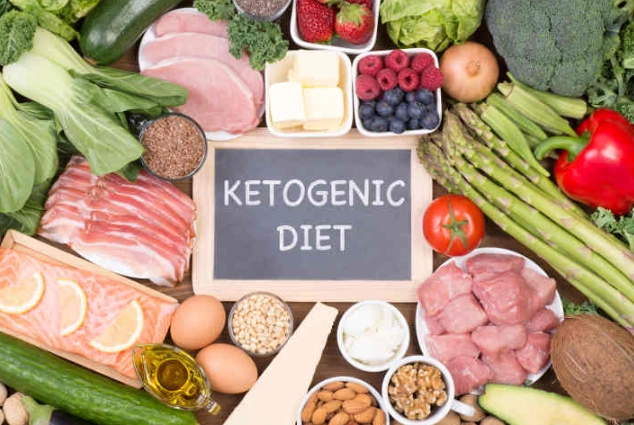
A Major Red Flag
If your period becomes irregular or stops altogether on keto, it's a clear signal from your body to reassess. This is not a "benefit" or sign of success. It often means you need more carbs (especially around your cycle), more calories, or a less restrictive approach overall. Listening to this signal is crucial for long-term health on a women's keto diet.
Nutrient Deficiencies
A poorly planned keto diet—one that's just bacon and cheese—can be low in fiber, vitamins C and K, magnesium, and potassium. For women, particularly concerning is bone health. A very acidic diet low in plant foods might, over the long term, impact calcium balance. This is why vegetable intake is non-negotiable.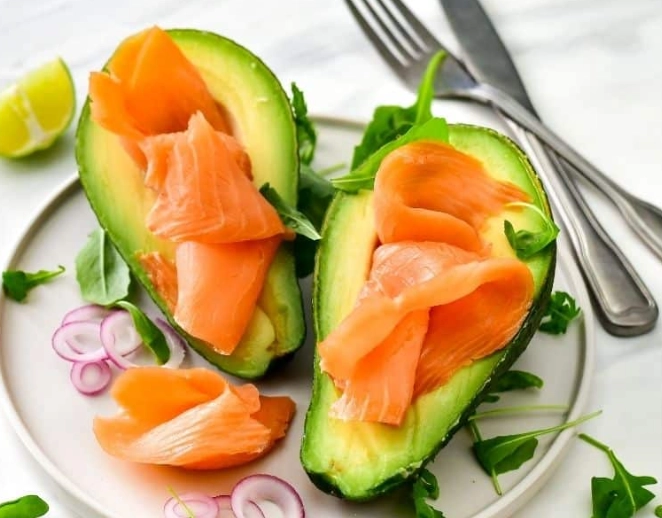
Social and Psychological Strain
Let's be real. Any restrictive diet can be socially isolating. Dinner parties, family gatherings, even a simple coffee date can become a source of anxiety. For women, where food is often central to social connection, this can be a significant downside and a major reason for quitting.
It can also border on or trigger disordered eating patterns in susceptible individuals. The strict tracking and "good vs. bad" food mentality isn't healthy for everyone.
How to Start a Keto Diet for Women: A Smarter, Gentler Blueprint
Forget the aggressive, drop-carbs-to-20g-tomorrow approach. Here's a more nuanced way to begin a keto for women journey.
First, Talk to Your Doctor
Especially if you have any pre-existing conditions (thyroid issues, kidney problems, eating disorder history, are pregnant or breastfeeding), a conversation with a healthcare provider is essential. This article is informational, not medical advice.
Step 1: Rethink Your Macros
Instead of blindly following male-centric macros, consider a more moderate approach, especially at the start.
| Macronutrient | Standard Keto Guideline | Gentler Start for Women | Why the Difference? |
|---|---|---|---|
| Net Carbs | 20-25 grams daily | 30-50 grams daily | Eases the transition, may be better for hormone balance, especially around the menstrual cycle. |
| Protein | 0.6-0.8g per lb of lean mass | 0.7-1.0g per lb of lean mass | Adequate protein is critical for women to preserve muscle mass and support satiety. Don't fear protein. |
| Fat | Remainder of calories | Remainder of calories | Focus on quality sources: avocados, olive oil, nuts, fatty fish. It's a lever for satiety, not a goal to hit. |
See? Already more flexible. The 30-50g net carb range can still induce ketosis for many women, especially if those carbs come from non-starchy vegetables and berries.
Step 2: Prioritize Food Quality
This is where a healthy keto diet for women separates itself from a junk-food keto diet.
Your Plate Should Look Like This:
- Half the plate as non-starchy vegetables: Spinach, kale, broccoli, cauliflower, zucchini, peppers, asparagus. This is your fiber, vitamin, and mineral foundation. Don't skimp.
- A palm-sized portion of protein: Salmon, chicken, beef, eggs, tofu.
- A healthy fat source: A drizzle of olive oil on the veggies, half an avocado, a small handful of nuts or seeds.
Step 3: Manage Electrolytes from Day One
This is the #1 trick to avoiding keto flu. When you cut carbs, you shed water and flush electrolytes.
- Sodium: Don't be afraid of salt. Salt your food generously. Consider a cup of broth daily.
- Potassium: Get it from avocados, spinach, mushrooms, and salmon.
- Magnesium: Crucial for sleep and muscle cramps. Found in leafy greens, nuts, seeds, and consider a supplement like magnesium glycinate.
Seriously, this step makes the first week tolerable instead of terrible.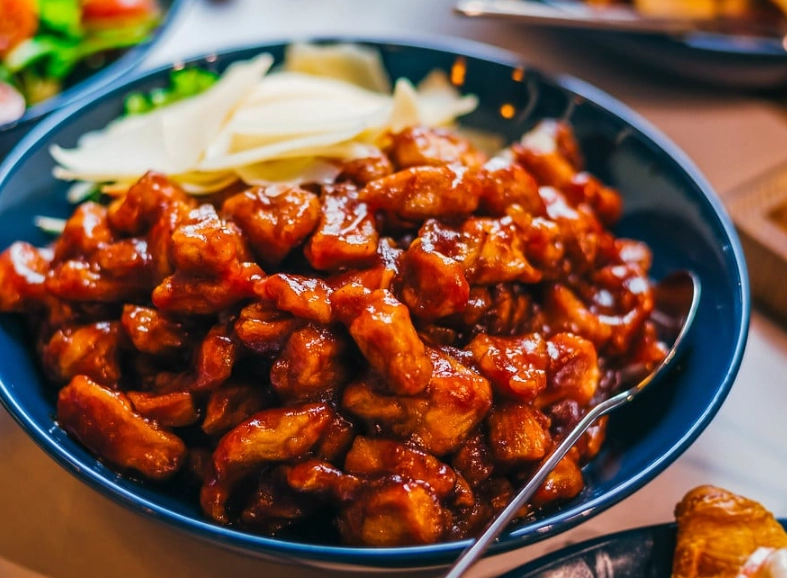
Navigating Your Menstrual Cycle on Keto: The Cycle-Syncing Approach
This might be the most important concept in a truly female-centric women's keto diet. Your nutritional needs change throughout your cycle. Honoring that can smooth out side effects and improve results.
Follicular Phase (After Period to Ovulation)
Estrogen rises. Insulin sensitivity is often better. This is a great time for slightly stricter keto, efficient fat burning, and intense workouts. You might feel fantastic here.
Luteal Phase (After Ovulation to Period)
Progesterone rises, metabolism increases, and insulin sensitivity can decrease. Cravings for carbs are biologically normal as your body seeks energy.
My Personal Luteal Phase Strategy
I learned the hard way that fighting cravings here was a losing battle. Now, I intuitively increase my carbs by 20-30 grams during this week, always from nutrient-dense sources like sweet potato, squash, or extra berries. I also ensure my magnesium intake is high. It completely eliminated my previous keto-related PMS irritability and sleep issues. It's not cheating; it's cycling.
This flexible, cycle-aware approach is what makes keto sustainable for many women long-term.
Common Questions Women Have About Keto (The Real Ones)
Let's tackle the stuff you're actually typing into Google.
"Will keto ruin my metabolism?"
Any very low-calorie diet can down-regulate metabolism over time—this isn't unique to keto. The key to preventing this on a keto diet for women is to avoid an excessive calorie deficit, eat enough protein, incorporate strength training, and consider occasional diet breaks or carb refeeds if you've been dieting for a long time.
"I'm not losing weight on keto. Why?"
Ah, the dreaded plateau. For women, common reasons include:
- Hidden carbs and calories: Nuts, cheese, keto treats, and "just a taste" can add up fast.
- Too much stress/not enough sleep: High cortisol tells your body to hold onto fat, especially belly fat.
- Under-eating or over-exercising: Yes, too few calories can stall weight loss by stressing the body.
- Hormonal phase: You may retain water in the days before your period, masking fat loss.
- Medical conditions: Like undiagnosed thyroid issues or PCOS.
"Can I do keto if I'm breastfeeding?"
This requires extreme caution and medical supervision. While some women do it, a sudden, strict ketogenic diet can potentially affect milk supply. The priority during breastfeeding is adequate nutrition and calories for you and the baby. A moderate, whole-foods, lower-carb approach might be more appropriate than strict keto. The American College of Obstetricians and Gynecologists (ACOG) emphasizes the importance of a balanced, nutrient-rich diet during this time.
"Is keto safe long-term for women?"
The honest answer is we don't have decades of long-term study data on modern nutritional ketosis. Many people use it as a long-term maintenance tool by adopting a more liberal low-carb, whole-foods approach (like 50-100g net carbs). Others cycle on and off. The best long-term diet is one that is sustainable, nourishing, and doesn't cause psychological stress or physical harm. For some women, that's keto. For many, it's a more flexible low-carb template.
Final Thoughts: It's a Tool, Not a Religion
After all this, my biggest takeaway from years of exploring this topic is that the keto diet for women works best as a tool for metabolic health, not as a rigid identity.
It can be incredibly powerful for resetting insulin sensitivity, breaking sugar addiction, and managing certain conditions. But the dogmatic, all-or-nothing version often promoted online? It fails a lot of women.
The most successful approach I've seen—and the one that feels most sustainable—is a whole-foods focused, nutrient-dense, lower-carb way of eating that allows for flexibility. It's keto-inspired, not keto-enslaved. It listens to hunger cues, honors the menstrual cycle, and prioritizes vegetables and protein.
If you try a keto for women approach, please be kind to yourself. Tune into your body. If it feels great, that's wonderful. If it feels awful, your body is giving you critical information. Adjust, modify, or stop. Your worth is not measured by your ketone levels.
There's a wealth of information out there, but always cross-reference. Resources from institutions like Harvard T.H. Chan School of Public Health provide valuable, science-backed perspectives on low-carb diets that can balance out the more extreme views found in online forums.
Ultimately, you are the expert on your own body. Use information like this to empower your choices, not to hand over your authority to a diet plan.
POST A COMMENT