The Complete Guide to Intermittent Fasting for Women: Hormones, Benefits, and Safety
Let's cut through the noise. Intermittent fasting (IF) isn't just another diet trend for women—it's a pattern of eating that can seriously rewire how your body handles energy, hunger, and even hormones. But here's the thing most articles gloss over: a woman's body responds to fasting differently than a man's. Our hormonal symphony—conducted by estrogen, progesterone, cortisol, and insulin—plays a much more reactive tune to changes in food intake.
I've seen too many women dive into a 16:8 fast because it worked for their partner, only to feel exhausted, miss their period, and quit in frustration. The problem isn't intermittent fasting itself; it's applying a one-size-fits-all, often male-centric protocol without adjustment.
What You'll Find in This Guide
How Intermittent Fasting Works for Women
At its core, intermittent fasting is simple: you cycle between periods of eating and not eating. It's not about what you eat, but when you eat. This switch flips your body from burning readily available glucose (from your last meal) to tapping into stored fat for energy—a state called ketosis.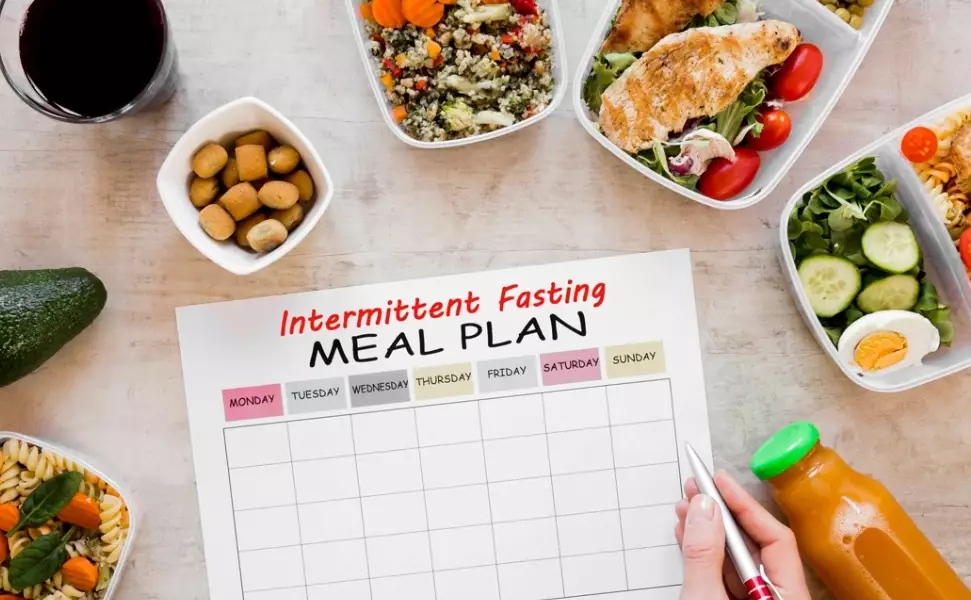
For women, the critical layer is the hormonal response. Cortisol, your stress hormone, naturally rises in the morning to get you going. A prolonged fast can elevate cortisol further. For some women, especially those already stressed or with adrenal fatigue, this added stress signal can backfire, leading to fatigue, anxiety, and hormonal disruption like irregular periods.
Estrogen and insulin also dance closely. Intermittent fasting improves insulin sensitivity, which is fantastic. But if you fast too aggressively and crash your calorie intake, your body may dial down estrogen production because it senses a scarce environment not ideal for reproduction. This is why listening to your body isn't fluffy advice—it's essential physiology.
The Hormone-Friendly Mindset: Think of intermittent fasting for women as a flexible tool, not a rigid rule. Your optimal schedule might change with your menstrual cycle, stress levels, or even the season. A 14-hour fast might feel easy one week and impossible the next, and that's okay. It's data, not failure.
Key Benefits of Intermittent Fasting for Women
When done in a way that respects your biology, the benefits are substantial. They go far beyond weight loss.
Improved Insulin Sensitivity and PCOS Management
This is a big one. Insulin resistance is a core issue in Polycystic Ovary Syndrome (PCOS) and a precursor to type 2 diabetes. By giving your pancreas a longer break between insulin secretions, intermittent fasting can help lower baseline insulin levels. A study published in the journal Obesity found that time-restricted eating improved insulin sensitivity even without weight loss. For women with PCOS, this can mean reduced cravings, more stable energy, and potentially more regular cycles.
Autophagy: Your Body's Spring Cleaning
After about 16-18 hours of fasting, a cellular cleanup process called autophagy ramps up. Your body breaks down and recycles old, damaged cell components. Think of it as taking out the intracellular trash. The potential long-term benefits? Improved skin health, better brain function, and reduced inflammation. It's like an anti-aging process from the inside out.
Sustainable Weight and Body Composition Change
Yes, it can help with weight loss, but the mechanism is key. By naturally reducing your eating window, you often consume fewer calories without obsessive counting. More importantly, by improving insulin sensitivity, your body becomes better at using stored fat for fuel. The result isn't just weight loss, but a shift in where you lose fat—often from the more stubborn visceral fat around the abdomen.
I worked with a client, Sarah, 42, who was stuck despite daily workouts. She started with a gentle 14:10 fast, focusing on protein at breakfast. Within three months, she didn't just lose 12 pounds; her waist measurement dropped two inches, and her energy after lunch—which used to be a guaranteed crash—completely stabilized.
Picking Your Intermittent Fasting Schedule
Forget the "best" schedule. Think about the most sustainable and least stressful schedule for you right now. Here's a breakdown of the most common methods, ranked by ease for women new to fasting.
| Schedule | How It Works | Best For | Potential Pitfall |
|---|---|---|---|
| Circadian Rhythm (12:12 or 14:10) | Fast for 12-14 hours overnight (e.g., 7 PM - 7/9 AM). | Absolute beginners, women with high stress, hormone sensitivity. | May not trigger significant autophagy, but excellent for metabolic reset. |
| 16:8 (The Leangains Protocol) | Fast for 16 hours, eat within an 8-hour window (e.g., 12 PM - 8 PM). | Women with established metabolic flexibility, weight loss goals. | Can be stressful if started too quickly; timing with social life can be tricky. |
| 5:2 Diet | Eat normally for 5 days, restrict to 500-600 calories on 2 non-consecutive days. | Those who prefer clear rules and don't want daily restriction. | Easy to overeat on "normal" days, negating the deficit. |
| Eat-Stop-Eat | Do one or two 24-hour fasts per week (e.g., dinner to dinner). | Experienced fasters, those seeking strong autophagy benefits. | High risk of overcompensation eating before/after; can be hard on hormones. |
My strong recommendation for most women starting out? Begin with a 13-14 hour overnight fast. Finish dinner by 8 PM, don't eat again until 9 AM. Do this consistently for two weeks. Notice your energy, hunger, and sleep. Then, consider gently pushing to 15 or 16 hours if it feels effortless.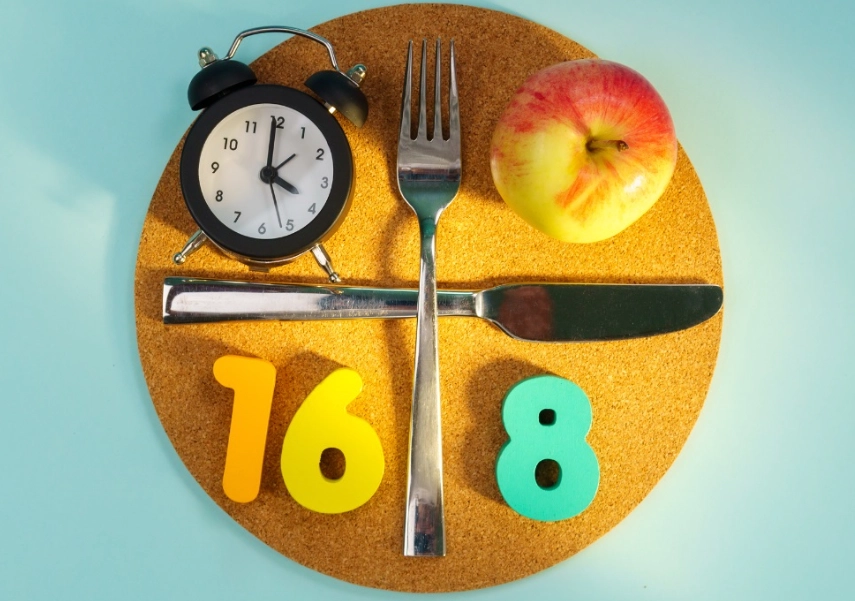
Listen Up: If you have a history of eating disorders, are underweight, pregnant, breastfeeding, or have adrenal fatigue, intermittent fasting may not be appropriate for you. Consult a healthcare professional who understands both nutrition and female endocrinology.
What to Eat (This is Where Most Mess Up)
Fasting for 16 hours and then eating a donut and a sugary latte breaks your fast in the worst way. You'll spike insulin, crash later, and likely feel terrible. The magic happens at the intersection of when you eat and what you eat.
Your eating window is for nourishment, not just calories. Prioritize:
- Protein: Aim for 20-30 grams per meal. This is non-negotiable for preserving muscle mass, keeping you full, and supporting hormones. Think chicken, fish, eggs, tofu, lentils.
- Healthy Fats: Avocado, olive oil, nuts, seeds. They slow digestion, provide sustained energy, and are building blocks for hormones.
- Fiber-Rich Carbs: Vegetables (load up!), some fruit, quinoa, sweet potato. They feed your gut microbiome and provide vitamins.
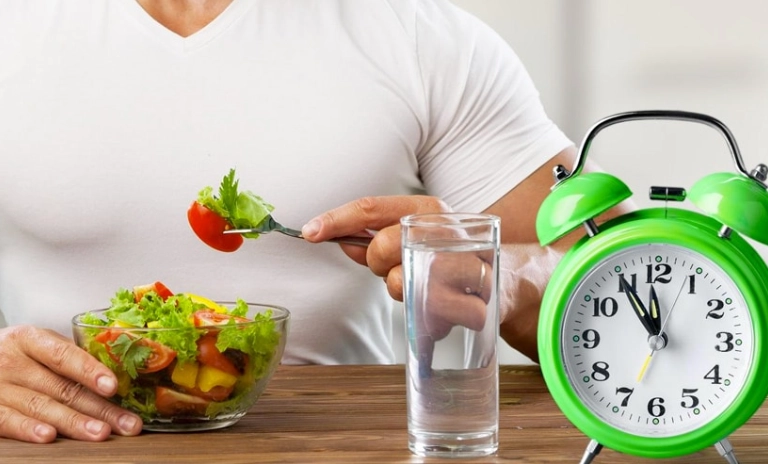
What does a great first meal look like? Scrambled eggs with spinach and avocado. A chicken salad with olive oil dressing. A smoothie with protein powder, berries, and a spoonful of almond butter. Notice what's missing? Refined carbs and sugar taking center stage.
Common Mistakes and How to Avoid Them
After coaching hundreds of women, I see the same patterns.
1. Ignoring Your Cycle
Your follicular phase (after your period) is often when you have more energy and insulin sensitivity. Fasting can feel easier. In the luteal phase (before your period), progesterone rises, increasing appetite and cravings. Fighting this with a strict fast is a battle you'll often lose. Solution: Be flexible. Shorten your fasting window by an hour or two in the week before your period. Honor your body's need for more fuel and carbs.
2. Under-eating During Your Window
"I'm only eating one meal because my window is small." This is a fast track to nutrient deficiencies, muscle loss, and a slowed metabolism. Your body needs a certain amount of nutrients to function. Solution: Plan for at least two balanced, satisfying meals within your eating window. If you're doing 16:8, that could be a substantial lunch and dinner with a small snack if needed.
3. Neglecting Hydration and Electrolytes
Water is crucial, but fasting flushes out electrolytes like sodium, potassium, and magnesium. This leads to headaches, dizziness, and fatigue that people blame on fasting itself. Solution: Drink plenty of water and consider adding a pinch of high-quality sea salt to your water in the morning. Eat magnesium-rich foods (leafy greens, nuts) in your eating window.
Your Practical First Week Plan
Let's make this actionable. Don't overthink week one.
Days 1-3: Implement a 12-hour fast. Finish dinner by 8 PM, eat breakfast at 8 AM. Focus on having a protein-rich breakfast (e.g., Greek yogurt with berries). Drink a large glass of water first thing.
Days 4-7: Gently extend to a 14-hour fast (8 PM to 10 AM). Notice how you feel at 9 AM vs. 10 AM. If you're ravenous at 9:30, eat. The goal is adaptation, not suffering.
Throughout the week: Pay attention to your energy, mood, and sleep quality in a notebook. Did you sleep better? Was your afternoon energy slump less severe? This data is more valuable than the number on the scale.
After a week or two of consistency with 14 hours, and if you feel great, consider trying a 16-hour fast once or twice a week. See how it lands.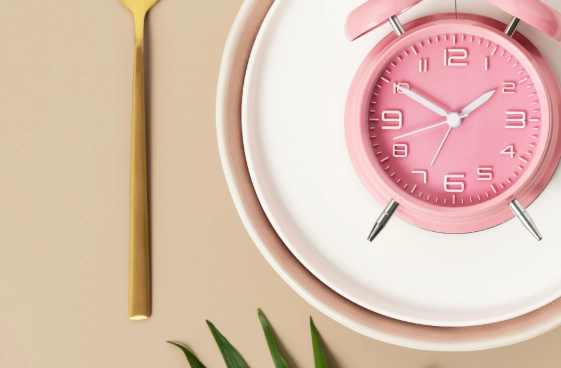
Your Questions, Answered
How does intermittent fasting affect a woman's menstrual cycle?
Intermittent fasting can impact menstrual cycles, but it's often a sign of doing it wrong. If you're eating too few calories, stressing your body with overly long fasts, or not getting enough nutrients during your eating window, your body may perceive this as a threat and downregulate non-essential functions like reproduction. This can lead to irregular periods or amenorrhea. The key is to prioritize a nutrient-dense diet during your eating window, ensure you're not in a severe calorie deficit, and listen to your body. If your cycle becomes irregular, it's a clear signal to ease up, perhaps by shortening your fasting window or increasing your calorie intake. A 14:10 schedule is often a gentler starting point for women sensitive to hormonal shifts.
What is the best intermittent fasting schedule for women over 40?
For women over 40, especially around perimenopause, flexibility and consistency trump intensity. A rigid 16:8 fast might be too stressful. A circadian rhythm fast (13-14 hours overnight, like 7 PM to 8 AM) is highly effective and sustainable. It supports insulin sensitivity and aligns with natural cortisol patterns without adding stress. The 5:2 method (eating normally 5 days, restricting to ~500 calories 2 non-consecutive days) can also work well because it's not daily. The most critical factor is what you eat during your feeding window—focus on protein, healthy fats, and fiber to support muscle mass and stabilize blood sugar, which naturally becomes more challenging with age.
Can I drink coffee with cream during the fasting window?
This is a major point of confusion. Technically, anything with calories (like cream, milk, or sugar) breaks a fast. It triggers an insulin response and shifts your body out of the fasted state. However, for weight loss purposes, a splash of cream or a small amount of MCT oil in your coffee might not derail your progress significantly—it's often called a 'dirty fast.' But if your goal is autophagy (cellular cleanup) or strict metabolic reset, it's best to stick to black coffee, plain tea, or water. My advice: start strict for the first month to truly feel the benefits of a clean fast. After that, if a teaspoon of cream makes the protocol sustainable for you long-term, it's a worthwhile trade-off for adherence.
I feel shaky and irritable when fasting. What am I doing wrong?
Shakiness and irritability are classic signs of hypoglycemia (low blood sugar), and they mean your body isn't efficiently switching to burning fat for fuel. This often happens when you jump into a long fast too quickly or if your last meal was high in refined carbs and sugar. The solution isn't to quit, but to transition smarter. First, work on your last meal before the fast: make it balanced with protein, fat, and complex carbs (like salmon with avocado and roasted vegetables). Second, consider shortening your fasting window and gradually extending it by 15-30 minutes every few days as your body adapts. Finally, ensure you're well-hydrated with electrolytes; sometimes, salt in your water can curb these symptoms dramatically.
The bottom line? Intermittent fasting for women is a powerful tool, but it's not a dogma. Your body's feedback—energy, mood, cycle regularity—is the ultimate metric of success. Start slow, eat well, and be kind to yourself. The goal is a sustainable, healthy relationship with food and your body, not just a smaller number on a scale.
POST A COMMENT