Low-Carb Diet for Women: A Practical Guide to Weight Loss and Hormone Balance
Here's What We'll Cover
Let's be real. You've probably heard about low-carb diets from a friend who dropped 20 pounds or seen Instagram posts about keto transformations. But as a woman, you might be wondering if cutting carbs will leave you tired, hangry, or worse—mess with your hormones. I've been a nutrition coach for over a decade, working mostly with women, and I've seen the good, the bad, and the ugly of low-carb eating. This isn't another generic article repeating the same old tips. We're diving into what actually works for female bodies, based on science and real-world experience.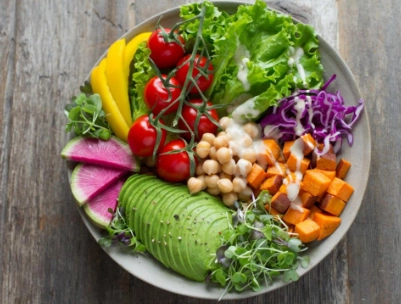
First off, a low-carb diet for women isn't just about skipping bread. It's about adjusting carbohydrate intake to match your unique physiology, activity level, and goals. For many women, reducing carbs can help with weight loss, improve energy, and balance hormones—but only if done right. I'll share some non-obvious insights, like why starting too low in carbs can backfire, and how to tweak your approach during different life stages.
What a Low-Carb Diet Really Means for Women
When people say "low-carb," they often think of ketosis or eating bacon all day. For women, it's more nuanced. Generally, a low-carb diet involves reducing carbohydrates to below 130 grams per day, but the sweet spot varies. The National Institutes of Health notes that low-carb diets can range from 20 to 100 grams daily, depending on the person. For women, I recommend starting on the higher end—around 100-150 grams of net carbs (total carbs minus fiber)—especially if you're new to this or have hormonal concerns.
Why? Women's bodies are more sensitive to energy restriction. Drastically slashing carbs can signal stress, affecting thyroid function and menstrual cycles. I remember a client, Sarah, who jumped into a 30-gram carb plan and her period vanished for two months. We bumped her carbs to 120 grams, added more sweet potatoes, and things normalized. The key is to view carbs as a tool, not an enemy. Focus on quality: vegetables, berries, and legumes over processed snacks.
Quick tip: Net carbs are what matter for most women. Calculate them by subtracting fiber from total carbs. For example, an avocado has 12 grams of carbs but 10 grams of fiber, so it's only 2 grams net carbs—perfect for low-carb eating.
Why Women Respond Differently: Key Benefits
Women often see unique advantages from a well-managed low-carb diet. Here are the big ones:
- Weight loss that sticks: Unlike crash diets, low-carb helps reduce insulin spikes, making it easier to burn fat. A study published in the Annals of Internal Medicine found that low-carb diets led to greater weight loss than low-fat diets over a year. For women with PCOS, this can be a game-changer—lower insulin levels may improve symptoms.
- Better hormone balance: Carbs influence cortisol and estrogen. By stabilizing blood sugar, you might experience fewer mood swings and more regular cycles. I've had clients report less PMS bloating after reducing refined carbs.
- Steady energy: No more 3 PM crashes. Fat becomes a primary fuel source, keeping you energized. But it takes a few weeks to adapt—don't give up too soon.
However, benefits depend on execution. If you're eating too little fat or calories, you'll feel drained. Balance is everything.
How to Start a Low-Carb Diet Without Losing Your Mind
Ready to try? Here's a step-by-step approach I use with my clients. It's simple but effective.
Step 1: Assess Your Current Carb Intake
Track what you eat for three days using an app like MyFitnessPal. Don't judge—just observe. Most women are surprised to find they eat 200-300 grams of carbs daily, mostly from sugars and grains. This baseline helps you set realistic reduction goals.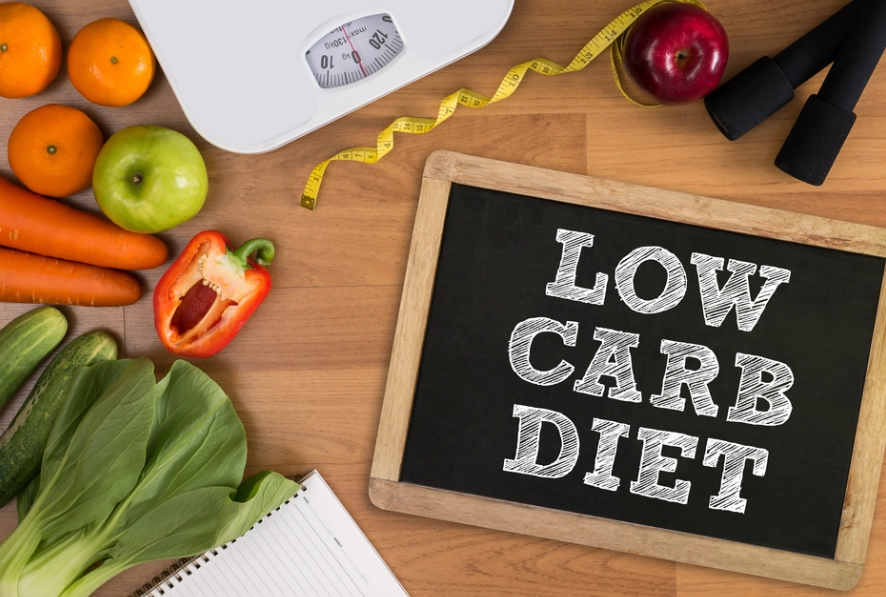
Step 2: Clean Out Your Kitchen
Get rid of obvious carb-heavy foods: sugary cereals, white bread, pasta. But don't toss everything—keep some whole grains if you're transitioning slowly. Stock up on:
- Non-starchy veggies: broccoli, spinach, zucchini
- Protein sources: eggs, chicken, tofu
- Healthy fats: avocado, olive oil, nuts
Step 3: Plan Your Meals Around Protein and Veggies
Build each meal with a palm-sized protein, two fists of vegetables, and a thumb-sized portion of fat. Carbs come from the veggies and maybe a small serving of berries or quinoa. For example, breakfast could be scrambled eggs with spinach and avocado.
I advise starting with two low-carb meals a day, then gradually reducing carbs in the third meal. This eases the transition and reduces side effects like headaches (often called "keto flu").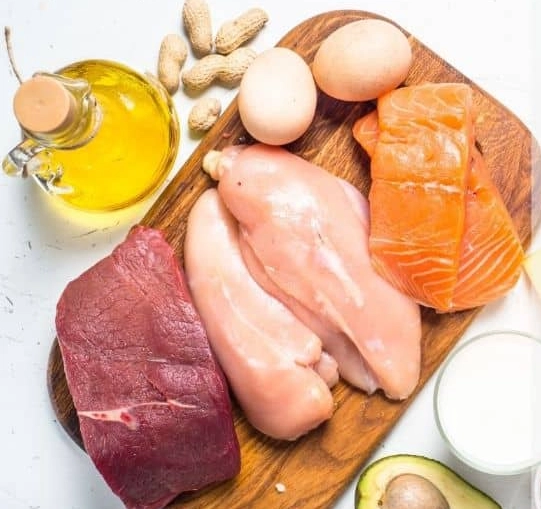
The Mistakes Almost Every Woman Makes (And How to Avoid Them)
After coaching hundreds of women, I've noticed patterns. Here are the top pitfalls:
| Mistake | Why It Happens | How to Fix It |
|---|---|---|
| Cutting carbs too low too fast | Following generic plans meant for men | Start at 100-150g net carbs, adjust weekly |
| Ignoring fiber intake | Focusing only on net carbs, skipping veggies | Aim for 25g fiber daily from greens and seeds |
| Overdoing protein | Thinking more protein equals more weight loss | Balance with fats; excess protein can convert to glucose |
| Not drinking enough water | Low-carb diets have a diuretic effect | Drink 2-3 liters daily, add electrolytes |
Another subtle error: not adjusting for your cycle. During the luteal phase (before your period), you might crave carbs more. It's okay to have an extra sweet potato or some dark chocolate—fighting it can lead to binges later. Listen to your body.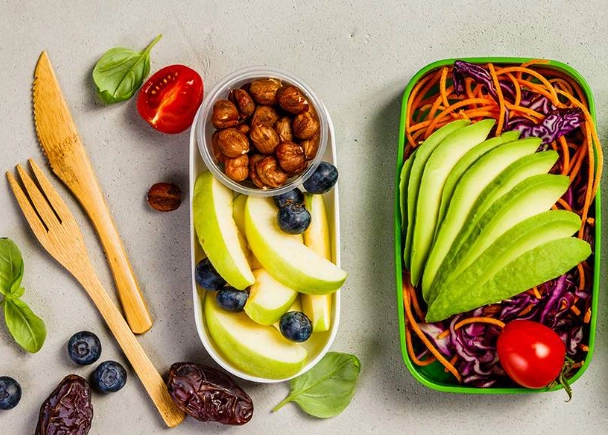
A Sample Low-Carb Week: Meal Ideas That Actually Work
Here's a practical 7-day plan to get you started. It's designed for a woman eating around 120 grams of net carbs daily, with flexibility.
Monday: Breakfast: Greek yogurt with almonds and blueberries. Lunch: Grilled chicken salad with olive oil dressing. Dinner: Salmon with asparagus and cauliflower rice.
Tuesday: Breakfast: Veggie omelet. Lunch: Leftover salmon bowl. Dinner: Beef stir-fry with bell peppers and zucchini noodles.
Wednesday: Breakfast: Smoothie with spinach, protein powder, and avocado. Lunch: Tuna lettuce wraps. Dinner: Baked chicken thighs with broccoli and cheese.
Thursday: Breakfast: Chia pudding with coconut milk. Lunch: Chicken soup with veggies. Dinner: Shrimp skewers with grilled vegetables.
Friday: Breakfast: Scrambled eggs with salsa. Lunch: Big salad with hard-boiled eggs. Dinner: Homemade burger (no bun) with side salad.
Saturday: Breakfast: Bacon and eggs. Lunch: Avocado stuffed with chicken salad. Dinner: Steak with mushroom sauce and green beans.
Sunday: Breakfast: Low-carb pancakes (almond flour). Lunch: Leftover steak slices. Dinner: Roasted turkey with Brussels sprouts.
Snack ideas: cheese sticks, celery with peanut butter, or a handful of olives. Drink plenty of water and herbal tea.
This plan prioritizes whole foods and avoids processed low-carb products, which often contain artificial sweeteners that can disrupt gut health. I learned this the hard way when a client relied on diet sodas and stalled her progress.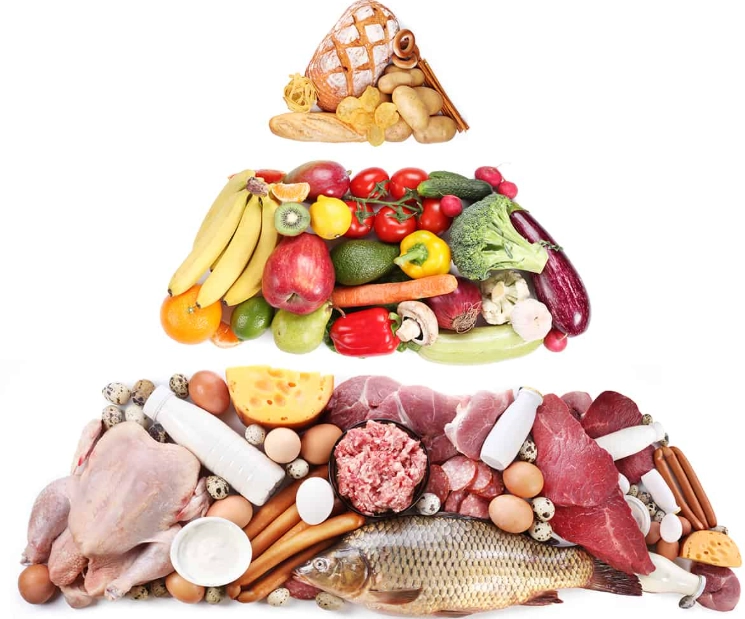
Your Burning Questions Answered
Wrapping up, a low-carb diet for women isn't a quick fix but a sustainable approach when tailored to your needs. Start slow, listen to your body, and don't be afraid to tweak things. Remember, the goal is health, not perfection. If you have underlying conditions, consult a healthcare provider—but for most women, this guide should give you a solid foundation to thrive on low-carb eating.
POST A COMMENT