High-Protein Diet for Women: Benefits, Meal Plan & Common Mistakes
Let's cut through the noise. High-protein diets aren't just for bodybuilders or men trying to get shredded. For women, the story is different, more nuanced, and honestly, more interesting. It's not about choking down dry chicken breast six times a day. It's about leveraging protein to feel stronger, more satisfied, and to support a body that goes through hormonal cycles men will never understand.
I've seen clients transform their relationship with food by getting protein right. I've also seen them hit frustrating plateaus, feel bloated, or lose their period because they followed generic advice that ignored female physiology. The difference between success and struggle often comes down to a few key, rarely discussed details.
What's Inside? Your Quick Guide
Why Protein Hits Different for Women
Sure, protein builds muscle for everyone. But for women, the benefits run deeper. After 30, we naturally start losing muscle mass at a rate of about 3-8% per decade—a process called sarcopenia. This isn't just about looking "toned." It's about metabolism, bone density, and functional independence as we age. Protein is the primary tool to slow that down.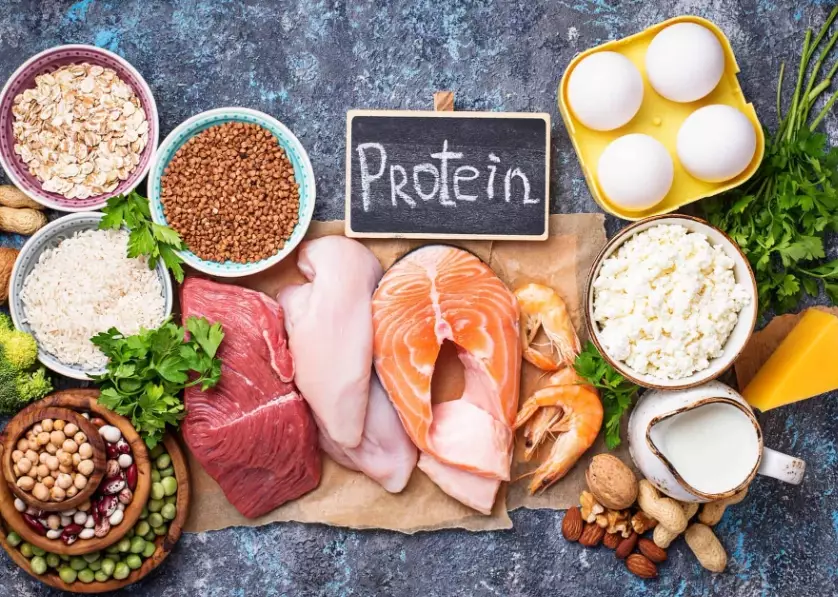
Then there's satiety. Protein is the most filling macronutrient. For women who are constantly battling hunger cues or thinking about their next meal, nailing protein intake can be a game-changer for managing portions without white-knuckling it.
Here's the subtle point most miss: Protein's role in blood sugar stabilization is huge for women. Stable blood sugar means fewer energy crashes, less intense cravings (especially pre-menstrual), and a more even mood. It's foundational hormonal support that doesn't come in a supplement bottle.
And let's talk about the life stages: pregnancy, breastfeeding, perimenopause. Each phase increases protein demands. During perimenopause, for instance, the body becomes less efficient at using protein to build muscle. You need more of it to get the same effect. Ignoring this is why many women feel their body changing rapidly and don't know how to respond.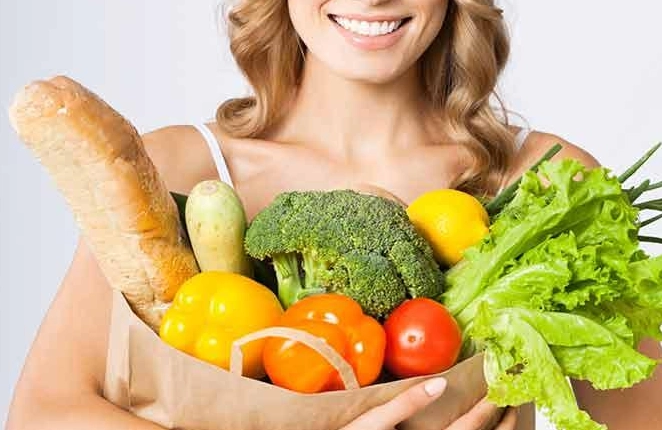
How Much Protein Do You *Actually* Need?
Forget the outdated RDA of 0.8g per kg of body weight. That's a minimum to prevent deficiency, not an optimum for thriving. For an active woman with goals around body composition, energy, and longevity, the science points higher.
A good target range is 1.6 to 2.2 grams of protein per kilogram of body weight. Let's break that down for a 68 kg (150 lb) woman:
- Minimum active target: 68 kg x 1.6 g = ~109 grams of protein daily.
- Higher end for muscle building/fat loss: 68 kg x 2.2 g = ~150 grams of protein daily.
Don't panic at the higher number. You don't need to start there. Begin at the lower end of the range and see how you feel. Are you fuller for longer? Do you recover better from workouts? Then you're on the right track.
The real hack is distribution. Your body can only use so much protein at once for muscle synthesis (about 20-40g per meal). So, eating 80g at dinner and 20g the rest of the day is inefficient. Aim for 25-40g per meal, across 3-4 meals.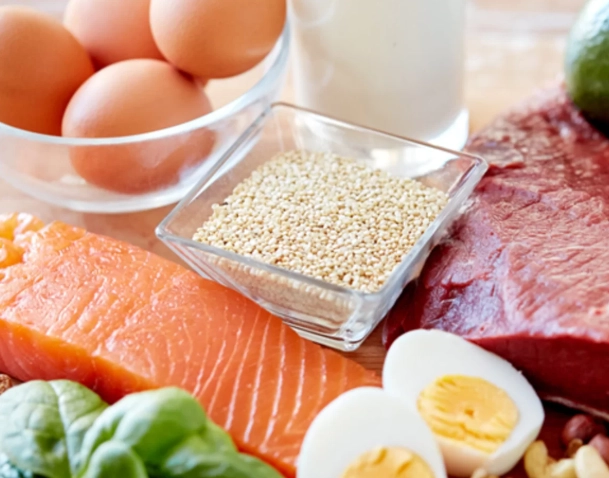
Your Go-To Protein Source Checklist
Not all proteins are created equal. We talk about "complete" proteins (containing all nine essential amino acids) and "incomplete" ones. Animal sources are typically complete, while plant sources often need to be combined.
| Food Source | Approx. Protein (per common serving) | Notes & Tips for Women |
|---|---|---|
| Chicken Breast (120g cooked) | 36g | Lean staple. Try slow-cooking or marinating to avoid dryness. |
| Salmon (120g cooked) | 25g | Adds omega-3s, crucial for inflammation and hormones. Don't skip the fat. |
| Greek Yogurt (200g pot) | 18-20g | Go for plain. The probiotic benefit is a bonus for gut health. |
| Lentils (1 cup cooked) | 18g | Packed with fiber. Great for plant-based days. Combine with rice. |
| Tempeh (85g) | 16g | Fermented, easier to digest. Great plant-based protein source. |
| Eggs (2 large) | 12g | Perfect package of protein and fats. Don't skip the yolk—it's nutrient-dense. |
| Protein Powder (1 scoop) | Convenient, but prioritize whole foods first. Whey isolate digests quickly for post-workout. |
Expert Tip: Don't neglect leucine. This specific amino acid is a key trigger for muscle protein synthesis. Animal proteins, eggs, and dairy are rich in leucine. If you're plant-based, you'll need to eat a larger volume of protein sources like lentils, beans, and nuts to get enough leucine. Consider a leucine supplement if needed.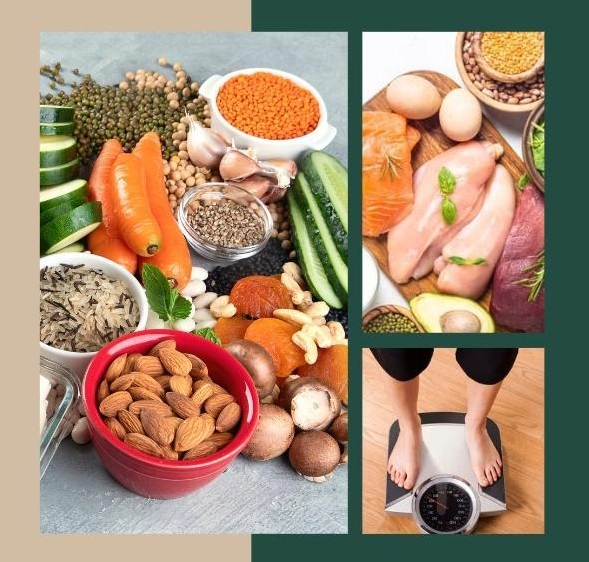
A Realistic High-Protein Day on Your Plate
Let's make this tangible. Here's what a high-protein day could look like for our 68kg woman, aiming for around 120 grams:
- Breakfast: 2 eggs + 3 egg whites scrambled with spinach and 1 cup of Greek yogurt.
- Lunch: 120g grilled chicken breast over a large salad with chickpeas and quinoa.
- Snack: Protein shake with 1 scoop of whey or plant protein + a handful of berries.
- Dinner: 120g salmon with a side of broccoli and lentils.
See? It's not six chicken breasts and a dozen eggs. It's manageable and varied. The key is including a solid protein source with every meal.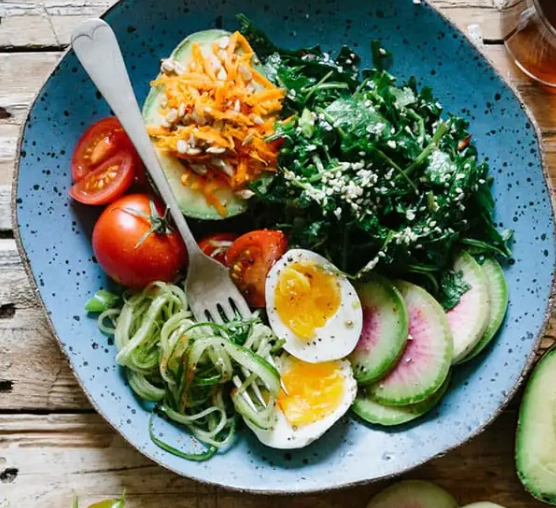
How to Make This Work in Real Life (Not Just on Instagram)
Planning is everything. I tell clients to prioritize protein at every meal. That chicken breast, those eggs, that tempeh block—they need to be the stars of your plate. Fill the rest with fibrous vegetables and healthy fats. This simple framework eliminates decision fatigue.
Batch-cook your main protein sources. Grill a few chicken breasts, bake a tray of salmon, or cook a pot of lentils. Having them ready in the fridge makes hitting your protein target effortless.
Don't fear fat. Healthy fats from salmon, eggs, and nuts are crucial for hormone production and satiety. A high-protein diet doesn't mean it should be ultra-low-fat.
3 Mistakes You're Probably Making
1. Ignoring Fiber and Hydration
This is the biggest one. All that protein needs water to be processed, and without enough fiber, constipation is a real risk. For every portion of protein, aim for at least two portions of fibrous vegetables. Drink water consistently throughout the day.
2. Eating All Your Protein at Dinner
Spacing your protein intake evenly across the day is far more effective for muscle synthesis and controlling hunger than having one huge protein-heavy meal. Spread it out.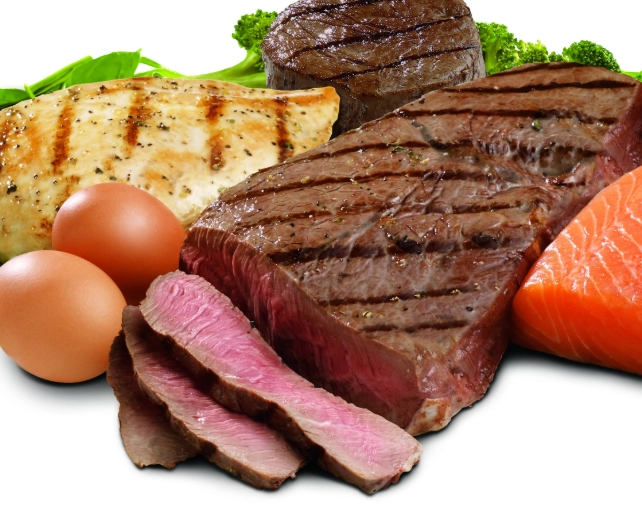
3. Neglecting Carbohydrates
Especially for active women, carbs are fuel. Severely restricting carbs while increasing protein can backfire, leading to hormonal disruptions, fatigue, and poor workout recovery. Include complex carbs like sweet potatoes, quinoa, and fruits around your workouts.
Your Questions, Answered
Will eating more protein make me bulky?
No. Women have significantly lower testosterone levels than men, making it much harder to build large amounts of muscle mass. A higher protein intake supports muscle recovery and a leaner, more toned physique, but it won't lead to "bulking up" in the way many fear.
Can I get enough protein on a vegetarian or vegan diet?
Absolutely, but it requires more strategic planning. Plant-based proteins are often incomplete, meaning you need to combine different sources (like beans and rice) throughout the day to get all the essential amino acids. You'll likely need to eat a larger volume of plant-based protein sources to meet your targets, so planning meals and incorporating protein-rich plants like lentils, tempeh, and hemp seeds is key.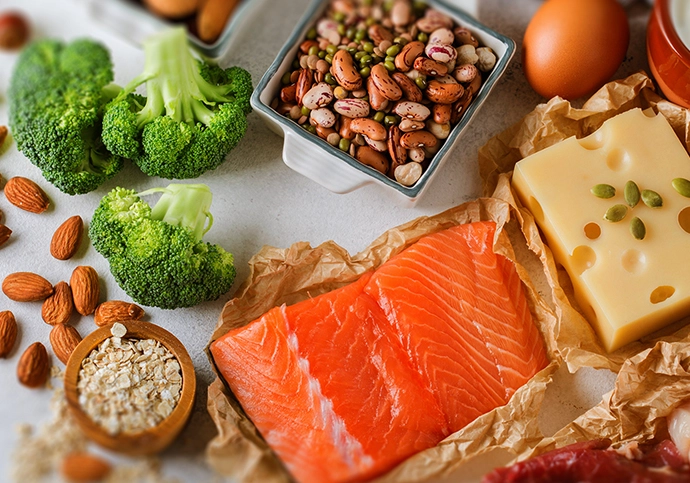
What are the best high-protein snacks for women?
Focus on whole-food options that combine protein with fiber or healthy fats for sustained energy. Greek yogurt with berries, a hard-boiled egg, a handful of almonds, or cottage cheese with fruit are all excellent choices. A protein shake can be convenient but shouldn't be your only snack option.
How does a high-protein diet affect weight loss for women?
Protein increases satiety, meaning you feel fuller for longer. This can naturally lead to eating fewer calories overall. Protein also has a higher thermic effect than carbs or fats, meaning your body burns more calories digesting it. Combined with strength training, adequate protein helps preserve lean muscle mass while you lose fat, leading to a better body composition and preventing metabolic slowdown.
Ultimately, a high-protein diet for women isn't about extremes or deprivation. It's a strategic approach to eating that supports stable energy, hormonal balance, and maintaining muscle mass as you age. Listen to your body, prioritize whole foods, and give yourself time to adjust. The long-term benefits for your health, energy levels, and body composition are absolutely worth it.
POST A COMMENT