Cardio Exercises for Women: The Ultimate Guide for Beginners to Advanced
Let's be real. The term "cardio" can feel like a chore. It conjures up images of endless, sweaty treadmill sessions or that soul-crushing feeling of trying to keep up with a perky instructor in a packed class. But what if I told you that cardio for women doesn't have to be a punishment? What if it could be, dare I say, enjoyable? Or at the very least, something you can fit into your life without wanting to cry?
I've been there. I used to think running was the only "real" cardio. I'd force myself out the door, my knees would protest, and I'd spend the whole time watching the clock. It felt awful, and I dreaded it. It took me years (and a few minor injuries) to realize that cardio is a huge, diverse world. The key is finding the movements that match your body, your schedule, and—this is important—your personality.
The Core Idea: The best cardio exercise for any woman is the one she will consistently do. Consistency beats intensity every single time.
This guide is here to cut through the noise. We're going to ditch the one-size-fits-all approach. Whether you're just starting out, coming back after a break, or you're a fitness veteran looking to mix things up, there's a path here for you. We'll talk about the science (in plain English, I promise), the practical how-tos, and the little tweaks that make all the difference.
Why Cardio is Non-Negotiable for Women's Health
Before we jump into the exercises, let's quickly talk about the "why." It's more than just burning calories or fitting into jeans. The benefits are profound, especially for women.
First and foremost, it's about your heart. Cardiovascular disease is a leading cause of death for women, a fact that often gets overshadowed. Regular cardio strengthens your heart muscle, improves circulation, and helps manage blood pressure and cholesterol. The American Heart Association recommends at least 150 minutes of moderate-intensity aerobic activity per week. That's your baseline for a healthy heart.
Then there's the mental health magic. Ever heard of a runner's high? It's real. Cardio releases endorphins, those feel-good chemicals that combat stress, anxiety, and even symptoms of depression. On days when my brain feels like a browser with 50 tabs open, a brisk walk or a dance session does more for me than any meditation app ever could (and I like those, too).
It also builds a resilient, functional body. It improves bone density (crucial as we age), boosts energy levels by improving your body's oxygen use, and can even help regulate hormones and improve sleep quality. So yeah, it's kind of a big deal.
Your Personal Cardio Blueprint: Picking the Right Type
Not all cardio is created equal. Think of these as different tools in your toolbox. You wouldn't use a hammer to screw in a lightbulb, right? Same idea here.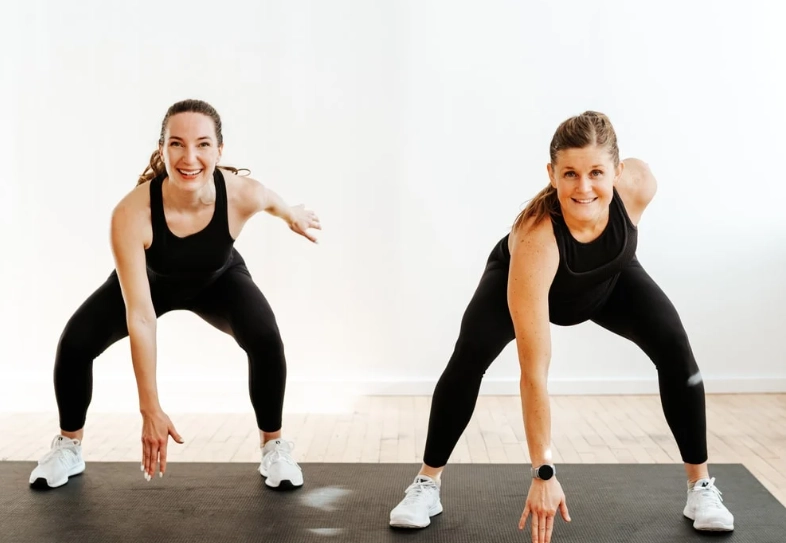
Low-Impact Cardio: The Joint-Friendly Foundation
This is where I recommend most beginners start, and it's a lifesaver for anyone with cranky knees, hips, or back. Low-impact means one foot is always on the ground (or the equipment), minimizing stress on your joints.
- Brisk Walking: The most underrated exercise ever. Don't scoff. Put on a good podcast or call a friend, aim for a pace where talking is possible but singing is difficult, and you're golden. It's free, accessible, and incredibly effective for building a base.
- Elliptical Trainer: It mimics running without the pounding. Great for a full-body motion if you use the moving handles.
- Swimming or Water Aerobics: The water's buoyancy supports your body, making this the ultimate zero-impact workout. It's also fantastic for active recovery days.
- Cycling (Stationary or Outdoor): Spinning is a classic for a reason. It builds serious leg strength and cardiovascular endurance. Just make sure your bike seat is adjusted properly—a bad setup can cause more problems than it solves.
My Take: I personally think everyone should have a low-impact cardio option they enjoy. For me, it's hiking. It's walking, but way more interesting. The changing terrain keeps my mind engaged, and being in nature adds its own layer of stress relief. Find your version of this.
High-Impact Cardio: The Power Builder
These involve moments where both feet are off the ground. They're great for building bone density and explosive power, but they demand more from your joints and connective tissues. A solid foundation of strength and stability is key before you go hard here.
- Running/Jogging: The classic. It's efficient and can be very meditative. But please, invest in good shoes and don't increase your mileage too quickly. I learned that the hard way with shin splints.
- Jump Rope: An insane calorie burner and coordination challenge. Start with short intervals. Your calves will scream, but they'll also thank you later.
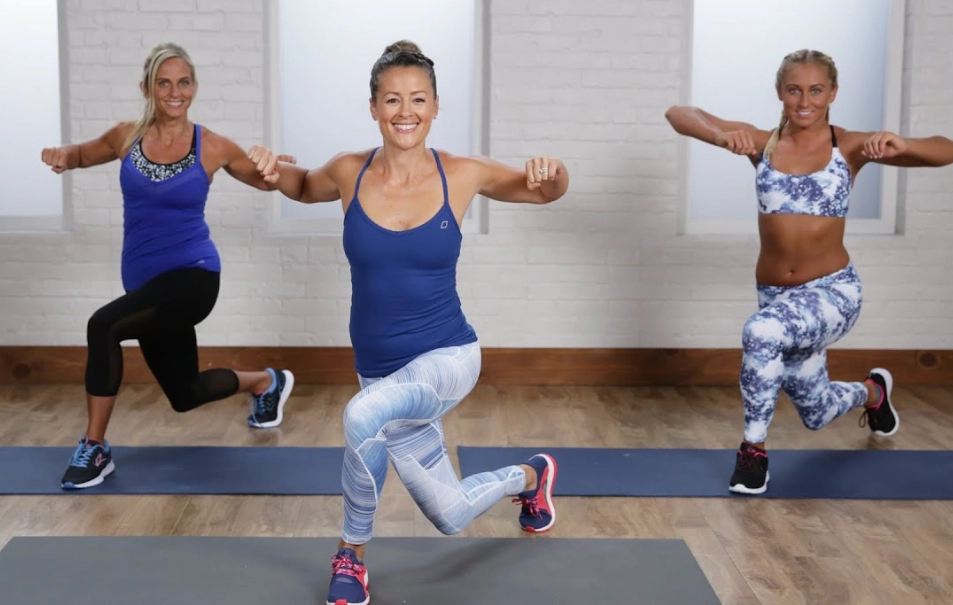
- High-Intensity Interval Training (HIIT): This isn't a single exercise, but a method. Short bursts of all-out effort (like sprinting, burpees, or jump squats) followed by brief rest. It's brutally efficient. The American Council on Exercise notes its time-effectiveness, but also cautions that proper form is critical to avoid injury.
- Dance Cardio: Zumba, hip-hop cardio, you name it. If you love music and movement, this feels like play, not work. The coordination aspect is a great brain workout too.
Which Type is Right For You? Let's Break It Down.
Ask yourself these questions:
- What's your current fitness level? New? Stick with low-impact to build consistency and avoid injury.
- What are your goals? General health? Mix of low and moderate. Weight loss? Incorporate some HIIT. Training for an event? That dictates your type (e.g., running for a 5k).
- What do you actually enjoy? Seriously, this is the most important filter. If you hate it, you won't do it.
- Do you have any injuries or joint concerns? Let this guide you. Low-impact is your friend.

Top Cardio Exercises for Women You Can Do Anywhere
Okay, let's get practical. Here are some of the most effective and versatile cardio exercises for women, categorized by where you can do them. No fancy equipment needed for most.
Pro Tip: Always warm up for 5-10 minutes with dynamic stretches (leg swings, arm circles, torso twists) and cool down with static stretches. It's boring but non-negotiable for staying injury-free.
Home & No-Equipment Champions
These are perfect for busy days, bad weather, or when you just don't want to leave the house.
| Exercise | How To Do It | Best For | Watch Out For |
|---|---|---|---|
| Marching/Jogging in Place | Lift your knees high, pump your arms. To intensify, move to a jog, lifting heels toward glutes. | Absolute beginners, warm-ups. | Keep your core engaged to avoid arching your back. |
| High Knees | Run in place, driving knees up to waist level as fast as you can. | HIIT intervals, boosting heart rate fast. | Land softly on the balls of your feet. Don't slam your heels. |
| Butt Kicks | Jog in place, trying to kick your heels up to touch your glutes with each step. | Warming up hamstrings, active recovery. | Don't lean forward. Stay tall. |
| Jumping Jacks | Classic! Jump feet wide while circling arms overhead, then jump back together. | Full-body warm-up, cardio intervals. | Modify by stepping side-to-side instead of jumping if impact is an issue. |
| Mountain Climbers | Start in a high plank. Drive one knee toward your chest, then switch quickly, as if running in place. | Core strength + cardio, HIIT finishers. | Keep your hips level and don't let them sag. Go for control over speed at first. |
You can string these together in a circuit. Try 30 seconds of work, 15 seconds of rest, moving through 4-5 exercises. Repeat 3-4 times. There's a 20-minute workout right there.
Gym & Equipment-Based Powerhouses
If you have access to a gym or home equipment, these machines offer structured intensity.
- Treadmill: Beyond running, try incline walks. Set the treadmill to a 5-10% incline and walk at a brisk pace. It torches calories and builds glute strength with less impact than running. My personal favorite for getting a great workout without feeling like I'm dying.
- Rowing Machine: This is the unsung hero of the gym. It's a phenomenal full-body, low-impact cardio exercise. The catch? Most people do it wrong. The power should come 60% from your legs, 20% from your core lean-back, and 20% from your arms pulling. When done right, it's brutally effective.
- Stair Climber/StepMill: Pure leg and lung burner. Focus on taking full steps, not tippy-toe half-steps. Hold onto the rails for balance only, not to support your weight, or you'll cheat yourself.
- Stationary Bike (Spin Bike): The king of controlled intensity. You can do steady-state rides, hill climbs (increasing resistance), or sprint intervals. Just make sure your form is on point to protect your knees.
Structuring Your Weekly Cardio Plan
Random workouts yield random results. Having a loose plan helps. Here’s a sample week for different levels. Remember, these are templates—adjust based on how you feel!
Listen to Your Body: Some days you'll feel like a superhero, other days you'll feel drained. It's okay to swap a hard HIIT day for a gentle walk. Consistency over perfection, always.
Beginner's Week (Just Starting Out)
- Monday: 20-minute brisk walk (outside or treadmill).
- Tuesday: Rest or gentle stretching.
- Wednesday: 15-minute stationary bike at a moderate, conversational pace.
- Thursday: Rest.
- Friday: 20-minute walk or beginner dance cardio video on YouTube.
- Weekend: One day of active rest (gentle gardening, leisurely bike ride), one day full rest.
Goal: Build the habit. Focus on how you feel after, not the numbers.
Intermediate Week (Comfortable with 30+ minutes of cardio)
- Monday: 30-minute run or elliptical session (steady pace).
- Tuesday: 25-minute HIIT session (e.g., 30s sprint/60s walk x 10 rounds).
- Wednesday: Active Recovery – 30-minute swim or leisurely cycle.
- Thursday: 35-minute incline walk on treadmill (5% incline).
- Friday: Rest.
- Saturday: 40-minute fun activity (hike, dance class, playing a sport).
- Sunday: Rest or light stretching.
Advanced Week (Looking for a challenge)
- Monday: 45-minute tempo run (sustained, challenging pace).
- Tuesday: 30-minute intense HIIT (e.g., Tabata: 20s all-out, 10s rest x 8 rounds).
- Wednesday: 45-minute rowing machine workout (mix of steady state and intervals).
- Thursday: Strength Training (focus on legs & core to support your cardio).
- Friday: 50-minute cycling class or outdoor ride with hills.
- Saturday: Long, slow distance (60+ minute run, hike, or bike).
- Sunday: Complete rest or very light mobility work.
See the mix? It's about varying intensity and type to challenge your body in different ways and prevent plateaus (and boredom).
Common Questions About Cardio Exercises for Women
Let's tackle some of the specific questions that pop up all the time. These are the things you might be too embarrassed to ask in a gym.
Should I do cardio on an empty stomach?
This is a hot topic. The theory is you'll burn more fat. The reality? It might lead to lightheadedness, lower performance, and you might just end up ravenous later, overeating. For most women, especially for moderate-intensity sessions, having a small snack (like a banana or a handful of nuts) 30-60 minutes before is a better bet for sustained energy. Save the fasted cardio for very light sessions if you want to experiment, and always drink water.
How do I deal with my period?
Your energy levels will fluctuate with your cycle, and that's normal. During your period, gentle movement like walking, yoga, or light cycling can actually help with cramps and mood. Listen to your body—some days you'll crush a workout, others you'll need to dial it back. It's not laziness; it's biology. The CDC's guidelines for physical activity emphasize that any movement is beneficial, so be kind to yourself.
I'm losing weight, but not seeing changes. Why?
This is so common and frustrating. First, the scale is a liar sometimes. You could be losing fat and gaining muscle, which is denser. Take measurements and notice how your clothes fit. Second, nutrition is 80% of the weight loss equation. You can't out-run a bad diet. And third, your body adapts. If you've been doing the same 30-minute run at the same pace for 3 months, your body has gotten efficient at it. Shake things up! Add intervals, try a new machine, increase the incline, or lift some weights. Strength training is crucial for changing your body composition.
Is it okay to do cardio every day?
It depends on the intensity. Light to moderate cardio (like walking) every day is generally fine for most people. But high-intensity cardio every day is a recipe for burnout, overtraining, and injury. Your body needs time to repair and rebuild. Aim for 1-2 true rest days per week, and make sure some of your cardio days are lower intensity. More is not always better.
The Mindset Shift: Making Cardio Stick
The final piece of the puzzle is in your head. Here’s how to make cardio a sustainable part of your life, not a temporary punishment.
Pair it with pleasure. Only allow yourself to listen to your favorite podcast or audiobook during your cardio sessions. Suddenly, you might look forward to that time.
Focus on feeling, not burning. Instead of staring at the calorie counter on the machine, tune into your body. How does your breath sound? Can you feel your heart pumping? Do you feel stronger than last week? This internal focus is way more powerful.
Embrace the off days. Rest is part of the process, not a failure. On rest days, you're not being lazy; you're allowing your muscles to rebuild and your energy stores to replenish. This is when you actually get stronger.
Finding the right cardio exercises for women is a personal journey. It's about experimentation, patience, and a healthy dose of self-compassion. Ditch the "shoulds" and start exploring what makes you feel strong, energized, and alive. That's the workout worth doing.
Now, go find your move.
POST A COMMENT