Stay-at-Home Mom Wellness: Your Ultimate Guide to Mind, Body & Balance
Quick Navigation
Let's be real for a second. When someone says "stay-at-home mom wellness," what's the first thing that pops into your head? Maybe a quick meditation app you never open, or feeling guilty for wanting an hour to yourself. I used to think that way too. I'd see those picture-perfect Instagram posts about "mommy self-care" and just roll my eyes. It felt like another item on the endless to-do list, another standard I was failing to meet.
But after hitting a wall of exhaustion a few years ago – the kind where you're crying in the pantry over spilled cereal – I realized something. This isn't about scented candles and bubble baths (though those are nice). Real wellness for a stay-at-home mom is about building a sustainable life where you don't feel like you're running on empty by 10 AM. It's about the mind, the body, the unspoken emotional labor, and finding tiny pockets of peace in the chaos. It's the difference between surviving your days and actually finding moments of joy in them.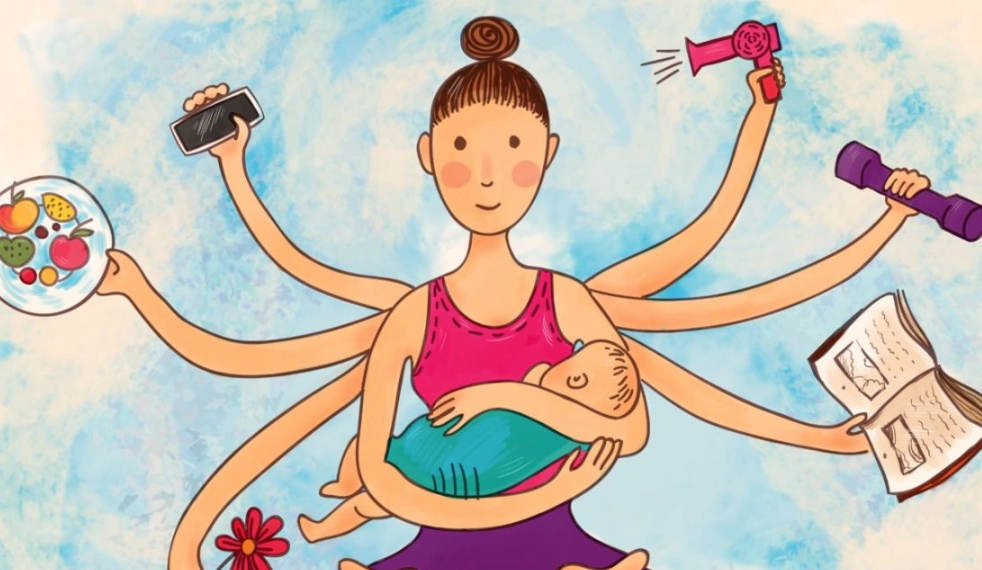
This guide is what I wish I had back then. No fluff, no unrealistic expectations. Just practical, tried-and-tested strategies for building a wellness routine that actually sticks, even when the kids are sick, the laundry is overflowing, and you can't remember the last time you drank a hot cup of coffee.
Here's the honest truth they don't always say: Ignoring your own stay-at-home mom wellness doesn't make you a better mom. It just makes you a tired, resentful, and burned-out one. Putting your own oxygen mask on first isn't selfish; it's the only way you'll have the capacity to care for everyone else.
Redefining Wellness: It's More Than Just "Me Time"
We need to blow up the old definition. Wellness isn't one thing. For the stay-at-home mom, it's a wobbly, interconnected four-legged stool. If one leg is short, the whole thing tips over.
The Mental & Emotional Leg
This is the big one. The isolation can be deafening. The mental load of remembering every appointment, meal, and grocery item is immense. Your sense of identity can get fuzzy when your primary title is "[Child's Name]'s Mom."
I remember vividly feeling like a ghost of my former self. I'd meet someone new and have nothing to talk about except my toddler's latest milestone. It was depressing.
Combatting isolation is key. This doesn't always mean in-person playdates (which can be more work than relaxation). It could be a text thread with other mom friends where you vent, a Facebook group for SAHMs in your city, or even listening to a podcast that makes you feel less alone. The American Psychological Association has resources on managing stress and isolation that are worth a look, especially their sections on building social connections.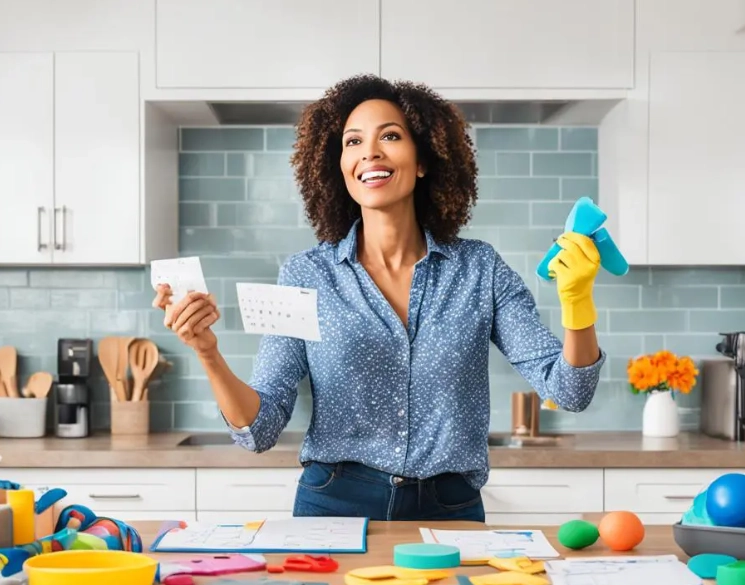
The Physical Health Leg
This isn't about "bouncing back" or fitting into pre-pregnancy jeans. It's about energy and strength. Can you lift a toddler and a grocery bag without your back protesting? Do you have the stamina to get through a day of parenting without crashing?
Exercise for stay-at-home mom wellness looks different. It might be a 15-minute YouTube yoga video during nap time, a brisk walk with the stroller, or doing squats while you brush your teeth. The goal is movement, not marathon training.
Nutrition is another beast. It's so easy to survive on your kids' leftovers – chicken nuggets and half-eaten apple slices. Planning is everything, even if it's simple. I started washing and chopping veggies the second I got home from the store. If they're ready to go, I'm way more likely to eat them.
The Social & Identity Leg
Who are you outside of "Mom"? It's a question that can quietly cause a lot of angst. Nurturing this part of your stay-at-home mom wellness is about maintaining threads to your old self or discovering new ones.
It could be keeping up with a hobby, even in a micro way. Love reading? Try an audiobook while you fold laundry. Miss your career? Listen to a relevant podcast or take an online short course to keep your skills from getting rusty. Have a side hustle idea? Brainstorm it for 20 minutes a week. It's not about making money immediately; it's about flexing a different part of your brain.
The Practical & Environmental Leg
Your wellness is deeply tied to your environment. A perpetually messy, chaotic home can be a huge stressor. But the thought of "keeping a perfect house" is a recipe for guilt. The trick is systems, not standards.
This is where a little bit of boring planning pays off in mental peace. A simple meal plan for the week eliminates the 5 PM "what's for dinner?" panic. A basic cleaning schedule (e.g., bathrooms on Monday, vacuuming on Tuesday) means the house never spirals into complete disaster, and you don't waste energy deciding what to clean.
The Stay-at-Home Mom Wellness Toolkit: Practical Strategies That Actually Work
Okay, so we know the areas. How do we actually *do* this? Let's get tactical.
Time Management That Bends to Your Reality
Forget rigid schedules. With kids, interruptions are the schedule. The key is time-*blocking*, not time-*lining*.
Block out your day in large, flexible chunks: Morning Block (get everyone fed/dressed), Activity Block (park, errands, play), Quiet/Nap Block (your sacred time), Afternoon Block, Evening Routine Block. Within those blocks, you have a list of 2-3 things you'd *like* to accomplish. If you only get to one, that's fine. The block held, and you did something.
Your wellness activities get plugged into these blocks. A 10-minute meditation during Quiet Block. A workout video during Morning Block before the kids wake up. Reading a chapter of a book during Afternoon Block while the kids have quiet time.
And for heaven's sake, lower your expectations. I used to think I needed a full hour to do anything worthwhile for myself. Now I operate on the "5-Minute Rule." If I have 5 minutes, I can do one thing: stretch, deep breathe, write in my gratitude app, drink a glass of water mindfully. These micro-moments add up.
Movement & Nutrition Made Simple
Let's make this stupidly easy. You don't need a gym membership or a personal chef.
For movement, here's a quick comparison of options that fit into a SAHM's life:
| Activity Type | Time Needed | Equipment Needed | Wellness Benefit | My Personal Take |
|---|---|---|---|---|
| Stroller Walks/Runs | 20-45 min | Stroller, good shoes | Cardio, fresh air, kid is contained | The ultimate two-for-one. Gets the wiggles out for them, endorphins for you. |
| At-Home YouTube Workouts | 10-30 min | Phone/tablet, maybe a mat | Strength, flexibility, convenience | So many free options. I like ones labeled "no equipment" and "mom friendly." |
| "Activity Stacking" | Throughout the day | None | Maintains mobility, builds habit | Do calf raises while washing dishes. Squats while waiting for the microwave. It works. |
| Dance Party | 5-15 min | Music speaker | Cardio, mood booster, fun with kids | My kids' favorite. Crank up the tunes and go silly. Instant mood reset for everyone. |
For nutrition, batch cooking is a game-changer, but even that can sound daunting. Start smaller. Cook double portions of dinner and eat the leftovers for lunch. Keep healthy, grab-and-go snacks visible: hard-boiled eggs, cheese sticks, nuts, pre-cut fruit. Hide the kid snacks you tend to mindlessly eat in a hard-to-reach cupboard. Out of sight, out of mind (mostly).
The CDC's nutrition resources offer science-backed, non-fad advice on building a healthy plate, which is more sustainable than any restrictive diet.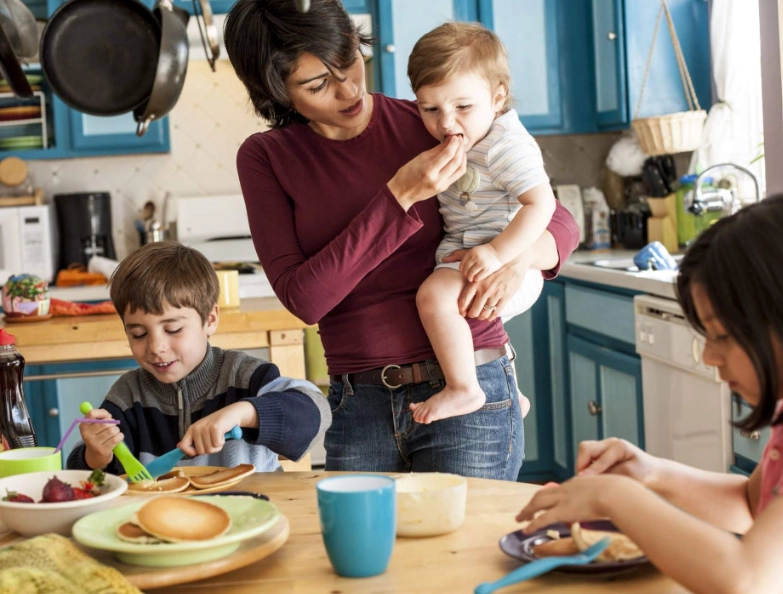
Building Your Mental Fortress
This is about daily practices that protect your peace. Mindfulness doesn't have to be sitting cross-legged for an hour. It can be taking three deep, intentional breaths before responding to a tantrum. It's noticing the feeling of warm water on your hands while doing dishes, instead of just rushing through the chore.
Gratitude practice is cliché for a reason – it works. But don't just list "my family, my home." Get specific. "I'm grateful for the quiet five minutes I had with my coffee this morning." "I'm grateful my toddler finally said 'please.'" It trains your brain to scan for good.
Setting boundaries is critical for stay-at-home mom wellness. This means boundaries with your kids ("Mommy is going to read her book for 15 minutes now, please play quietly"), with your partner (clearly communicating what you need help with), and with the outside world (saying no to extra commitments that drain you).
Navigating Common Roadblocks & Pitfalls
We all hit walls. Here's how to climb over them.
The Guilt Trip: This is the biggest one. The voice that says, "You shouldn't need a break," or "Taking time for yourself is taking time away from them." Here's my counter-argument: What model are you setting for your children? That mothers are martyrs with no needs? Or that self-care is a normal, healthy part of life? When my daughter sees me doing my stretches, sometimes she joins in. That's a powerful lesson.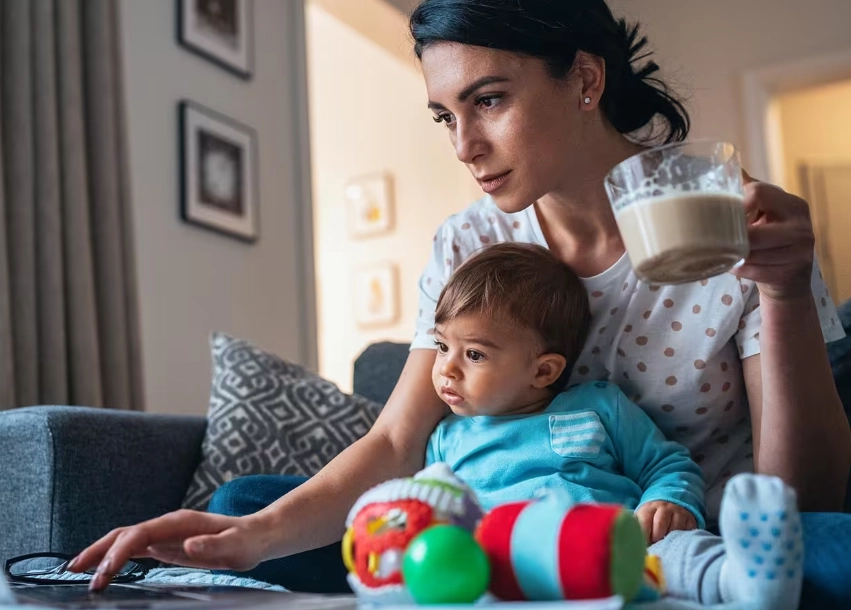
Lack of Time: It's not a lack of time; it's a surplus of demands. You have to claim the time, even if it's tiny. Get up 20 minutes earlier. Use part of nap time for YOU, not just chores. Ask your partner to take over for 30 minutes when they get home so you can decompress. Trade babysitting hours with a friend.
Financial Constraints: Real stay-at-home mom wellness doesn't require money. Nature walks are free. Library books and apps are free. Bodyweight exercises are free. Deep breathing is free. The internet is full of free workout channels and meditation guides. Don't let a tight budget be an excuse.
Inconsistent Motivation: Some days you just won't feel like it. On those days, go even smaller. Commit to just putting on your workout clothes. Or just sitting on your meditation cushion for one minute. Often, starting is the hardest part. And forgive yourself when you skip entirely. Tomorrow is a new block on the schedule.
Building Your Support System: You Can't Do This Alone
Wellness is not a solo mission. Trying to do it all alone is the fastest path to burnout.
Partner Communication: Don't expect your partner to read your mind. Use clear, non-accusatory language. "I'm feeling really drained. Would you be able to handle bath time and bedtime stories tonight so I can have an hour to recharge?" Frame it as a need for the team's success, not a personal failing.
Finding Your Tribe: Other stay-at-home moms get it in a way others can't. Look for local groups on Meetup.com or Facebook. Strike up conversations at the playground or library story time. It's awkward, I know. But one real connection can make a world of difference. Online communities can be a lifeline too, especially for those in rural areas or with niche interests.
Professional Help: There is zero shame in seeking therapy. The transition to motherhood is massive. The isolation is real. A therapist provides a confidential, judgment-free space to untangle your thoughts. It's a tool, not a verdict. Resources like those from the National Institute of Mental Health can help you understand signs of depression or anxiety that go beyond everyday stress.
Stay-at-Home Mom Wellness: Your Questions, Answered
Let's tackle some of the real, nitty-gritty questions that keep coming up.
You don't. Not in any formal way. In the newborn survival phase, wellness has one definition: rest and basic sustenance. Your "routine" is: sleep when the baby sleeps (forget the laundry), drink water every time you nurse or feed, eat whatever nutritious food you can get your hands on (accept all meal offers!), and ask for help with everything else. Thinking about a "routine" right now will just stress you out. This phase is temporary. Survival is the goal.
Start with curiosity, not a grand quest. Ask yourself tiny questions: "What did I used to enjoy doing before kids that felt like *me*?" (Reading, crafting, hiking?). "If I had one free hour with no restrictions, what would I feel like doing?" Not what you *should* do. Just explore. Then, give yourself permission to dabble in one thing for 15 minutes a week. Reconnect with an old friend for a phone call. It's about rediscovering your interests in this new chapter of life, not reverting to your old self.
This is so common. First, acknowledge that the feeling is valid. The workplace watercooler chat is a real source of connection. To combat it, be proactive but low-pressure. Schedule a weekly video call with a friend. Listen to podcasts or audiobooks to feel mentally stimulated and "in conversation" with the world. Follow interesting people or topics on social media (but curate carefully to avoid comparison traps). And sometimes, just getting out of the house – to a library, coffee shop, or even just a different park – can break the feeling of being stuck in a bubble.
Often, the mental load is invisible. Try making it visible. Sit down together and make a list of everything it takes to run your household and raise your kids. Not just tasks (make dinner), but the planning, remembering, managing, and emotional labor (notice kids' moods, plan social activities, remember doctor appointments, research parenting questions). Seeing it on paper can be a revelation. Then, discuss a fair division. Maybe your partner takes over certain categories completely (e.g., all car maintenance and pediatrician scheduling). The goal is partnership, not a tit-for-tat scorecard.
There will be weeks you nail it – you meditate, you move your body, you feel connected and patient. And there will be weeks where the wheels fall off completely, and your only wellness achievement is remembering to brush your teeth twice in one day.
Both are okay.
The goal isn't perfection. The goal is creating a life where you are nourished, not just constantly pouring from an empty cup. It's about building small, sustainable habits that protect your peace, your health, and your sense of self. It's about giving yourself the same compassion you so freely give to your children.
Start small. Pick one thing from this guide that resonates with you. Maybe it's the 5-minute brain dump journal. Maybe it's a 10-minute stroller walk with no phone, just noticing your surroundings. Maybe it's texting a friend right now and saying, "Being a SAHM is hard today."
That one small thing is the first brick in building your own fortress of well-being. You deserve to feel well, not just be the well everyone else draws from. Your stay-at-home mom wellness journey starts with the simple, radical decision that you matter, too.
And if you have a bad day? The beautiful thing about wellness is that the next block on your schedule, the next morning, is always a new chance to begin again.
POST A COMMENT