The Ultimate Guide to Pelvic Floor Exercises: Your FAQs Answered
Quick Guide to Pelvic Floor Health
- Why Bother? The Real Reasons for Pelvic Floor Strengthening
- Step One: The Infamous 'Find Your Muscles' Moment
- Crafting Your Personal Pelvic Floor Exercise Routine
- Integrating Pelvic Floor Awareness Into Your Day
- When Pelvic Floor Exercises Aren't Enough (Or Are Wrong)
- Pelvic Floor Exercises for Specific Life Stages & Situations
- Your Pelvic Floor Exercise FAQs – Straight Answers
- Beyond Kegels: The Bigger Picture of Pelvic Health
Let's talk about something most of us ignore until it starts causing problems. You know, that group of muscles you can't see and rarely think about? Yeah, those. I'm talking about the pelvic floor. For years, I thought pelvic floor exercises were just something my mom's generation did after having kids, a vague thing called 'Kegels.' Then a friend of mine, a marathon runner in her 30s, casually mentioned she sometimes leaked a little when she coughed hard after a race. That was my wake-up call. It's not just about pregnancy or aging. It's about function, strength, and frankly, quality of life.
So I dug in. I talked to physiotherapists, read way too many medical papers (some were painfully dry), and even tried to make sense of confusing online diagrams. What I found was a world of simple, powerful techniques that are often explained in the most complicated ways. This guide is my attempt to cut through the noise. We'll go from 'what on earth is the pelvic floor?' to a solid, practical routine you can start today. No fluff, just the stuff that actually works.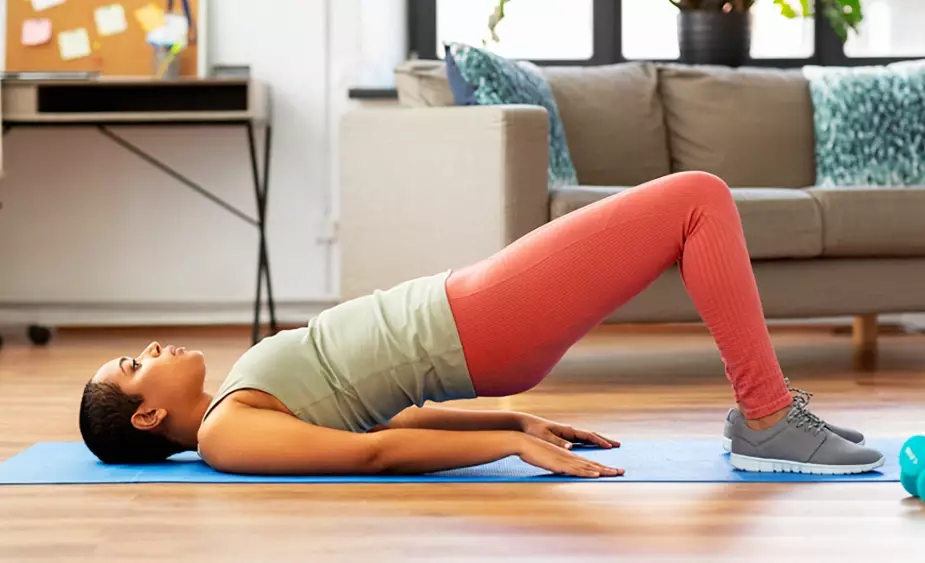
The Core Truth: Think of your pelvic floor as a dynamic, sling-like hammock. It's not a single muscle, but a complex layer of muscles and connective tissue stretching from your pubic bone at the front to the tailbone (coccyx) at the back, and between your sit bones. Its job description is massive: it supports your bladder, bowel, and (for women) the uterus; it helps control your bathroom habits; it plays a starring role in sexual function; and it's a critical part of your deep core stability team, working with your diaphragm, deep abdominals, and back muscles.
Why Bother? The Real Reasons for Pelvic Floor Strengthening
Most people search for pelvic floor exercises because they're already experiencing a problem. A sneeze that leads to a little panic. A jump on the trampoline with the kids that doesn't feel as carefree as it should. But here's the thing – this is powerful preventative medicine too.
For women, the reasons are often highlighted around pregnancy and childbirth, which absolutely stretch and strain these muscles. The American College of Obstetricians and Gynecologists (ACOG) clearly states that pelvic floor muscle training is a first-line treatment for urinary incontinence. But let's not forget men! After prostate surgery, many men face incontinence issues, and targeted pelvic floor exercises are the cornerstone of recovery. For everyone, a weak pelvic floor can contribute to lower back pain, poor posture, and even hip instability.
I want to be honest about something. When I first started reading up, a lot of the advice felt... overly optimistic. 'Do these and all your problems will vanish!' The reality is more nuanced. For some, especially with significant weakness or dysfunction, pelvic floor exercises are a game-changer. For others with mild issues, they're a brilliant preventive strategy. And for a small group with conditions like hypertonic (overly tight) pelvic floors, blindly doing strengthening exercises can actually make things worse. Which brings me to a crucial point...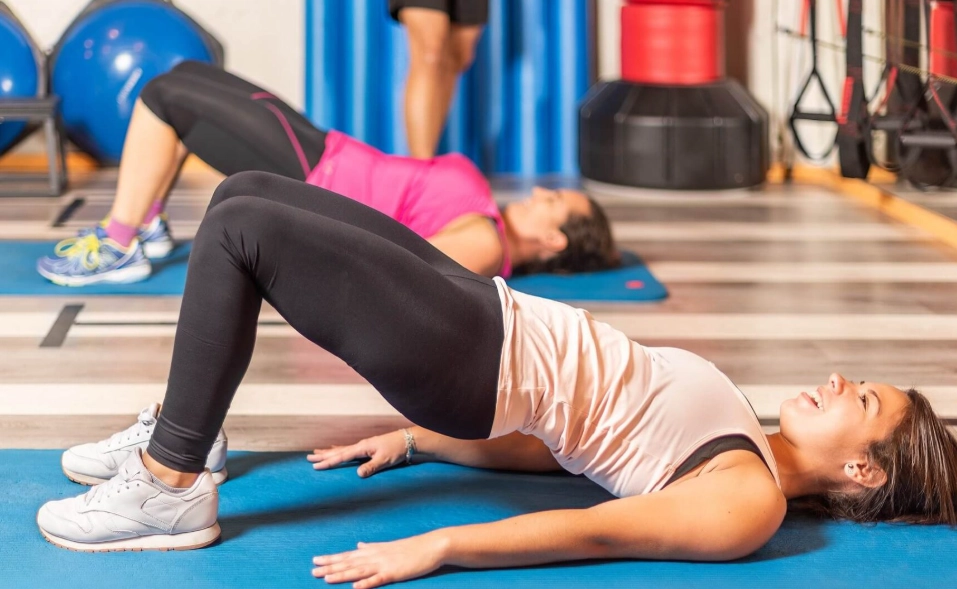
Myth to Bust: 'Pelvic floor exercises are just about squeezing.' This is the biggest misconception. It's equally about the release, the endurance, and the coordination. Clenching non-stop is a recipe for tension and pain.
Step One: The Infamous 'Find Your Muscles' Moment
This is where most guides gloss over the details, and people give up. How do you exercise a muscle you can't feel? You have to find it first. About 30% of people, when they first try, actually bear down or squeeze their glutes or abs instead. It takes practice.
Three Reliable Ways to Locate Your Pelvic Floor
First, the classic test: next time you're urinating, try to stop the flow mid-stream. Do this once as a test, not as an exercise. The muscles you use to do that are your pelvic floor muscles. If you can stop the flow, even a little, you've found them. If you can't, don't panic—it just means they're weak.
Second, for a more subtle internal awareness (and this works for men too): sit or lie comfortably. Imagine you're trying to prevent passing gas. That gentle, inward lift and squeeze you feel around your anus is the back part of the pelvic floor. Now combine that with the sensation of stopping urine. The whole sling should engage.
Third, a visual for women: some physios suggest imagining you're lifting a blueberry with your vagina. For men, imagine drawing the scrotum up towards your body. Sounds silly, but the imagery helps!
The key is to keep your breath flowing. Don't hold your breath. Don't push your belly out. Don't tighten your buttocks. The movement is internal and subtle. If your whole body is straining, you're doing too much.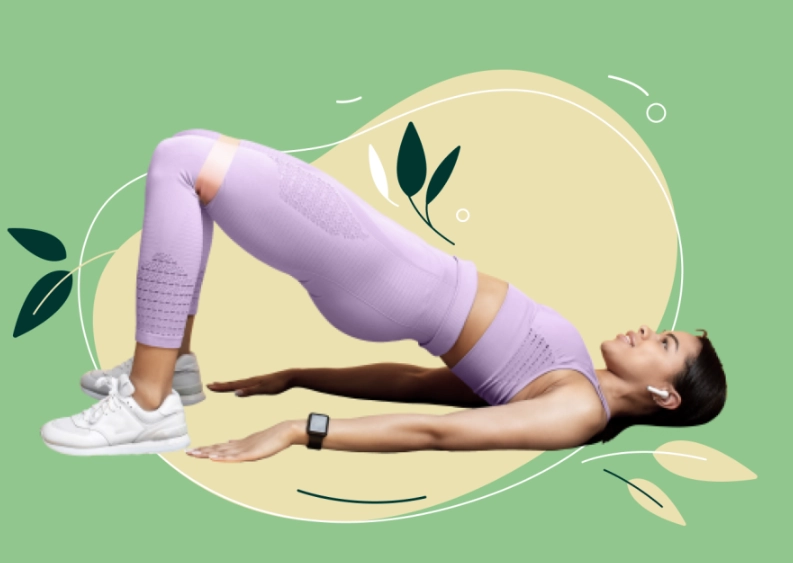
Pro Tip from a Physio I Spoke To: 'Place a hand on your lower belly, just below your belly button. If you feel a bulging or hardening there when you try to squeeze, you're likely using your superficial abdominals. Try to keep that area soft. The only movement should be a gentle upward sensation inside your pelvis.'
Crafting Your Personal Pelvic Floor Exercise Routine
Okay, you've found the muscles. Now what? Random squeezing isn't a plan. Your pelvic floor needs a balanced workout, just like any other muscle group: strength, endurance, coordination, and relaxation.
Here’s a basic starter framework that’s far more effective than just doing 100 squeezes a day. I like to break it down into three phases, almost like a mini-workout you can do anywhere.
| Phase | What to Do | Goal | How Often |
|---|---|---|---|
| 1. The Quick Contractions ('Fast Twitch') | Quick, sharp squeezes. Lift hard and fast, then release completely. Focus on the 'snap.' | Improves muscle reactivity for sudden stress (sneeze, cough, laugh). | 10 reps, 2-3 sets daily. |
| 2. The Long Holds ('Slow Twitch') | Squeeze and lift slowly. Hold for as long as you can with good form (aim for 5-10 seconds to start). Release slowly over 3-4 seconds. | Builds endurance for all-day support. | 10 reps, 1-2 sets daily. |
| 3. The Elevator ('Full Range') | Imagine your pelvic floor is a multi-story elevator. Squeeze to the 1st floor (light), hold, then to the 2nd (medium), hold, then to the 3rd (full squeeze). Release floor by floor. | Improves fine motor control and awareness. | 5 reps, 1 set daily. |
You can do these lying down, sitting, or standing. Start lying down with knees bent (this takes gravity out of the equation), then progress to sitting, then standing. The ultimate goal is to integrate these muscles into your daily life.
Integrating Pelvic Floor Awareness Into Your Day
This is the secret sauce. Doing your sets is gym time. Using your muscles in real life is the sport. The goal is for your pelvic floor to subconsciously engage just before and during any activity that increases pressure inside your abdomen—this is called 'the knack.'
Try this: before you stand up from a chair, give a gentle pelvic floor lift. Before you lift a grocery bag, lift and brace. Before you cough or sneeze, exhale and engage the muscles. It creates a natural corset of support. I started doing this and noticed my lower back felt more solid during chores. It's a small thing, but it adds up.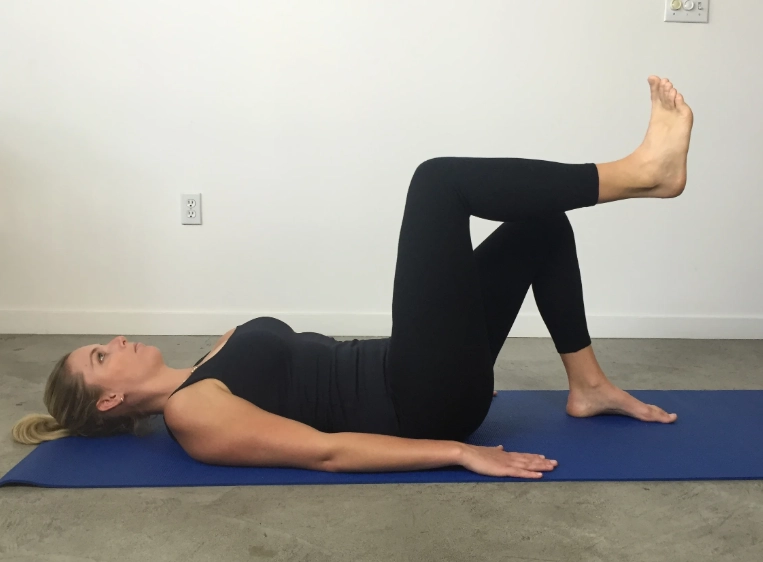
When Pelvic Floor Exercises Aren't Enough (Or Are Wrong)
This is the part many articles skip, and it's vital. Pelvic floor dysfunction isn't always about weakness. Sometimes the muscles are too tight, overworked, and can't relax—a state called hypertonicity. This can cause pain during sex, urgency to urinate, and even pelvic pain. If you're doing a ton of core work like planks, heavy squats, or even chronic clenching from stress, you might be overworking these muscles.
Signs you might need to focus on relaxation, not strengthening:
- You feel constant tension or aching in your pelvic region.
- You have difficulty starting urination, even when you feel the urge.
- Kegel exercises cause pain or increase symptoms.
- You have pain with intercourse or internal exams.
If this sounds familiar, the focus should be on diaphragmatic breathing and down-training. Lie on your back, knees bent. Place a hand on your belly. Breathe deeply into your hand, letting your belly rise. As you inhale, consciously try to let your pelvic floor relax and descend gently. As you exhale, let it come back up naturally, without a hard squeeze. The National Institute of Diabetes and Digestive and Kidney Diseases (NIDDK) resources often emphasize the importance of a proper diagnosis, as treatment differs vastly.
A Word of Caution: If you have significant pain, prolapse (a feeling of heaviness or bulging in the vagina), or persistent incontinence despite a few months of consistent practice, please see a healthcare professional. A pelvic health physiotherapist is the gold-standard expert here. They can do an internal assessment (yes, it's a thing) and give you a perfectly tailored plan. Don't suffer in silence thinking exercises should fix everything.
Pelvic Floor Exercises for Specific Life Stages & Situations
The 'one-size-fits-all' approach is where a lot of generic advice falls flat. Your needs at 25, 45, and 65 are different.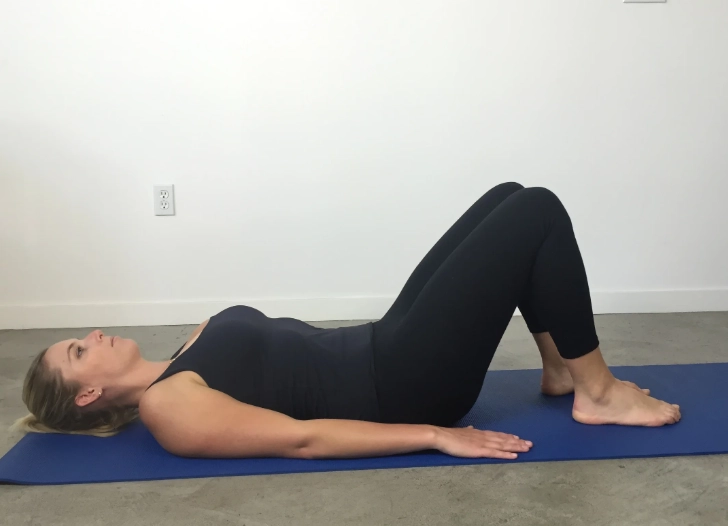
For Women Pre- and Post-Pregnancy
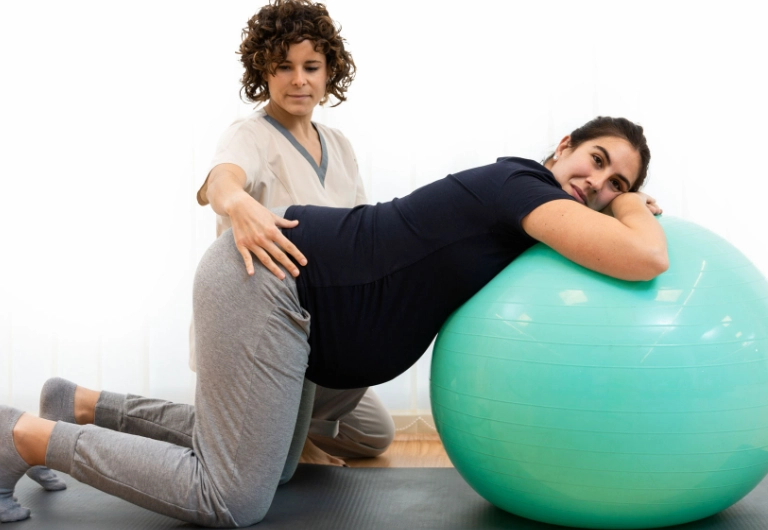
Pregnancy is like a nine-month marathon for your pelvic floor. The goal antenatally is to build awareness and good endurance to support the growing baby and prepare for birth. The focus is on the perfect contraction AND release, as you'll need to relax those muscles completely during delivery. Postnatally, go gently. Wait until any bleeding has stopped and you feel ready. Start with finding the muscles again, often with very gentle contractions. The Mayo Clinic advises starting as soon as it's comfortable, as it helps healing and recovery of bladder control.
For Men (Yes, Seriously!)
Guys, this isn't just a 'women's issue.' Your pelvic floor supports your prostate and bladder. Strong pelvic floor muscles can improve recovery of continence after prostate surgery, may help with erectile function by promoting blood flow, and can even enhance sexual sensation. The technique is the same: the stop-test while urinating (once!) is a great locator. Focus on the sensation of drawing everything up and in.
For Athletes and Fitness Enthusiasts
If you're into running, CrossFit, weightlifting, or high-impact sports, your pelvic floor takes a pounding. Every time you land a jump or lift heavy, pressure spikes. A strong, responsive pelvic floor is your internal shock absorber. Integrate your pelvic floor lift into your bracing sequence. Before you deadlift, you brace your core—make sure that includes a gentle engagement of the pelvic floor. It creates a more stable cylinder of pressure.
I made the mistake for years of just powering through workouts without this connection. When I started to pay attention, I not only felt stronger but also eliminated that occasional 'leaky' feeling after a hard set of box jumps.
Your Pelvic Floor Exercise FAQs – Straight Answers
Beyond Kegels: The Bigger Picture of Pelvic Health
Isolated pelvic floor exercises are crucial, but they exist within a system. If your overall posture is slumped, with a tilted pelvis, those muscles are starting at a mechanical disadvantage. If you're constantly constipated and straining, you're punishing them. If your core is weak, the pelvic floor is trying to do a job it wasn't designed to do alone.
A holistic approach looks like this:
- Posture: Sit and stand tall. Imagine a string lifting you from the crown of your head.
- Breathing: Practice diaphragmatic breathing to massage and mobilize the pelvic floor with each breath.
- Core Integration: Learn to gently engage your pelvic floor with your deep abdominals during functional movements.
- Bladder & Bowel Habits: Don't 'just in case' pee. Try to extend the time between bathroom trips. Eat fiber and stay hydrated to avoid straining.
I'll be the first to admit, it can feel like a lot to manage. Some days I forget completely. Other days, I'm hyper-aware. The goal isn't perfection, it's gradual improvement and building a body that feels resilient.
Look, the journey with pelvic floor health isn't always linear. Some days you'll nail the contraction, other days it feels like you're trying to wink with an eyelid you don't have. That's normal. The key is to start, be consistent, and listen to your body more than any rigid online plan. These muscles are the foundation of your core, your continence, and your confidence in your own body. Giving them a little focused attention is one of the best investments in your long-term health and comfort you can make. So take a deep breath, find that lift, and begin.
POST A COMMENT