Natural Remedies for Women: Holistic Solutions for Common Health Concerns
In This Guide
Let's be honest. Being a woman comes with a unique set of health puzzles. One month you're dealing with cramps that make you want to curl up in a ball, the next you're navigating mood swings that feel like a rollercoaster you didn't buy a ticket for. And that's just the tip of the iceberg. Then there's the whole circus of perimenopause, stress that won't quit, and skin that decides to rebel for no apparent reason.
I've been there. Rushing to the pharmacy for every little ache felt like a band-aid solution, and honestly, I started wondering about the long game. What if my body was trying to tell me something? That's what led me down the rabbit hole of natural remedies for women. Not as a replacement for modern medicine—let's be clear, that's crucial—but as a complementary, gentle layer of self-care. A way to work with my body, not just silence it.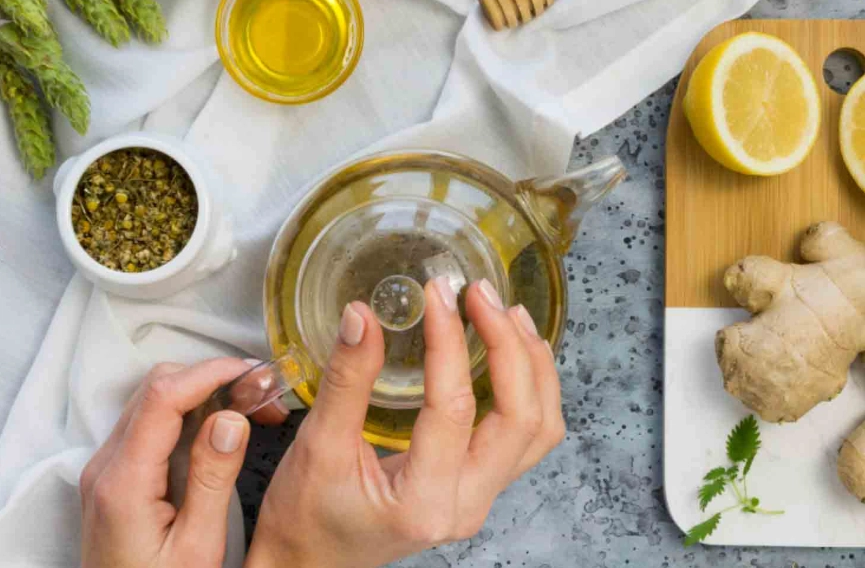
Why Look for Natural Solutions Anyway?
It's not about rejecting science. Far from it. It's about exploring the wisdom that's been around for centuries, now often backed by modern research. For many women, the appeal of natural remedies for women's health lies in a few key things:
- Fewer Side Effects: When sourced and used correctly, many plant-based options have a gentler profile than some pharmaceuticals. That doesn't mean "no side effects," but the risk profile can be different.
- Addressing the Root Cause: Sometimes a pill tackles the symptom (which is sometimes exactly what you need!). But natural approaches often encourage us to look at diet, stress, sleep—the whole picture.
- Empowerment: There's something deeply empowering about understanding the herbs in your tea or the purpose behind a dietary tweak. It puts you in the driver's seat of your own well-being.
But—and this is a big but—"natural" doesn't automatically mean "safe" or "effective for you." Dosing matters. Quality matters. And your personal health history matters most of all. That's the responsible way to approach this.
Think of natural remedies as tools for your wellness toolkit, not magic bullets. Their power often lies in consistency and understanding how they work with your unique body.
Your Go-To Guide: Natural Remedies for Common Women's Health Concerns
Alright, let's get practical. Here’s a look at some of the most searched-for issues and the natural remedies for women that have both traditional use and some scientific interest. I've tried to include the "why" it might work, not just the "what."
Navigating the Monthly Cycle: From Cramps to Mood
Premenstrual syndrome (PMS) and menstrual cramps (dysmenorrhea) are probably the top reasons women first Google natural solutions.
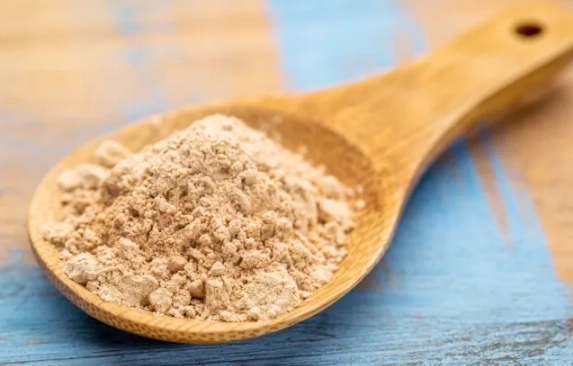
- For Cramps: Ginger tea is my personal hero. Several studies, including one reviewed by the National Center for Biotechnology Information, have found ginger powder to be as effective as some common anti-inflammatory drugs for menstrual pain. It works by reducing those inflammation-causing prostaglandins. A warm heating pad on your lower abdomen is another classic for a reason—it increases blood flow and relaxes muscles.
- For PMS Mood Swings & Bloating: Chasteberry (Vitex agnus-castus) is a superstar here. It's thought to influence pituitary gland function, helping balance progesterone and estrogen levels. A review of studies suggests it can significantly reduce PMS symptoms. I found it took about three months of consistent use to really notice a difference—patience is key. For bloating, cutting back on salt and increasing potassium-rich foods like bananas and spinach can help your body shed excess water.
The Perimenopause and Menopause Transition
This phase can feel like your body's rulebook got thrown out the window. Hot flashes, night sweats, and sleep disturbances are the usual suspects.
- For Hot Flashes: Black cohosh is the most well-known herb, though its effectiveness is still debated. Some women swear by it, others feel nothing. The National Center for Complementary and Integrative Health (NCCIH) notes that while some studies show benefit, results are mixed. A safer, universally helpful tactic? Layered clothing. Seriously. And identifying your personal triggers (spicy food, caffeine, stress, a hot room) is half the battle.
- For Sleep and Anxiety: This is where adaptogen herbs like Ashwagandha and Rhodiola can shine. They're called "adaptogens" because they're believed to help your body *adapt* to stress. Ashwagandha, in particular, has research supporting its role in reducing anxiety and improving sleep quality, which is a huge win during the hormonal shifts of menopause. A warm cup of oat straw tea before bed is also wonderfully nourishing and calming for the nervous system.
Stress, Anxiety, and That Constant “Wired” Feeling
Modern life is a lot. Juggling roles, the mental load—it's exhausting.
- For Acute Anxiety: Lemon balm and passionflower are beautiful, gentle nervines. A strong cup of lemon balm tea can take the edge off a stressful afternoon almost as well as a deep breath. Passionflower tincture is something I keep on hand for nights when my mind won't stop racing.
- For Long-Term Stress Resilience: This is less about a single herb and more about rituals. A daily 10-minute meditation. A walk without your phone. Adaptogens like the ones mentioned above, taken consistently. Magnesium glycinate supplementation (after checking with a doctor, as it can interact with some medications) is a game-changer for many women, as magnesium is crucial for nerve and muscle relaxation and we often don't get enough.
Quick-Reference Table: Top Natural Remedies for Common Women's Health Concerns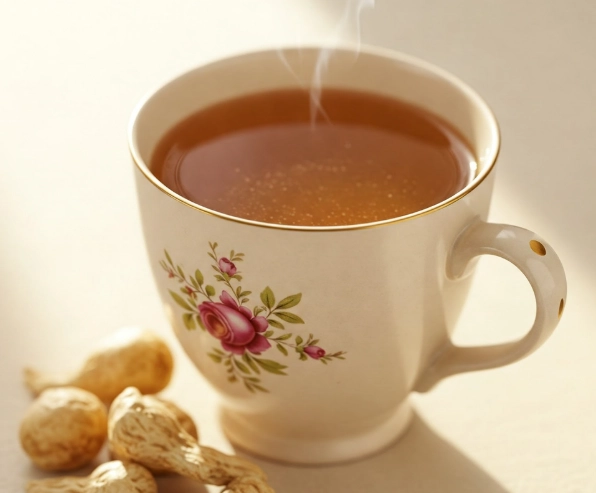
| Health Concern | Potential Natural Remedy | How It's Typically Used | A Key Consideration |
|---|---|---|---|
| Menstrual Cramps | Ginger, Cramp Bark, Heat | Ginger tea, tincture of cramp bark, heating pad | Ginger's anti-inflammatory properties are well-supported. Start at first sign of cramps. |
| PMS Mood & Bloating | Chasteberry (Vitex), Magnesium, Dietary changes | Daily tincture or capsule, magnesium supplement, reducing salt/sugar | Chasteberry works over months, not days. Consistency is critical. |
| Hot Flashes | Black Cohosh, Sage, Layered Clothing | Standardized extract, sage tea | Black cohosh efficacy is individual. Sage tea can be surprisingly effective for some. |
| Stress & Anxiety | Ashwagandha, Lemon Balm, Meditation | Daily adaptogen powder/tincture, tea as needed, mindfulness practice | Ashwagandha is best taken daily for cumulative effect, not as an instant fix. |
| Low Energy & Fatigue | Rhodiola, Iron-Rich Foods, B-Vitamins | Adaptogen supplement, diet focusing on spinach/lentils/red meat, nutritional yeast | Rule out medical causes like anemia or thyroid issues first. Rhodiola is stimulating, take in the AM. |
| Urinary Tract Support | D-Mannose, Uva Ursi, Hydration | Supplement at first sign of discomfort, uva ursi tincture (short-term), drinking plenty of water | Uva ursi is for short-term use only (under 2 weeks). D-mannose is excellent for prevention. |
How to Choose and Use Natural Remedies Safely (The Non-Negotiable Part)
This is where I get a bit serious. Enthusiasm is great, but safety is everything. Here’s my personal checklist, cobbled together from mistakes and lessons learned.
1. Know Your Source
Not all supplements are created equal. The market is poorly regulated. I look for brands that practice third-party testing (like USP or NSF certification) to ensure what's on the label is in the bottle and free from contaminants. Loose herbs should be organic or ethically wildcrafted from reputable suppliers. If it's suspiciously cheap, there's usually a reason.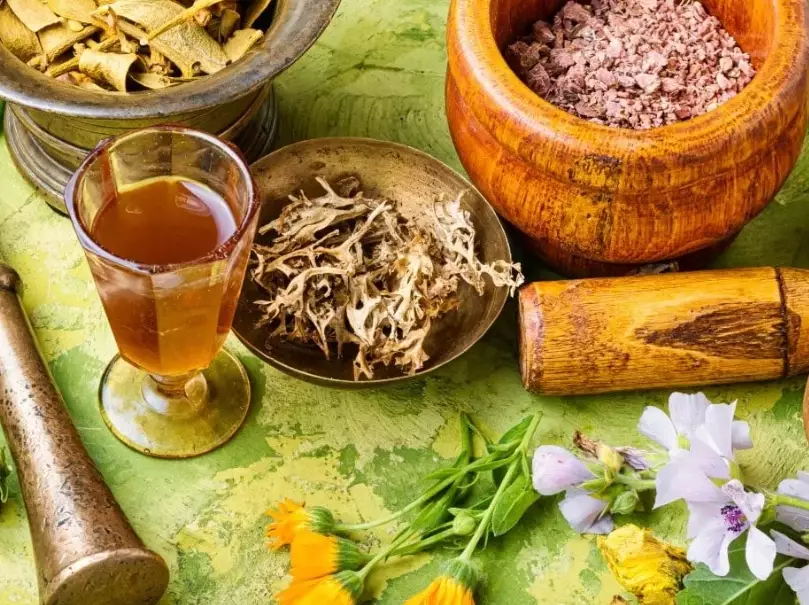
2. The Doctor Conversation
I make it a rule: I tell my doctor about every herb and supplement I'm taking. Every single one. Why? Because natural doesn't mean inert. St. John's Wort, a fantastic herb for mild depression, is infamous for interacting with a huge list of medications, from birth control to antidepressants. The Mayo Clinic has great resources on potential herb-drug interactions. Your pharmacist is also an excellent resource for this.
3. Start Low, Go Slow
Your body isn't a laboratory. Start with the lowest suggested dose and see how you feel for a week or two before increasing. Herbs work subtly. If you get a rash, stomach upset, or a headache, stop. That's your body saying "this isn't for me right now."
The most powerful natural remedy is often the foundation: consistent, quality sleep; moving your body in ways you enjoy; eating real, whole foods; and managing stress. Herbs are the support crew, not the star players of that foundation.
Answering Your Burning Questions (FAQ)
I get asked these all the time, so let's dive in.
Are natural remedies for women safe during pregnancy or breastfeeding?
This is the most important question. Extreme caution is required. Many herbs commonly used for women's health are contraindicated during pregnancy because they can stimulate the uterus or affect hormone levels. Examples include black cohosh, vitex, and even strong doses of ginger beyond culinary use. While ginger is often used for morning sickness, it should be done under a midwife or doctor's guidance. During breastfeeding, compounds can pass into milk. Always, always consult a qualified healthcare provider (like an OB/GYN or a certified herbalist specializing in pregnancy) before using any remedy during these times. Don't trust random blog posts—including this one—as your sole source of info here.
How long does it take for herbal remedies to work?
This frustrates a lot of people. If you're used to an ibuprofen kicking in 20 minutes, herbs require a mindset shift. For acute issues (like a sudden UTI or a panic attack), some herbs like uva ursi or passionflower can work within hours. For chronic, systemic issues like hormonal imbalance, PMS, or long-term stress, think in terms of months, not days. It often takes 1-3 full menstrual cycles to see the effects of something like Vitex. Your body is rebalancing, not being suppressed.
Can I just replace my prescription medication with natural alternatives?
No. Do not do this on your own. Full stop. This is a conversation to have with the prescribing doctor. Some people, under careful medical supervision, may be able to reduce or replace medications with lifestyle and natural approaches, but this is a highly individualized and monitored process. Abruptly stopping medication, especially for conditions like depression, hypertension, or thyroid disorders, can be dangerous.
What's the best form to take herbs in: tea, tincture, or capsule?
It depends on the herb and your goal.
- Teas/Infusions: Great for mild, nourishing herbs (nettle, oat straw), acute relaxation (chamomile, lemon balm), and hydration. The effects are generally gentle and short-acting.
- Tinctures (alcohol extracts): More potent, faster absorption (sublingually), and longer shelf life. Good for systemic issues and when you need a stronger effect. I prefer alcohol-based ones, but glycerites are available for those avoiding alcohol.
- Capsules/Tablets: Convenient, tasteless, and good for standardized extracts where a precise dose of an active compound is important (like a specific amount of curcumin from turmeric).
I often combine them. A daily Vitex capsule for consistency, and a bottle of passionflower tincture in my bag for acute stress.
Building Your Personal Protocol – It's Not One-Size-Fits-All
Here's the truth I learned the hard way: copying someone else's protocol rarely works perfectly. What gave my friend boundless energy (Rhodiola) made me jittery. The herb that saved her sleep (Valerian) gave me vivid, weird dreams.
The journey with natural remedies for women's health is deeply personal. It's about becoming a detective of your own body. Keep a simple journal: note your symptoms, what you tried, the dose, and how you felt in 3 days, a week, a month. This data is gold.
Start with one thing. Maybe it's committing to a magnesium-rich Epsom salt bath twice a week. Or swapping your afternoon coffee for a tulsi (holy basil) tea. Or adding a tablespoon of ground flaxseed to your morning yogurt for a phytoestrogen boost. Master that one thing, observe, then consider adding another layer.
Ultimately, these natural remedies for women are about reclaiming a sense of agency. They're a return to simpler, time-tested practices in a complex world. They ask for your attention and participation. They won't always work miracles, but they can provide profound support, helping you build a foundation of resilience so you can handle whatever life—and your own biology—throws your way. Just remember to walk the path wisely, listen to your body (and your doctor), and be patient with the process. The shift is often gradual, but it can be deeply transformative.
POST A COMMENT