Calcium Supplements Guide: Benefits, Types & How to Choose
Let's talk about calcium supplements. It seems simple, right? You need calcium for your bones, so you pick up a bottle. But then you get to the store or browse online, and you're hit with a wall of choices: calcium carbonate, calcium citrate, coral calcium, chelated versions, with vitamin D, without it, chewable, liquid, gummies. It's enough to make your head spin. I remember trying to pick one for my mom a few years ago, and I was completely lost. Which one absorbs best? Is the cheap one just as good? Does it even matter?
Turns out, it matters a lot. Choosing the wrong type, or taking it the wrong way, can mean you're not getting much benefit at all. You might as well be throwing money down the drain. And that's what this guide is for. I've waded through the research, the marketing hype, and the conflicting advice so you don't have to. We're going to break down exactly what you need to know to make an informed choice about calcium supplements.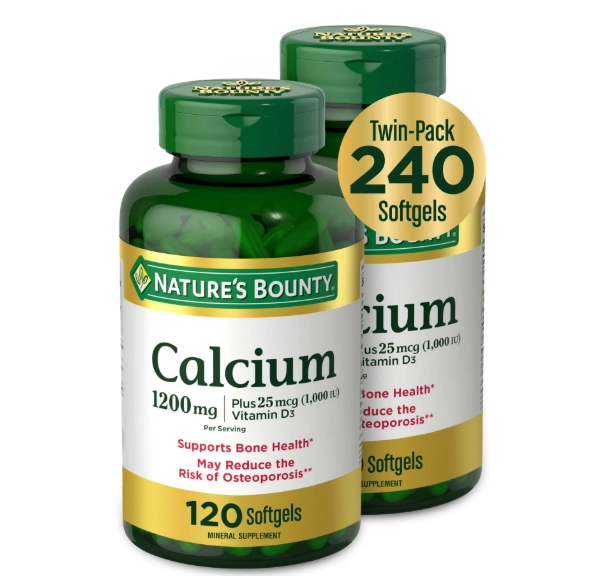
Bottom Line Up Front: Not all calcium supplements are created equal. The "best" one depends entirely on your age, diet, stomach acid levels, and specific health goals. For most healthy adults with normal digestion, calcium carbonate is a cost-effective choice. For older adults or those with digestive issues, calcium citrate is often the better bet, even if it costs a bit more.
Why Would You Even Need a Calcium Supplement?
Most of us know calcium is for strong bones and teeth. That's the headline. But it's also a behind-the-scenes superstar for making your muscles contract (including your heart), helping your nerves send messages, and ensuring your blood clots normally. If you don't get enough from your diet, your body will quietly leach it from your bones to keep these critical functions running. Over time, that leads to weak, brittle bones – osteoporosis.
So, who's most likely to fall short? The list is pretty specific. Postmenopausal women are at the top because estrogen loss speeds up bone loss. Older adults in general, as absorption decreases with age. People who are lactose intolerant or follow a strict vegan diet, since they're cutting out major calcium sources like dairy. Anyone with certain digestive diseases (like Crohn's or celiac) that mess with nutrient absorption. And let's be honest, even if you're not in these groups, how many of us consistently hit the recommended 1000-1200 mg of dietary calcium every single day? A salad with cheese and a yogurt might get you halfway there on a good day.
That's where a supplement can plug the gap. It's not a replacement for a healthy diet, but an insurance policy.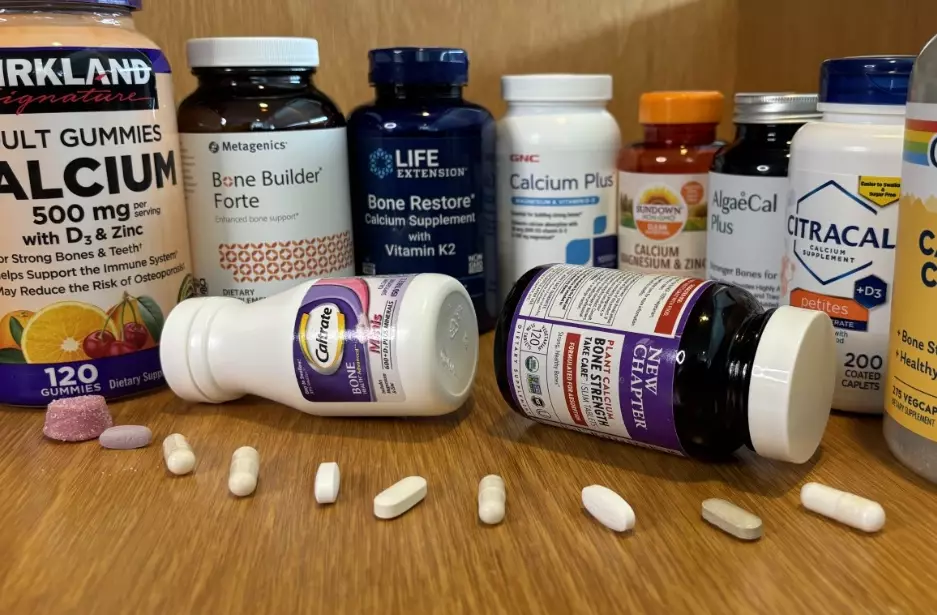
The Big Showdown: Different Types of Calcium Supplements
This is where the rubber meets the road. The type of calcium in your supplement determines how well your body can use it, how much you need to take, and what side effects you might deal with.
Calcium Carbonate: The Everyday Workhorse
This is the most common and usually the cheapest form you'll find. It's what's in Tums and many store-brand supplements. It contains about 40% elemental calcium – that's the key term. It means a 500 mg pill of calcium carbonate gives you about 200 mg of actual, usable calcium. To absorb it properly, you need plenty of stomach acid. That means you must take it with a meal. If you take it on an empty stomach, a significant chunk of it will just pass right through you.
Pros: High in elemental calcium, so you take fewer pills. Very affordable.
Cons: Requires food for absorption. More likely to cause gas, bloating, or constipation for some people.
Calcium Citrate: The Gentle Giant
This form is easier on the stomach because it doesn't require stomach acid for absorption. It only contains about 21% elemental calcium, so a 500 mg pill gives you roughly 105 mg of calcium. You can take it with or without food, which makes it more flexible. This is my personal go-to recommendation for anyone over 50, or for people who take acid-reducing medications (like PPIs for heartburn), which lower stomach acid. It's often a bit more expensive, but you're paying for better, more reliable absorption in those situations.
My dad was on a PPI for years and taking calcium carbonate with breakfast. When I learned about the absorption issue, we switched him to citrate. He didn't notice a huge difference in how he felt, but knowing he was actually absorbing the calcium was worth the extra few dollars a month for me.
Other Forms (The Less Common Players)
You'll see these on shelves, often with fancy marketing.
- Calcium Phosphate: Similar absorption to carbonate, found in some fortified foods. Not super common as a standalone supplement.
- Calcium Lactate & Gluconate: These have very low amounts of elemental calcium (13% and 9%), so you'd have to take a handful of pills to get a useful dose. Rarely practical as a main supplement.
- Coral Calcium: Heavily marketed, but it's essentially just calcium carbonate from fossilized coral reefs. No proven special benefits, and the harvesting can be environmentally questionable. I'd skip it.
- Chelated Calcium (like Calcium Bisglycinate): This is bound to an amino acid (glycine) which may improve absorption slightly and is famously gentle on the gut. It's a great option if you have a sensitive stomach and money is less of an object, as it's usually the most expensive form.
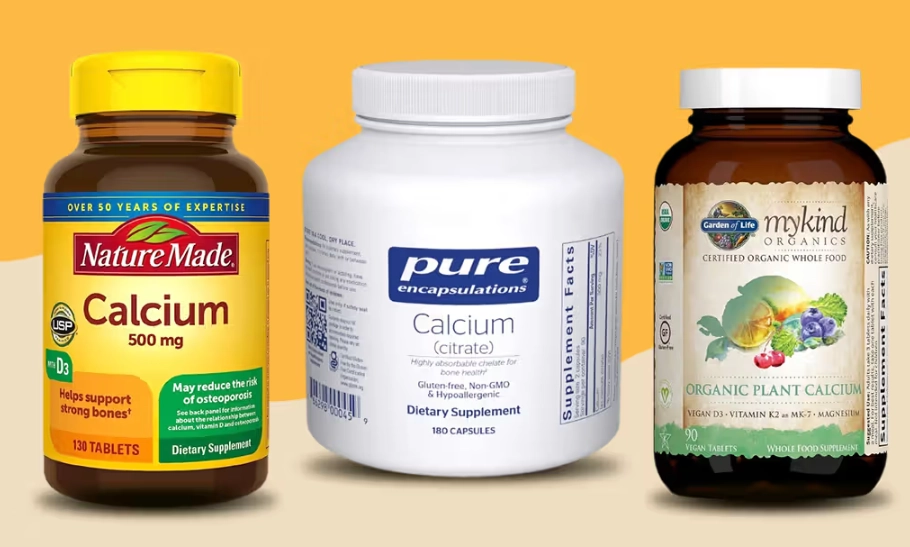
| Type of Calcium | Elemental Calcium % | Best Taken... | Pros | Cons | Best For... |
|---|---|---|---|---|---|
| Calcium Carbonate | ~40% (High) | With a meal | Most affordable, fewer pills needed | Needs stomach acid, can cause GI issues | Healthy adults under 50 with normal digestion |
| Calcium Citrate | ~21% (Medium) | With or without food | Easy absorption, gentle on stomach | More expensive, need more pills per dose | Adults over 50, those with low stomach acid, on acid reducers |
| Calcium Bisglycinate | ~20% (Medium) | Anytime | Very high absorption, extremely gentle | Most expensive option | Those with severe GI sensitivity, willing to pay for top quality |
What Actually Helps Your Body Absorb Calcium? (And What Steals It)
Taking the pill is only half the battle. Getting it into your bones is the other half. This is where a lot of generic advice fails.
Absorption Boosters:
- Vitamin D: This is non-negotiable. Your intestines literally cannot absorb calcium efficiently without adequate vitamin D. Many calcium supplements now come combined with D3 (cholecalciferol, the better form). If yours doesn't, you need a separate D supplement or plenty of sun exposure. The National Institutes of Health (NIH) outlines this critical relationship between the two nutrients.
- Food (for carbonate): As mentioned, the meal triggers acid production.
- Spreading Doses: Your body can only absorb about 500-600 mg of calcium at a time. If you need 1000 mg from supplements, take 500 mg in the morning and 500 mg at night.
- Magnesium: These two minerals work in balance. A good magnesium supplement (like glycinate) at a different time of day can support bone health.
Absorption Blockers & Thieves:
- High-iron or High-zinc supplements: Calcium competes with these for absorption. Take them at least 2-4 hours apart.
- Foods high in oxalates (spinach, Swiss chard) or phytates (whole grains, beans): These can bind to calcium in the gut. It doesn't mean you can't eat these healthy foods, just don't take your main calcium supplement with a massive spinach salad.
- Caffeine and Excess Sodium: Both can increase the amount of calcium you lose through urine. Moderation is key.
- Taking a huge dose all at once: Anything over 600 mg in one sitting is largely wasted.
How to Pick the Best Calcium Supplement for YOU: A Practical Checklist
Forget the "top 10" lists that just rank brands. Use this checklist to evaluate any bottle.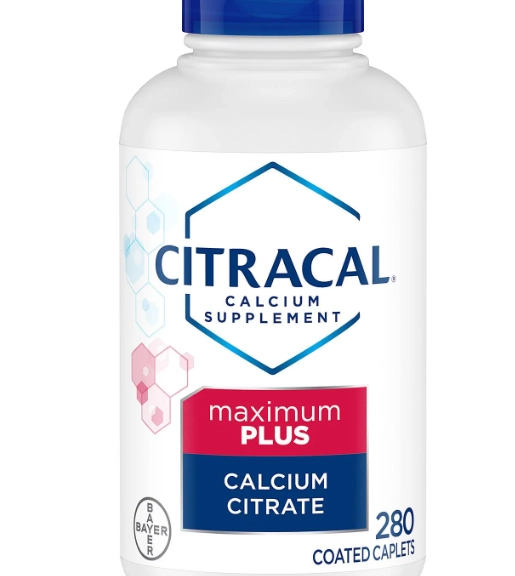
- Identify Your Form: Based on your age and gut health (Carbonate vs. Citrate vs. Bisglycinate).
- Check the Elemental Calcium: Look at the "Supplement Facts" panel. Don't look at the big number on the front. Find the line that says "Calcium (from ...)". That's the amount of actual calcium you get per serving. Is it 500 mg? 300 mg? This tells you how many pills you'll need.
- Look for Vitamin D3: Having them together is convenient and ensures you're getting the duo. Aim for at least 400-800 IU of D3 per serving.
- Avoid Unnecessary Fillers: Scan the "Other Ingredients." Some brands are cleaner than others. If you see a lot of artificial colors, titanium dioxide, or excessive binders, you might want to look for a purer option.
- Consider the Pill Size & Form: Can you swallow it? If not, maybe a chewable, gummy, or liquid is better. Chewables and liquids often use citrate because it's more soluble.
- Verify with Third-Party Testing: This is the gold standard for quality. Look for seals from independent labs like USP (United States Pharmacopeia), NSF International, or ConsumerLab.com. This means the product has been tested for accuracy (it contains what it says) and purity (free from heavy metals or contaminants). The USP verification mark, for instance, is a strong signal of quality control.
Common Questions & Concerns (The Stuff People Really Worry About)
Can calcium supplements cause kidney stones?
This is a huge fear. The evidence is actually reassuring for supplemental calcium taken with meals. Dietary calcium (from food) binds to oxalates in your gut, preventing them from being absorbed and forming stones in the kidneys. Supplemental calcium, when taken with food, can do the same thing. The risk of stones is more strongly linked to low dietary calcium intake, high oxalate foods, dehydration, and excessive sodium. The Mayo Clinic's patient information on kidney stones clarifies that calcium from food doesn't increase risk, and supplements are likely safe when taken as directed.
Is it better to take calcium at night?
There's a theory that because bone remodeling happens at night, taking it then is beneficial. Honestly, the best time is the time you'll remember consistently. If taking it at night with your other pills works, great. The more critical rule is: take carbonate with food, and don't take more than 500-600 mg at once. Spreading doses is more important than the clock.
What about the link to heart disease? That study scared me.
This comes from older observational studies that caused a lot of panic. More recent, better-designed research and major analyses have largely debunked this. The current consensus from organizations like the National Osteoporosis Foundation is that calcium from food and supplements, within recommended limits (total of 2000-2500 mg/day from all sources), is safe for the heart. The key is to not megadose. Harvard Health Publishing has addressed this controversy, noting that the heart risk appears minimal when calcium is consumed appropriately.
I get constipated/bloated. Any tips?
This is the most common real-world complaint with calcium supplements, especially carbonate. First, switch to calcium citrate—it's much less likely to cause issues. Second, make sure you're drinking a full glass of water with each dose. Third, spread your doses out. Fourth, increase your dietary fiber and water intake overall. If you're stuck with carbonate, taking it with a high-fiber meal might help buffer the effect.
The Not-So-Obvious Downsides & My Personal Gripes
Let's be real, the supplement industry isn't perfect. One of my biggest pet peeves is the marketing of "high absorption" claims without context. A form might have 5% better absorption in a lab study, but if it costs three times as much and you have to take five pills, is it practical? Probably not.
Another issue is the push towards extremely high doses. More is not better with calcium. Exceeding 2500 mg total (food + supplement) daily can lead to hypercalcemia (too much calcium in the blood), which causes kidney problems, confusion, and heart rhythm issues. It's rare, but it happens when people go overboard.
And finally, the quality control can be a wild west. That's why that third-party testing seal is so crucial. I've seen test results where a cheap store brand had only 70% of the calcium it claimed. You think you're saving money, but you're just buying chalk.
Final Takeaway: Don't let the perfect be the enemy of the good. The best calcium supplement is the one that is the right type for your body, that you can afford consistently, and that you will remember to take correctly every day. For most people, that's a simple, third-party tested calcium citrate or carbonate with added Vitamin D3, taken in split doses with plenty of water.
It doesn't have to be complicated. Now you've got the tools to walk past the marketing and make a choice that actually works for your bones.
POST A COMMENT