Anemia Treatment Guide: Options, Side Effects & Managing Your Health
Quick Navigation
Let's talk about anemia treatment. It's one of those topics that seems simple on the surface—just take some iron, right?—but the reality is so much more nuanced. If you've been diagnosed with anemia, or you're suspecting you might have it, you're probably swimming in a sea of questions. What type do I have? What are my options? Will I feel better soon? I remember a friend of mine who spent months feeling utterly drained before getting her iron deficiency anemia diagnosis. The treatment path wasn't a straight line for her, and that's a story I hear a lot.
The goal here isn't to give you medical advice—always, always talk to your doctor—but to map out the landscape. To show you what's out there, explain the pros and cons of different approaches, and hopefully, make you feel more prepared for those conversations with your healthcare provider. Think of this as your backstage pass to understanding how to tackle low red blood cell counts.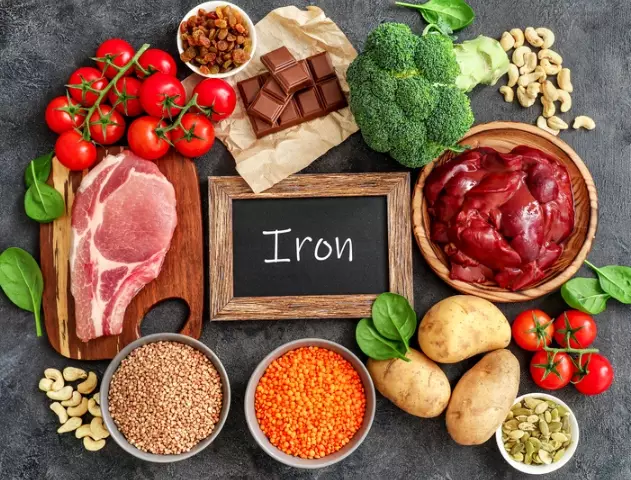
First Things First: What Kind of Anemia Are We Dealing With?
You can't talk about anemia treatment without knowing the enemy. Throwing iron supplements at a B12 deficiency anemia is like trying to put out a fire with gasoline—it just doesn't work, and it might make things worse. Doctors typically break it down into a few main categories, and the treatment path forks dramatically depending on which one you're on.
Iron Deficiency Anemia: The Most Common Culprit
This is the big one. It happens when your body doesn't have enough iron to make hemoglobin. Causes range from blood loss (heavy periods, ulcers, slow GI bleeding) to just not getting enough from your diet. The treatment for this is centered on—you guessed it—iron. But even that has layers.
Vitamin Deficiency Anemias (B12 & Folate)
Your body needs B12 and folate to make healthy red blood cells too. A lack of these, often due to dietary issues (strict vegan diets can lack B12) or absorption problems (like pernicious anemia), leads to large, dysfunctional blood cells. Treatment here is all about replenishing those specific vitamins.
Anemia of Chronic Disease
This is a tricky one. It pops up alongside long-term conditions like chronic kidney disease, rheumatoid arthritis, or cancer. Your body has enough iron stores, but it locks them away, making them unavailable for red blood cell production. Treating the underlying condition is the primary goal here.
And then there are others, like hemolytic anemias (where red blood cells are destroyed too fast) and aplastic anemia (where your bone marrow just stops making enough). These are more complex and require specialized medical care.
The Anemia Treatment Toolbox: Medical Interventions
So, what does actual anemia treatment look like in the doctor's office or clinic? It's not a one-size-fits-all pill. Here’s a breakdown of the main medical strategies.
Oral Iron Supplements: The First Line of Defense
For uncomplicated iron deficiency anemia, this is usually where you start. They're cheap and effective. But let's be honest, they have a bad reputation for side effects.
- Ferrous Sulfate: The most common, most potent, and most likely to cause stomach upset or constipation.
- Ferrous Gluconate: Contains less elemental iron per dose, so it can be gentler on the stomach.
- Ferrous Fumarate: Another option with good absorption.
The trick is finding the right type and dose. Taking them with vitamin C (like a small glass of orange juice) can boost absorption. But avoid taking them with calcium-rich foods, coffee, or tea, as these block absorption. I'm not a fan of the "grin and bear it" approach to side effects. If your supplement makes you miserable, tell your doctor. A lower dose, a different formulation (like carbonyl iron), or switching to a slow-release version can make a world of difference.
Intravenous (IV) Iron Infusion
When oral iron doesn't cut it—maybe because of severe side effects, poor absorption (like in celiac disease or after gastric bypass), or a need to replenish stores quickly—IV iron steps in. You get it as an infusion in a clinic or hospital over a few hours.
It works fast. People often report feeling a boost in energy within days, compared to the weeks or months it can take with pills. The downside? It's more invasive, more expensive, and carries a small risk of allergic reactions. But for many, it's a game-changer in their anemia treatment plan.
Vitamin B12 Injections or High-Dose Supplements
For B12 deficiency anemia, especially if it's due to absorption problems, injections are the gold standard. You might get a series of shots to start and then maintenance shots every month or three. If the deficiency is purely dietary, high-dose oral or sublingual (under-the-tongue) B12 can also be effective, as some absorption happens by passive diffusion.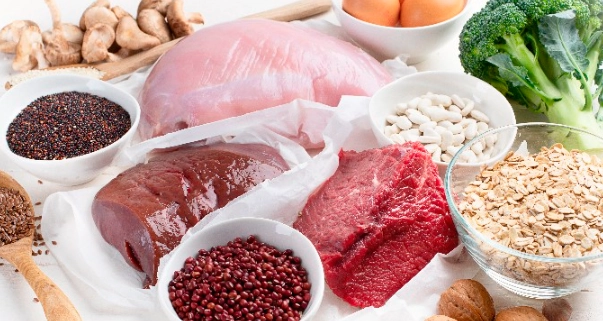
Erythropoiesis-Stimulating Agents (ESAs)
These are synthetic versions of a hormone called erythropoietin that tells your bone marrow to make red blood cells. They're used primarily for anemia related to chronic kidney disease or certain chemotherapies. This is serious medicine with potential risks (like increasing the risk of blood clots) and is administered under very close medical supervision. It's a powerful tool, but not for your average iron deficiency case.
Blood Transfusions
This is a rescue treatment for severe, life-threatening anemia. It's not a long-term anemia treatment strategy. It's used to stabilize a patient quickly while the underlying cause is being addressed.
Fueling Your Recovery: Nutrition and Dietary Strategies
Medicine is one pillar. Food is the other, foundational one. For nutritional anemias, diet is the core treatment. For others, it's crucial support. Let's cut through the noise about "iron-rich foods."
There are two types of dietary iron:
- Heme Iron: From animal sources (red meat, poultry, fish, organ meats like liver). This is the superstar—your body absorbs it much more easily.
- Non-Heme Iron: From plant sources (beans, lentils, tofu, spinach, fortified cereals). This is trickier to absorb, but it's where most people get their iron.
The key with non-heme iron is to be a smart pairing artist. Combine it with a vitamin C source to boost absorption dramatically. Think lentil soup with a squeeze of lemon, spinach salad with bell peppers and strawberries, or fortified oatmeal with orange slices.
Conversely, avoid pairing iron-rich meals with calcium supplements, large amounts of dairy, coffee, or black tea, as these contain compounds that inhibit iron absorption. It's about timing.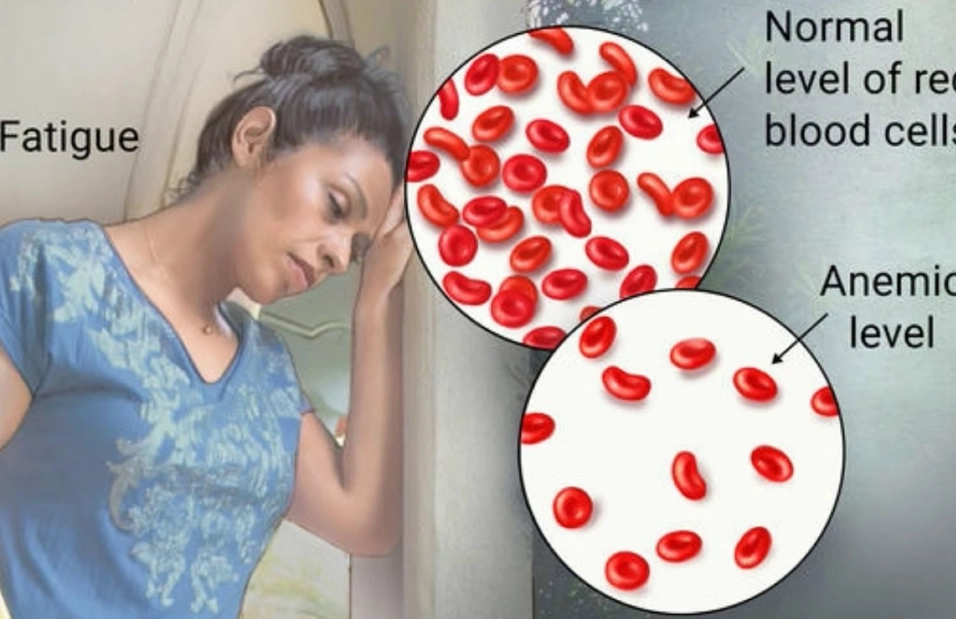
| Food Source | Type of Iron | Approx. Iron Content | Absorption Tip |
|---|---|---|---|
| Beef Liver (3 oz cooked) | Heme | 5.2 mg | High in pre-formed Vitamin A; consume in moderation. |
| Lentils (1 cup cooked) | Non-Heme | 6.6 mg | Pair with tomato sauce (vitamin C) for better uptake. |
| Fortified Breakfast Cereal (1 serving) | Non-Heme | 4.5-18 mg (varies) | Check the label. Have with berries or orange juice. |
| Spinach (1 cup cooked) | Non-Heme | 6.4 mg | Contains oxalates which can bind iron. Cooking helps. |
| Oysters (3 oz cooked) | Heme | 8 mg | Also an excellent source of zinc. |
| Dark Chocolate (1 oz, 70-85%) | Non-Heme | 3.4 mg | A tasty treat, but high in calories and caffeine. |
For B12, reliable sources are almost exclusively animal-based: meat, fish, eggs, dairy. If you're vegan, fortified nutritional yeast, plant milks, and breakfast cereals are your go-tos, but supplementation is often necessary and should be monitored. The National Heart, Lung, and Blood Institute (NHLBI) has great resources on dietary management for different anemias.
Beyond the Pill: Lifestyle and Long-Term Management
Treating anemia isn't just about a prescription or a diet change. It's about managing your energy, which is a finite resource when you're anemic. This is the part that often gets glossed over, but it's vital for your quality of life.
Pacing Yourself: You have to learn to listen to your body in a new way. The fatigue is real. Break tasks into chunks. Rest before you're completely exhausted. It's okay to say no to things. This isn't laziness; it's necessary energy budgeting while your body repairs itself.
Gentle Exercise: It sounds counterintuitive when you're tired, but regular, gentle exercise like walking, yoga, or swimming can actually help fight fatigue and improve your overall sense of well-being. It stimulates circulation. Start slow—like, 10 minutes a day slow—and build from there.
Sleep Hygiene: Anemia can mess with your sleep. Prioritize a regular sleep schedule, a cool dark room, and winding down without screens. Good sleep helps your body do its repair work.
Managing Underlying Conditions: If your anemia is linked to something like heavy menstrual bleeding (menorrhagia), inflammatory bowel disease (IBD), or kidney disease, working closely with the relevant specialist (gynecologist, gastroenterologist, nephrologist) is a core part of your anemia treatment. Controlling the primary condition is what will prevent the anemia from coming back.
And then there's the follow-up. You don't just take iron for a month and call it a day. It can take months to fully replenish iron stores (measured by a blood test called ferritin). Your doctor will want to recheck your blood counts to see if the treatment is working. If it's not, that's a signal to look harder for other causes, like a hidden source of bleeding.
Answering Your Burning Questions (FAQs)
Look, the journey of finding the right anemia treatment can be frustrating. There's trial and error. There's waiting. There's the annoyance of side effects. But understanding the why and the how behind the different options gives you power. It turns you from a passive patient into an active partner in your own care.
The most important step is the first one: getting a clear diagnosis through proper blood work. From there, you and your doctor can build a plan—whether it's a specific supplement, a dietary overhaul, managing a chronic disease, or a combination. It's a process, but the goal of getting your energy and vitality back is worth navigating it. For the most trusted, up-to-date clinical information, resources from organizations like the Mayo Clinic or the World Health Organization are invaluable references.
So take a deep breath. Gather your questions. And start the conversation. Your path to feeling better begins with understanding the map.
POST A COMMENT