Your Complete Guide to the Annual Physical Exam for Women
Your Health Journey Guide
- Why Bother? The Real Reasons Behind the Annual Visit
- Getting Ready: How to Prep for Your Big Appointment
- The Main Event: What Actually Happens During the Exam
- The Screening Schedule: What You Need & When
- Beyond the Basics: The Often-Forgotten Parts of the Visit
- After the Exam: Understanding Your Results & Next Steps
- Common Questions Women Have (The Real Ones We Google)
- Wrapping It Up: Your Health, Your Partnership
So, you got a reminder from your doctor's office, or maybe you just have that nagging feeling it's time. The annual physical exam for women. It sits there on the to-do list, sometimes bringing a mix of reassurance and... well, a bit of dread. I get it. The paper gown, the cold stethoscope, the awkward questions. Is it even necessary every single year? What are they actually looking for? I used to wonder the same thing, showing up just because I was "supposed to." But after a friend's early-stage issue was caught during her routine checkup, my perspective shifted completely. This isn't just a bureaucratic health chore; it's the single most important conversation you have with your body all year.
Think of it less as an exam and more as a strategic planning session for your future self. It's the baseline, the foundation. Skipping it is like driving a car for years without ever popping the hood—you might be fine, but you're banking on hope, not information. This guide is here to demystify the whole process. We're going to walk through exactly what to expect, why each part matters, and how you can get the most out of your visit. No scare tactics, just clear, practical info.
The Core Idea: An annualphysical exam for women is a preventive health cornerstone. Its goal isn't to find something wrong every time, but to establish a health baseline, identify risk factors early, update vaccinations, and strengthen the partnership between you and your doctor. It's proactive, not just reactive.
Why Bother? The Real Reasons Behind the Annual Visit
Let's be honest, life is busy. It's tempting to push this appointment. But here's the thing medicine has figured out: preventing a problem is almost always easier, cheaper, and less painful than treating one. The annual physical exam for women is the frontline of that prevention strategy.
For younger women, it might focus on counseling about healthy habits, contraception, and STI screening. As you move through different decades, the focus subtly shifts. It becomes about screening for conditions that become more common with age, like certain cancers, heart disease, or osteoporosis. The American College of Obstetricians and Gynecologists (ACOG) recommends a well-woman visit annually, which serves a similar preventive purpose, though the exact components can be tailored. You can read more about their guidelines on the ACOG Women's Health page.
But it's not just about tests. The conversation is key. It's your chance to mention that weird fatigue you've been blaming on work, or the family history of a condition you just learned about. Your doctor can connect dots you might not see.
A Quick Reality Check: The "annual" part can be flexible. For healthy young adults with no ongoing issues, some primary care models suggest a checkup every 2-3 years. However, many gynecologists and women's health advocates stress that an annual wellness visit for women is crucial for maintaining continuity of care and addressing reproductive and hormonal health yearly. Talk to your doctor about what's right for your personal health profile.
Getting Ready: How to Prep for Your Big Appointment
Walking in unprepared is like going grocery shopping when you're starving—you might forget the important stuff. A little prep turns your visit from a passive checkup into an active, productive partnership.
Your Pre-Appointment Checklist
- Gather Your History: Write down any new symptoms, even minor ones (aches, sleep changes, mood shifts). Note their frequency and duration. Jot down any medications and supplements you take, including dosages. Don't forget over-the-counter stuff like aspirin or allergy meds.
- Family Health Tree: Has any close relative been diagnosed with cancer, heart disease, diabetes, or osteoporosis? Updates here are critical for assessing your risk.
- Questions, Questions, Questions: This is the big one. What have you been worrying about? Is it that new mole? Perimenopause symptoms? Mental health? Write it down so you don't blank out in the room. I keep a note on my phone for weeks leading up to my appointment.
- Logistics: Know your pharmacy info. Wear easy-to-remove clothing. You might need a urine sample, so don't go to the bathroom right before your appointment if you can help it.
Seriously, the list of questions is your secret weapon. It ensures you leave feeling heard, not rushed.
The Main Event: What Actually Happens During the Exam
Okay, you're checked in, in the gown, sitting on the crinkly paper. Here's the typical play-by-play for a comprehensive women's annual physical exam.
Part 1: The Chat (The Most Important Part)
Your doctor or nurse practitioner will start with a review of systems. This is a series of questions covering everything from head to toe: any headaches, vision changes, cough, abdominal pain, etc. Then comes the lifestyle chat: diet, exercise, sleep, stress, alcohol, tobacco, and drug use. Be honest. They're not judging; they're assessing risk. This is also when you bring up your list of questions.
They'll review your personal and family medical history. This conversation sets the agenda for the rest of the exam.
Part 2: The Vital Signs & Basic Physical
- Vitals: Weight, height (to calculate BMI), blood pressure, heart rate, temperature, and sometimes respiratory rate.
- Head and Neck: Checking your eyes, ears, nose, throat, and thyroid gland (for enlargement).
- Heart and Lungs: Using a stethoscope to listen for abnormal heart rhythms, murmurs, or lung sounds.
- Abdomen: Pressing to feel for organ enlargement, tenderness, or abnormal masses.
- Skin: A quick scan for suspicious moles or lesions.
Part 3: The Women's Health Specifics
This is where the annual exam for women often diverges from a general physical. It may include:
- Breast Exam: A clinical breast exam to feel for lumps or changes in texture. Your provider should also review how to perform self-exams. The American Cancer Society provides excellent resources on breast awareness.
- Pelvic Exam: Not always required every single year for asymptomatic, low-risk women, but often performed. It involves an external and internal visual exam of the vulva and vagina, a speculum exam to view the cervix, and a bimanual exam (where the provider inserts gloved fingers into the vagina while pressing on your abdomen) to feel the uterus and ovaries.
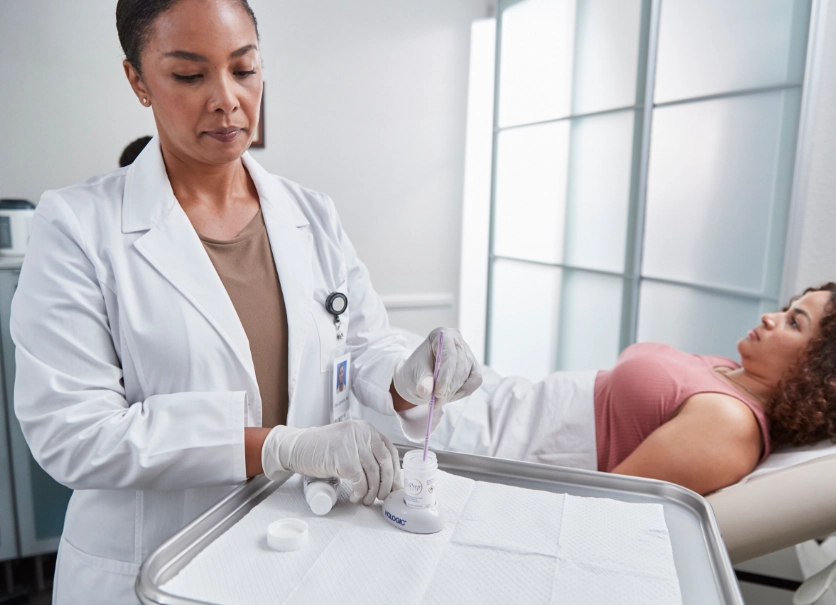
- Pap Smear (Pap Test): This is a screening for cervical cancer, usually done during the pelvic exam by gently scraping cells from the cervix. Guidelines have changed! For most women 21-65, it's now recommended every 3-5 years, not annually, depending on age and history. Your doctor will tell you if you're due.
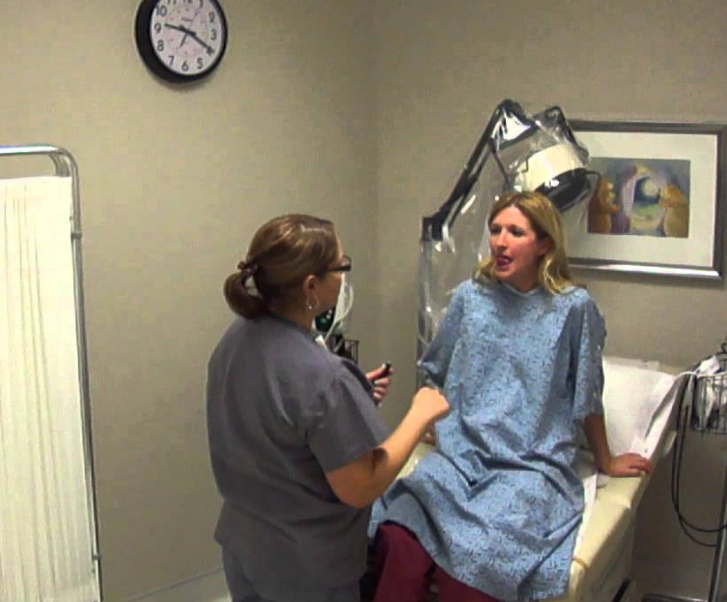
Personal Take: The pelvic exam is the part most women dread. It's uncomfortable, sometimes embarrassing. But a good provider will talk you through every step, go slowly, and use a warmed speculum. If they don't, it's okay to speak up. You have a right to a respectful and comfortable experience. I once had a doctor who was so rushed it felt violating. I never went back. Your comfort matters.
The Screening Schedule: What You Need & When
This is where a lot of confusion lies. The tests you get during your annual physical checkup for women depend heavily on your age, family history, and personal risk factors. Here's a general breakdown. Think of it as a menu, not a fixed prescription.
| Age Group | Core Health Focus | Key Screenings & Discussions |
|---|---|---|
| 20s & 30s | Foundational Health, Reproductive Planning | Blood pressure, BMI, cervical cancer screening (Pap/HPV), STI screening if sexually active, breast awareness, mental health, contraception, preconception counseling. |
| 40s | Early Detection Shifts | All of the above, plus mammogram starting at 40-50 (discuss with doctor), blood glucose/cholesterol checks, thyroid check (TSH), perimenopause symptom discussion. |
| 50s & 60s | Preventive Focus on Chronic Disease | Regular mammograms, colon cancer screening (colonoscopy starting at 45-50), bone density scan (DEXA) for osteoporosis risk at 65 (or earlier if high risk), continued heart health monitoring, vaccination updates (shingles, etc.). |
| 70s & Beyond | Maintaining Function & Safety | Continued cancer screenings (based on health/guidelines), falls risk assessment, cognitive health screening, medication review, vision/hearing checks, advanced care planning. |
This table is a simplified guide. The Centers for Disease Control and Prevention (CDC) offers a detailed, interactive Prevention Checklist that can be personalized.
It's a lot, right? That's why spacing these out over the years makes sense. Your annual visit is the time to schedule and coordinate these various screenings.
Beyond the Basics: The Often-Forgotten Parts of the Visit
We focus on the poking and prodding, but some of the most impactful parts of your annual wellness exam for women happen without a instrument in sight.
Mental Health Check-in
This is becoming standard, and thank goodness. Your provider should ask about your mood, stress, anxiety, and signs of depression. It's not an intrusion; it's recognition that mental health is inseparable from physical health. If you're struggling, this is a safe entry point to get resources.
Vaccination Review
It's not just for kids. Adults need Tdap boosters, flu shots, COVID-19 boosters, and at certain ages, shingles and pneumonia vaccines. Your doctor's office is the perfect place to get these updated.
Lifestyle Counseling
Need help with nutrition, quitting smoking, or starting an exercise routine? Your annual visit is a chance to ask for referrals to dietitians, smoking cessation programs, or physical therapists. The American Heart Association's Healthy Living resources are also a fantastic starting point for heart-healthy habits.
After the Exam: Understanding Your Results & Next Steps
You leave the office, and the waiting game begins. Some results are instant (blood pressure), others take days or weeks (labs, biopsies).
Most offices now use online portals where you can see your results directly. This is great for transparency but can be anxiety-inducing if you don't understand the numbers.
- Normal Results: Celebrate! File them away. They become part of your health baseline.
- Borderline or Abnormal Results: Do not panic. An abnormal result does not equal a diagnosis. It's a flag that needs further investigation. It could be a lab error, a temporary blip, or an early warning sign. Your doctor's office should contact you to discuss the next steps, which might be a repeat test or a more specialized follow-up.
"The goal of screening is to find things when they are small and treatable, not to deliver a perfect report card every time. An abnormal finding is the system working as intended."
If you don't hear back in the expected timeframe, call. Be your own advocate.
Common Questions Women Have (The Real Ones We Google)
Wrapping It Up: Your Health, Your Partnership
At the end of the day, the annual physical exam for women is about building a relationship. It's about having a healthcare professional who knows you, your history, and your body over time. That continuity is priceless when a real problem arises.
Look, it's not a spa day. It can be awkward, cold, and sometimes stressful. But the peace of mind that comes from knowing you're taking active, intelligent care of your one and only body? That's worth an hour of your year.
Final Thought: Schedule it. Put it in your calendar right now. Go in prepared with your questions. See it as an investment, not an inconvenience. Your future self will look back and be grateful you did. And remember, you're not just a patient in that room—you're the most important member of your own healthcare team.
Now, go make that call.
POST A COMMENT