Gut Health for Women: A Complete Guide to Hormones, Diet & Wellness
Have you ever wondered why your gut seems to rebel at certain times of the month? Or why your best friend can eat anything without a problem, while you feel bloated after a simple salad? You're not imagining things. When it comes to gut health for women, the playing field isn't level. Our biology, our hormones, even the societal pressures we face—they all conspire to make our digestive journey unique. And often, more complicated.
I remember sitting with a friend who was going through a rough patch with perimenopause. She was frustrated, telling me, "My body feels like a foreign country. The bloating is unreal, my energy is in the gutter, and my mood swings are making everyone miserable." It wasn't just about her period anymore; it was a whole-body shift that started in her gut. That conversation sparked a deep dive for me. I realized that so much of the advice out there is generic. It treats our guts like unisex organs, when they're anything but. This guide is my attempt to change that. Let's talk about what women's gut health really means, why it's so pivotal to our overall well-being, and most importantly, what we can actually do about it.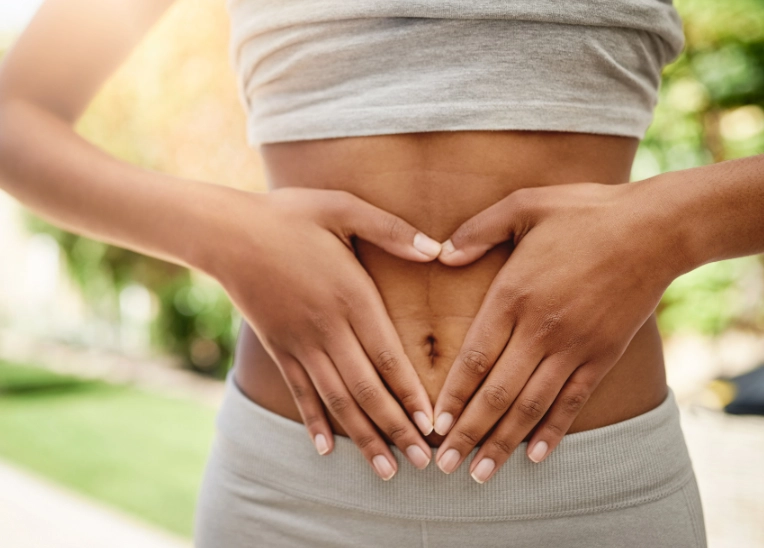
Here's the truth they don't always tell you: Your gut is your second brain, and for women, it's in constant, intimate conversation with your hormones. Ignoring that conversation is like trying to have a phone call on mute—you'll miss everything important.
Why Is a Woman's Gut So… Sensitive?
Let's cut to the chase. Women are more likely than men to report issues like irritable bowel syndrome (IBS), bloating, and constipation. It's not in our heads; it's in our physiology. The reasons are a tangled web, but we can pull on a few key threads.
First, there's the hormonal rollercoaster. Estrogen and progesterone aren't just period hormones; they're master conductors of a vast bodily orchestra, and your digestive tract is a key section of the ensemble. They directly affect gut motility—that's the speed at which food moves through you. High progesterone, which peaks after ovulation, can slow things down, leading to that frustrating constipation and bloating many women know all too well. Then, when progesterone drops before your period, things can swing the other way. It's no wonder digestive symptoms often flare cyclically.
Second, the structure of our pelvic floor is different. I won't get too deep into the anatomy, but let's just say the close quarters between our reproductive organs and our bowels means issues in one area can easily affect the other. It's a design feature with some frustrating side effects.
Finally, consider the stress factor. While stress impacts everyone's gut (thanks to the gut-brain axis), women often face unique social and psychological stressors that can manifest physically. The pressure to "have it all," the mental load of managing households, the societal expectations around body image—these aren't just emotional burdens. They are biochemical events that directly alter gut function and the microbiome. Your gut hears your anxiety loud and clear.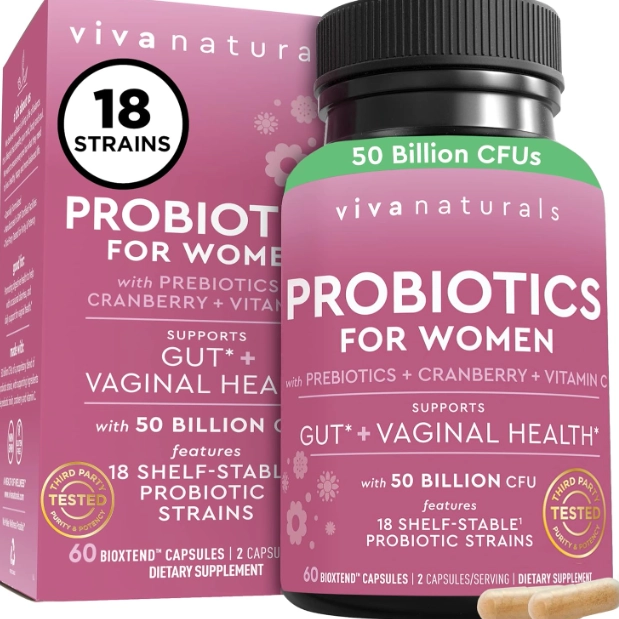
The Gut-Hormone Connection: It's a Two-Way Street
This is where it gets fascinating, and where focusing on gut health for women becomes non-negotiable. It's not just that hormones affect your gut. Your gut health profoundly influences your hormones.
Inside your intestines lives a universe of microbes—your gut microbiome. This community doesn't just help you digest food. A significant portion of estrogen, after it's done its job, is sent to the gut to be excreted. But certain bacteria produce an enzyme called beta-glucuronidase, which can reactivate that estrogen and send it right back into your bloodstream. This process, sometimes called the "estrobolome," means an imbalanced gut can lead to estrogen dominance. Symptoms of that? Heavy periods, PMS, fibroids, and worsened perimenopausal symptoms.
Think about that for a second. The state of your bacterial garden can directly impact your hormonal balance. It explains why two women on the same diet can have wildly different hormonal experiences. This connection is a core reason why a one-size-fits-all approach to wellness fails us.
A Personal Gripe: I'm tired of seeing probiotics marketed to women with pink packaging and vague promises. The real story—this intricate gut-hormone dialogue—is so much more compelling and useful than "supports feminine health." We deserve better information.
Common Gut Issues That Disproportionately Affect Women
Knowing what you're up against is half the battle. Here are the usual suspects:
- Irritable Bowel Syndrome (IBS): Women are about twice as likely as men to have IBS, particularly the IBS-C (constipation-predominant) subtype. The pain, bloating, and erratic bowel habits are deeply tied to the menstrual cycle for many.
- Bloating: That "pregnant" feeling after meals? It's incredibly common. It can be from gas, slow motility, visceral hypersensitivity (where your gut is extra sensitive to normal amounts of gas), or small intestinal bacterial overgrowth (SIBO).
- Constipation: The progesterone effect is real. Many women find their bowel habits change predictably across their cycle.
- Food Sensitivities: These often increase during times of hormonal flux, like puberty, postpartum, and perimenopause. It's as if the gut's tolerance threshold gets lower.
So, what's the game plan? It's not about finding a single miracle cure. It's about building a lifestyle that respects your body's unique rhythms.
Building Your Gut-Health Foundation: The Three Pillars
Improving your gut health as a woman rests on three interconnected pillars: what you eat, how you manage stress, and how you support your microbiome. Neglect one, and the whole structure gets wobbly.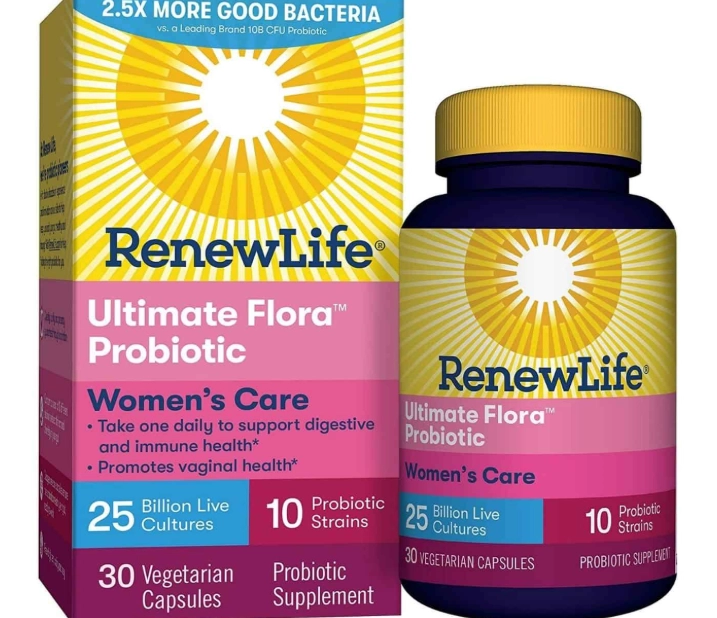
Pillar One: Food is Information
Diet is the most direct tool you have. But forget rigid, restrictive diets. The goal is to nourish your gut bugs and reduce inflammation. Here’s a practical table of gut-friendly foods, tailored with women's needs in mind:
| Food Category | Specific Examples | Key Benefit for Women's Guts | Simple Tip |
|---|---|---|---|
| Fermented Foods (Probiotics) | Plain yogurt (with live cultures), kefir, kimchi, sauerkraut, miso, kombucha (low-sugar) | Introduces beneficial bacteria directly; may help modulate the estrobolome. | Start with a tablespoon of sauerkraut at lunch. Go slow if you're new to fermented foods. |
| Prebiotic Fibers | Garlic, onions, leeks, asparagus, Jerusalem artichokes, green bananas, oats | Feeds the good bacteria you already have; promotes SCFA production for gut lining health. | Sauté onions and garlic as a base for most of your savory dishes. |
| Polyphenol-Rich Foods | Berries, dark leafy greens, dark chocolate (>70%), green tea, olives, pecans | Acts as antioxidants and fuel for good bacteria; anti-inflammatory. | Add a handful of frozen berries to your morning smoothie or oatmeal. |
| Healthy Fats | Avocado, olive oil, fatty fish (salmon, mackerel), nuts, seeds | Reduces gut inflammation; supports hormone production (cholesterol is a hormone precursor). | Drizzle extra virgin olive oil on cooked veggies and salads. |
| Bone Broth / Collagen | Homemade bone broth, collagen peptides powder | Provides amino acids like glycine and proline that may help repair the gut lining. | Sip a cup of warm bone broth in the afternoon instead of coffee. |
My own experiment?
I started adding a tablespoon of ground flaxseed to my breakfast. The fiber is great, but the lignans in flax also have a mild phytoestrogen effect, which can be helpful for hormonal balance. Did it solve all my problems? No. But I noticed more regularity, and that's a win in my book.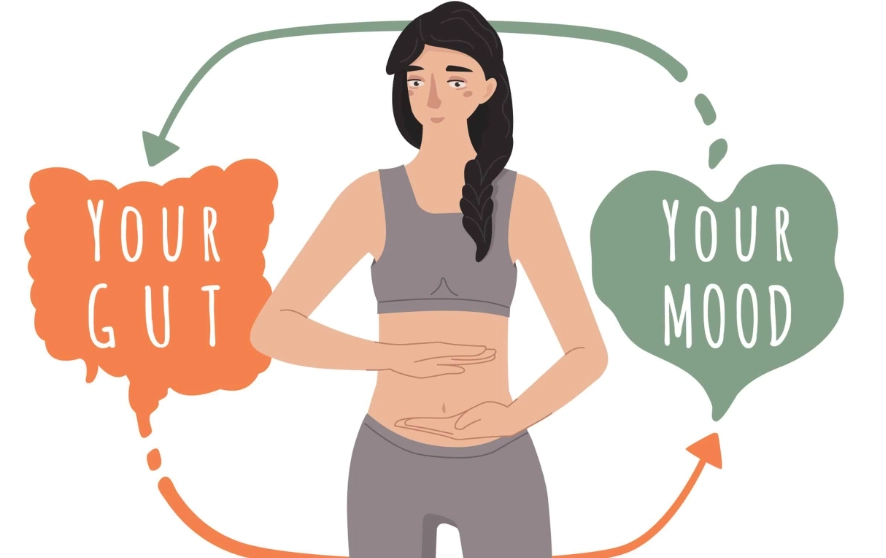
Pillar Two: Stress, Sleep, and Movement
You can eat all the kimchi in the world, but if you're chronically stressed and sleep-deprived, your gut will struggle. This pillar is where women's gut health often falls apart, because we're so often the caregivers, the planners, the doers.
- Stress Management: This isn't about bubble baths (though they're nice). It's about down-regulating your nervous system. The vagus nerve is the main information superhighway between your gut and brain. Practices like diaphragmatic breathing (5 minutes a day), gentle yoga, or even humming can stimulate it, sending a "calm down" signal to your gut. Harvard Medical School's health blog has excellent resources on the science of stress and the gut-brain connection.
- Sleep: Poor sleep disrupts hunger hormones (ghrelin and leptin), increases cortisol (a stress hormone that damages the gut lining), and negatively alters your microbiome. Prioritizing 7-8 hours is a direct investment in your gut. I find that on nights I sleep poorly, my digestion is noticeably more sensitive the next day.
- Movement: Exercise improves gut motility and microbial diversity. But more is not always better. Intense, prolonged exercise can actually increase gut permeability and stress the system. A mix of walking, strength training, and gentle movement like Pilates or stretching is ideal. Listen to your body—if you're exhausted, a walk is better than a punishing HIIT session.
Pillar Three: Targeted Support (Probiotics & Beyond)
The probiotic supplement aisle is overwhelming. Here's a simpler way to think about it:
- Food First: Always start by consistently incorporating fermented foods.
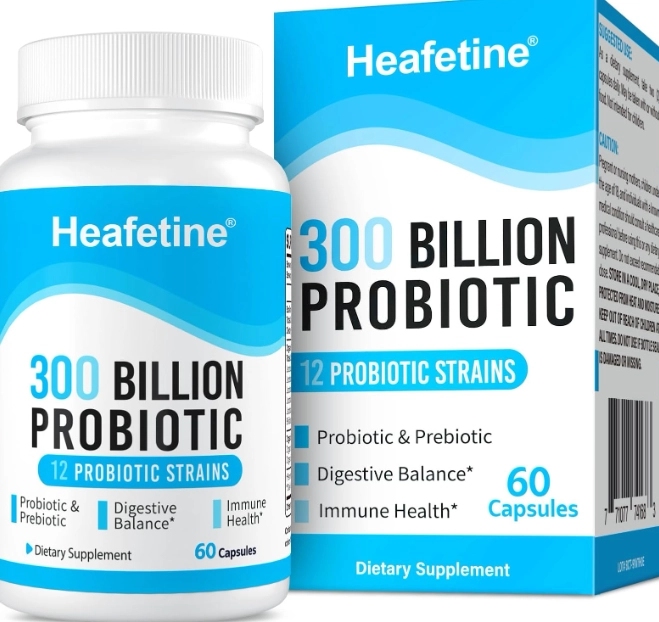
- Consider a Probiotic: If you're taking antibiotics, have significant digestive distress, or are going through a major hormonal shift (like postpartum), a targeted probiotic may help. Look for strains with research behind them for women's issues, like Lactobacillus and Bifidobacterium species. The National Institutes of Health (NIH) database is a good place to check for research on specific strains.
- Don't Forget Prebiotics: These are the fibers that feed your good bacteria. If you're increasing high-fiber foods, you're already on it.
- Digestive Enzymes & Bitters: For some women, especially as we age, stomach acid and enzyme production can dip. Taking a digestive enzyme with meals or using bitters before eating can significantly reduce bloating and improve nutrient absorption. This was a game-changer for me personally.
The Takeaway: Your gut health strategy should be as dynamic as you are. It's not a static "diet" but a flexible set of tools—nourishing foods, stress buffers, and smart support—that you adapt based on where you are in your cycle and your life.
Navigating Different Life Stages
Our needs change. What works at 25 may not work at 45. Let's break it down.
Gut Health During Your Menstrual Years
Track your symptoms alongside your cycle for two months. You'll likely see a pattern. Use this knowledge proactively:
- Follicular Phase (after period): Energy is higher. This is a great time for heavier, fiber-rich meals and more intense exercise.
- Luteal Phase (after ovulation): Progesterone is rising. Focus on magnesium-rich foods (leafy greens, nuts, dark chocolate) to combat constipation and cravings. Gentle movement like walking or yoga can ease bloating. Ease up on raw, hard-to-digest salads if they bother you.
Pregnancy and Postpartum
This is a gut revolution. Progesterone soars, slowing digestion (hello, constipation). The growing uterus displaces organs. Postpartum, the microbiome shifts dramatically. Prioritize fiber, hydration, and gentle walks. Probiotics during pregnancy and breastfeeding have been shown to be safe and potentially beneficial for both mom and baby's microbiome, but always consult your OB/GYN. Resources from the American College of Obstetricians and Gynecologists (ACOG) are invaluable here.
Perimenopause and Menopause
As estrogen declines, many women experience a resurgence of gut issues—new food sensitivities, worsening IBS, weight gain around the middle. The gut lining can become more permeable. This is a critical time to double down on gut-healing foods (bone broth, collagen), diverse fibers, and stress management. Supporting your gut can mitigate some of the worst menopausal symptoms, including mood swings and joint pain. It's all connected.
Answering Your Top Questions on Gut Health for Women
Let's tackle some of the specific things I know women are searching for.
"Why am I always bloated, especially in the evening?"
Evening bloating is super common. It's often a cumulative effect. You've eaten all day, stress has built up, and digestion naturally slows as you wind down. Try having your largest meal at lunch, eating dinner earlier, and making it lighter and easier to digest (think soups, steamed fish, cooked veggies). Also, watch your posture while eating—slouching compresses your digestive organs.
"Are probiotic supplements really necessary?"
Necessary? For most generally healthy women, no. Beneficial? They can be, especially in specific situations. The key is that they are a supplement, not a replacement for a gut-friendly diet. If you do take one, give it at least 3-4 months and choose a quality brand with multiple strains and a high CFU count (in the billions).
"Can improving my gut health help with my hormonal acne/PCOS?"
Absolutely. Since the gut regulates inflammation and hormone metabolism, a healthier gut can lead to more balanced hormones. For conditions like PCOS, which involve insulin resistance and inflammation, a gut-supportive, anti-inflammatory diet is a cornerstone of management. Reducing gut permeability can also mean fewer inflammatory molecules entering your bloodstream and triggering skin issues.
"I've tried everything and still have issues. What now?"
This is where it's crucial to seek professional help. A gastroenterologist can rule out conditions like celiac disease, Crohn's, or ulcerative colitis. A registered dietitian specializing in gut health or a functional medicine practitioner can help you dig deeper into possibilities like SIBO, candida overgrowth, or parasites. Don't suffer in silence; personalized guidance is powerful. The International Foundation for Gastrointestinal Disorders is a great patient resource for understanding these complex conditions.
Five Actionable Things You Can Start This Week
- Start a Food-Mood-Symptom Log: Just for a week. Note what you eat, your stress level, your sleep, and any gut symptoms. Look for patterns, not perfection.
- Add One Fermented Food: Buy a jar of good sauerkraut (refrigerated, with live cultures) and add a forkful to your plate once a day.
- Practice Belly Breathing: For 5 minutes before bed, lie down, place a hand on your belly, and breathe deeply into it, making your hand rise and fall. It's a direct vagus nerve stimulator.
- Swap One Grain: Switch your white rice or pasta at one meal for a more fibrous option like quinoa, barley, or farro.
- Hydrate Between Meals: Drink most of your water between meals, not during. This allows your stomach acid to work properly without being diluted.
The final word.
Caring for your gut health as a woman isn't about achieving some impossible standard of perfection. It's about understanding the unique conversation happening inside you and learning how to support it. It's about recognizing that your digestive system is deeply intertwined with your hormones, your mood, your energy, and your long-term health. Some days you'll eat the perfect plate and go for a long walk. Other days, stress will win, and you'll eat toast for dinner. That's okay. The goal is progress, not perfection. Start with one small, kind step. Your gut—and your whole self—will thank you for it.
POST A COMMENT