Best Dairy-Free Alternatives: Ultimate Guide for Milk, Cheese & More
Let's be real for a second. The first time I tried to go dairy-free, it was a disaster. I bought the first carton of almond milk I saw, poured it into my coffee, and nearly spat it out. It was watery, had a weird aftertaste, and my cereal turned into a sad, soggy mess. I thought that was it – that all dairy-free alternatives were just inferior imitations. I was wrong. So wrong.
It turns out, I just picked the wrong product. The world of dairy-free alternatives has exploded in the last few years, and the quality? It's gone from chalky, bland substitutes to products that are genuinely delicious and functional in their own right. Whether you're dealing with lactose intolerance (like me), following a vegan diet, managing a milk allergy, or just curious about cutting back, finding the best dairy-free alternatives is no longer about settling. It's about discovering new favorites.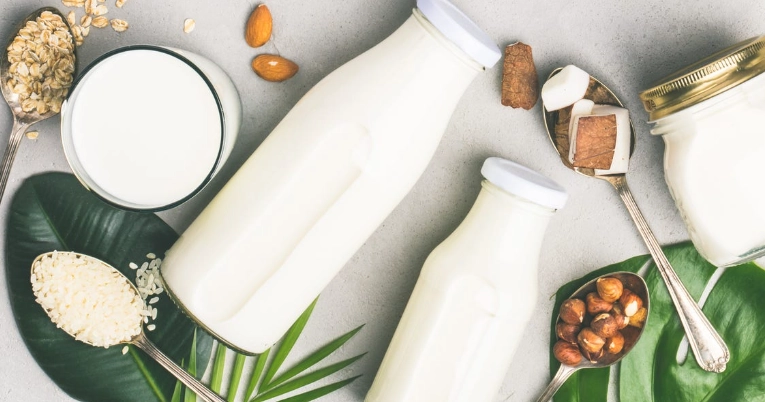
But here's the catch. Walk down the supermarket aisle now and you're bombarded with options: oat, almond, soy, coconut, cashew, pea, hemp, rice… and that's just the milk. Then there's cheese, yogurt, butter, ice cream, and creamer. It's overwhelming. How do you know which one will work in your morning latte, which will melt properly on a pizza, and which won't make your baked goods a dense brick?
Why Are People Looking for the Best Dairy-Free Alternatives Anyway?
It's not just a trend. People have solid reasons for seeking out these products. For a huge number of adults worldwide, lactose – the sugar in milk – becomes harder to digest after childhood. The symptoms (bloating, gas, stomach cramps) are no joke. Then there are those with a genuine milk protein allergy, which is a serious immune response. For others, it's an ethical choice rooted in animal welfare or environmental concerns. Some research, like that discussed by Harvard T.H. Chan School of Public Health, encourages exploring plant-based milk options for sustainability and health diversity. And some folks, like myself for a while, just feel better when they reduce dairy.
Knowing your "why" helps narrow the search. If it's for lactose intolerance, any plant-based alternative works. If it's for a milk allergy, you need to be super careful about cross-contamination and read labels meticulously (some nut milks are processed in facilities that also handle dairy). If it's for the planet, you might lean towards oats or peas, which generally have a lower water footprint than almonds.
The Ultimate Showdown: Plant-Based Milks Compared
This is where most people start. Replacing cow's milk. And it's the category with the most choice. The key thing to remember? They are not nutritionally identical to cow's milk. Their protein, fat, and vitamin content varies wildly. Most are fortified with calcium and vitamins D and B12 to match dairy milk, but you have to check the label.
Here’s a breakdown of the top contenders. I've ranked them not just on taste, but on how they perform in real life.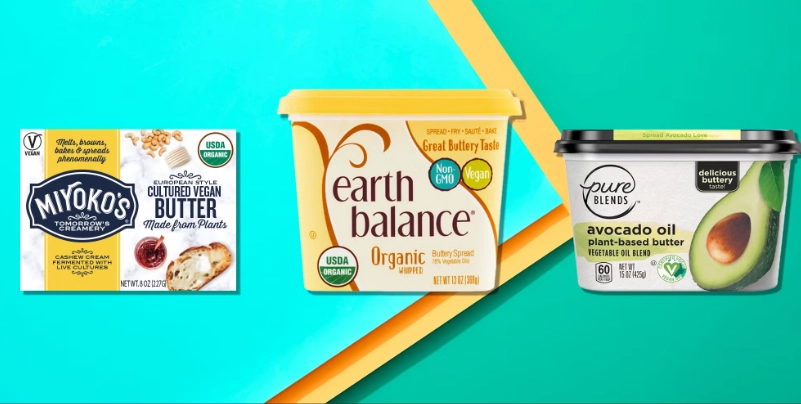
| Alternative Milk | Best For | Taste & Texture Profile | Nutritional Notes | Watch Out For |
|---|---|---|---|---|
| Oat Milk | Coffee (especially frothing), cereals, drinking straight, baking. | Creamy, naturally sweet, mild oat flavor. Froths excellently. | Often higher in carbs/fiber, low in protein unless fortified. Check for added sugars. | Can be high in calories and sugars in "barista" or sweetened versions. |
| Almond Milk (Unsweetened) | Smoothies, light cereals, cooking in savory dishes. | Light, nutty, slightly watery texture. Low-calorie option. | Very low in calories and protein. Usually fortified with calcium/vitamins. | Environmental water use concerns. Can be overly thin. |
| Soy Milk | All-purpose: drinking, baking, cooking. Needs protein. | Creamy, beany flavor (varies by brand). Texture closest to dairy milk. | Highest natural protein content among plant milks (~7g/cup). Often fortified. | Some people avoid soy due to allergies or personal preference. |
| Cashew Milk | Creamy sauces, soups, desserts, coffee creamer. | Very creamy, rich, mild nutty taste. Blends beautifully. | Low in protein. Contains healthy fats. Often higher in calories. | Can be pricey. Not always great for frothing. |
| Coconut Milk (Beverage) | Curries, tropical smoothies, oatmeal, some baking. | Rich, distinct coconut flavor, creamy. | High in saturated fats (MCTs). Low in protein. | Flavor dominates. Not for savory dishes where you don't want coconut taste. |
| Pea Protein Milk | Those seeking high protein, athletes, people with nut/soy allergies. | Neutral to slightly earthy, creamy texture. | High protein (~8g/cup), similar to soy. Fortified. | Can have a distinct aftertaste depending on the brand. |
My top pick for the best dairy-free milk alternative overall? It depends on the use. For coffee, oat milk is a game-changer. For a protein-packed all-rounder, soy milk is the nutritional winner. For a neutral, low-calorie option for smoothies, unsweetened almond milk works. You really need to have a couple in your fridge for different jobs.
A Quick Word on Homemade vs. Store-Bought
I've tried making my own almond and oat milk. It's fun, it's fresh, and you control the ingredients. But let me tell you, it's a process. And the result is usually much thinner and separates quickly. It's also not fortified. For convenience and consistency, especially for things like coffee, I stick with store-bought, fortified versions. But if you love DIY projects, go for it! Just know it's a different product.
The Tricky World of Dairy-Free Cheese: A Realistic Look
This is the category where expectations need the most managing. If you're expecting a vegan cheddar that tastes, melts, and stretches exactly like dairy cheddar, you will be disappointed. Full stop. Early vegan cheeses were, frankly, terrible – waxy, plasticky, and they refused to melt.
But wow, have things improved. The new generation of dairy-free cheeses, often made from cashews, coconut oil, or cultured legumes, are in a different league. The key is to think of them as a new category of food, not a direct replica.
Here’s how to navigate it:
- For Melting on Pizzas & Nachos: Look for brands that use coconut oil and/or tapioca starch. These are engineered to melt and get stretchy. Miyoko's, Violife, and Follow Your Heart have solid options. Don't overdo it – a little goes a longer way than dairy cheese.
- For Cheese Sauces & Mac 'n' Cheese: This is where cashew-based sauces shine. Soaked cashews blended with nutritional yeast, lemon juice, and spices creates a shockingly creamy, "cheesy" sauce that's actually delicious. It's one of the best dairy-free alternatives for a comforting meal.
- For Cheese Boards & Slicing: Aged nut-based cheeses (like those from Treeline or Miyoko's Creamery) are fantastic. They have complexity, tang, and a firm texture. They're pricey, but perfect for a special occasion.
- For Parmesan Topping: Nutritional yeast flakes mixed with ground almonds or store-bought vegan parmesan (often based on coconut oil) work great. The flavor is salty, savory, and umami.
Butter, Yogurt, and Ice Cream: The Supporting Cast
These are the easier wins, honestly.
Butter: For spreading on toast, plant-based butters made from olive, avocado, or almond oil are fantastic. They taste great. For baking, this is critical: you need a plant-based butter that comes in a stick form and has a similar fat content to dairy butter. Brands like Earth Balance Buttery Sticks or Miyoko's European Style Cultured Vegan Butter work well. Don't just use a spreadable tub butter for cookies – it has too much water and will ruin the texture.
Yogurt: Coconut milk yogurt is incredibly thick and creamy, almost like a Greek yogurt. Soy and almond milk yogurts are also good, but can be thinner. The trick here is to check for live cultures (for gut health) and, again, watch the added sugar. Unsweetened versions are best, and you can add your own fruit.
Ice Cream: This is a decadent category where dairy-free truly excels. Bases made from cashew, coconut, or oat cream create an unbelievably rich and smooth product. Ben & Jerry's, So Delicious, and Oatly have lines that are indistinguishable from premium dairy ice cream in my opinion. Seriously, try the cashew-based salted caramel.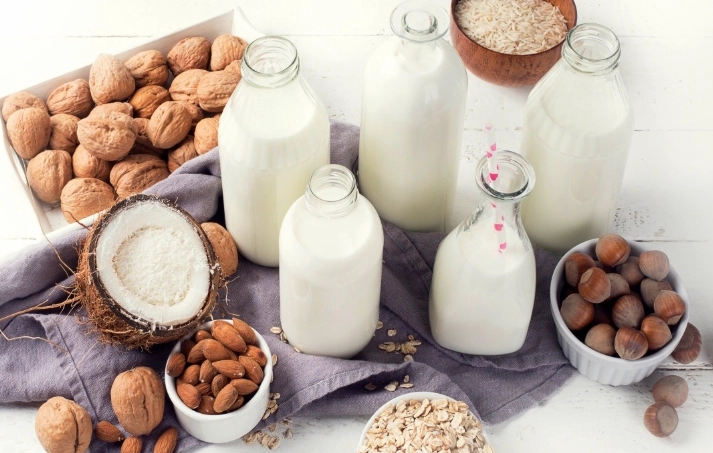
Cooking and Baking with Dairy-Free Alternatives: Pro Tips
This is where you can save yourself from kitchen failures. Swapping 1:1 doesn't always work.
- Baking: For most cakes and muffins, unsweetened soy or oat milk is a safe, neutral bet. For buttermilk, add a tablespoon of lemon juice or vinegar to your plant milk and let it sit for 5 minutes. For condensed milk, you can find canned coconut or oat-based versions.
- Cooking: For creamy pasta sauces, a cashew cream (blended soaked cashews with water) is magic. For mashed potatoes, use unsweetened oat milk or a bit of vegan butter and olive oil for richness.
- What about protein? This is a valid concern, especially for growing kids or athletes. Dairy is a complete protein source. If you're replacing all dairy, ensure you're getting protein from other places: beans, lentils, tofu, tempeh, seitan, and protein-rich plant milks (soy, pea). The U.S. government's Nutrition.gov resource on food allergies also stresses the importance of reading labels to ensure nutritional adequacy when substituting major food groups.
Answering Your Burning Questions (FAQ)
Let's tackle some of the specific things people google when looking for the best dairy-free alternatives.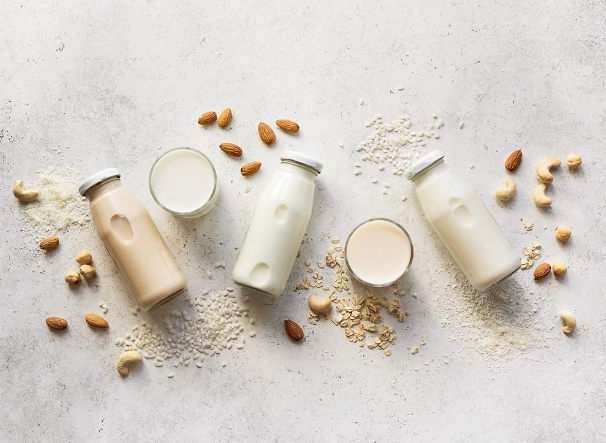
What is the best dairy-free milk for coffee?
Hands down, oat milk. Specifically, a "barista edition" oat milk. These are formulated to steam and froth without separating or curdling in hot, acidic coffee. They create a microfoam that's perfect for lattes and cappuccinos. Soy milk is the second-best option for frothing. Almond milk tends to separate.
What is the best dairy-free cheese that actually melts?
For melting and stretching, look for brands that use coconut oil and modified food starch (like tapioca). Violife and Follow Your Heart's shreds are consistently praised for their meltability on pizzas. For a more artisanal, oozy melt, Miyoko's liquid mozzarella is a cult favorite.
Are dairy-free alternatives healthier than dairy?
Not automatically. "Healthier" is subjective. They are cholesterol-free and often lower in saturated fat (except coconut-based products). But they can be high in added sugars, oils, and stabilizers. The healthiest choice is an unsweetened, fortified version with minimal ingredients. For someone with lactose intolerance or a milk allergy, they are certainly a healthier choice than suffering the consequences of dairy.
I have nut allergies. What are my best dairy-free alternatives?
You have great options! Oat milk and soy milk are top contenders. For cheese, look for brands that use a base of coconut oil, oats, or legumes (like pea protein). For butter, sunflower or soy-based spreads are common. Always, always read the allergen label as manufacturing facilities vary.
Why is my dairy-free sauce grainy or separating?
This is often a heat issue. Many plant-based products contain starches or proteins that can break down or "curdle" if boiled rapidly. Heat gently and avoid boiling. For cheese sauces, a high-speed blender is your best friend to achieve that silky-smooth texture.
Final Thoughts: It's a Journey of Taste
Finding the best dairy-free alternatives for your life isn't a one-and-done trip to the store. It's a bit of a tasting journey. Brands differ wildly. An oat milk from one company can taste completely different from another. Don't give up if your first try is bad.
Start with one category at a time. Maybe this week, you try three different plant milks in your coffee. Next week, experiment with a vegan butter. Give your taste buds time to adjust, too. After a while, you stop comparing them directly to dairy and start appreciating their own unique flavors and qualities.
The market is better than ever. With a little patience and this guide, you can build a dairy-free kitchen that's not about lack, but about abundance and delicious new possibilities. And honestly, that's the best outcome of all.
POST A COMMENT