Let's cut to the chase: natural skincare isn't about slapping avocado on your face and hoping for the best. I've been there—ten years ago, I switched from drugstore creams to all-natural products, and my skin freaked out. Red patches, breakouts, you name it. Turns out, I was doing it all wrong. Natural skincare, when done right, can transform your skin by working with its biology, not against it. But the internet is full of fluffy advice that misses the point. This guide is different. We'll dive into what actually works, based on my experience and solid research from sources like the Environmental Working Group's Skin Deep database. Forget the jargon; we're talking real steps you can start today.
What You'll Find Inside
What Natural Skincare Really Means (And What It Doesn't)
First off, let's clear up a big misconception. Natural skincare doesn't mean every ingredient comes straight from a farm. That's unrealistic and often ineffective. Instead, it's about using formulations derived from plants, minerals, or other natural sources, with minimal synthetic additives. The goal is to avoid harsh chemicals like parabens, sulfates, and synthetic fragrances that can disrupt your skin's barrier. But here's the kicker: 'natural' isn't regulated by the FDA, so brands can slap that label on anything. I learned this after buying a 'natural' toner that listed alcohol as its main ingredient—dried my skin out like a desert.
The Common Misconceptions About Going Natural
People think natural skincare is automatically gentle or works overnight. Not true. Some natural components, like tea tree oil, can be potent and irritating if misused. And it's not just for hippies; busy professionals can integrate it easily. Another myth: it's expensive. Sure, some high-end organic lines cost a fortune, but you can find affordable options or even DIY basics. The real cost is time—your skin needs weeks to adjust, unlike chemical-laden products that offer quick fixes but long-term damage.
How to Build a Simple Yet Effective Natural Skincare Routine
Start simple. I mean it. When I overhauled my routine, I made the mistake of using ten new products at once. Big regret. Your skin needs to adapt slowly. Here's a no-nonsense, three-step routine that covers the essentials. This isn't a rigid plan; tweak it based on your skin type—oily, dry, combination, or sensitive.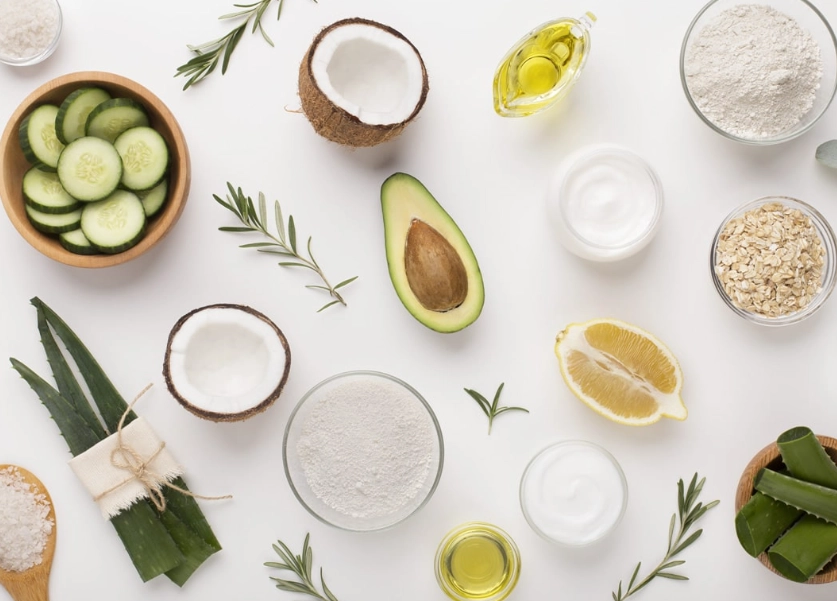
Step 1: Cleansing with Natural Ingredients
Cleansing is non-negotiable, but ditch the foamy sulfates. Look for cream or oil-based cleansers with ingredients like jojoba oil or chamomile. For mornings, a splash of water might suffice if your skin isn't oily. At night, double cleanse if you wear makeup: first an oil cleanser, then a gentle milky one. A personal favorite? A brand like Tata Harper uses beetroot extract—sounds weird, but it leaves skin clean without stripping it. If you're on a budget, plain almond oil from the grocery store works as a first step; just massage it in and wipe off with a warm cloth.
Step 2: Toning and Balancing
Toners aren't just for shrink pores—they restore pH balance. Skip the alcohol-heavy ones. Instead, opt for rose water or witch hazel-based toners. I mix my own with green tea infusion and a drop of lavender oil; it's calming and costs pennies. Apply with a cotton pad or just spray on. This step preps your skin for better absorption of moisturizers.
Step 3: Moisturizing the Natural Way
Moisturizer locks in hydration. For day, choose a light lotion with hyaluronic acid (yes, it can be naturally derived) and SPF—sun protection is crucial, even in natural skincare. At night, a richer cream with shea butter or ceramides helps repair skin. Don't forget your neck! I used to ignore mine, and now the difference is obvious. If you have acne-prone skin, avoid heavy oils like coconut; try squalane from olives instead.
Pro tip: Listen to your skin. If a product stings or causes redness, stop using it. Natural doesn't mean universally safe—patch test everything on your inner arm first.
Top 5 Natural Ingredients You Should Know
Not all natural ingredients are created equal. Based on research from sources like the National Institutes of Health studies on botanicals, here are five powerhouse components that deliver real benefits. I've ranked them by versatility and effectiveness.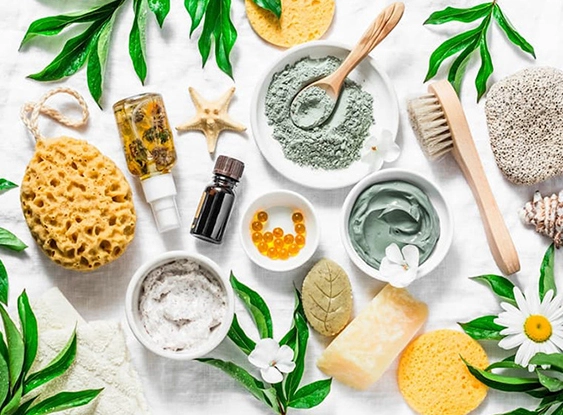
| Ingredient | Best For | Key Benefit | Watch Out For |
|---|---|---|---|
| Jojoba Oil | All skin types, especially oily | Mimics skin's sebum, balances oil production | Can feel greasy if over-applied |
| Niacinamide (Vitamin B3) | Redness, acne, aging | Reduces inflammation, improves barrier function | Might cause flushing in high concentrations |
| Oat Extract | Sensitive or dry skin | Soothes itching, provides hydration | Less effective for oily skin concerns |
| Green Tea Extract | Acne-prone, dull skin | Antioxidant, reduces sebum production | Can stain if used in high amounts |
| Hyaluronic Acid | Dehydration, fine lines | Holds 1000x its weight in water, plumps skin | Needs to be paired with a moisturizer to seal in |
These aren't magic bullets, but they form a solid foundation. For instance, jojoba oil saved my combination skin during winter—I mix two drops into my moisturizer. Avoid jumping on every trendy ingredient; stick to a few that address your specific issues.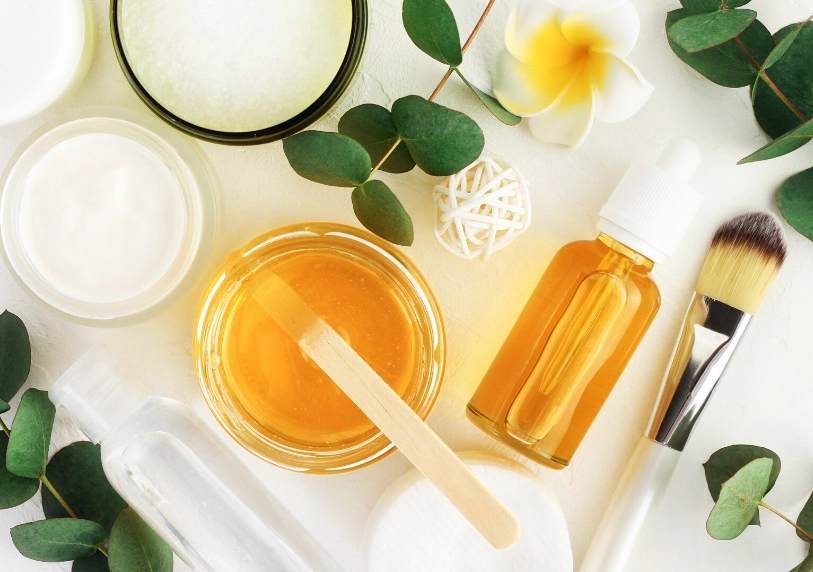
Avoiding Pitfalls: Mistakes Beginners Make with Natural Skincare
I've seen friends quit natural skincare because of these errors. Let's break them down so you don't fall into the same traps.
Over-exfoliating: Just because it's natural doesn't mean it's mild. Using physical scrubs like walnut shells daily can micro-tear your skin. Instead, opt for chemical exfoliants like lactic acid from milk, once a week max.
Ignoring expiration dates: Natural products often lack synthetic preservatives, so they spoil faster. That expensive serum? It might go bad in 6 months. Store them in a cool, dark place and sniff for changes—rancid oil smells off.
Assuming all oils are good: Coconut oil is hailed as a miracle, but for my acne-prone sister, it caused cysts. Patch test oils on a small area first. Lighter oils like argan or rosehip work better for many.
Skimping on sunscreen: This is huge. Natural skincare doesn't replace SPF. Mineral sunscreens with zinc oxide are a natural option—they sit on top of skin, reflecting UV rays. I use one from Badger Balm; it leaves a slight white cast, but it's effective.
Remember, consistency beats perfection. Miss a day? No big deal. Just get back on track.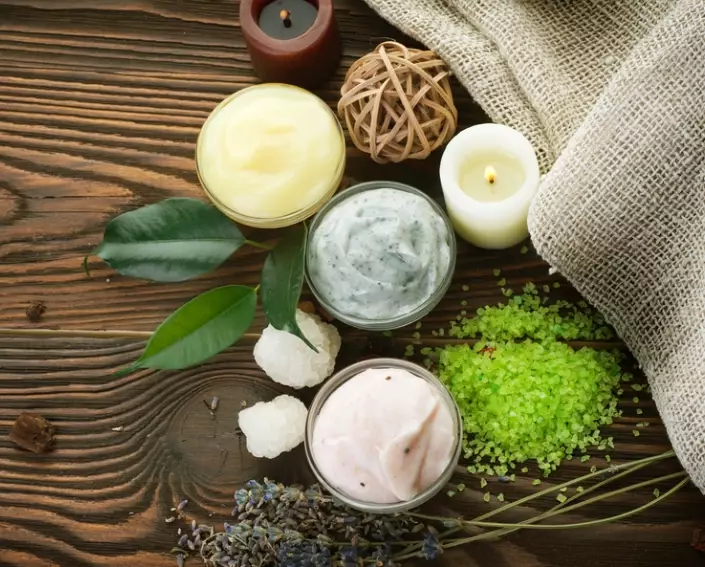
FAQ: Your Burning Questions Answered
Natural skincare is a journey, not a destination. It's about tuning into what your skin needs, not following trends blindly. Start small, be patient, and don't be afraid to mix and match. Your skin will thank you—mine did, after I stopped treating it like a science project. For more insights, check out resources like the EWG's guide to safer cosmetics, but always trust your own experience over any article. Now, go give your skin some love.






Leave a comment