Plant-Based Diet for Women: Benefits, Nutrition, and Starter Guide
What You'll Find Inside
If you're a woman thinking about switching to a plant-based diet, you're onto something big. It's not just a trend—it can boost your health in ways you might not expect. From better hormone balance to lower risk of heart disease, the benefits are real. But here's the catch: if you don't plan it right, you could end up feeling tired or missing key nutrients. I've seen it happen with clients who jump in without a clue. So let's cut through the noise and get practical.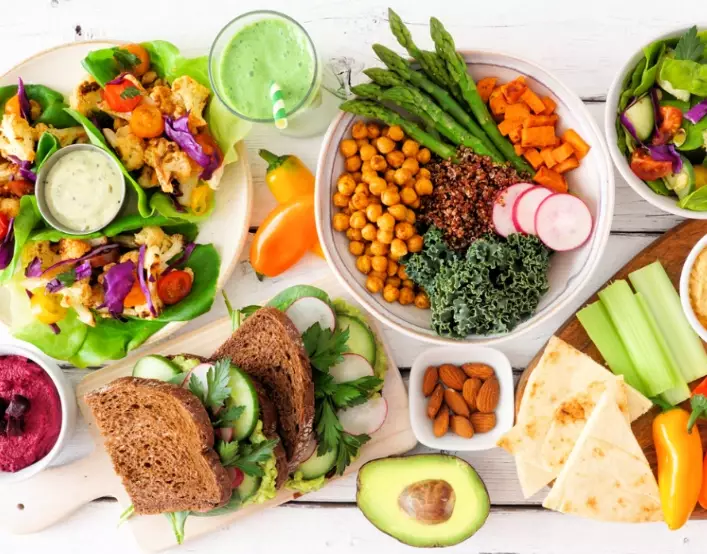
I've been coaching women on nutrition for over a decade, and the biggest mistake I see? Relying too much on processed plant foods like vegan burgers and skipping whole foods. That's a recipe for nutrient gaps. In this guide, we'll dive deep into what works, backed by science from places like the American Heart Association and the National Institutes of Health.
Why a Plant-Based Diet is Great for Women
Women's bodies have unique needs—think hormones, bone density, and heart health. A plant-based diet, when done well, can address these directly. It's not just about avoiding meat; it's about loading up on plants that work for you.
Heart Health Benefits
Heart disease is a top killer for women, but plants can be a shield. Studies from the American Heart Association show that diets rich in fruits, vegetables, and whole grains lower cholesterol and blood pressure. I remember a client in her 50s who switched to a plant-based diet and saw her LDL cholesterol drop by 20% in three months. She focused on oats, beans, and nuts—simple stuff.
Hormone Balance and Menopause
This is where plants shine. Foods like soy contain phytoestrogens, which can ease menopause symptoms like hot flashes. But don't overdo it—balance is key. Too much soy without variety can backfire. Flaxseeds are another hero; they're packed with lignans that help regulate estrogen. A tip from my experience: include a tablespoon of ground flaxseed in your morning smoothie.
Weight Management
Plants are naturally lower in calories and higher in fiber, so you feel full longer. That can help with weight loss or maintenance. But watch out for vegan junk food—it's easy to overeat chips and cookies. Stick to whole foods.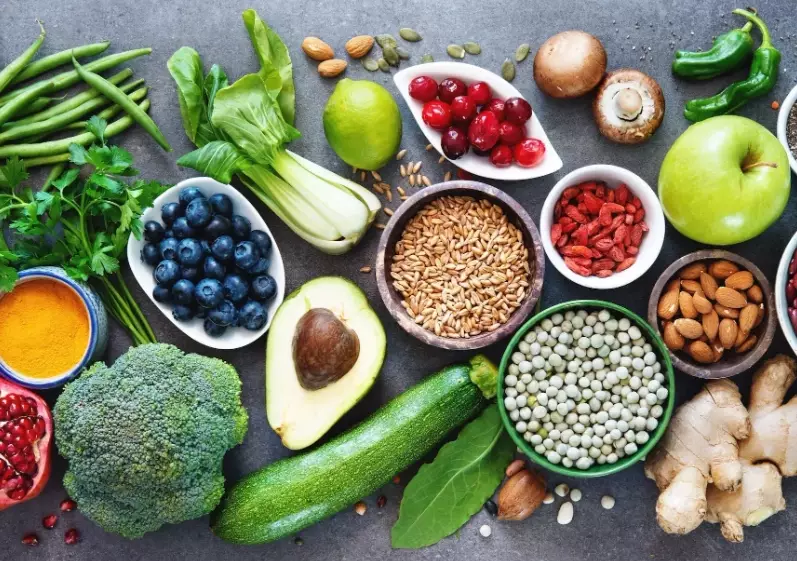
Quick take: A plant-based diet isn't a magic bullet, but it's a powerful tool. Focus on variety to cover all bases.
Essential Nutrients for Women on a Plant-Based Diet
Women need specific nutrients that can be tricky to get from plants alone. Here's a breakdown of the big ones, with practical tips.
| Nutrient | Why It Matters for Women | Best Plant-Based Sources | Tips for Absorption |
|---|---|---|---|
| Iron | Prevents anemia, especially with heavy periods | Lentils, spinach, tofu, pumpkin seeds | Pair with vitamin C (e.g., lemon juice on spinach) |
| Calcium | Supports bone health, critical post-menopause | Fortified plant milks, kale, almonds, tahini | Spread intake throughout the day; avoid high-oxalate greens raw |
| Vitamin B12 | Essential for nerve function and energy | Fortified foods, supplements | Take a sublingual B12 supplement daily—no plant source is reliable |
| Omega-3 Fatty Acids | Reduces inflammation, supports brain health | Flaxseeds, chia seeds, walnuts, algae oil | Grind flaxseeds for better absorption; consider an algae supplement |
Iron is a big one. Plant-based iron (non-heme) isn't absorbed as easily as from meat. So, combine lentils with bell peppers or drink orange juice with your meal. I've had clients who felt dizzy until they fixed this.
Calcium—many think dairy is the only source, but fortified plant milks work well. Just check the label; some brands add more than others. And don't forget weight-bearing exercise for bones.
Vitamin B12 is non-negotiable. I've seen vegans ignore this and end up with fatigue and tingling hands. A simple supplement solves it.
How to Start a Plant-Based Diet: A Step-by-Step Guide
Jumping in cold turkey can be overwhelming. Here's a gradual approach that sticks.
- Week 1-2: Swap one meal a day. Start with breakfast—try oatmeal with berries and nuts instead of eggs. It's easy and sets a positive tone.
- Week 3-4: Focus on lunch and dinner. Replace meat in one dish with beans or lentils. For example, make a chickpea salad instead of chicken salad. I did this myself years ago, and it felt sustainable.
- Month 2: Experiment with new recipes. Try a vegan stir-fry or lentil soup. Use spices to keep things interesting—turmeric, cumin, garlic.
- Ongoing: Plan ahead. Batch cook grains and beans on weekends. Keep snacks like hummus and carrots handy.
Avoid the all-or-nothing mindset. If you slip up, it's fine. The goal is progress, not perfection.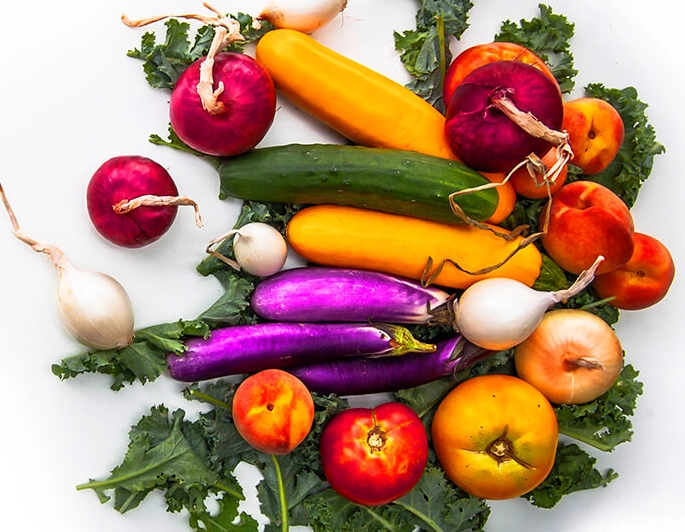
Common Mistakes to Avoid
From my coaching, here are pitfalls women often face:
Overdoing processed foods: Vegan cheese and mock meats are fun, but they're often high in sodium and low in nutrients. Use them as occasional treats, not staples.
Skipping fat: Women need healthy fats for hormone production. Don't fear avocados, nuts, and seeds. A low-fat plant-based diet can lead to dry skin and mood swings.
Not drinking enough water: Fiber intake increases on a plant-based diet, so hydration is crucial to avoid bloating. Aim for 8-10 glasses a day.
Ignoring protein variety: Rotate your protein sources—beans, lentils, tofu, tempeh, quinoa. This ensures you get all essential amino acids.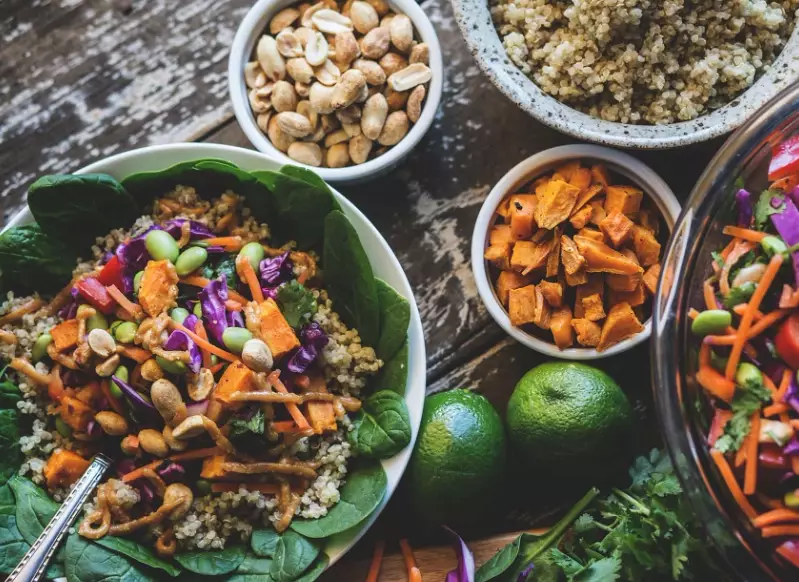
Sample 7-Day Meal Plan
Here's a simple plan to get you started. Adjust portions based on your activity level.
| Day | Breakfast | Lunch | Dinner |
|---|---|---|---|
| Monday | Oatmeal with flaxseeds and blueberries | Lentil soup with whole-grain bread | Stir-fried tofu with broccoli and brown rice |
| Tuesday | Smoothie (spinach, banana, almond milk, chia seeds) | Chickpea salad sandwich | Black bean tacos with avocado |
| Wednesday | Whole-grain toast with almond butter | Quinoa bowl with roasted veggies | Lentil pasta with marinara sauce |
| Thursday | Chia pudding with berries | Hummus and veggie wrap | Sweet potato and black bean chili |
| Friday | Fruit salad with nuts | Leftover chili | Vegan pizza on whole-wheat crust |
| Saturday | Pancakes made with oat flour | Large salad with beans and tahini dressing | Curried lentils with rice |
| Sunday | Tofu scramble with peppers | Soup and sandwich combo | Roasted vegetable medley with quinoa |
Snack ideas: apple slices with peanut butter, carrot sticks, or a handful of almonds. Drink water or herbal tea throughout.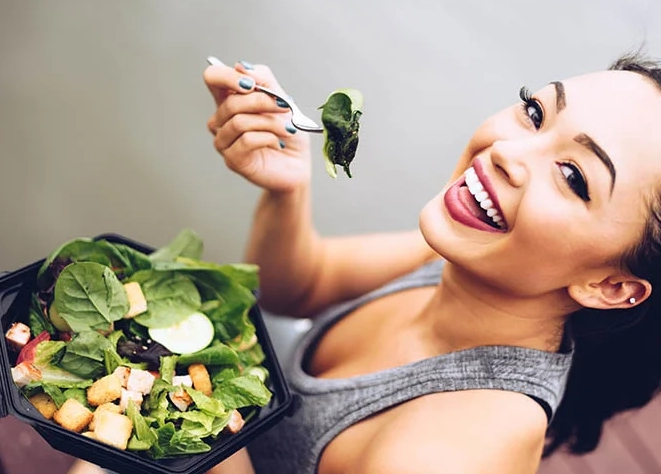
Frequently Asked Questions
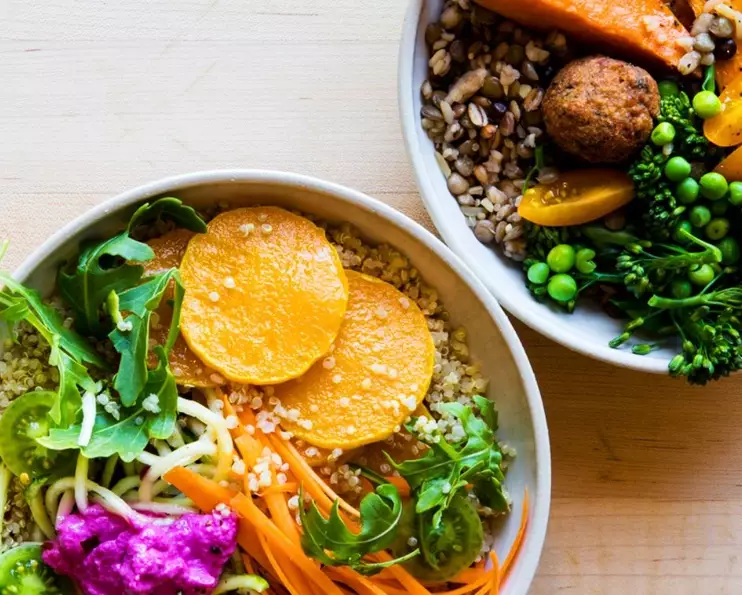
Remember, a plant-based diet for women isn't about restriction—it's about abundance. Start slow, listen to your body, and enjoy the journey. If you have specific health concerns, consult a dietitian. For more info, check resources from the Academy of Nutrition and Dietetics or the Harvard T.H. Chan School of Public Health.
POST A COMMENT