Healthy Grocery Shopping Guide: Ultimate Tips for Smart Food Choices
What You'll Learn in This Guide
Let's be honest. Walking into a grocery store can feel like navigating a minefield. One aisle is packed with chips screaming "buy me!", the next has cereals claiming to be "heart-healthy" while containing more sugar than a candy bar. You go in with good intentions, but you leave with a cart that's half healthy, half guilty pleasure. It doesn't have to be that way.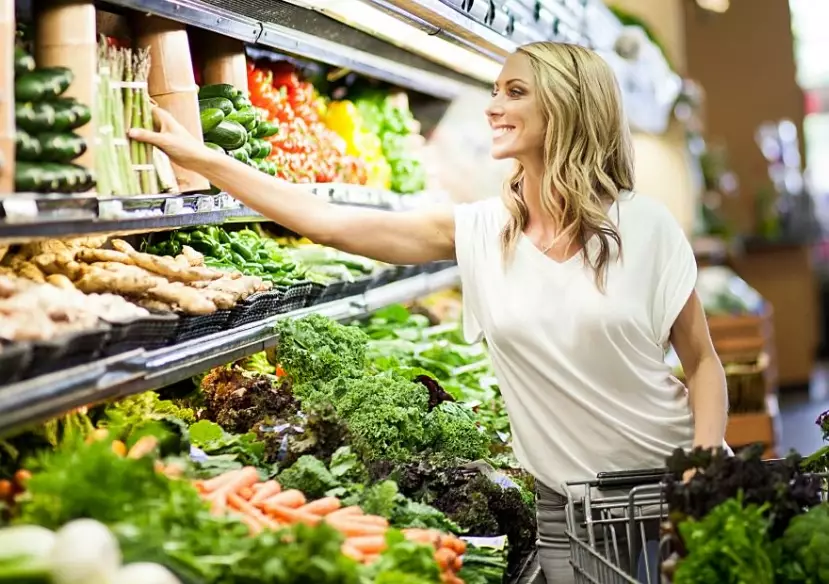
Healthy grocery shopping isn't about deprivation. It's about making smarter, more informed choices that fuel your body and make you feel good. It's a skill you can learn, and it starts long before you even step foot in the store.
Plan Ahead: The Key to Smart Shopping
I used to shop without a plan. I'd wander the aisles, grabbing whatever looked good or was on sale. My cart was a chaotic mix of healthy and not-so-healthy items. The result? Food that went bad before I could eat it, or meals that left me feeling sluggish.
The single most important step for healthy grocery shopping happens at home: planning your meals.
Take 20 minutes on a Sunday (or whatever day works for you) and think about your upcoming week. What will you eat for breakfast, lunch, and dinner? Write it down. This simple act creates a framework for your shopping list. You're not just buying food; you're buying ingredients for specific meals.
Here's a trick I learned from a nutritionist friend: shop the perimeter of the store first. This is where you'll find most of the fresh, whole foods—fruits, vegetables, lean proteins, dairy, and whole grains. The inner aisles are where the processed and packaged foods live. By filling your cart with perimeter items first, you naturally limit the space and budget for less healthy options.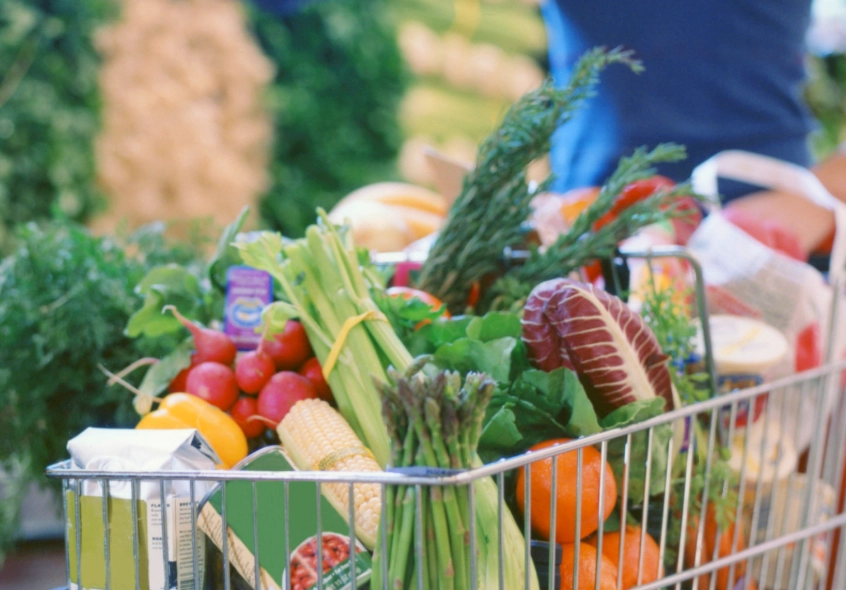
Build a Healthy Grocery Shopping List Template
Instead of a generic "vegetables," get specific. Instead of "apples," think "Granny Smith apples for a tart pie" or "Honeycrisp apples for snacking." This specificity prevents you from buying random items you won't use.
I like to use a simple table for my weekly produce needs. It helps me visualize what I have and what I need to buy, preventing waste.
| Category | Must-Have Items (Examples) | Why They Matter |
|---|---|---|
| Colorful Vegetables | Spinach, kale, bell peppers, carrots, broccoli | Provide vitamins, minerals, and fiber; aim for at least 3 different colors per day. |
| Fresh Fruits | Berries (frozen work great!), apples, bananas, oranges | Offer natural sweetness and antioxidants; keep a bowl on the counter for easy snacking. |
| Quality Proteins | Chicken breast, salmon, tofu, lentils, eggs | Build and repair tissues; include plant-based sources like lentils and beans. |
| Healthy Fats | Avocados, nuts, seeds, olive oil, fatty fish (salmon) | Support brain function, hormone production, and satiety; choose whole food sources over processed oils. |
| Smart Carbohydrates | Sweet potatoes, quinoa, brown rice, oats, whole-wheat bread | Provide sustained energy; opt for whole grains over refined versions. |
| Dairy or Alternatives | Greek yogurt, milk (or plant-based alternatives), cheese | Supply calcium and vitamin D; choose low-fat or plant-based options if needed. |
| Flavor & Convenience | Herbs, spices, garlic, onion, low-sodium sauces, healthy snacks | Enhance meals without adding excessive sugar or salt; plan for healthy snacks to avoid unhealthy choices. |
Notice how the table focuses on categories and examples rather than a rigid list. This approach is more flexible and adapts to seasonal availability and personal taste.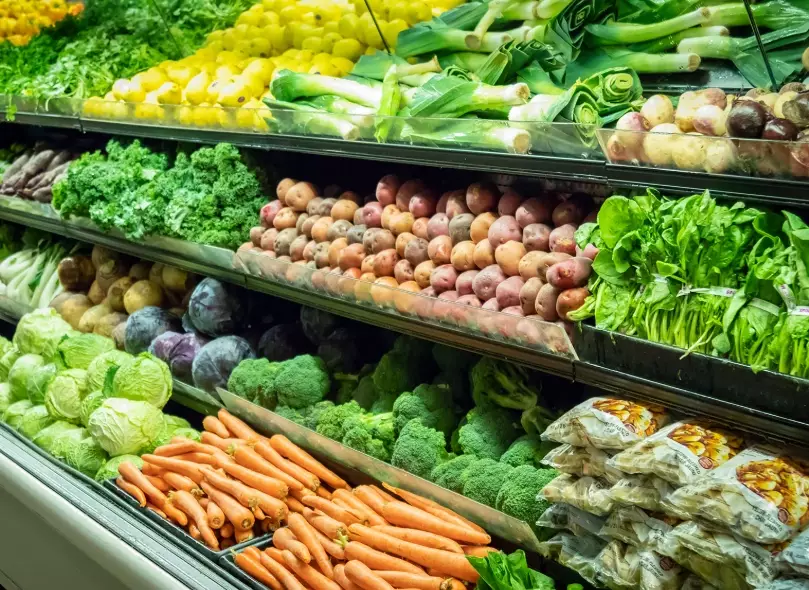
Once you have your meal plan and categorized list, check your pantry and fridge. You'd be surprised how many times I've bought canned beans only to find three cans already sitting in the back. This step saves money and reduces food waste.
How to Read Food Labels Effectively
This is where most people, including myself for years, make a critical mistake. We look at the front of the package, see "low-fat" or "high in fiber," and assume it's healthy. But these claims are often marketing tactics designed to catch your eye.
The real information is on the back, in the Nutrition Facts panel and the Ingredients list.
Step 1: Ignore the Front, Go Straight to the Back
Forget the colorful pictures and health claims. Turn the package around and find the black-and-white box.
Step 2: Master the 3-Second Label Scan
You don't need to analyze every single nutrient. Focus on these three key areas in this order:
- Serving Size: Is this realistic for how much you actually eat? If the package says "serving size: 1/2 cup" but you normally eat a full cup, you need to double all the numbers below.
- % Daily Value (%DV): Use this as a quick guide. 5% DV or less is low, 20% DV or more is high. Aim for higher %DV in dietary fiber, vitamins, and minerals, and lower in saturated fat, trans fat, cholesterol, sodium, and added sugars.
- Ingredients List: Ingredients are listed by weight from most to least. If sugar (or its many aliases like high-fructose corn syrup, cane juice, etc.) is one of the first three ingredients, put it back. It's likely a sugar bomb in disguise.
Let me give you a personal example. I used to buy a popular brand of yogurt because it said "made with real fruit" on the front. Sounds healthy, right? One day I actually read the label. The second ingredient was sugar, and the "fruit" was a tiny amount of fruit concentrate. I was essentially eating flavored sugar with a side of yogurt. I switched to plain Greek yogurt and added my own fresh berries. The taste was better, and I cut my sugar intake by over 20 grams per serving.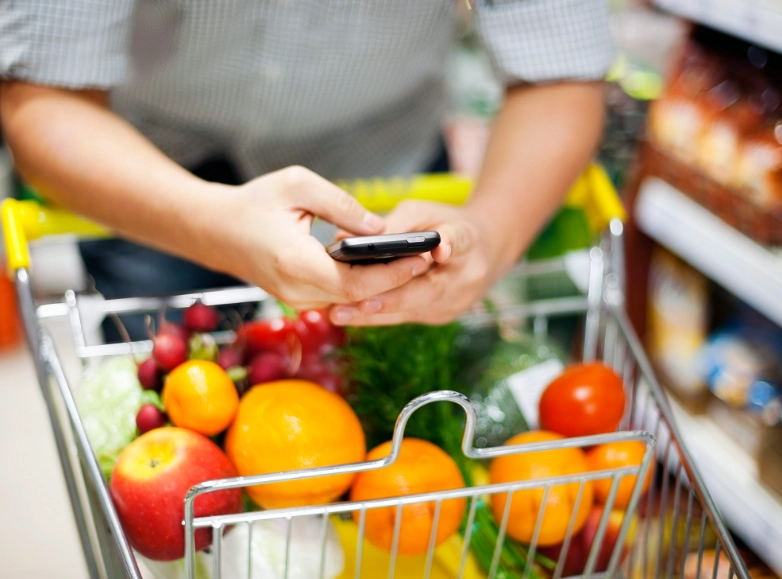
Common Grocery Shopping Pitfalls and How to Avoid Them
Even with a plan and label-reading skills, there are traps in the store itself. Let's talk about the environment.
The "Hunger Shopping" Trap
Never, and I mean never, go grocery shopping on an empty stomach. This is rule number one for a reason. Studies have shown that shopping while hungry leads to buying more high-calorie, processed foods. Your brain is focused on immediate energy needs, not long-term health goals.
My solution? I always eat a small, protein-rich snack before heading to the store. An apple with a tablespoon of almond butter, or a handful of nuts. This keeps my blood sugar stable and my cravings in check.
The "End-of-Aisle" and "Eye-Level" Marketing Ploys
Grocery stores are designed to make you buy more, and more of what they want you to buy. The most profitable items are placed at the end of aisles (where you're forced to slow down) and at eye level (where you see them first).
Stick to your list. If you didn't plan to buy it, don't pick it up just because it's conveniently placed. This sounds simple, but it requires conscious effort. I physically keep my phone in my hand with my shopping list open, and I only look at items on my list. I don't browse.
The "Bulk is Cheaper" Illusion
This one is subtle. Buying in bulk can save money, but only if you actually use all of it before it goes bad. How many times have you bought a giant bag of spinach because it was "such a good deal," only to throw half of it away when it wilts? That's not saving money; that's wasting money and food.
My rule of thumb: only buy in bulk for non-perishable staples you use regularly, like rice, beans, or oats. For fresh produce, stick to quantities you know you can consume within a week.
Budget-Friendly Healthy Grocery Shopping Strategies
The perception that eating healthy is expensive is one of the biggest barriers people face. Let's dismantle that myth.
Healthy eating can be affordable, but it requires a shift in strategy. It's not about buying the most expensive organic superfoods. It's about prioritizing nutrient-dense foods that give you the most bang for your buck.
Strategy 1: Prioritize Store Brands and Seasonal Produce
Store brands (also called generic or private label) are often significantly cheaper than name brands and are of comparable, if not identical, quality. Give them a try, especially for pantry staples like canned goods, beans, and grains.
Seasonal produce is not only cheaper but also at its peak flavor and nutritional value. Berries are expensive in winter but abundant and cheap in summer. Learn what's in season in your area and plan your meals around those items.
Strategy 2: Master the Art of the "Frozen and Canned" Aisle
This is a game-changer. Frozen vegetables and fruits are flash-frozen at peak ripeness, locking in nutrients. They are often cheaper than fresh, especially when out of season, and they last much longer, reducing waste.
Canned goods like beans, tomatoes, and tuna can be incredibly healthy and affordable. The key is to choose options packed in water or their own juices, with no added salt or sugar. Rinse canned beans and vegetables under running water to remove up to 40% of the sodium.
Strategy 3: Cook at Home More Often (Even Simple Meals)
Eating out is one of the biggest drains on both your wallet and your health goals. Restaurant meals are often loaded with hidden calories, sodium, and unhealthy fats. Cooking at home gives you complete control over your ingredients.
You don't need to be a master chef. Start with simple meals like scrambled eggs with spinach, a big pot of lentil soup that lasts for days, or sheet-pan roasted vegetables with chicken. Batch cooking on a weekend can save you time and stress during the week.
Your Healthy Grocery Shopping Questions Answered
I've been writing about and practicing healthy grocery shopping for years, and I still get questions. Here are a few of the most common ones I hear.
Healthy grocery shopping is a skill, and like any skill, it takes practice. You won't get it right every time. But each time you go, you'll get better. You'll learn which stores have the best prices on which items, you'll get faster at reading labels, and you'll start to develop your own system.
The most important thing is to just start. Pick one strategy from this guide and try it on your next shopping trip. See how it feels. Then add another.
Your body (and your wallet) will thank you for it.
POST A COMMENT