Unlock the Proven Benefits of Massage Therapy: A Science-Backed Guide
Let's be honest. Most of us think of a massage as a luxury, a treat for a special occasion. You book one when you're feeling particularly stressed or after a tough week. But what if I told you that regular massage therapy is one of the most powerful tools you can add to your health and wellness toolkit? It's not just about feeling pampered for an hour. The benefits are backed by science, impacting everything from chronic pain and circulation to anxiety and sleep quality.
I've been both a recipient and an advocate for massage for over a decade, working closely with therapists for sports injuries and stress management. The difference between a one-off treat and a consistent practice is night and day. This guide will break down the proven benefits, cut through the fluff, and show you how to make massage work for your specific needs.
What's Inside?
The Physical Benefits: Beyond Sore Muscles
This is where massage shines. If you have a physical complaint, chances are massage can help.
Pain Relief That Actually Works
This is the big one. Research from places like the National Center for Complementary and Integrative Health consistently shows massage is effective for pain. It's not just masking the pain; it's addressing the source.
- Lower Back Pain: A classic. Massage helps release the tight muscles in your back, hips, and glutes that are often the real culprits, not your spine itself.
- Neck and Shoulder Tension: From hours at a desk? Targeted work on the trapezius and levator scapulae muscles can bring incredible relief from that stiff, aching feeling.
- Headaches: Many tension headaches originate in the neck and suboccipital muscles (the base of your skull). A therapist can work these areas to reduce frequency and intensity.
My friend Sarah, a graphic designer, suffered from weekly tension headaches. After three sessions focusing on her neck and shoulders, the frequency dropped by about 80%. She now goes for maintenance every month.
Improved Circulation and Recovery
The kneading and pressure of massage acts like an internal pump for your circulatory and lymphatic systems.
Think of it this way: when muscles are tight, they constrict blood vessels. Massage releases that tension, allowing oxygen- and nutrient-rich blood to flow back in. At the same time, it helps move metabolic waste (like lactic acid) out. This is why athletes use it for recovery—it reduces muscle soreness and speeds up repair.
Enhanced Flexibility and Range of Motion
Tight muscles and connective tissue (fascia) restrict your movement. Massage helps break up adhesions and lengthen these tissues. It's not a replacement for stretching, but it makes your stretching and mobility work far more effective. If you feel stiff getting out of a chair or turning your head, regular massage can make those movements fluid again.
The Mental & Emotional Upside
The mind-body connection is real, and massage is a direct line to it. The physical relaxation triggers a cascade of mental benefits.
Stress and Anxiety Reduction
This is the benefit most people feel immediately. Massage therapy has been shown to significantly lower levels of cortisol, the body's primary stress hormone. Simultaneously, it boosts serotonin and dopamine—neurotransmitters associated with happiness and well-being.
For an hour, you're in a quiet, safe space with no notifications, no demands. Your nervous system shifts from "fight-or-flight" (sympathetic) to "rest-and-digest" (parasympathetic). This state of deep relaxation can reset your stress baseline for days.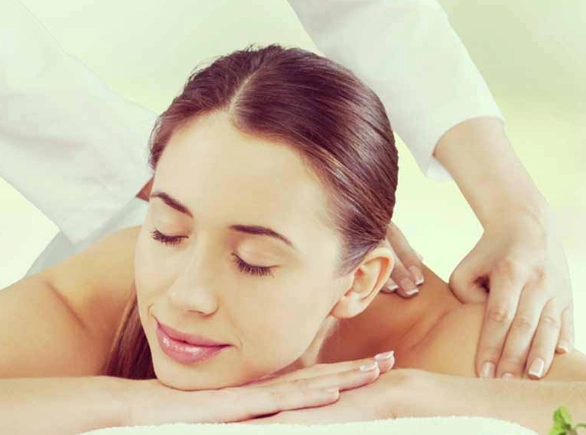
Better Sleep
Struggling to fall or stay asleep? The relaxation from massage, combined with the hormonal shifts, is a powerful sleep aid. Many clients report their best night's sleep after a session. It's particularly helpful for people whose insomnia is linked to physical tension or a racing mind.
Improved Focus and Mental Clarity
When your body isn't busy managing low-grade pain or tension, your brain has more resources. Clients often report feeling mentally clearer, less foggy, and more focused after a massage. It's like a system reboot.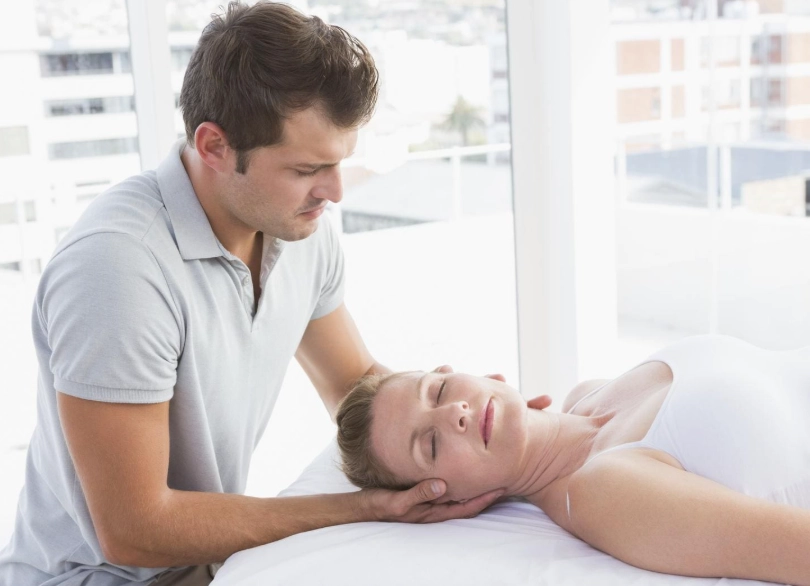
What's Actually Happening? A Look at the Science
It's not magic; it's physiology. Here's a simplified look at what science says is happening during a massage:
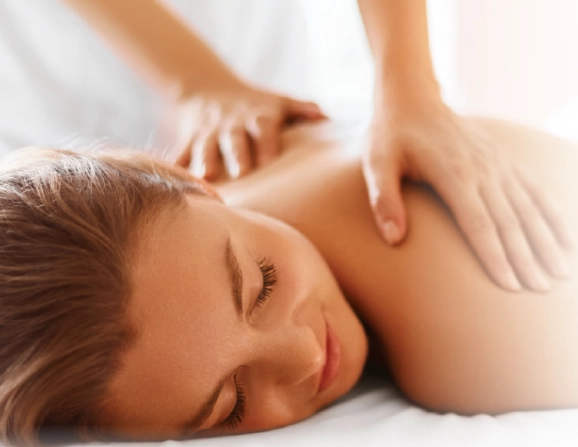
- Mechanical Effects: The physical manipulation stretches muscle fibers, breaks up scar tissue, and improves tissue elasticity.
- Neurological Effects: Pressure on muscles sends signals to the brain that can override pain signals (the "gate control theory" of pain). It also stimulates the vagus nerve, key to activating the parasympathetic nervous system.
- Chemical Effects: As mentioned, it alters hormone and neurotransmitter levels—less cortisol, more serotonin and oxytocin.
- Fascial Release: Fascia is the web of connective tissue surrounding everything in your body. When it gets tight or sticky, it causes pain and restriction. Skilled massage can release these restrictions.
How to Choose the Right Massage for You
Walking into a spa and picking something off the menu at random is a common mistake. The type of massage you get should match your goal. Here’s a quick guide:
| Massage Type | Best For | Pressure Level | What to Expect |
|---|---|---|---|
| Swedish Massage | General relaxation, stress relief, improving circulation, intro to massage. | Light to Medium | Long, gliding strokes, kneading. Very relaxing. |
| Deep Tissue Massage | Chronic muscle pain, injury recovery, specific knots ("adhesions"). | Medium to Firm | Slower, deeper strokes targeting deeper muscle layers. Can be intense. |
| Sports Massage | Athletes (pre/post-event), enhancing performance, preventing injury. | Varies | Focus on muscles used in a specific sport. Includes stretching. |
| Trigger Point Therapy | Isolated, painful "knots" that refer pain to other areas. | Focused & Firm | Concentrated pressure on specific points for 30-90 seconds to release them. |
My personal rule? If your main goal is to de-stress and unwind, start with Swedish. If you have a specific, nagging pain spot that hasn't budged, ask for deep tissue or trigger point work on that area specifically. You can always combine styles—a relaxing Swedish massage with some deeper work on your problem shoulder.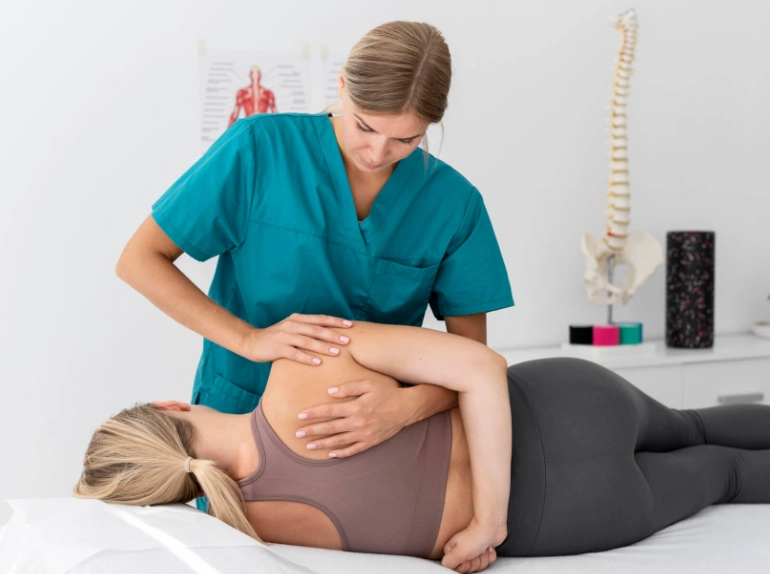
How to Make the Most of Your Massage
To truly unlock the benefits, you need to be an active participant.
- Communicate Clearly: This is non-negotiable. Speak up about pressure, areas to focus on, and areas to avoid. A good therapist wants this feedback.
- Hydrate Before and After: Water helps flush out the metabolic waste released during the massage. Dehydration can lead to a headache afterwards.
- Don't Rush Off: Give yourself 10-15 minutes of quiet time after. Jumping straight into a hectic errand run ruins the calming effect.
- Consider Consistency: One massage is great. A regular schedule (monthly, bi-monthly) is transformative. It's maintenance, not just repair.
- Check Credentials: Ensure your therapist is licensed/certified. A legitimate professional will have completed extensive anatomy and physiology training.
Your Massage Questions, Answered
Ultimately, viewing massage therapy as a component of your health regimen, similar to exercise or good nutrition, changes the game. The benefits compound over time. It's an investment in your physical ease and mental peace. Start with a clear goal, find a skilled therapist you trust, and experience the difference it can make beyond that single hour on the table.
POST A COMMENT