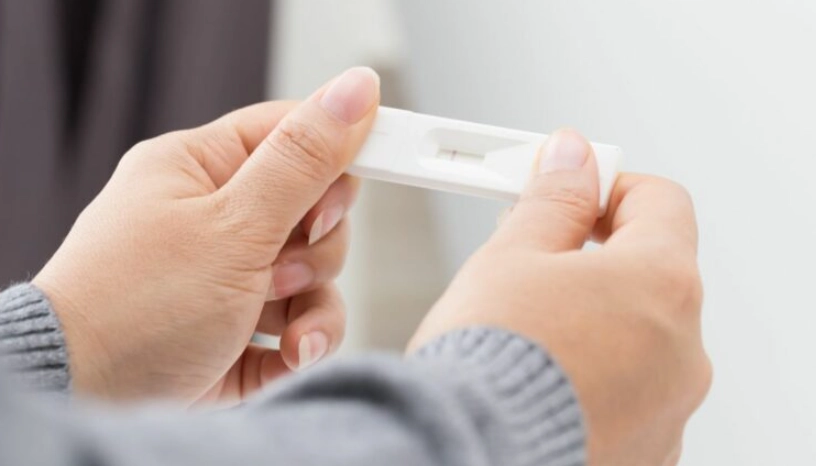
You've done everything "right." The blood tests show your hormones are in range. The HSG confirmed your tubes are open. His sperm analysis looks textbook perfect. Your ovulation predictor kits turn positive like clockwork. Yet, month after month, that negative test appears. The diagnosis you might hear is "unexplained infertility," a label that feels more frustrating than clarifying. It's not that nothing is wrong; it's that standard tests aren't designed to catch the subtle, complex factors that can silently block conception. Let's move beyond the basics and dig into what's really happening when the puzzle pieces fit but the picture won't form.
What You'll Discover in This Guide
- How Subtle Hormonal Imbalances Can Block Conception
- The Critical Role of Timing: Are You Missing Your Fertile Window?
- The Mind-Body Connection: How Stress and Anxiety Create a Hostile Environment
- Lifestyle Factors That Fly Under the Radar
- Other Hidden Culprits: From Immune Responses to Sperm Function
- Practical Next Steps When Facing Unexplained Infertility
- Your Burning Questions Answered (FAQ)
How Subtle Hormonal Imbalances Can Block Conception
Standard fertility blood work checks for major red flags. But conception is a symphony, not a solo act. Levels can be "normal" yet still be off-key for the delicate process of implantation and early pregnancy support.
Thyroid: The Master Regulator
Many doctors only check TSH (Thyroid Stimulating Hormone). A result of 4.5 might be flagged as normal in a general lab range. But for fertility, many reproductive endocrinologists argue the optimal TSH is under 2.5. A level between 2.5 and 4.5 indicates subclinical hypothyroidism. It's like having a thermostat set just a few degrees too low—the house isn't freezing, but it's not cozy enough for a new life to settle in. This slight dysfunction can disrupt ovulation, luteal phase quality, and increase miscarriage risk. It's one of the most common hidden issues I see in my practice.
Progesterone: Not Just a Level, But a Pattern
A single mid-luteal phase progesterone test can be misleading. The hormone needs to be high enough for long enough. You might hit the minimum threshold (often >10 ng/mL) on day 21, but if it drops too quickly afterward, the uterine lining may not be adequately prepared for implantation. Some women need supplemental progesterone even with "normal" levels to sustain the early weeks, a nuance often missed in initial evaluations.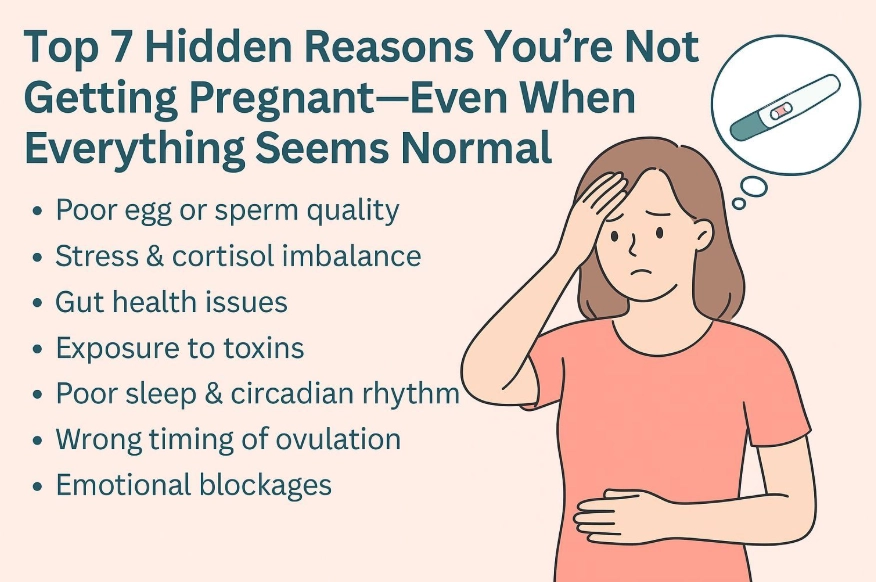
Vitamin D and Insulin Sensitivity
These aren't classic hormones, but they act like powerful signaling molecules. Vitamin D deficiency is rampant and linked to poor egg quality and implantation failure. Insulin resistance, even without a PCOS diagnosis, can create a inflammatory environment that hampers embryo development. Standard panels often overlook these.
The Critical Role of Timing: Are You Missing Your Fertile Window?
This seems basic, but the margin for error is tiny. Sperm can live up to 5 days, but the egg is only viable for about 12-24 hours after ovulation. The best chance is when sperm are already waiting in the fallopian tubes before the egg is released.
Many couples time intercourse for the day of a positive ovulation predictor kit (OPK) or the day after. Here's the problem: an OPK detects the luteinizing hormone (LH) surge, which typically triggers ovulation 24-36 hours after the surge starts. If you get a positive OPK in the morning and ovulate the next evening, waiting to have sex until the following day means you're hitting the very tail end of the egg's lifespan, or even missing it entirely.
The Timing Fix: The golden rule is "sperm meets egg." Have sex on the day of the LH surge and the day after. Better yet, start a day or two before the expected surge. Think of it as stocking the pantry before the guest arrives, not running to the store after they've knocked on the door.
Also, consider cervical mucus. Egg-white, stretchy mucus is nature's perfect sperm transport medium. If you're relying solely on an app prediction without observing your body's signals, you might be off by a day or two. Apps guess; your body shows.
The Mind-Body Connection: How Stress and Anxiety Create a Hostile Environment
"Just relax and it will happen" is infuriating advice. But dismissing the physiological impact of chronic stress is a mistake. It's not that stress "causes" infertility in a direct way, but it can be a significant contributing factor that tips the scales.
Chronic high cortisol (the stress hormone) can:
- Disrupt the hypothalamic-pituitary-ovarian axis, leading to anovulatory cycles or poor ovulation.
- Reduce blood flow to the uterus, potentially affecting endometrial receptivity.
- Increase systemic inflammation, which is detrimental to egg quality and implantation.
The cycle is vicious: trouble conceiving causes stress, which makes conceiving harder. I've had clients who conceived after adopting a serious stress-management practice, even when no other medical intervention changed. It wasn't magic; it was physiology.
Lifestyle Factors That Fly Under the Radar
You know about smoking and excessive alcohol. These are deeper cuts.
| Factor | How It Interferes | What "Normal" Looks Like | The Actionable Fix |
|---|---|---|---|
| Sleep | Disrupts melatonin (an ovarian antioxidant) and growth hormone production, crucial for egg quality. Poor sleep raises cortisol. | Getting 7-8 hours, but fragmented or low-quality sleep. Using phones/tablets in bed. | Aim for consistent sleep/wake times. Pitch-black room. No screens 1 hour before bed. |
| Exercise Intensity | Extreme, high-intensity exercise can suppress ovulation (low energy availability). Sedentary life increases inflammation. | Either marathon training or mostly sitting. The "all or nothing" approach. | Moderate, regular exercise (30-45 mins, 5x/week) like brisk walking, swimming, yoga. Listen to your body. |
| Dietary Inflammation | High sugar, processed foods, and certain vegetable oils (soybean, corn) promote inflammation. Low antioxidant intake fails to protect eggs/sperm. | A "generally healthy" diet that still includes daily sugary snacks, takeout, or diet sodas. | Focus on anti-inflammatory foods: colorful veggies, berries, fatty fish, nuts, olive oil. Cut processed sugars. |
| Environmental Toxins | Endocrine disruptors in plastics (BPA/BPS), receipts, cosmetics, and household cleaners can mimic or block hormones. | Drinking from plastic bottles, microwaving in plastic, using conventional cleaning products. | Switch to glass/stainless steel. Check personal care products on EWG's Skin Deep database. Use natural cleaners. |
Other Hidden Culprits: From Immune Responses to Sperm Function
The standard workup doesn't always probe these areas.
Silent Endometriosis or Pelvic Inflammation
You can have stage I or II endometriosis with no painful periods. This condition creates a inflammatory soup in the pelvic cavity that can be toxic to eggs, sperm, and embryos. It can also impair tubal function without causing a full blockage. A definitive diagnosis requires laparoscopy, which is why it's often missed.
Sperm DNA Fragmentation
This is a big one. A routine semen analysis counts sperm, checks motility, and morphology. It says nothing about the integrity of the sperm's genetic material. High DNA fragmentation means the sperm's "blueprint" is damaged. It might fertilize an egg, but the resulting embryo often fails to develop properly or implant. This test is separate and often not ordered initially.
Natural Killer Cells & Immune Imbalances
Your immune system is designed to attack foreign invaders. Sometimes, it can mistakenly see an embryo (which is genetically half-foreign) as a threat. Elevated uterine natural killer cells or other immune factors can prevent implantation or cause early miscarriage. This is a complex, debated area of reproductive immunology, but for some couples, it's the missing piece.
The Age Factor: It's More Than a Number
"Normal" for your age isn't the same as "optimal" for conception. Egg quality declines gradually but significantly in your late 30s and 40s. You might be ovulating regularly with normal AMH and FSH, but the percentage of genetically normal eggs is lower. This isn't a hidden problem per se, but it's a critical context often downplayed when tests come back normal.
Practical Next Steps When Facing Unexplained Infertility
Feeling stuck with an "unexplained" label is awful. Here's a proactive path forward.
- Seek a Reproductive Endocrinologist (REI), not just an OB/GYN. An REI is a fertility specialist trained to look for these subtleties. Find one through the Society for Assisted Reproductive Technology (SART).
- Request Advanced Testing. Ask about: Thyroid antibody test, Vitamin D, Insulin resistance (HOMA-IR), Sperm DNA fragmentation test, Salivary progesterone curve, or a ReceptivaDX biopsy (for silent endometriosis markers).
- Consider a Diagnostic Laparoscopy. If other tests are normal and you've been trying for over a year, this minor surgery can visually rule out endometriosis or adhesions.
- Embrace a Preconception Optimization Period. Give lifestyle changes 3-4 months to impact egg and sperm quality (that's their development cycle). This isn't passive waiting; it's active preparation.
- Explore Empirical Treatment. Sometimes, the best diagnostic tool is a low-risk treatment. A few cycles of ovulation induction with IUI (intrauterine insemination) can overcome subtle timing or cervical mucus issues. It often reveals if there's an unobserved problem with egg release or sperm delivery.
Your Burning Questions Answered (FAQ)
After 18 months, "bad luck" is statistically unlikely. The definition of infertility is trying unsuccessfully for 12 months (or 6 months if over 35). At this point, a watch-and-wait approach often leads to more frustration and lost time. You need a more detailed investigative plan. Ask your doctor for a specific protocol: "What are the next three tests or treatments we should consider in the next 3-4 months?" If the answer is vague, seek a second opinion from a specialist.
Absolutely. Regular periods confirm you're ovulating, but they don't guarantee the quality of that ovulation or the receptivity of your uterine lining. High chronic stress can lead to a shortened luteal phase (the time between ovulation and your period), which doesn't give an embryo enough time to implant. It can also create a high-cortisol, high-inflammatory state that's hostile to early pregnancy. Managing stress isn't about "thinking positive"; it's about down-regulating a physiological response that's working against you. Techniques like mindfulness, moderate yoga, or even therapy to process the fertility journey can have measurable effects.
Yes, and this is a critical misconception. A standard analysis is a bare-minimum check. It tells you the factory is producing trucks and they can drive. It doesn't tell you if the engines are faulty. Sperm DNA fragmentation is a separate test that checks for damage to the genetic material inside the sperm. High fragmentation is linked to failed fertilization, poor embryo development, miscarriage, and failure of IVF treatments—even with normal counts and motility. Lifestyle factors like heat (hot tubs, laptops on lap), smoking, obesity, and exposure to toxins can increase fragmentation. If everything else is normal, this test should be on your list.
Apps are predictions based on averages. Your body isn't average. OPKs are great, but the surge can be brief. If you test only once a day, you might miss it. The key is to have sex before ovulation. Once you see the surge, ovulation is likely 24-36 hours away. The ideal is to have sperm already in place. Try adding cervical mucus observation to your toolkit. When you see fertile-quality mucus, that's your green light to start having sex every other day, regardless of what the app or kit says yet. Combining signs gives you a more accurate picture.
Thyroid antibodies and Vitamin D. They're simple blood tests. Subclinical autoimmune thyroid issues (like Hashimoto's) are incredibly common and directly impact fertility, even with a "normal" TSH. Vitamin D acts more like a hormone than a vitamin, and deficiency is linked to implantation failure and lower IVF success rates. Optimizing these two factors is low-cost, low-risk, and has benefits for your overall health, making it a perfect first step in a deeper investigation.
 The journey of unexplained infertility is isolating and confusing. But "unexplained" doesn't mean "unsolvable." It means the standard map doesn't cover the terrain you're in. By investigating these hidden factors—the subtle hormonal shifts, the precise dance of timing, the physical cost of stress, and the invisible impact of lifestyle—you move from passive waiting to active problem-solving. You become the expert on your own body, equipped with better questions and a clearer path forward. Don't settle for the mystery. Start digging.





Leave a comment