Effective Acne Treatment for Women: A Clear Guide to Managing Breakouts
Let's be honest. Dealing with acne when you're past your teenage years feels like a cruel joke. You navigate careers, relationships, maybe even parenting, and there it is—a stubborn, painful, confidence-zapping breakout right on your chin or jawline. It's frustrating, and the advice out there can be overwhelming. Do you dry it out? Moisturize it? See a doctor? Spend a fortune on the latest miracle product?
I've been there. The endless cycle of hope and disappointment with new products. The feeling that nothing works quite right. The confusion about why this is happening now.
So let's cut through the noise. Finding the right acne treatment for women isn't about one magic potion. It's about understanding the unique triggers behind adult female breakouts and building a smart, consistent strategy that works with your skin and your life. This guide is that strategy.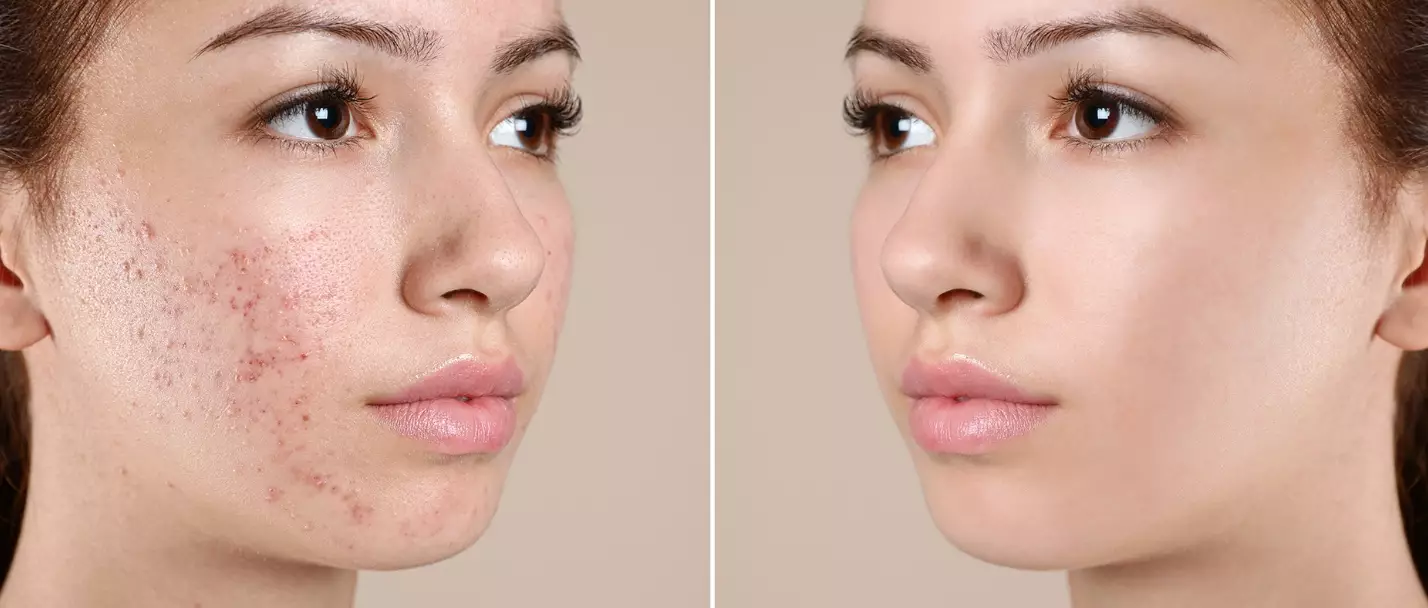
Why Is My Skin Breaking Out? Understanding the Female Acne Puzzle
Male or female, acne forms when dead skin cells, oil (sebum), and bacteria clog a pore. But for women, the story usually has a few more complicated chapters. The biggest villain? Hormones.
Androgens, often called "male hormones" (though women have them too), can kick your oil glands into high gear. For many women, these hormones don't play nice. Fluctuations throughout your menstrual cycle, during times of stress, around pregnancy, or in the years leading up to menopause can all send breakout signals to your skin.
It's not just hormones, of course. Other pieces of the puzzle include:
- Skincare and Makeup: Heavy, pore-clogging (comedogenic) products can be a trigger. Even some "natural" oils can be problematic for acne-prone skin.
- Stress: Cortisol, the stress hormone, can increase oil production and inflammation. It's a vicious cycle—stress causes acne, acne causes more stress.
- Diet: The link isn't as clear-cut as once thought, but for some individuals, high-glycemic foods (sugary snacks, white bread) and dairy (especially skim milk) may worsen breakouts.
- Hair Products: Conditioners, pomades, and dry shampoos can drip onto your hairline, forehead, and back, causing "pomade acne."
- Medications: Certain drugs, including some birth control pills, corticosteroids, and anticonvulsants, can trigger acne.
See what I mean? It's a puzzle. The most effective treatment for women with acne starts by looking at all these pieces, not just slapping on a generic spot treatment.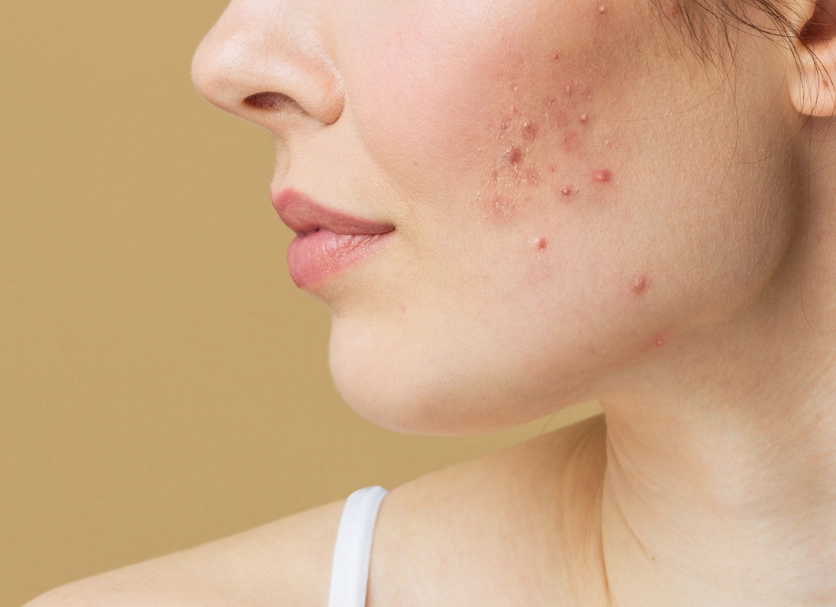
Building Your Foundation: The Non-Negotiable Skincare Routine
Before we get to the heavy-hitting treatments, you need a solid base. Think of this like building a house—you need a strong foundation before you put up fancy wallpaper. A good routine manages oil, clears pores gently, and keeps your skin barrier healthy. A damaged barrier leads to more irritation, sensitivity, and yes, more breakouts.
Cleansing: The Gentle Start and Finish
Twice a day. No more, no less. Over-washing is a common mistake that strips your skin, causing it to panic and produce more oil. Look for a gentle, water-soluble cleanser. Foaming can be okay if it doesn't leave your skin feeling squeaky-clean and tight. I personally prefer gel or milky textures.
Avoid scrubs with harsh particles (like apricot kernels) that can cause micro-tears. If you want exfoliation, get it from chemical exfoliants in your treatment steps, not from a gritty cleanser.
Moisturizing: Yes, Even Oily Skin Needs It
This is the step most acne-prone women skip, and it's a huge error. When your skin is dehydrated, it signals for more oil. A good, non-comedogenic moisturizer helps balance your skin, supports healing, and reduces irritation from acne treatments. Look for words like "oil-free," "non-comedogenic," and ingredients like hyaluronic acid, glycerin, or niacinamide.
Sunscreen: The Ultimate Anti-Aging and Anti-Scarring Step
Many acne treatments make your skin more sensitive to the sun. Sun exposure can also darken post-acne marks (post-inflammatory hyperpigmentation), making them last for months. A lightweight, oil-free, mineral-based (zinc oxide/titanium dioxide) or chemical sunscreen designed for the face is non-negotiable. Find one you'll actually wear every single day.
This basic routine—cleanse, moisturize, protect—is the bedrock. Now, let's add the active players.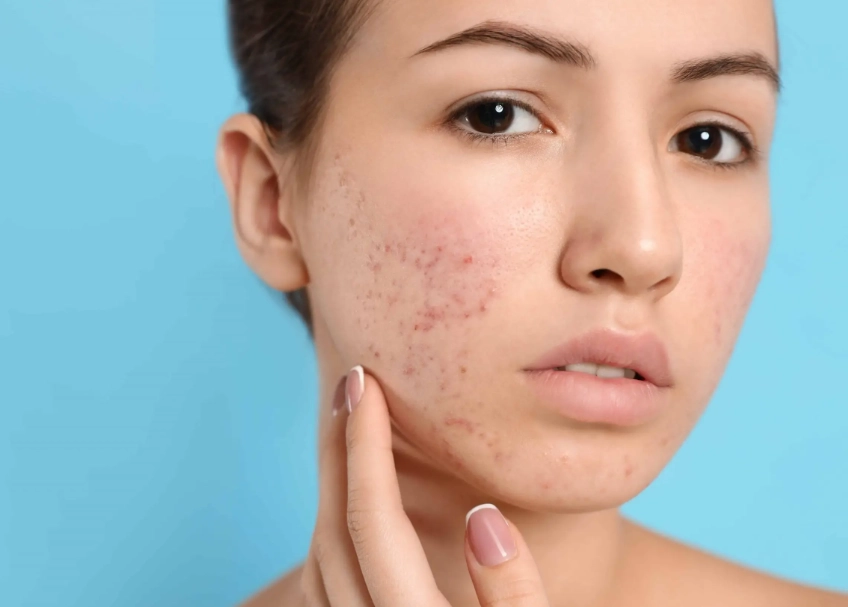
The Active Ingredient Playbook: What Actually Works
These are the ingredients that do the heavy lifting in your acne treatment for women. They unclog pores, kill bacteria, and calm inflammation. You don't need them all. Start with one, introduce it slowly (a few times a week), and give it at least 6-8 weeks to show results. Patience is everything here.
| Ingredient | How It Works | Best For | Considerations & My Take |
|---|---|---|---|
| Salicylic Acid (BHA) | Oil-soluble, so it can dive into pores to dissolve the gunk (sebum and dead cells) that clogs them. Also anti-inflammatory. | Blackheads, whiteheads, general congestion. Great for oily skin. | A fantastic starter ingredient. Found in cleansers, toners, and leave-on treatments. Can be drying if overused. I find leave-on products (like a toner) more effective than wash-off cleansers. |
| Benzoyl Peroxide | Kills acne-causing bacteria (*C. acnes*) and helps shed dead skin cells. Doesn't cause bacterial resistance. | Inflammatory acne (red, angry pimples). Works fast on active breakouts. | Can be very drying and bleach towels/pillowcases. Start with a low concentration (2.5% is often as effective as 10% with less irritation). Use it as a short-contact treatment or spot treatment. |
| Alpha Hydroxy Acids (AHAs: Glycolic, Lactic, Mandelic) | Water-soluble. Exfoliate the skin's surface to improve texture, fade marks, and help prevent clogging. | Surface bumps, dullness, post-acne dark marks (PIH). Mandelic acid is larger molecule, gentler and good for sensitive skin. | Glycolic is strongest, lactic is more hydrating. They make your skin sun-sensitive. Don't use on the same night as retinoids when starting out. |
| Retinoids (Retinol, Adapalene, Tretinoin) | The gold standard. They normalize skin cell turnover, prevent pores from clogging, and have anti-aging benefits. | Almost all forms of acne, especially persistent clogged pores and cystic acne. Anti-aging bonus. | This is a game-changer for adult female acne. Can cause initial dryness, peeling, and purging (where skin gets worse before it gets better). Start slow (1-2x a week). Adapalene (Differin) is now available over-the-counter and is excellent. |
| Azelaic Acid | Anti-inflammatory, antimicrobial, and helps normalize keratinization. Also brilliant at fading hyperpigmentation. | Inflammatory acne, rosacea (which can overlap with acne), and for those dealing with both acne and dark spots. | A wonderfully gentle yet effective multi-tasker. Often recommended for pregnant women as a safer alternative. Less irritating than many other options. A real underrated hero. |
How do you put this playbook to work? You might start your evening routine with a salicylic acid toner a few nights a week. On other nights, you might use a retinol serum, followed by your moisturizer. You'd use benzoyl peroxide as a 5-minute mask on a budding pimple, then rinse it off. It's about creating a weekly schedule, not using everything at once.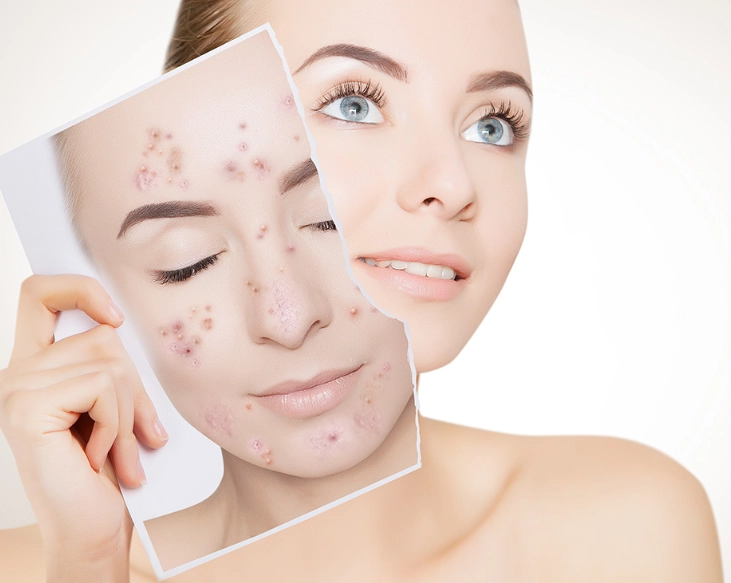
When to Call in the Professionals: Prescription and Procedural Options
If a diligent over-the-counter routine for 3 months isn't cutting it, it's time to see a dermatologist. This isn't a failure—it's a smart escalation. Adult hormonal acne often needs internal treatment to truly calm down. A dermatologist can offer powerful tools you can't get on your own.
Topical Prescriptions
These are stronger versions of the actives we discussed. Tretinoin (a prescription retinoid) is more potent than retinol. Combinations like clindamycin (an antibiotic) with benzoyl peroxide tackle bacteria from multiple angles. Dapsone gel is another anti-inflammatory option particularly good for adult female inflammatory acne.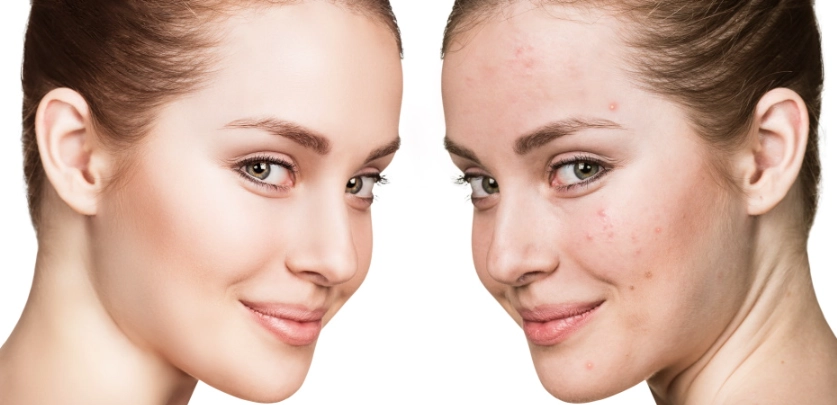
Oral Medications: The Big Guns for Hormonal Acne
This is where the landscape of acne treatment for women truly diverges from general advice.
- Oral Antibiotics: Like doxycycline or minocycline. They work by reducing bacteria and inflammation. The key here is that they are not meant for long-term use (usually 3-6 months). They're a bridge to control severe flare-ups while other, longer-term treatments (like retinoids) start working.
- Hormonal Therapies: The cornerstone for many women. Combination Oral Contraceptives (birth control pills) containing both estrogen and progestin can suppress androgen activity, significantly improving acne. Not all birth control pills are good for acne—some can even make it worse. Pills with progestins like norgestimate, drospirenone, or norethindrone are typically preferred. A resource like the American Academy of Dermatology's guide to birth control for acne can be a helpful starting point, but you must discuss this with your doctor or dermatologist, considering your full health history.
- Spironolactone: This is a game-changing medication for hormonal acne in women. It's not a birth control pill; it's a blood pressure medication that also blocks androgen receptors, reducing oil production. It's incredibly effective for the deep, cystic acne along the jawline. Potential side effects include diuretic effects (peeing more), dizziness, and it's not safe during pregnancy. Studies, including those indexed on PubMed, support its efficacy for this purpose.
- Isotretinoin (formerly Accutane): The most powerful oral medication for severe, treatment-resistant cystic acne. It shrinks oil glands dramatically. It requires strict monitoring due to serious potential side effects (most notably severe birth defects if taken during pregnancy) and is usually considered after other options have failed.
In-Office Procedures
These can be great adjuncts to a treatment plan, especially for dealing with active breakouts or the scars they leave behind.
| Procedure | What It Does | Best For |
|---|---|---|
| Corticosteroid Injections | A tiny amount of steroid is injected directly into a large, painful cystic pimple. | Rapidly reducing inflammation and pain of a single, deep cyst within 24-48 hours. |
| Chemical Peels | Medical-grade acid solutions (like salicylic or glycolic) are applied to exfoliate deeply. | Improving skin texture, clearing mild to moderate acne, and fading post-acne marks. |
| Light & Laser Therapies | Various devices (like blue light, pulsed dye laser, fractional lasers) target bacteria, reduce oil, or remodel scar tissue. | Inflammatory acne and, more commonly, treating the scarring and redness left after acne clears. |
| Extraction | A professional uses sterile tools to safely remove blackheads and whiteheads. | Clearing non-inflammatory comedones that topical products haven't budged. Never try this at home! |
I've had a cortisone shot for a monstrous cyst before a big event. It was a literal lifesaver for my confidence that day. But it's a quick fix, not a treatment plan.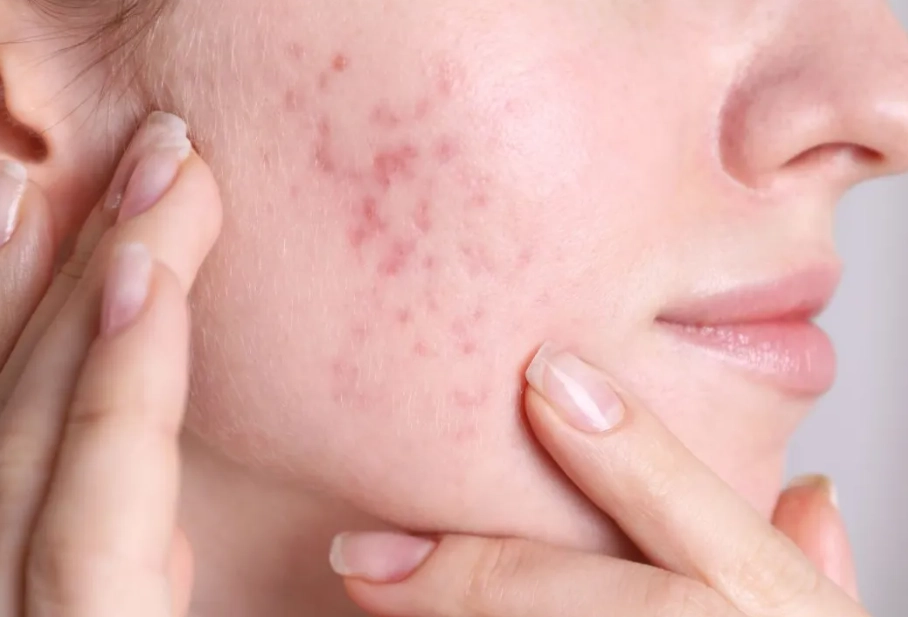
The Lifestyle and Diet Factor: Can You Eat Your Way to Clear Skin?
The research here is messy and personal. There's no universal "acne diet," but there are patterns worth paying attention to, especially when you're looking for a holistic acne treatment for women.
High-Glycemic Index Foods: Foods that cause a rapid spike in blood sugar (think sugary drinks, white bread, pastries, chips) may increase insulin levels. Higher insulin can boost androgen activity and oil production. Some studies show that people who eat lower-glycemic diets (rich in whole grains, legumes, vegetables) see improvements in acne. It's not about never having sugar; it's about balance and noticing if there's a correlation for you.
Dairy: The link is stronger, particularly with skim milk. The theory involves hormones and growth factors in milk, as well as its effect on insulin. Some women find that cutting back on dairy, especially milk and whey protein powders, makes a noticeable difference. Yogurt and cheese seem less problematic for most.
Other Potential Allies:
- Omega-3 Fatty Acids: Found in fatty fish, walnuts, flaxseeds. They have anti-inflammatory properties.
- Zinc: An essential mineral that supports skin healing and has anti-inflammatory effects. Found in pumpkin seeds, lentils, red meat.
- Green Tea: Contains antioxidants with anti-inflammatory properties. You can drink it or look for it in skincare products.
My advice? Don't make drastic, miserable changes. Keep a simple food/skin journal for a month. See if you spot trends. Then, try modifying one thing at a time.
Your Questions, Answered (The Real Stuff You Google)
Q: Is hormonal acne different from regular acne? How do I know I have it?
A: Think of hormonal acne as a subset of acne where hormones are the primary driver. The big clues are: 1) It starts or worsens in adulthood (20s, 30s, 40s+). 2) Breakouts are primarily on the lower face—jawline, chin, lower cheeks. 3) The pimples are often deep, cystic, and painful rather than surface blackheads. 4) It flares predictably around your period. If this sounds familiar, your approach should include treatments that address the hormonal root, not just the surface pimple.
Q: I'm pregnant or breastfeeding. What acne treatments are safe?
A: This is a critical time to talk to your doctor. Many standard treatments (oral retinoids, spironolactone, tetracycline antibiotics) are absolutely not safe. Topical treatments with a good safety profile during pregnancy often include azelaic acid, glycolic acid, and some topical antibiotics like clindamycin. Benzoyl peroxide is considered low-risk by many sources but always check with your OB/GYN and dermatologist. When in doubt, keep it simple and gentle.
Q: Why does my acne get worse before it gets better with new products?
A> That's the "purging" I mentioned earlier. Active ingredients like retinoids and acids speed up skin cell turnover. All the micro-clogs that were forming slowly under the surface suddenly come up and out all at once. It typically happens in areas where you usually break out and should subside within 4-6 weeks. If you're getting breakouts in new areas or have intense irritation, that's likely a bad reaction, not purging.
Q: How can I fade the dark spots left after a pimple heals?
A> Post-inflammatory hyperpigmentation (PIH) is very common, especially in deeper skin tones. Prevention (sunscreen every day!) is key. To treat existing marks, look for ingredients that inhibit melanin production: Vitamin C (L-ascorbic acid) serums in the morning, azelaic acid, niacinamide, kojic acid, and retinoids. Chemical peels (like mandelic or glycolic) at a dermatologist's office can also be very effective. This process takes months, not weeks.
Q: My skin is both oily and flaky/acne-prone but sensitive. What gives?
A> This sounds like a compromised skin barrier. You might be using too many harsh, drying products trying to combat the oil. This strips your skin, causing dehydration (flakiness) and triggering even more oil production. Dial back. Focus on a gentle cleanser, a simple moisturizer, and sunscreen for a week or two to let your barrier recover. Then reintroduce one active ingredient, like azelaic acid or a low-dose retinol, very slowly.
Putting It All Together: A Sample Weekly Game Plan
Let's make this practical. Here’s what a balanced approach to acne treatment for women might look like for someone with mild-to-moderate hormonal breakouts and post-acne marks.
Evening:
- Mon & Thu: Gentle Cleanser > Salicylic Acid Toner > Moisturizer.
- Tue & Fri: Gentle Cleanser > Adapalene (Retinoid) Gel > Moisturizer.
- Wed & Sat: Gentle Cleanser > Azelaic Acid Cream > Moisturizer.
- Sunday: "Skin Sabbath" – Gentle Cleanser > Soothing Hydrating Serum > Extra Moisturizer. No actives.
This is just a template. Your plan should be built with your dermatologist based on your specific skin. The core principles are consistency, patience, and addressing the issue from multiple angles (pore-clearing, anti-inflammatory, hormonal if needed).
The journey to clear skin as a woman isn't a straight line. It's a process of learning what your unique skin needs, being kind to yourself during flare-ups, and understanding that effective treatment is a marathon, not a sprint. Forget the quick fixes and the shame. Arm yourself with knowledge, build a smart routine, and don't hesitate to get professional help. You've got this.
POST A COMMENT