Gluten-Free Diet for Women: A Complete Guide to Health & Wellness
Your Quick Navigation
- Why Would a Woman Consider a Gluten-Free Diet?
- Potential Health Benefits of a Gluten-Free Diet for Women
- The Other Side: Risks and Challenges of a Gluten-Free Diet
- How to Start a Gluten-Free Diet the Right Way
- Special Considerations for Women's Life Stages
- Answering Your Burning Questions (FAQs)
- Putting It All Together: Is It Right For You?
Let's talk about going gluten-free. It's everywhere, right? From supermarket aisles packed with special products to restaurant menus boasting gluten-free options. But for women specifically, the decision to start a gluten-free diet often comes with a unique set of questions, concerns, and hopes. Is it just a fleeting trend, or is there something more to it for our health? I remember a friend of mine, Sarah, who spent years battling constant fatigue and bloating—doctors couldn't figure it out until she stumbled upon the idea of gluten sensitivity. Her story isn't unique.
This guide isn't about pushing a fad. It's about unpacking the real, science-backed reasons why a gluten-free diet for women might be worth considering, while also being brutally honest about the challenges. We'll cut through the noise and look at the potential benefits for things like hormone balance, energy levels, and autoimmune conditions that disproportionately affect women. But we'll also talk about the pitfalls—the nutritional gaps, the social awkwardness, and the plain old inconvenience. Because let's be real, giving up your favorite bakery bread is no small thing.
Here's the thing: A gluten-free diet for women isn't a one-size-fits-all miracle cure. For some, it's an absolute medical necessity. For others, it might be a tool for feeling better. And for many, it might not make a difference at all. The key is understanding your own body.
Why Would a Woman Consider a Gluten-Free Diet?
It usually starts with a symptom. Maybe it's relentless digestive trouble—bloating that makes you feel six months pregnant after a sandwich, gas, or unpredictable bowel habits. Or perhaps it's less obvious: a foggy brain that won't clear, joint pain that comes and goes, or a skin condition like eczema or psoriasis that just won't quit. For many women, these issues are dismissed for years as just "stress" or "part of being a woman."
The medical reasons are compelling. Celiac disease, an autoimmune disorder triggered by gluten, is actually diagnosed more frequently in women than in men. Research from the Celiac Disease Foundation highlights that women often present with different, sometimes subtler symptoms, which can lead to delays in diagnosis. Then there's non-celiac gluten sensitivity (NCGS)—a condition where people react badly to gluten but don't have celiac disease or a wheat allergy. Some studies suggest NCGS might be more common in women, though the research is still evolving. Hormones seem to play a role too; many women report that their gluten-related symptoms fluctuate with their menstrual cycle.
And it's not just about gut feelings. There's a strong link between gluten, inflammation, and autoimmune diseases like Hashimoto's thyroiditis, lupus, and rheumatoid arthritis, which all have a higher prevalence in women. The thinking is that for those genetically predisposed, gluten might contribute to a "leaky gut," allowing particles into the bloodstream that can trigger or worsen an autoimmune response. It's a complex puzzle, but for many, removing gluten is a piece that fits.
Potential Health Benefits of a Gluten-Free Diet for Women
When it works, the changes can feel transformative. It's not just about avoiding stomach aches. Let's break down the potential upsides.
Digestive Harmony
This is the most common and often immediate benefit. For women with undiagnosed celiac disease or NCGS, removing gluten can be like turning off a fire alarm in the gut. Bloating subsides, gas reduces, and bowel movements normalize. That constant discomfort after meals? Gone. It's a profound quality-of-life shift. You stop planning your day around bathroom access.
Energy Levels and Brain Fog
Chronic inflammation and nutrient malabsorption (common in untreated celiac disease) are massive energy drains. Women on a gluten-free diet for health reasons often report a significant return of their vitality. That 3 PM crash becomes less severe. More importantly, the "brain fog"—that feeling of being mentally cloudy, forgetful, and unable to focus—can lift. Being able to think clearly again is a benefit that's hard to overstate.
Skin Health
There's a well-established link between celiac disease and a skin condition called dermatitis herpetiformis, an intensely itchy, blistering rash. But beyond that, many women see improvements in other inflammatory skin conditions like eczema, acne, or psoriasis after eliminating gluten. The reduction in systemic inflammation seems to calm the skin down.
Hormonal Balance and Fertility
This is a huge area of interest. Untreated celiac disease is linked to menstrual irregularities, early menopause, and unexplained infertility. The inflammation and poor nutrient absorption can disrupt the delicate hormonal symphony. For women struggling with these issues, ensuring celiac disease isn't an underlying culprit is crucial. A strict gluten-free diet can sometimes help restore regular cycles and improve fertility outcomes in these cases. It's not a fertility treatment per se, but it can remove a major roadblock for some.
A quick but important reality check: These benefits are primarily for women who have a genuine medical reason to avoid gluten (celiac disease, NCGS, wheat allergy). If you don't have one of these conditions, the benefits are likely to be minimal or non-existent. Going gluten-free won't inherently make you lose weight or become "healthier"—in fact, it can do the opposite if you swap regular foods for processed gluten-free junk.
The Other Side: Risks and Challenges of a Gluten-Free Diet
Alright, let's not sugarcoat it. Adopting a gluten-free diet for women, especially without medical guidance, comes with real downsides. I've seen people jump in headfirst and end up feeling worse.
Nutritional Deficiencies
This is the big one. Conventional breads, pastas, and cereals are often fortified with essential vitamins like iron, folic acid, and B vitamins. Many gluten-free alternatives are not. Women are already at higher risk for iron deficiency. A poorly planned gluten-free diet can make that worse. There's also a risk of missing out on fiber, since many gluten-free flours are made from refined grains and starches. Constipation can become a new problem.
The Cost and Social Hurdle
Gluten-free specialty products are expensive. Often double or triple the price. And eating out? It can be a minefield of cross-contamination and limited options. Social gatherings, dinner parties, even business lunches become exercises in careful questioning and sometimes, awkwardness. It can feel isolating.
The "Health Halo" Trap
Just because a cookie is gluten-free doesn't make it a health food. In fact, to mimic the texture of gluten, manufacturers often load products with extra sugar, unhealthy fats, and additives. You can easily gain weight on a gluten-free diet if you're not careful. I fell into this trap myself early on, thinking all gluten-free labeled foods were better choices. They're not.
So, what's the smart approach?
How to Start a Gluten-Free Diet the Right Way
Step 1: Don't Self-Diagnose. Get Tested.
This is the most critical step. If you suspect celiac disease, you must get tested BEFORE you eliminate gluten. The blood tests and endoscopic biopsy look for damage caused by gluten. If you're already on a gluten-free diet, the tests can come back negative even if you have the disease, leading to a missed diagnosis. Talk to your doctor. Explain your symptoms. Push for the celiac panel (tTG-IgA test). It's a simple blood draw that can save you years of uncertainty.
If celiac is ruled out, you and your doctor can explore NCGS, often a diagnosis of exclusion. An elimination diet, where you strictly remove gluten for 4-6 weeks and then reintroduce it while monitoring symptoms, can be very informative.
Step 2: Learn What 'Gluten-Free' Really Means
Gluten is a protein found in wheat, barley, rye, and their derivatives. Obvious sources are bread, pasta, cereal, and beer. The sneaky ones are where it hides:
- Sauces, gravies, and soy sauce (often thickened with wheat flour).
- Processed meats like sausages and deli meats.
- Some medications and supplements (as a binding agent).
- "Natural flavors" in packaged foods.
You become a label-reading expert. In the US and many other countries, "Gluten-Free" on a label is a regulated term, which helps a lot.
Step 3: Focus on Naturally Gluten-Free Whole Foods
This is the secret to a healthy, sustainable gluten-free diet for women. Build your plate around foods that never contained gluten in the first place:
| Food Category | Excellent Gluten-Free Choices | Notes for Women's Health |
|---|---|---|
| Proteins | All fresh meats, poultry, fish, eggs, legumes (beans, lentils), tofu, tempeh. | Critical for iron (red meat, lentils) and hormone production. |
| Fruits & Vegetables | All fresh, frozen, or canned (in water/juice) fruits and vegetables. | Packed with antioxidants, fiber, and folate (especially leafy greens). |
| Dairy | Milk, plain yogurt, cheese, butter (check flavored varieties). | Great for calcium and vitamin D, but some with celiac are also lactose intolerant initially. |
| Grains & Starches | Rice, quinoa, corn, certified gluten-free oats, buckwheat, millet, amaranth, potatoes, sweet potatoes. | Choose whole grains (brown rice, quinoa) for fiber and B vitamins. Oats must be certified GF due to cross-contamination. |
| Healthy Fats | Avocados, olive oil, nuts, seeds, coconut. | Essential for hormone health and absorbing fat-soluble vitamins. |
See? You're not starving. You're eating real food. The Harvard T.H. Chan School of Public Health emphasizes this point: a healthy gluten-free diet is based on whole, unprocessed foods, not just packaged substitutes.
Special Considerations for Women's Life Stages
A gluten-free diet for women isn't static. Our needs change, and the diet should adapt with us.
Pregnancy and Breastfeeding
If you have celiac disease, maintaining a strict gluten-free diet is non-negotiable during pregnancy to ensure proper nutrient absorption for you and your baby. Folate is a major concern, as malabsorption can lead to neural tube defects. A prenatal vitamin is essential, but so is a diet rich in naturally gluten-free folate sources like lentils, asparagus, and leafy greens. Working with a registered dietitian is highly recommended.
Menopause and Bone Health
Women with untreated celiac disease have a higher risk of osteoporosis due to poor calcium and vitamin D absorption. Even on a gluten-free diet, bone density should be monitored. Focus on calcium-rich foods (dairy, fortified non-dairy milks, sardines, kale) and get enough vitamin D from sunlight or supplements. Weight-bearing exercise is your best friend here. The National Institute of Arthritis and Musculoskeletal and Skin Diseases (NIAMS) has great resources on maintaining bone strength.
Athletic Women and Active Lifestyles
If you're highly active, you need reliable energy. Gluten-free carbs like sweet potatoes, quinoa, rice, and gluten-free oats are fantastic fuel sources. The key is planning ahead—making sure you have safe, energizing snacks and meals prepped, especially for long training days or travel when options are limited.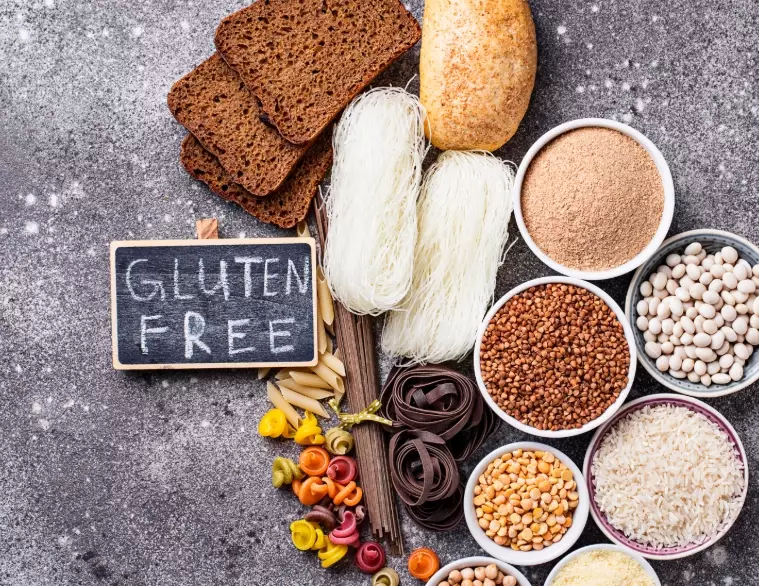
Answering Your Burning Questions (FAQs)
Let's tackle some of the specific questions I hear all the time from women considering this path.
Putting It All Together: Is It Right For You?
So, where does this leave us? A gluten-free diet for women is a powerful tool, but it's a very specific one. It's not a universal path to wellness.
If you have persistent, unexplained symptoms—digestive issues, fatigue, brain fog, joint pain, skin problems—it is absolutely worth discussing with your doctor and getting tested for celiac disease. For those with a diagnosis, the diet is your medicine, and doing it strictly is the only way to heal and stay healthy.
If you don't have a medical reason, think carefully. The benefits are unlikely to outweigh the costs, hassles, and potential nutritional risks. Instead, focus on a balanced diet rich in fruits, vegetables, lean proteins, and whole grains (gluten-containing or not). That's the real foundation of health.
My friend Sarah? After her celiac diagnosis and committing to the diet, her energy came back, her skin cleared, and she finally felt like herself. But she'd be the first to tell you it's a lifelong learning process, not a quick fix. Listen to your body, get the right information, and make the choice that's truly right for you—not just what's trending.
It's your health. Own the decision.
POST A COMMENT