Folic Acid for Women: Why It's Essential & How to Get Enough
If you’ve ever been pregnant or even thought about it, you’ve heard about folic acid. It’s the one vitamin everyone, from your doctor to your mom, tells you to take. But here’s the thing most articles gloss over: folic acid isn't just a "baby vitamin." Its importance for women stretches far beyond pregnancy, touching on energy levels, mood, and long-term health in ways that often get missed in the basic advice.
I remember a friend in her late 30s, exhausted and dealing with persistent brain fog. She wasn't trying to conceive, so she'd ignored the folic acid chatter. After some digging, we looked at her diet—lots of processed carbs, not enough greens—and her blood work showed borderline folate levels. A simple switch to a better supplement and a few dietary tweaks made a noticeable difference in her energy within weeks. That’s when it clicked: we’re selling this nutrient short.
Your Quick Guide to Folic Acid
Why Folic Acid is a Non-Negotiable for Women
Let's break down the "why" beyond the textbook answers.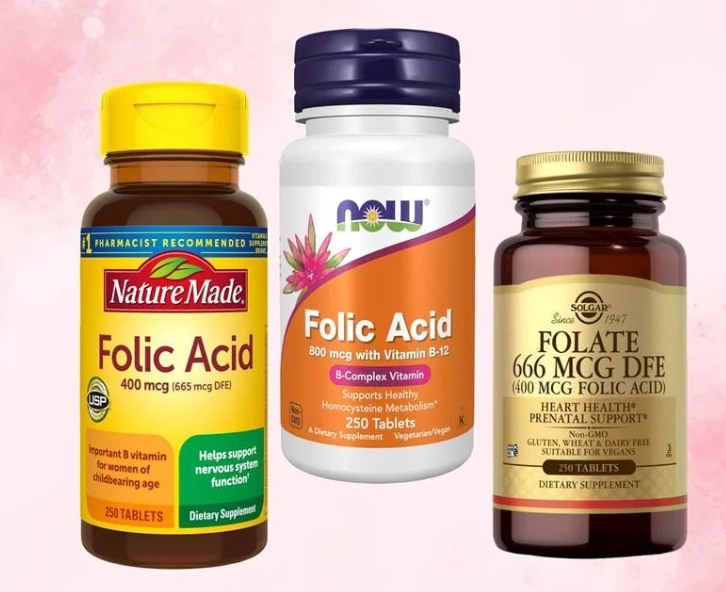
The Lifesaving Role in Pregnancy (That Starts Before You Know)
This is the big one. Folic acid is critical for preventing major birth defects of the baby's brain and spine, known as neural tube defects (NTDs). Conditions like spina bifida and anencephaly are devastating. The Centers for Disease Control and Prevention (CDC) has extensive resources on this, and their message is unwavering.
The crucial detail most women don't realize? The neural tube forms and closes within the first 3-4 weeks of pregnancy. That’s often before you’ve missed a period or gotten a positive test. Waiting until you're pregnant to start is too late for this specific protection. This is why the recommendation is for all women of childbearing age to get enough, regardless of immediate pregnancy plans.
Beyond the Bump: Energy, Blood, and Mood
This is where folic acid gets interesting for every woman. It's a key worker in making red blood cells. Without enough, you can develop folate-deficiency anemia. The symptoms? Fatigue, weakness, pale skin, and shortness of breath—things easily brushed off as just being "busy."
It also plays a lead role in creating and repairing DNA and other genetic material. And it’s a team player in amino acid metabolism and the synthesis of neurotransmitters like serotonin and dopamine. Low levels have been loosely linked to low mood and cognitive fog. It’s not a magic happiness pill, but it’s a fundamental piece of the biochemical puzzle for how your brain and body feel day-to-day.
How Much Folic Acid Do Women Really Need?
Dosage is where confusion sets in. You'll see numbers all over the place. Let's clear it up with specifics.
The general Recommended Dietary Allowance (RDA) for adult women is 400 micrograms (mcg) of Dietary Folate Equivalents (DFEs) daily. But that's a baseline for non-pregnant women just to prevent deficiency.
For pregnancy and preconception, the story changes. Major health authorities like the CDC and the American College of Obstetricians and Gynecologists (ACOG) recommend:
- All women capable of pregnancy: 400 mcg of folic acid daily from supplements or fortified foods, on top of a folate-rich diet.
- During pregnancy: At least 600 mcg DFEs daily.
- While breastfeeding: 500 mcg DFEs daily.
Higher doses (like 4,000-5,000 mcg) are sometimes prescribed by doctors for women with a previous pregnancy affected by an NTD, but this is a specific medical instruction, not a DIY recommendation.
My personal rule of thumb? If you're sexually active and not using reliable contraception, follow the pregnancy-prep guideline of 400 mcg supplemental folic acid daily. It's the safest bet.
Food vs. Supplements: The Best Sources of Folate
There's a semantic trick here. "Folate" is the natural form in food. "Folic acid" is the synthetic form in supplements and fortified foods. Your body uses them slightly differently, but both count toward your needs.
You should aim to get folate from food. These foods are packed with other beneficial nutrients. But relying on food alone to hit the 400-800 mcg target for pregnancy prevention is a high-stakes gamble. The bioavailability from food isn't as consistent.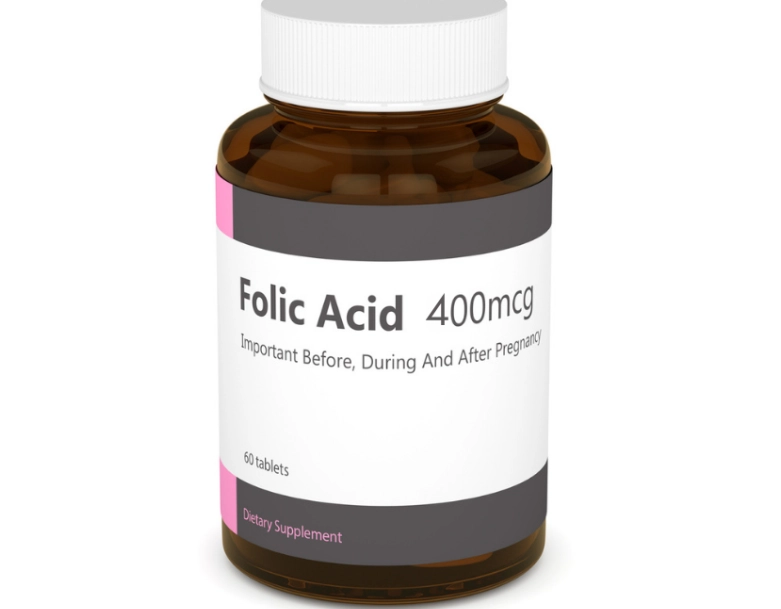
Here’s a look at some top food sources to actively include in your diet:
| Food Source | Serving Size | Approximate Folate (DFEs) | Quick Serving Idea |
|---|---|---|---|
| Cooked Lentils | 1/2 cup | 180 mcg | Add to soups, salads, or as a taco filling. |
| Cooked Spinach | 1/2 cup | 130 mcg | Sauté with garlic, blend into smoothies, or add to pasta. |
| Black Beans | 1/2 cup | 130 mcg | In burrito bowls, burgers, or as a side. |
| Avocado | 1/2 medium | 80 mcg | On toast, in salads, or as guacamole. |
| Fortified Breakfast Cereal | 3/4 cup (check label) | Often 400 mcg (100% DV) | Choose whole-grain, low-sugar options. |
| Boiled Asparagus | 4 spears | 90 mcg | Roasted with olive oil, or chopped into frittatas. |
The strategy that works? Food first for overall nutrition, supplement for guaranteed insurance. Use the table above to build meals, and let the supplement fill any gaps, especially for that critical 400 mcg folic acid base if pregnancy is a possibility.
Choosing a Folic Acid Supplement That Actually Works
Walk down the vitamin aisle, and it's overwhelming. Here’s how to cut through the noise, based on what actually matters.
Form: Folic Acid vs. Methylfolate
Most supplements contain folic acid. It's cheap, stable, and effective for the vast majority. However, some people have a common genetic variation (in the MTHFR gene) that makes converting folic acid into the active form (L-methylfolate) slower and less efficient.
If you've ever taken a standard prenatal or B-complex and felt weird—jittery, anxious, or just "off"—this could be the culprit. For these individuals, a supplement containing L-methylfolate, 5-MTHF, or methylated folate is a better choice. It's more bioavailable and bypasses the conversion issue. It's often labeled as "active folate" or "methylfolate."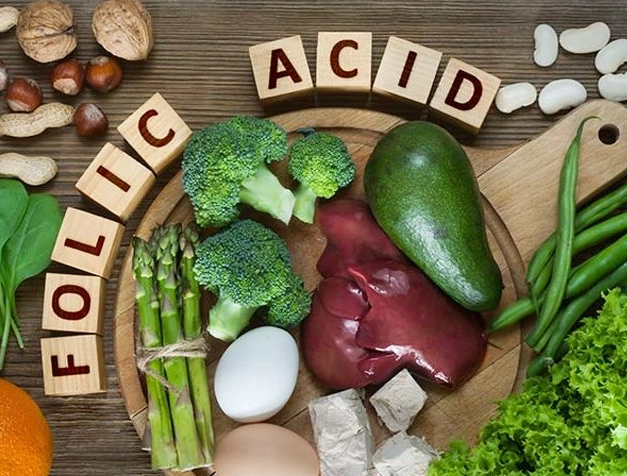
What to Look For on the Label
Don't just grab the first bottle. Check:
- Dose: 400 mcg for general/preconception, 600-800 mcg for prenatal formulas.
- Other B-Vitamins: Folic acid works best with buddies like Vitamin B12 and B6. A good B-complex or prenatal will include these.
- Third-Party Testing: Look for seals from USP, NSF, or ConsumerLab.com. This verifies what's on the label is actually in the bottle and free from contaminants.
A common mistake is buying a cheap, isolated folic acid supplement from a questionable brand. You might save five dollars, but you have no idea what you're actually absorbing. Invest in quality from a reputable company.
Your Top Folic Acid Questions, Answered
Can I get enough folic acid from food alone if I'm planning a pregnancy?
It's very difficult and risky to rely solely on food for the recommended 400-800 mcg of folic acid when trying to conceive. Neural tube defects occur in the first few weeks of pregnancy, often before a woman knows she's pregnant. The CDC and ACOG are clear: all women of childbearing age should take a daily supplement containing 400 mcg of folic acid. Think of food as your backup plan and the supplement as your non-negotiable insurance policy.
Is there a difference between folic acid and folate on supplement labels?
Yes, and it's a crucial distinction many miss. 'Folic acid' is the synthetic form used in most fortified foods and supplements. 'Folate' refers to the natural forms found in food. For general supplementation, both are effective. However, a small percentage of people have a genetic variation (MTHFR) that makes processing folic acid less efficient. For them, supplements containing 'methylfolate' (like L-methylfolate or 5-MTHF) are a more bioavailable option. If you've ever felt a standard prenatal vitamin didn't agree with you, this could be why.
I'm not planning a pregnancy. Do I still need to worry about folic acid?
Absolutely. The pregnancy-prevention focus overshadows its everyday roles. Folic acid is a key player in building red blood cells. Low levels can lead to anemia, leaving you fatigued and weak. It's also vital for neurotransmitter synthesis, influencing mood and cognitive function. Many women in their 30s and 40s report less brain fog and more stable energy after addressing suboptimal folate status. It's a foundational nutrient, not just a prenatal one.
Can you take too much folic acid?
From food, it's very hard to overdose. From supplements, the Tolerable Upper Intake Level (UL) for adults is set at 1,000 mcg (1 mg) of folic acid from fortified foods and supplements. The risk of excess is mainly from very high-dose supplements masking a Vitamin B12 deficiency, which is a particular concern for older adults. Stick to the recommended 400-800 mcg doses unless your doctor advises otherwise for a specific reason. More is not better.
So, where does this leave you? Start by honestly assessing your life stage and diet. If pregnancy is a remote or active possibility, that 400 mcg supplement is non-negotiable. For every other woman, look at your energy, your plate, and maybe even your mood. Could a lack of leafy greens and legumes be a subtle drain? It often is. Folic acid isn't a glamorous supplement, but it's one of the most proven, powerful tools in women's preventive health. Don't wait for a pregnancy test to start paying attention to it.
POST A COMMENT