Omega-3 for Women: Essential Benefits, Dosage & Best Sources
Let's talk about omega-3s. You've probably heard they're "good for you," maybe even "good for your heart." But for women, the story is much more specific, and frankly, more interesting. It's not just a generic health tip. Omega-3 fatty acids—specifically EPA and DHA—interact with the unique rhythms and phases of a woman's life in profound ways, from monthly cycles to pregnancy and menopause. I've spent years sifting through the research and talking to nutritionists, and the gap between general advice and what women actually need is wider than most people realize.
What's Inside This Guide
How Does Omega-3 Specifically Benefit Women?
Think of EPA and DHA as your body's premier managers of inflammation and cellular communication. For women, this management system is tested in distinct areas.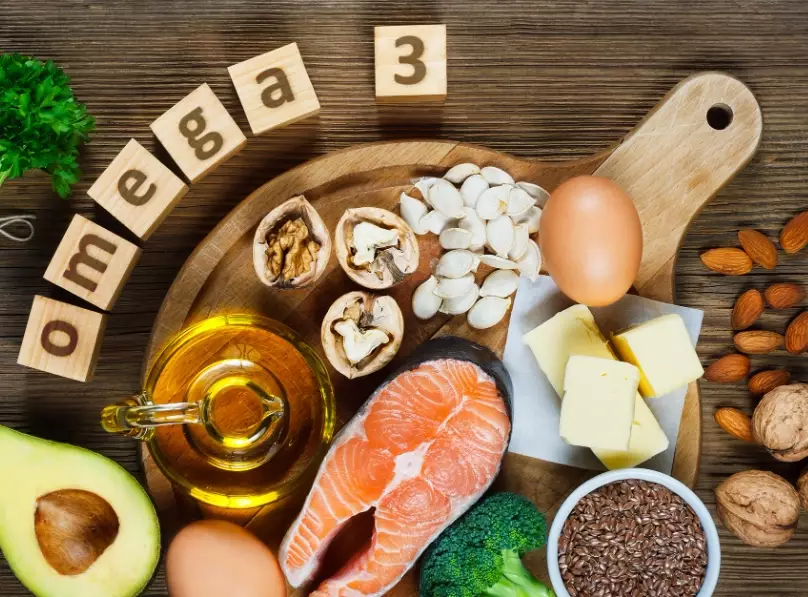
Omega-3 and Menstrual Cycle Comfort
Here's a nuance most articles miss: it's primarily EPA that's the hero for cramps and PMS. The discomfort is largely driven by hormone-like compounds called prostaglandins. Some prostaglandins are highly inflammatory and cause uterine muscles to contract. EPA directly competes with the building blocks of these bad actors, leading to the production of much milder, less inflammatory versions. A study in the American Journal of Obstetrics and Gynecology found that women supplementing with omega-3s needed significantly less ibuprofen for period pain. It's a dietary strategy, not just a painkiller reaction.
Fertility, Pregnancy, and Postpartum Support
Omega-3s are foundational here. DHA is a major structural component of the fetal brain and retina. But the benefit starts earlier. Healthy cell membranes, influenced by omega-3s, are crucial for egg quality and embryo development. Post-birth, maternal DHA stores are depleted to supply the baby, which is linked to a higher risk of postpartum mood changes. Replenishing isn't just for the baby; it's for the mother's brain health too.
Navigating Perimenopause and Menopause
As estrogen declines, its natural anti-inflammatory effect wanes. Systemic inflammation creeps up, contributing to hot flashes, joint aches, mood swings, and increased cardiovascular risk. Omega-3s, especially EPA, step into this gap as a powerful, diet-derived anti-inflammatory. Research in the journal Menopause has shown omega-3 supplementation can reduce the frequency and severity of hot flashes. It's also about protecting the brain and heart during a metabolic shift.
Mental and Cognitive Health
The female brain, with its complex hormonal landscape, seems particularly responsive to omega-3s. DHA maintains neuronal structure, while EPA is a potent regulator of neurotransmitters and inflammation linked to low mood. It's not a magic pill for depression, but it's a critical piece of the nutritional foundation for emotional resilience. I've seen clients report a noticeable "edge" taken off their anxiety after consistently upping their EPA intake for a few months.
The Right Omega-3 Dosage for Every Stage of a Woman's Life
Generic advice like "take 1000mg of fish oil" is useless. The ratio of EPA to DHA and the total dose should shift with your life phase. Here’s a more tailored approach.
| Life Stage / Goal | Recommended Daily Dose (EPA + DHA) | Key Focus & Notes |
|---|---|---|
| General Health & Maintenance (Adult Women) | 500 - 1000 mg | Maintain cellular health. A focus on a balanced intake from fatty fish (2 servings/week). |
| Managing PMS & Period Discomfort | 1000 - 1500 mg | Prioritize a supplement higher in EPA (e.g., 60%+ EPA). Consistency throughout the month is critical. |
| Pregnancy & Lactation | At least 300 - 500 mg DHA, plus EPA | DHA is paramount for baby's development. Choose a purified, third-party-tested prenatal omega-3. |
| Perimenopause & Menopause | 1500 - 2000 mg | Again, lean towards a higher EPA ratio to combat inflammation. Supports heart, joint, and brain health. |
| Targeting Mood Support | 1000 - 2000 mg | Clinical studies for mood often use high-EPA formulas (e.g., 1000mg+ of EPA alone). Consult a healthcare provider. |
My personal rule? Start at the lower end for a month, see how you feel, and adjust. Taking a high-dose supplement with a fatty meal improves absorption and reduces any fishy aftertaste.
Finding the Best Omega-3 Sources: Food vs. Supplements
Food should always be the first strategy. It comes packaged with other nutrients. But let's be real—most people don't eat sardines three times a week. Here’s the breakdown.
Top Food Sources (The Shortlist)
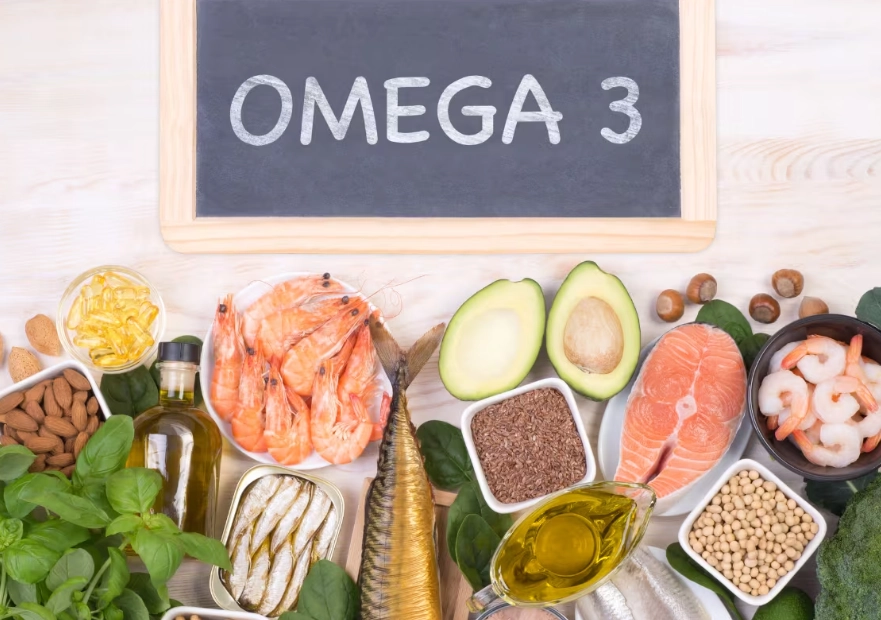
- Fatty, Cold-Water Fish: Wild-caught salmon (especially sockeye), mackerel, sardines, herring, anchovies. A 3-oz serving of salmon can give you 1000-2000 mg.
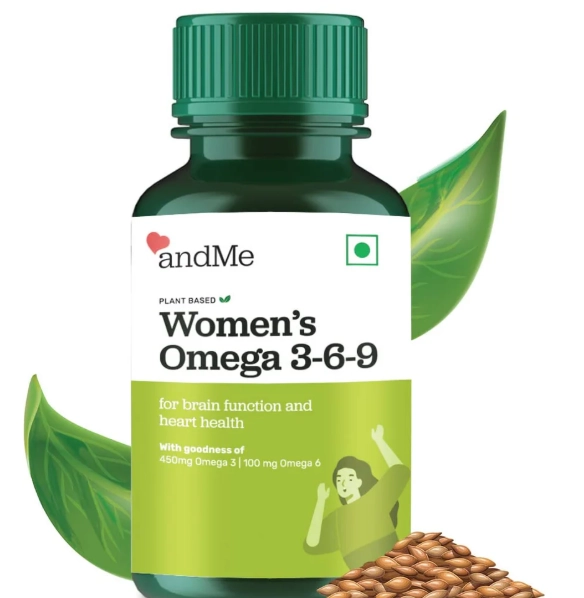
- For Vegetarians/Vegans: This is the hard part. The plant form (ALA) in flaxseeds, chia seeds, and walnuts must be converted to EPA and DHA, and the conversion rate in humans is poor—often less than 5-10%. You cannot rely on these alone for meaningful EPA/DHA levels.
Choosing a Supplement That Actually Works
The supplement aisle is a minefield. Here’s what I look for, beyond the marketing hype:
1. Form Matters: Triglyceride (TG) form is natural and generally better absorbed than Ethyl Ester (EE) form. Many high-quality brands now use TG or re-esterified TG.
2. The Purity Test: Look for a third-party certification seal from IFOS (International Fish Oil Standards) or USP (U.S. Pharmacopeia). This guarantees potency (it has what the label says), purity (low heavy metals, PCBs), and freshness (low oxidation).
3. The Freshness Factor: Oxidized (rancid) fish oil is worse than useless. Cut open a capsule. It should smell mildly of the sea, not like a sharp, pungent fish market. A quality brand will list a peroxide value (PV) or TOTOX score on their website.
4. The Vegan Option: Algal oil is the only direct, non-fish source of EPA and DHA. It's excellent, but check the ratio—many are DHA-dominant. If you need more EPA for inflammation/mood, you may need to search for a specific balanced algal oil.
I made the mistake years ago of buying a cheap, big-box store brand. The burps were terrible, and I felt nothing. Switching to a TG-form, IFOS-certified brand was a night-and-day difference.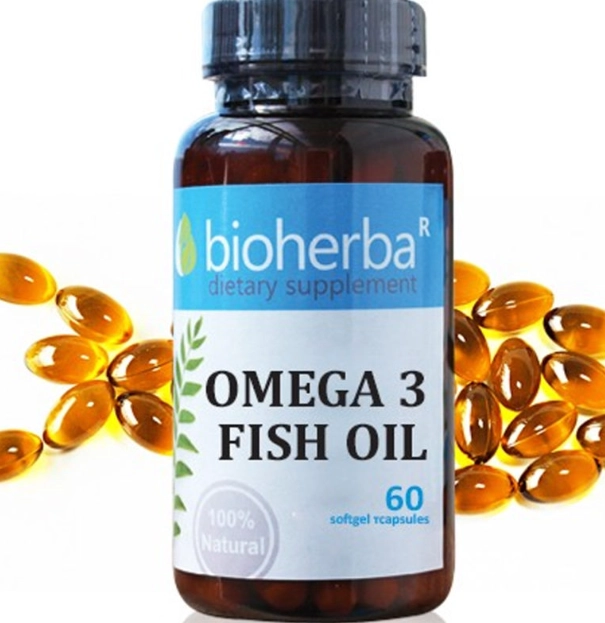
Your Omega-3 Questions, Answered
Omega-3s aren't a magic bullet, but they are a fundamental tool. For women, tuning into the right type, dose, and source can mean the difference between just managing symptoms and truly supporting your body's health across decades. Start with food, consider a quality supplement if needed, and pay attention to how you feel. Your hormones—and your whole body—will thank you.
POST A COMMENT