Diet Trends for Women: Beyond Weight Loss to Wellness & Balance
Let's be honest. The phrase "diet trends for women" used to bring up images of cabbage soup, grapefruit halves, and punishing calorie counts. It was almost exclusively about shrinking your body. Something's shifted. The conversation has moved, thankfully, from pure weight loss to a more nuanced idea of wellness. Today's trends are less about external rules and more about internal cues, hormonal harmony, and sustainable energy. They're frameworks for eating, not punishments for existing.
I've watched these trends evolve from my own struggles and through conversations with hundreds of women in my practice. The biggest change? Women are tired of feeling guilty about food. They're seeking approaches that fit into busy lives, respect their biology, and actually make them feel good—not just look a certain way.
What's Inside This Guide
The Rise of Intuitive Eating: Ditching the Diet Mentality
This isn't a diet. It's an anti-diet. Intuitive Eating has surged from a niche therapy concept to a mainstream movement, and for good reason. It addresses the core burnout women feel from years of yo-yo dieting. The principle is simple in theory, profound in practice: reject the diet mentality, honor your hunger, make peace with food.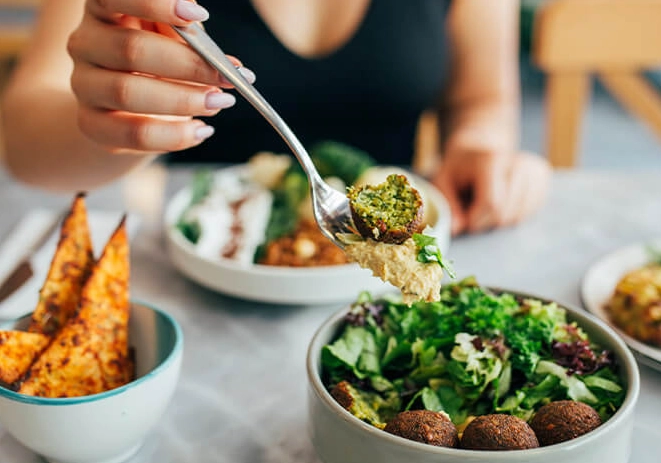
But here's the subtle mistake I see all the time. Women hear "eat whatever you want" and interpret it as a free pass to nightly ice cream binges, then feel confused when they don't feel great. That's not intuition; that's rebellion against past restriction.
True intuitive eating has a second, quieter phase after the initial permission. It's when you start noticing how foods make your body feel. That heavy, sluggish feeling after a huge fast-food meal. The steady, clear energy from a balanced lunch with protein and veggies. The trend is learning to let those physical sensations—not guilt or a calorie app—guide your choices.
How to Practice Intuitive Eating When You're Busy
"I don't have time to listen to my hunger cues!" This is the most common pushback. The fix is in the structure.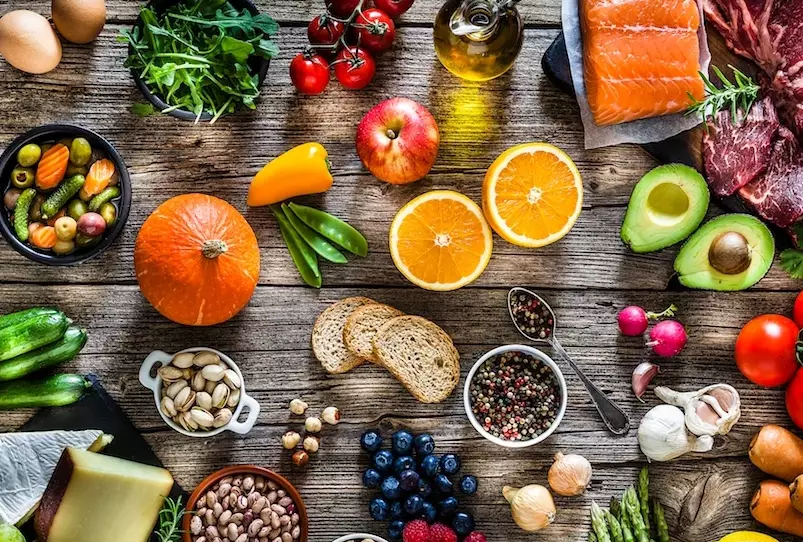
- Schedule Rough Eating Windows: Not to restrict, but to prevent "hangry" crashes that override intuition. Aim for a small meal or snack every 3-4 hours.
- The 80/20 Pause: Before eating, take one breath. Ask: "Am I at least 80% hungry?" If yes, eat. If no, figure out what you need (a break? water? a walk?).
- Build Satisfying Meals: Use a simple template: Protein + Fiber + Healthy Fat + Flavor. This combo naturally regulates hunger and satisfaction.
Plant-Based, But Make It Flexible
The plant-based trend is massive, but its expression for women has changed. Fewer are going strictly vegan overnight. Instead, it's a flexitarian or "plant-forward" approach. Think "Meatless Mondays," swapping half the ground beef in chili for lentils, or choosing oat milk in your coffee.
The driver isn't just ethics or environment anymore—it's how women report feeling. Less bloating, better digestion, more energy. Research from sources like the Harvard T.H. Chan School of Public Health consistently links diets rich in plants with lower risks of chronic diseases that disproportionately affect women.
But the pitfall? Nutrient gaps. Iron and B12 are the big ones. A woman in her 30s told me she was exhausted on her new vegan diet. Turns out, she was living on salads and pasta. We added iron-rich spinach (with lemon juice for vitamin C to boost absorption), lentils, and fortified nutritional yeast. Her energy rebounded in weeks.
The trend is smart supplementation and strategic eating, not just elimination.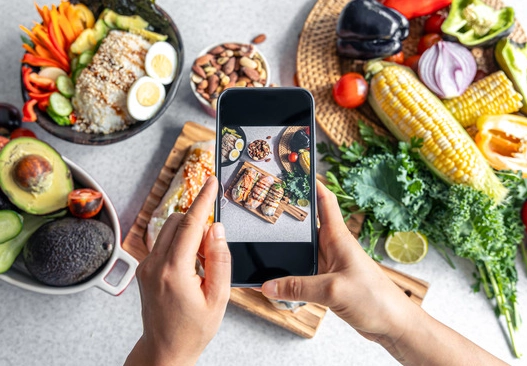
Mindful Nutrition & The Functional Foods Boom
This trend is about eating with a purpose. It's moving beyond basic macros (carbs, protein, fat) to ask: What will this food do for me? It's where diet trends for women intersect with science and specific wellness goals.
You see it in the foods getting spotlight:
- Gut Health Heroes: Fermented foods like kimchi, kefir, and sauerkraut for probiotics. Prebiotic fibers from garlic, onions, and asparagus to feed the good bacteria.
- Adaptogens in the Kitchen: Adding ashwagandha powder to smoothies for stress support, or turmeric (with black pepper) for its anti-inflammatory properties.
- Seed Cycling: A niche but growing practice of eating specific seeds (like flax and pumpkin) during different menstrual cycle phases to support hormone balance. The evidence is more anecdotal than robust, but it exemplifies the desire for targeted, natural food-as-medicine approaches.
It's not about eating exotic superfoods every day. It's asking, "My skin is inflamed, could more omega-3s from salmon or walnuts help?" or "I need to focus, maybe a matcha instead of a third coffee?"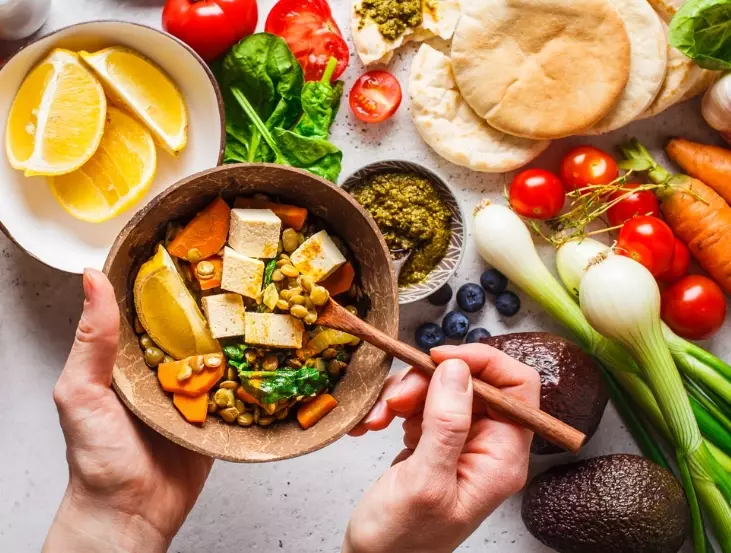
The Hormonal Health Focus: Eating for Your Cycle
This might be the most significant shift. Women are finally acknowledging that a one-size-fits-all diet is nonsense when our hormonal landscape changes monthly. The trend is syncing nutrition with your menstrual cycle, popularized as "cycle syncing."
The basic idea:
- Follicular & Ovulatory Phases (Post-Period to Ovulation): Higher energy. This is a great time for lighter meals, raw veggies, and trying new, challenging recipes. Your insulin sensitivity is better, so you might handle carbs more easily.
- Luteal Phase (Post-Ovulation to Period): Rising progesterone can increase appetite and lower serotonin. The trend focuses on magnesium-rich foods (dark chocolate, nuts, leafy greens) for mood, complex carbs for serotonin, and steady protein to manage cravings. This is not the time to aggressively restrict calories.
- Menstrual Phase (Your Period): Iron-rich foods (red meat, lentils, spinach) to replenish losses, and anti-inflammatory foods (ginger, berries, fatty fish) to ease cramps.
Does it need to be perfect? No. But simply being aware that it's normal to crave more food before your period can remove a layer of guilt. It's biology, not a lack of willpower.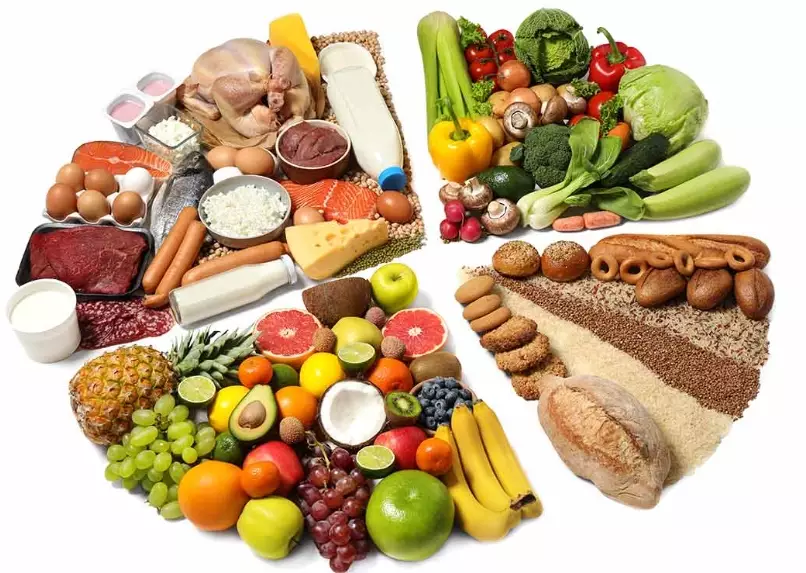
How to Find *Your* Personal Trend (A Practical Guide)
With all these options, how do you choose? Don't pick a trend; identify a need.
Track for one week, not calories, but these three things:
- Energy: Rate it 1-5 at 10 am, 3 pm, and 8 pm. Notice dips.
- Mood & Focus: Jot down any brain fog, irritability, or anxiety spikes.
- Digestion: Note any bloating, gas, or discomfort after meals.
Then, match the pattern to a trend.
Pattern: Constant hunger, thinking about food all the time, guilt after eating.
Trend to Try: Intuitive Eating. You're likely stuck in the restrict-binge cycle.
Pattern: Low energy, heavy digestion, feeling "weighed down."
Trend to Try: Plant-Forward Flexitarian. Gently increase fiber and plants while keeping familiar proteins.
Pattern: PMS is brutal, cycles are irregular, skin issues.
Trend to Try: Hormone-Focused Eating. Start with simple cycle syncing and adding magnesium/omega-3s.
Pattern: General fatigue, frequent colds, stress feels unmanageable.
Trend to Try: Mindful, Functional Nutrition. Focus on gut-health foods and adaptogens.
Start with one small change from that trend for two weeks. See how you feel. Adjust. This is how a trend becomes your own sustainable practice.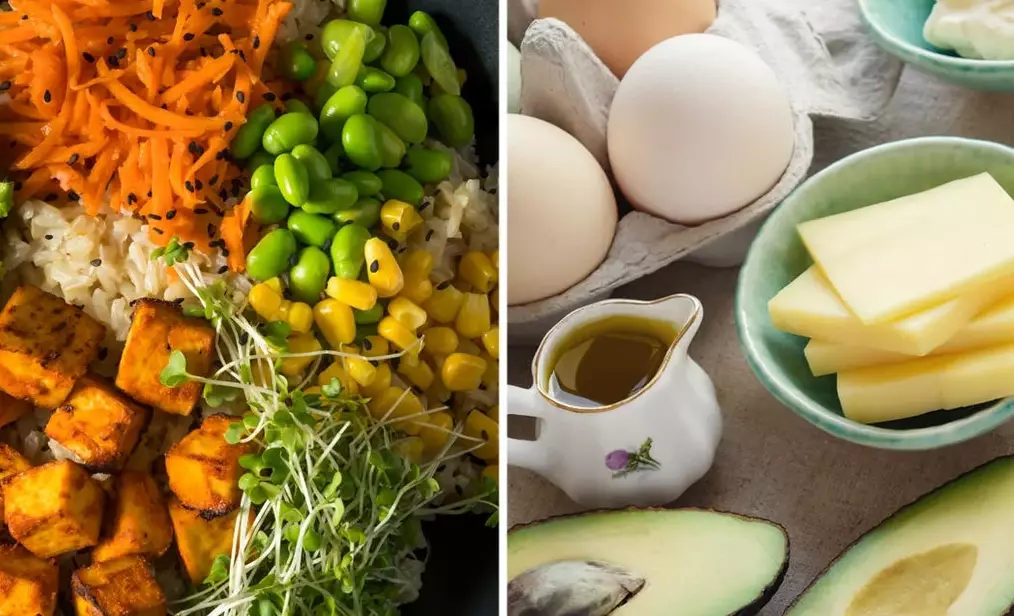
Your Questions, Answered
The landscape of diet trends for women is finally maturing. It's less about chasing a fleeting body ideal and more about cultivating a lasting, peaceful relationship with food that supports your unique life and biology. The best trend is the one you don't have to "go on" or "fall off." It's simply how you eat.
POST A COMMENT