Let's cut to the chase. Asking for the single "most successful" acne treatment is like asking for the best tool in a toolbox without knowing if you're fixing a leaky faucet or building a bookshelf. The real, most successful treatment is the personalized combination that targets your specific type of acne, your skin's unique behavior, and the root causes driving your breakouts. For my patient Sarah, it was a low-dose antibiotic and a gentle retinoid. For Mark, it was switching his shaving cream and using benzoyl peroxide wash. There's no universal winner, but there is a winning strategy.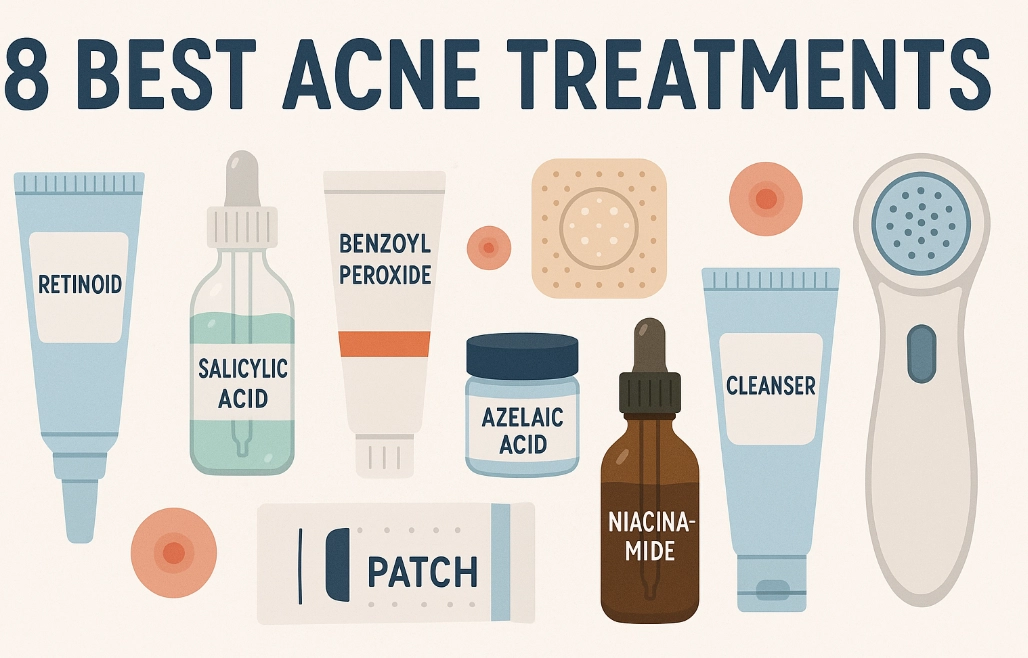
Success means clear skin you can maintain without constant struggle. It's not a one-time fix; it's a system.
Your Clear Skin Roadmap
What Makes an Acne Treatment "Successful"?
Before we list products, let's define the goal. A successful acne treatment does three things reliably.
First, it reduces existing pimples and prevents new ones. This seems obvious, but many treatments only do one or the other. A harsh scrub might dry out a current zit but does nothing to stop the next five brewing under the surface.
Second, it minimizes scarring and dark spots (post-inflammatory hyperpigmentation). Inflammatory acne—those red, painful bumps—is a trauma to your skin. The best treatments calm inflammation quickly, limiting the collateral damage. This is where retinoids really shine; they accelerate skin cell turnover, helping to fade marks faster.
Third, and this is the kicker, it's sustainable for your lifestyle. The most potent prescription in the world fails if you stop using it because it's too irritating, too expensive, or too complicated. Success is a routine you can stick with for months.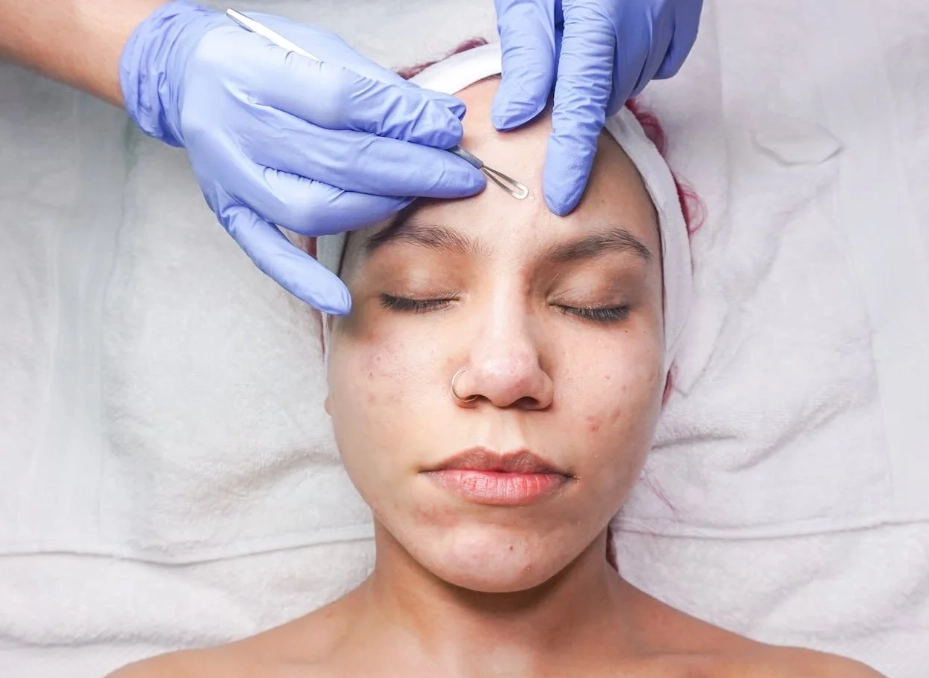
The Top-Tier Treatments: How They Stack Up
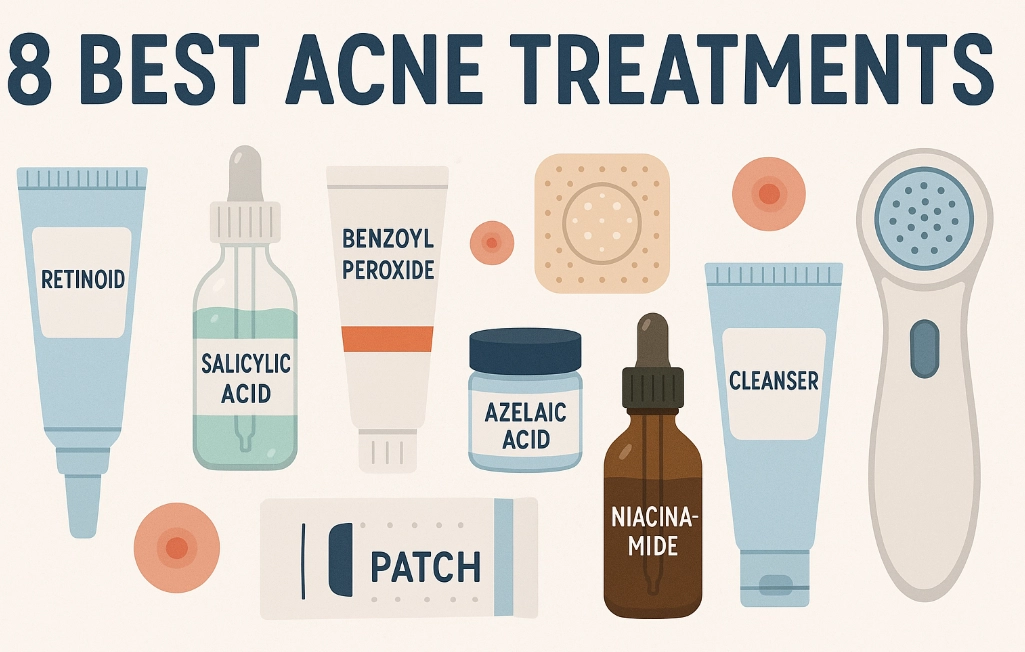
Based on decades of clinical evidence and guidelines from authorities like the American Academy of Dermatology, these are the heavy hitters. Think of them as your core options.
| Treatment Category | Key Examples | How It Works | Best For | Considerations |
|---|---|---|---|---|
| Topical Retinoids | Prescription: Tretinoin, Adapalene, Tazarotene. OTC: Adapalene 0.1% (Differin) | Unclogs pores, reduces inflammation, speeds up cell turnover to heal and prevent. | Comedonal acne (blackheads/whiteheads), mild-moderate inflammatory acne, preventing new clogged pores. | The gold standard for prevention. Can cause dryness/irritation ("retinization"). Requires patience (8-12 weeks). |
| Benzoyl Peroxide | Washes (2.5-10%), creams, gels. | Kills acne-causing bacteria (C. acnes), reduces inflammation, helps unclog pores. | Inflammatory acne (red, tender bumps), as part of a combination therapy. | Can bleach fabrics/hair. Can be drying. 2.5% is often as effective as 10% with less irritation. |
| Topical & Oral Antibiotics | Clindamycin (topical), Doxycycline/Minocycline (oral). | Reduces bacteria and inflammation. Oral versions work systemically. | Moderate to severe inflammatory acne. Always used with another agent (like BP or a retinoid) to prevent resistance. | Not for long-term solo use due to antibiotic resistance. Oral versions can cause sun sensitivity, stomach upset. |
| Hormonal Therapies | Oral contraceptives (for women), Spironolactone. | Blocks the effects of androgens (hormones) that over-stimulate oil glands. | Women with hormonal acne—breakouts along jawline/chin, flaring around periods. | Requires a doctor's prescription. Not an option for men (for Spironolactone). Takes several months to see full effect. |
| Isotretinoin (Accutane) | Oral prescription medication. | Dramatically shrinks oil glands, normalizes skin cell shedding, reduces bacteria and inflammation. | Severe, nodular cystic acne that hasn't responded to other treatments. Can be curative for many. | Highly regulated due to serious potential side effects (requires monitoring, pregnancy prevention). Very drying. |
See the pattern? The most successful plans often combine columns. A classic dermatologist-prescribed duo is a topical retinoid at night and a benzoyl peroxide wash in the morning. This attacks multiple pathways: prevention, unclogging, and killing bacteria.
How to Find Your Most Successful Acne Treatment
This is the practical part. Don't just pick a random product from the table. Follow this logic.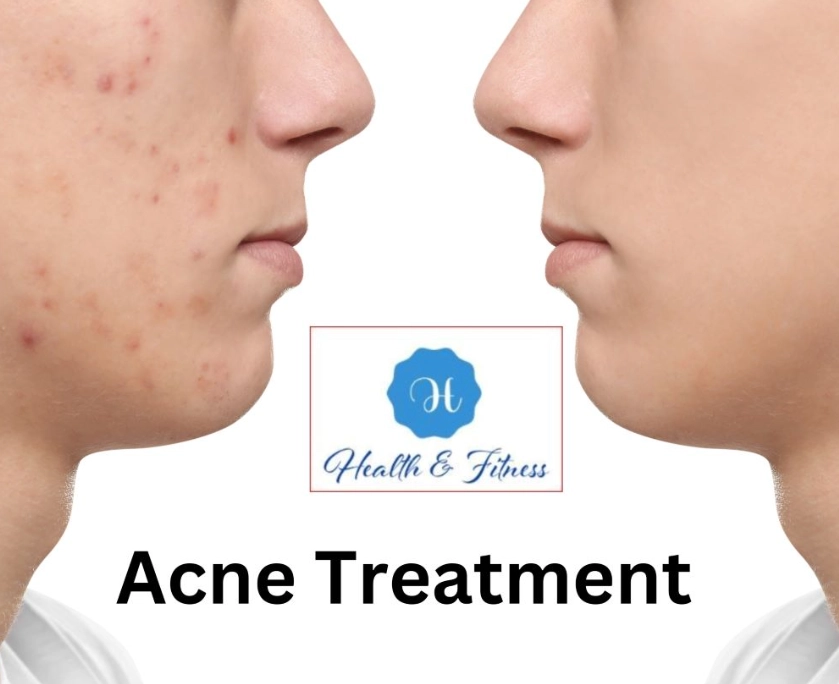
Step 1: Diagnose Your Acne Type (Be Honest)
Look in the mirror. Are they mostly blackheads and whiteheads (comedonal)? Or are they red, painful bumps and pustules (inflammatory)? Are they deep, painful cysts under the skin? Do they cluster around your jawline? Your answers point the way.
Mostly blackheads/whiteheads? Start with an over-the-counter adapalene gel (Differin). It's a retinoid that was prescription-only for years. Give it 3 solid months of consistent use.
Red, angry bumps? You need an anti-inflammatory. A benzoyl peroxide 2.5% or 5% cream is a strong start. If that's not enough after 6-8 weeks, it's time to see a doctor about adding a topical antibiotic or a prescription retinoid.
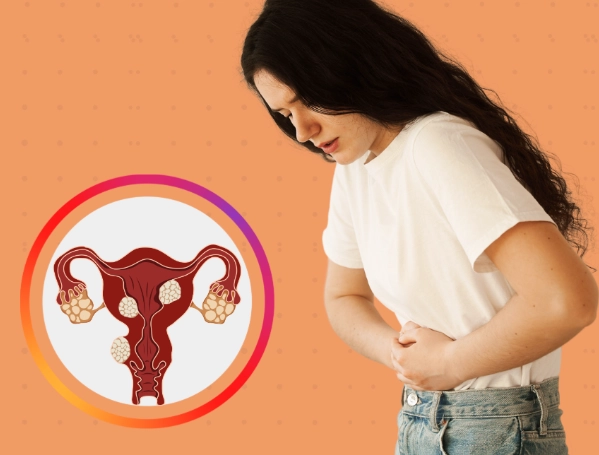
Deep cysts or jawline breakouts? This strongly suggests internal/hormonal drivers. Over-the-counter topicals will likely be underwhelming. Your most successful path probably involves a dermatologist to discuss options like spironolactone, oral antibiotics, or hormonal birth control.
Step 2: Build a Supportive Skincare Foundation
Your active treatment sits on top of a base routine. Get this wrong, and the actives won't work or will cause misery.
- Gentle Cleanser: Use a sulfate-free, non-stripping cleanser twice daily. No scrubbing beads.
- Non-Comedogenic Moisturizer: Yes, even if your skin is oily. Hydrated skin is resilient skin. Look for ingredients like ceramides, hyaluronic acid, or niacinamide.
- Mineral Sunscreen (SPF 30+): Non-negotiable. Many acne treatments increase sun sensitivity. Sunburn causes inflammation, which worsens acne and dark spots.
This trio creates the stable environment your medical treatments need to do their job.
Step 3: Partner with a Professional
If your acne is moderate, persistent, or causing distress, a board-certified dermatologist is your best investment. They can:
- Prescribe the more potent versions of the treatments in the table.
- Create a tailored combination regimen.
- Perform in-office procedures like corticosteroid injections for cysts (instant relief) or chemical peels.
- Guide you safely through options like isotretinoin if needed.
Think of them as your coach, not a last resort.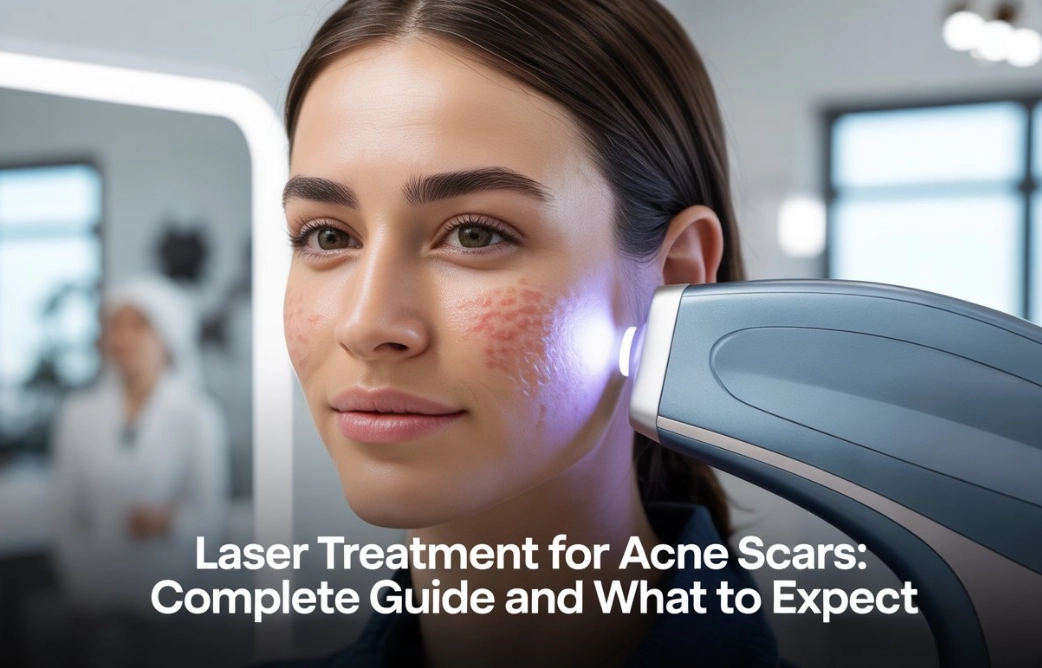
The Subtle Mistakes That Keep You Breaking Out
Ten years of listening to patients reveals patterns. It's rarely just about the medicine.
Mistake 1: The Product Merry-Go-Round. You try a new wash for two weeks, don't see miracles, and switch. Acne treatments need a minimum of 4-8 weeks to show real improvement. Stick with one plan long enough to judge it.
Mistake 2: Treating Your Pillowcase Like a Towel. You wash your face, then sleep on a pillowcase coated in oil, bacteria, and hair product residue. Change your pillowcase at least twice a week. It's a simple, high-impact move.
Mistake 3: Equating "Tingling" with "Working." That burning sensation from a high-strength toner or scrub isn't efficacy; it's irritation. Irritation = inflammation = more acne. Effective treatment should not feel like punishment.
Mistake 4: Ignoring the Hairline and Jaw. Hair gels, pomades, and conditioners are notorious for causing "pomade acne" along the hairline. Heavy, occlusive moisturizers can trigger jawline breakouts. Check what's migrating from your hair to your skin.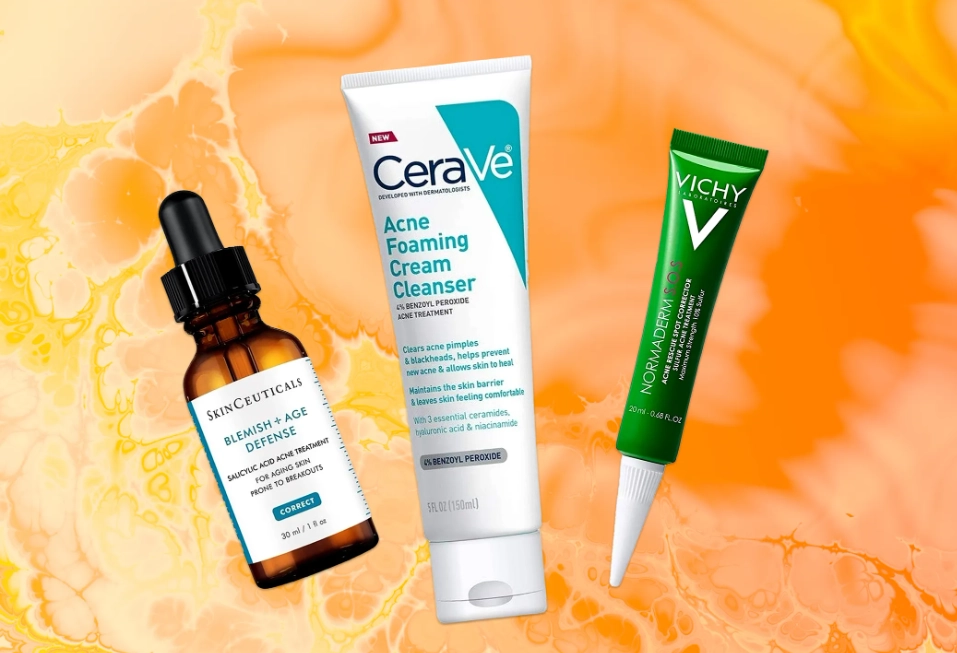
Your Acne Treatment Questions, Answered
 Is it worth spending money on expensive LED light therapy masks or high-frequency devices?
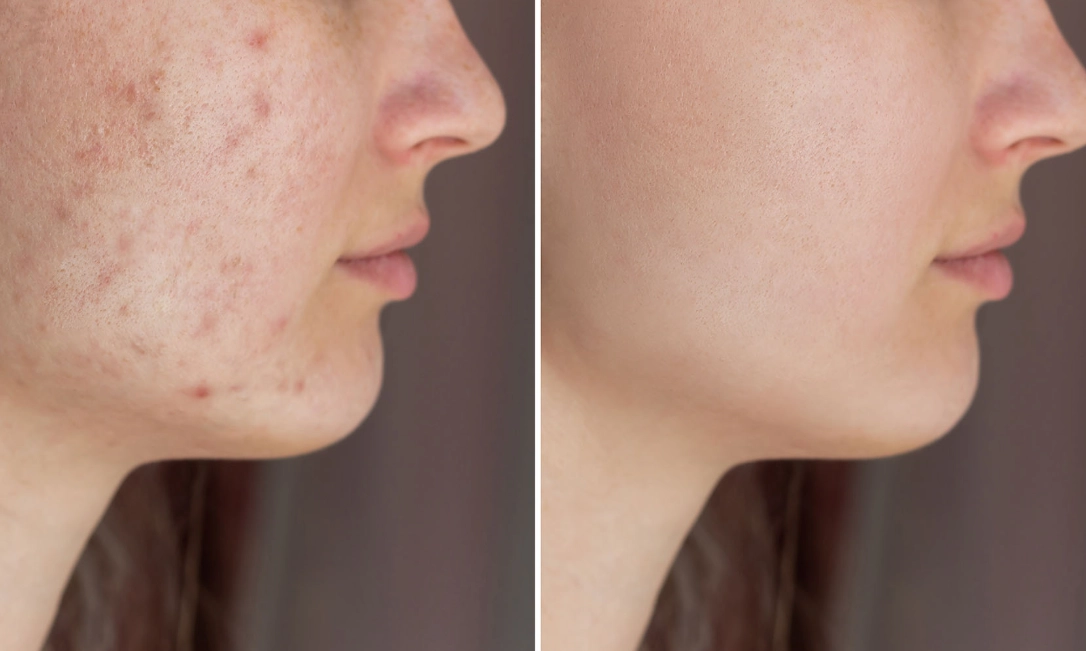 So, what is the most successful treatment for acne? It's the smart, layered plan that you and your dermatologist build, targeting your specific acne with proven ingredients, supported by a gentle skincare base, and executed with consistency. It's not a magic bullet. It's a strategy. Start by understanding your acne type, introduce one effective active ingredient at a time, and give it the weeks it needs to work. That's the real path to clear skin.
Leave a comment