Alternative Medicine for Women: A Comprehensive Guide to Natural Health Options
In This Guide
Let's be honest. Sometimes the conventional medical route feels like it's missing a piece of the puzzle. You go in with fatigue, or wonky cycles, or that persistent low-grade anxiety, and you might get a pill or a pat on the back. But what about the root cause? What about treating you—your whole self, not just the symptom? That's where the world of alternative medicine for women starts to whisper, and honestly, for a lot of us, it's a whisper worth listening to.
I'm not talking about ditching your doctor. Far from it. This is about building a toolkit, a complementary one. Think of it like this: conventional medicine is the brilliant emergency mechanic who can rebuild your engine. Alternative or complementary therapies are the dedicated detailers and tuners who keep it running smoothly, listen for odd sounds, and care about the ride quality. For women, whose health is so intricately tied to hormonal ebbs and flows, stress, and lifestyle, this holistic approach isn't just nice—it can be transformative.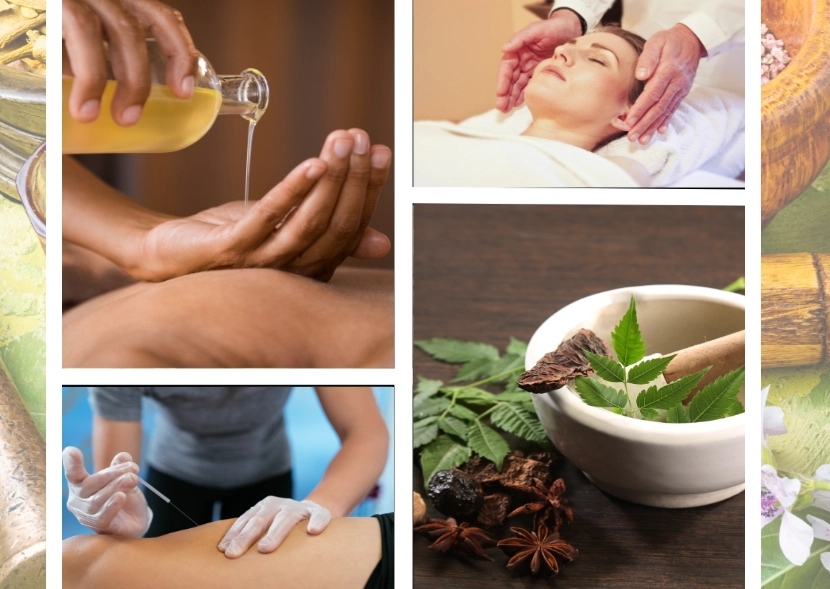
Why Are Women Drawn to Alternative Medicine Anyway?
It's not a trend. It's a response. Many women feel that standard care can be dismissive of symptoms that don't fit a clear diagnostic box (hello, perimenopause!). There's also a growing desire for autonomy, for understanding the "why" behind a health issue, and for treatments with fewer harsh side effects.
We're managing careers, families, relationships—our nervous systems are in a constant state of low-grade alert. A pill for anxiety might mask the symptom, but what about the underlying burnout? Alternative medicine for women often steps in here, offering tools like meditation, adaptogenic herbs, or acupuncture that aim to regulate the system from the inside out.
Personal story time: A friend of mine was battling brutal PMS for years. Her doctor's solution was a stronger painkiller. She finally saw a naturopath who looked at her diet, stress levels, and sleep patterns, suggested some magnesium and vitex agnus-castus, and tweaked her caffeine intake. The change wasn't overnight, but within a few cycles, the edge was gone. It wasn't magic; it was addressing the cause, not just the monthly crisis.
The Major Players: A Tour of Common Therapies
Alright, let's get practical. If you're curious about alternative medicine for women, where do you even start? Here's a breakdown of some of the most accessible and widely-used approaches.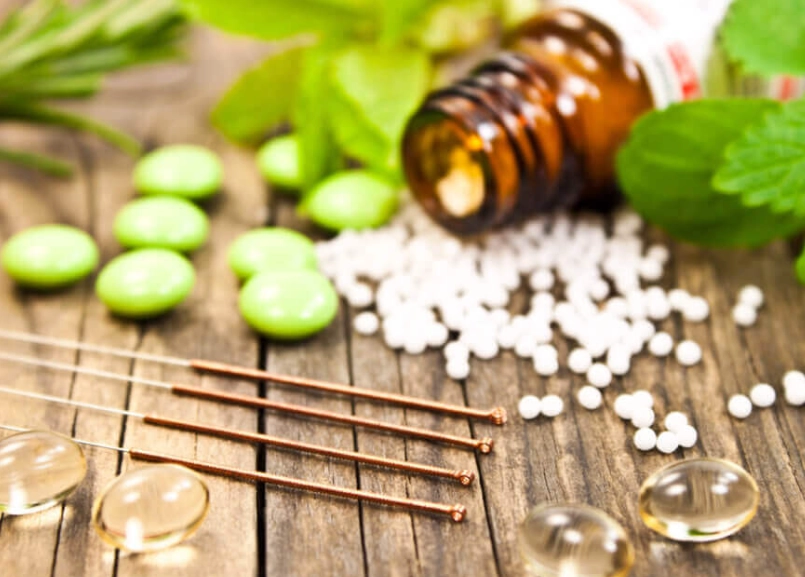
Herbal Medicine & Supplements
This is probably the first thing people think of. Plants have been our first pharmacy for millennia. The key is knowing which herbs are allies for specific female health stages.
- For Hormonal Harmony: Chasteberry (Vitex) is a classic for regulating cycles and easing PMS. Dong Quai is called the "female ginseng" in Traditional Chinese Medicine, often used for menstrual cramps and menopausal symptoms. Black Cohosh has a long history of use for hot flashes, though the science is mixed—some swear by it, others feel nothing.
- For Stress & Adaptability: Adaptogens are having a moment, and for good reason. Ashwagandha can help lower cortisol (the stress hormone). Rhodiola is fantastic for combating fatigue and brain fog. Holy Basil (Tulsi) is a gentle nervine that promotes calm.
- For General Wellness: Turmeric for its anti-inflammatory properties, Magnesium for muscle relaxation and sleep, and a good-quality probiotic for gut health, which is shockingly linked to everything from mood to immunity.
Mind-Body Practices
This is where the connection between your thoughts, emotions, and physical health gets real. For women juggling ten things at once, these practices can be a lifeline.
Yoga: Beyond flexibility, yoga is phenomenal for regulating the nervous system. Specific poses can aid digestion, relieve pelvic tension, and promote lymphatic drainage. A restorative yoga session can do more for my anxiety than a glass of wine ever could.
Meditation & Mindfulness: Learning to observe your thoughts without getting swept away by them is a superpower. Apps can help you start, but even five minutes of focused breathing can lower blood pressure and create mental space. It's like a system reset for a cluttered mind.
Tai Chi & Qigong: These gentle movement arts focus on cultivating and balancing your body's energy (qi). They're low-impact, improve balance, and are deeply calming. I see more and more women in the park doing these practices in the morning—it's a beautiful, slow way to start the day.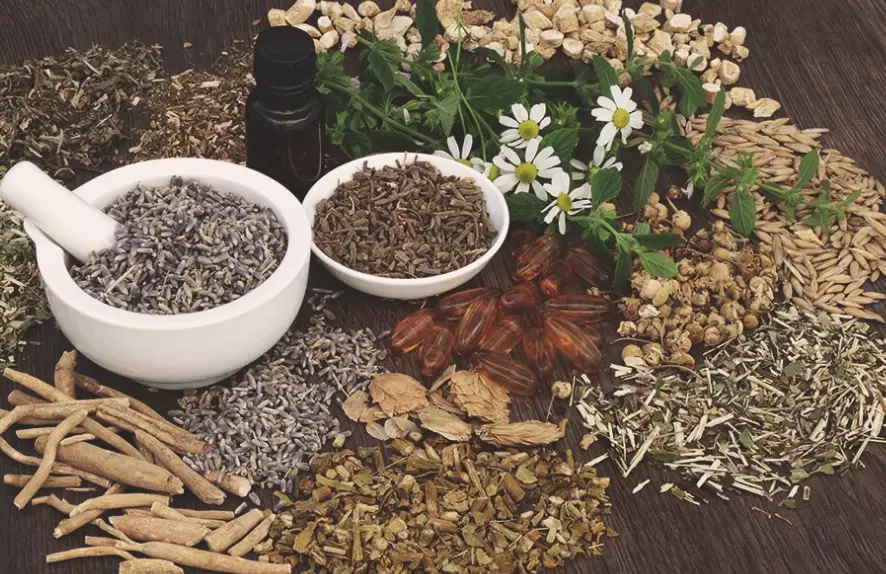
Manual & Energy Therapies
These therapies work on the physical structure or the subtle energy fields of the body.
Acupuncture: Tiny needles placed at specific points to unblock energy flow. The science behind it points to stimulating nerves and releasing endorphins. It's incredibly popular for fertility support, pain management (like endometriosis or migraines), and nausea. I was a skeptic until I tried it for a stiff neck; the deep relaxation was undeniable.
Massage Therapy: Not just a spa luxury. Therapeutic massage can break down scar tissue (important after C-sections or breast surgery), improve circulation, and reduce cortisol levels. For women who carry stress in their shoulders and necks, it's preventative medicine.
Reiki & Healing Touch: These are energy healing practices where a practitioner channels universal energy to promote balance. The evidence is anecdotal, but many report profound feelings of peace, reduced pain, and emotional release. It's one of those "you have to experience it" things—it either resonates with you or it doesn't.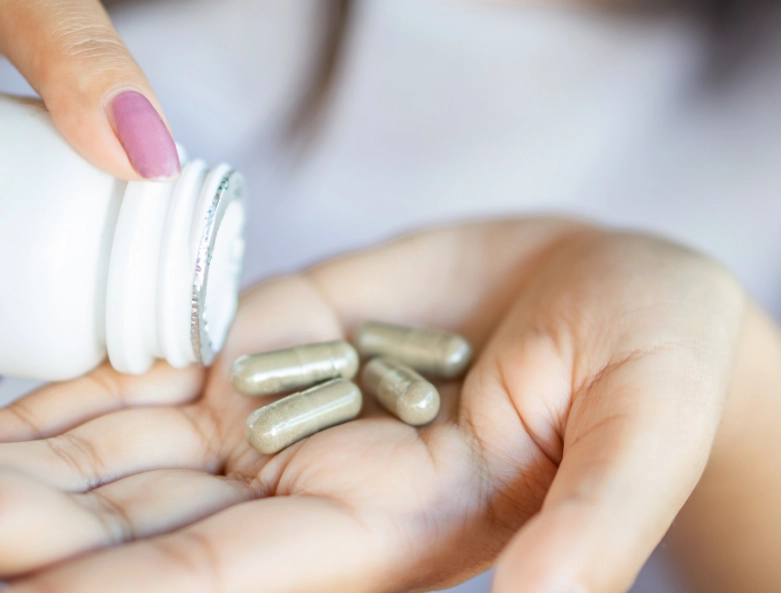
Addressing Specific Concerns: A Practical Guide
Let's get down to brass tacks. How can these forms of alternative medicine for women actually help with the stuff that keeps you up at night?
Navigating Perimenopause & Menopause
This is a huge area where women feel let down by conventional care. Hormone Replacement Therapy (HRT) is effective for many, but it's not the only path.
| Symptom | Potential Alternative Approaches | Notes & Considerations |
|---|---|---|
| Hot Flashes/Night Sweats | Black Cohosh, Soy Isoflavones, Acupuncture, Paced Breathing | Black Cohosh studies are conflicting. Soy needs consistent intake. Acupuncture shows promising clinical results. |
| Mood Swings & Anxiety | Omega-3s, St. John's Wort, Mindfulness, Regular Exercise | Major Warning: St. John's Wort interacts with countless medications (birth control, antidepressants, etc.). Medical consultation is non-negotiable. |
| Sleep Issues | Magnesium Glycinate, Valerian Root, Sleep Hygiene, Yoga Nidra | Magnesium is a muscle relaxant. Valerian can help induce sleep but has a strong odor. Yoga Nidra is "yogic sleep"—a guided meditation that's deeply restorative. |
| Vaginal Dryness | Vitamin E Suppositories, Sea Buckthorn Oil, Pelvic Floor Physical Therapy | Non-hormonal local options. Pelvic floor therapy can address related pain and urinary symptoms. |
The North American Menopause Society (NAMS) acknowledges many of these complementary approaches, which adds a layer of credibility.
Fertility & Reproductive Support
Many women turn to alternative therapies alongside (or before) medical fertility treatments. The goal is often to optimize overall health to create a more receptive environment.
- Acupuncture: Frequently used to increase blood flow to the uterus/ovaries and reduce stress. Some studies suggest it may improve outcomes when paired with IVF.
- Nutrition: A whole-foods, anti-inflammatory diet rich in antioxidants. Specific supplements like CoQ10, Vitamin D, and N-acetylcysteine (NAC) are often recommended by integrative practitioners.
- Stress Reduction: This is critical. High cortisol can directly interfere with reproductive hormones. Yoga, meditation, and even just saying "no" to extra obligations can be part of the fertility plan.
It's a sensitive journey. The key is to find practitioners who work collaboratively with your reproductive endocrinologist, not ones who make unrealistic promises.
Managing Stress, Anxiety, and Fatigue
This is the daily grind stuff. When you're running on empty, alternative medicine offers ways to refuel that go beyond caffeine.
Adaptogens, as mentioned, can help your body adapt to stress. But they're not a substitute for addressing the source of the stress. Sometimes the most powerful alternative medicine for women is the courage to set a boundary or ask for help.
How to Start Safely and Smartly
Feeling overwhelmed? Don't be. The best approach is slow, curious, and cautious.
1. Do Your Homework, But Vet Your Sources. A blog (even this one!) is a starting point, not the finish line. Cross-reference information. Look for .gov or .edu websites (like the NIH Office of Dietary Supplements) for unbiased supplement facts. Be wary of anyone selling a miracle cure.
2. Find the Right Practitioner. This is crucial. Look for licensed, certified professionals. For acupuncturists, that's L.Ac. (Licensed Acupuncturist). For naturopaths, it's N.D. (Naturopathic Doctor) in licensed states. Ask about their training and experience with your specific concern. A good practitioner will welcome questions and want to collaborate with your other doctors.
3. Start Low and Go Slow. With herbs or supplements, start with the lowest suggested dose to see how your body reacts. Introduce one new thing at a time. If you start three new herbs on Monday and get a stomachache on Tuesday, you'll have no idea which one caused it.
4. Keep a Health Journal. This is gold. Note what you try, the dosage, and any changes in symptoms, energy, sleep, or mood. It turns anecdotal experience into valuable personal data and helps you and your practitioner see what's actually working.
Common Questions Women Have (The Real Stuff)
"Is this all just a placebo effect?"
You know what? Even if it is partly placebo, so what? If you feel better, you feel better. The mind-body connection is powerful and real. However, many modalities like acupuncture and specific herbs have growing bodies of clinical research supporting their mechanisms. It's not just in your head.
"How do I talk to my regular doctor about this?"
Frame it as you're exploring complementary options to support your overall health plan. Bring a list of what you're considering. A good doctor will appreciate your proactive approach and discuss potential interactions. If your doctor immediately dismisses it all, that might tell you something about the need for a more open-minded healthcare partner.
It's your health. You're the CEO.
"This can get expensive. Is it worth it?"
Some aspects are pricey (private practitioners, high-quality supplements). But many are low or no-cost: breathing exercises, mindful walking, online yoga videos, drinking more water, prioritizing sleep. Start with the free stuff—it's often the most foundational. View any money spent as an investment in prevention and long-term wellness, not just a reaction to illness.
"How long until I see results?"
This is where patience is key. Unlike a painkiller that works in 30 minutes, natural approaches often work gradually as your body rebalances. Give any new practice or supplement at least 4-6 weeks of consistent use before judging its effectiveness. Healing is rarely linear.
Wrapping It Up: Your Health, Your Blend
The landscape of alternative medicine for women is vast and deeply personal. There's no one-size-fits-all protocol. What works wonders for your best friend's migraines might do nothing for yours. The journey is about becoming a detective in your own body, paying attention to signals, and finding the unique blend of conventional and complementary care that makes you feel vibrant and supported.
It requires curiosity, a dash of skepticism, and a good dose of self-compassion. Don't jump on every trend. Start with one small, manageable change—maybe swapping your afternoon coffee for a herbal tea, or trying a 5-minute meditation before bed. Build from there.
Remember, the ultimate goal of any medicine, alternative or otherwise, should be to empower you, not create dependency. It's about giving you tools and understanding, so you can navigate your health with more confidence and grace, through every season of your life.
POST A COMMENT