Quick Navigation
Let's be real. A yeast infection is a total nuisance. That itching, the irritation, the thick discharge – it can throw your whole day off. If you're here, you're probably in the thick of it (pun slightly intended) or worried one might be coming on. You just want clear, straightforward information on how to make it stop.
Well, you've come to the right place. I've been there, scrolling through endless forums at 2 AM, desperate for answers that don't sound like a pharmaceutical ad or a sketchy home remedy blog. This guide is what I wish I had. We're going to break down every single option for yeast infection treatment, from the creams you can grab at the drugstore to the pills your doctor might prescribe, and yes, even the home remedies people swear by (with a honest look at which ones might actually help and which are a waste of time).
We'll also talk about how to know for sure it's a yeast infection and not something else (super important), how to stop it from coming back, and answer all those awkward questions you might be too embarrassed to ask out loud.
First Things First: Is It Actually a Yeast Infection?
This is the most critical step. Jumping into a yeast infection treatment when you have something else can be ineffective and even make things worse. The classic signs are hard to miss for most people: intense vaginal itching that just won't quit, a thick, white discharge that looks like cottage cheese (usually odorless), and redness/swelling/burning that makes sitting down a strategic operation.
But here's the kicker.
Other issues, like bacterial vaginosis (BV) or some STIs, can have similar symptoms. BV often has a fishy odor, for example. If you've never had a yeast infection before, or if your symptoms are different this time, seeing a healthcare provider for a proper diagnosis is the smartest move. They can take a quick look under a microscope and know for sure. The Centers for Disease Control and Prevention (CDC) emphasizes that self-diagnosis isn't always accurate, and getting it wrong means you're not treating the real problem.
I made the self-diagnosis mistake once. The itching was there, so I assumed. Used an OTC cream for a week with zero improvement. Turns out it was a mild allergic reaction to a new laundry detergent. Felt pretty silly after that.
- This is your first time experiencing these symptoms.
- You're pregnant or think you might be.
- You have recurring infections (four or more in a year).
- The OTC treatment didn't work after a full course.
- Your symptoms are severe (major swelling, sores, cracks in the skin).
- You have a fever, chills, or pelvic pain.
- You're unsure if it's a yeast infection or something else.
Your Yeast Infection Treatment Toolkit: From Quick Fixes to Long-Term Solutions
Okay, let's say you're pretty confident it's yeast, or your doctor has confirmed it. Now what? Your treatment options fall into a few main buckets. Choosing the right one depends on the severity, your history, and honestly, your personal preference.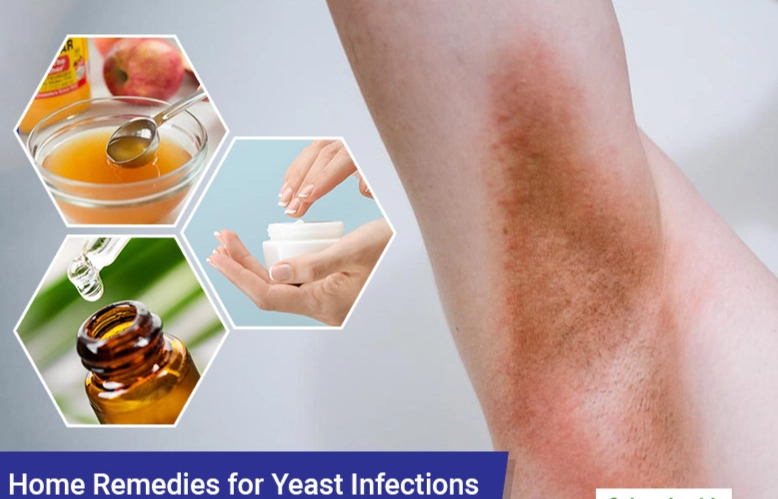
Over-the-Counter (OTC) Antifungals: The First Line of Defense
For most uncomplicated yeast infections, this is where people start. You'll find them in the feminine care aisle. They contain antifungal agents like miconazole, clotrimazole, or tioconazole. They come in different forms:
- Creams: Applied internally and externally to soothe itching. Messy but provides immediate external relief.
- Suppositories: Inserted capsules or tablets. Less messy than cream internally.
- Combination Packs: Usually include suppositories for internal treatment and a separate cream for external itching.
The big choice is treatment duration: 1-day, 3-day, or 7-day courses. Counterintuitively, the shorter courses often use a higher, more concentrated dose. The 7-day course uses a lower dose spread out. Some women find the strong 1-day dose irritating. Personally, I've had better luck with the mild-and-steady approach of a 7-day treatment. It feels gentler and seems to do a more thorough job for me.
The key with any OTC yeast infection treatment is to finish the entire course, even if you start feeling better after a couple of days. Stopping early is a prime way to invite a rebound.
Prescription-Strength Options
When OTC doesn't cut it, or your infection is more stubborn, it's time to talk to a doctor. They have heavier artillery.
- Oral Fluconazole (Diflucan): This is the famous "one pill" treatment. You take a single oral dose. It's incredibly convenient and systemic, meaning it works from the inside out. It's often the go-to for recurrent or severe cases. However, it's not recommended for everyone (especially in certain stages of pregnancy or if you have liver issues), and it can have more drug interactions than topical treatments. The Mayo Clinic notes it's a highly effective option when appropriate.
- Longer or Stronger Topical Treatments: Your doctor might prescribe a longer course of a topical cream or a different, stronger antifungal.
- Maintenance Therapy: For women with recurrent yeast infections (RVVC), a doctor might prescribe a fluconazole pill once a week for six months to break the cycle, followed by a slower taper. This is a specific protocol and requires medical supervision.
| Treatment Type | How It Works | Best For | Things to Consider |
|---|---|---|---|
| OTC Creams/Suppositories (1-7 day) | Topical antifungal applied directly to the area to kill yeast locally. | First-time or mild, uncomplicated infections. People who prefer non-oral medication. | Can be messy. May not be strong enough for recurrent cases. Must complete full course. |
| Prescription Oral Pill (Fluconazole) | Systemic antifungal taken by mouth that works throughout the body. | Severe, recurrent, or complicated infections. People who want maximum convenience. | Requires a doctor's visit/prescription. Not for everyone (pregnancy, drug interactions). |
| Home Remedies (e.g., Yogurt, Boric Acid) | Attempts to restore natural pH balance or directly combat yeast with natural substances. | Mild symptoms, adjunct support, or prevention. Those seeking natural first steps. | Evidence is mixed. Not a substitute for antifungals in active infection. Boric acid requires caution and is not for ingestion. |
The Home Remedy Corner: What Actually Helps?
Ah, the world of home cures. The internet is full of them. Let's separate the plausible from the potentially problematic.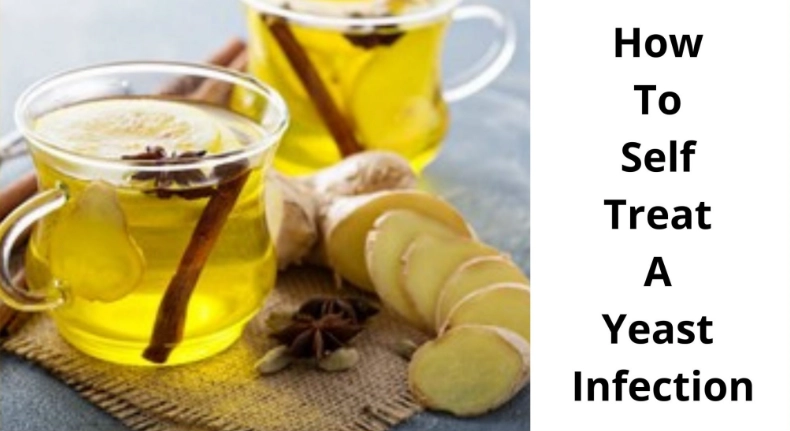
Probiotics & Yogurt: The theory is solid. Lactobacillus bacteria are the good guys in your vaginal flora. Eating probiotic-rich foods (yogurt, kefir, sauerkraut) or taking a supplement can help maintain a healthy balance to prevent future infections. Some women apply plain, unsweetened yogurt topically to soothe itching. It might offer temporary relief due to coolness, but there's limited evidence it cures an active infection. Think of probiotics as part of your long-term defense team, not the emergency responders.
Garlic, Tea Tree Oil, Douching: I'm skeptical. Inserting garlic or undiluted tea tree oil can be incredibly irritating and even cause chemical burns to sensitive tissues. Just don't. And douching? It's a classic example of making things worse. It washes away the good bacteria that keep yeast in check, disrupting your natural pH. The Office on Women's Health is clear: douching is not necessary and can increase your risk of infections.
Soothing Baths: A lukewarm bath with a cup or two of plain Epsom salts or baking soda can provide wonderful temporary relief from itching and irritation. It doesn't cure the infection, but it can make you feel human again while your antifungal treatment works. Keep it simple and avoid perfumed bubble baths.
Stopping the Cycle: How to Prevent Yeast Infections from Coming Back
You've gotten through the yeast infection treatment. The last thing you want is a repeat performance next month. For some women, it feels like a monthly subscription they never signed up for. Prevention is all about keeping your vaginal environment balanced and unfriendly to yeast overgrowth.
It often comes down to moisture and irritation.
Yeast loves warm, moist, dark places. Your goal is to not provide a five-star resort for it.
- Wear cotton underwear and loose-fitting pants/skirts. This allows airflow. Synthetic fabrics like nylon trap moisture.
- Change out of wet clothes ASAP. This includes sweaty workout gear and wet swimsuits. Don't sit around in them for hours.
- Avoid scented products. This is huge. Scented tampons, pads, sprays, and bubble baths are major irritants for many. Use mild, fragrance-free soaps for the external area only (the vagina is self-cleaning!).
- Wipe front to back. Always. This prevents spreading bacteria from the rectum to the vagina.
- Consider your birth control and medications. High-estrogen birth control and antibiotics are common culprits for triggering yeast infections. If you're on long-term antibiotics or get frequent infections, talk to your doctor about a prevention plan, like taking probiotics during your antibiotic course.
- Manage blood sugar if you have diabetes. High blood sugar can promote yeast growth. Good control is key.
Your Yeast Infection Questions, Answered Honestly
Let's tackle some of the specific things people search for when they're worried.
Can I have sex during a yeast infection?
You technically can, but I really wouldn't recommend it. It can be uncomfortable or painful, it might irritate the tissues further, and you could pass the yeast to your partner (though it's not considered an STI, men can get a mild rash/itching). Also, the oils in lubricants and condoms can interfere with some cream-based treatments. It's best to wait until the treatment is done and all symptoms are gone.
How long does a yeast infection last?
With proper treatment, symptoms usually start improving within 24-48 hours. The itching and burning should subside significantly. It can take up to 7 days for all symptoms to completely clear. If you're not seeing any improvement after 3 days on an OTC treatment, call your doctor.
Are yeast infections contagious?
Not in the traditional STI sense. You can't catch it from a toilet seat or a pool. However, the fungus can be passed between sexual partners through skin-to-skin contact. It's not common for men to develop full-blown symptoms, but they can carry it and potentially reinfect a partner. If you have recurrent infections, it might be worth having your partner treated topically.
What's the deal with recurring yeast infections?
Having four or more in a year is classified as recurrent vulvovaginal candidiasis (RVVC). It's frustrating and demoralizing. It often means there's an underlying trigger that hasn't been addressed—maybe an undiagnosed health issue like prediabetes, a hormonal shift, or a strain of yeast that's less responsive to standard azole drugs (like Candida glabrata). This is a definite sign you need to partner with a good gynecologist. They can do a culture to identify the exact strain and tailor a longer-term treatment plan, which might include longer courses of antifungals or boric acid suppositories.
What's the best yeast infection treatment for severe itching?
For immediate, external relief while your main treatment works, the external cream that comes in many OTC kits is formulated for that. A cool compress or a lukewarm baking soda bath can also provide great temporary relief. Avoid scratching, as it damages the skin and can lead to a secondary bacterial infection.
Wrapping It Up: Your Action Plan
Dealing with a yeast infection is no fun, but it's incredibly common and very treatable. The landscape of yeast infection treatment has clear paths. Don't suffer in silence or rely on guesswork.
Start by honestly assessing your symptoms. If it's your first rodeo or anything seems off, make a quick appointment. If it's a familiar foe and you're sure, head to the pharmacy and pick a course of OTC antifungals—and commit to finishing it. While you're treating, wear breathable clothing, avoid irritants, and use cool compresses for comfort.
If it doesn't work or comes roaring back, that's your body's signal to get professional help. There are stronger prescriptions and targeted strategies available. And for the long game, focus on simple, breathable habits to keep your natural balance in check. You've got this.

Leave a comment