Let's be honest, the probiotic aisle is overwhelming. Rows of bottles promise everything from perfect digestion to eternal youth. For women, the choice feels even more loaded. Is there really a difference? I spent years thinking any probiotic would do, until a stubborn series of UTIs and constant bloat made me dig deeper. What I found changed my approach completely. This isn't about a quick fix; it's about understanding the unique ecosystem inside you and how specific bacterial strains can be powerful allies for vaginal health, hormonal balance, and yes, that elusive gut peace.
What You'll Find in This Guide
Why Probiotics for Women Aren't Just Marketing Hype
It's not that general probiotics are bad. It's that they're often incomplete for us. A woman's body has distinct microbiomes—the gut, the vaginal tract, even the skin—that communicate in ways science is just beginning to map. The balance in one affects the others.
Think of your vaginal microbiome. It's dominated by protective Lactobacillus species that produce lactic acid, keeping the pH low and unfriendly for pathogens. When this balance is off—due to antibiotics, stress, hormonal shifts, or even certain soaps—problems like bacterial vaginosis (BV) or yeast infections can start. A 2021 review in the Journal of Women's Health pointed out that oral probiotics containing specific lactobacilli strains can help maintain this acidic environment, offering a preventive strategy that goes beyond topical treatments.
Then there's the hormone connection. Your gut bacteria play a role in metabolizing and recycling estrogen through something called the estrobolome. An imbalanced gut can lead to estrogen being reabsorbed or excreted improperly, potentially affecting everything from PMS severity to long-term health. Research cited by the National Institutes of Health (NIH) explores this gut-hormone axis, suggesting a healthy microbiome supports hormonal equilibrium.
And we can't ignore the gut-brain axis. Ever felt "hangry" or had a gut feeling? That's a two-way street. For women, who are statistically more likely to experience anxiety and depression, supporting a healthy gut with probiotics may influence neurotransmitter production like serotonin. It's not a cure, but it's a foundational piece of the wellness puzzle often overlooked.
The A-List: Probiotic Strains with Research for Women
This is where most generic supplements fall short. They throw in billions of CFUs, but of what? Not all lactobacilli are created equal. Here are the heavy hitters you should look for on a label.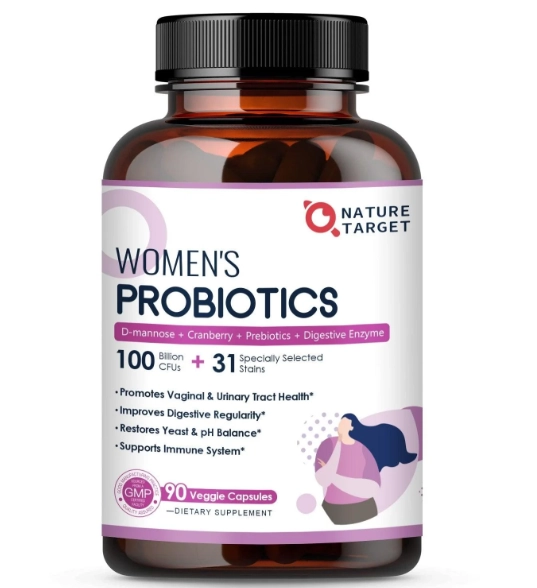
| Strain | Primary Benefit for Women | What the Research Suggests |
|---|---|---|
| Lactobacillus rhamnosus GR-1 | Vaginal & Urinary Tract Health | Often paired with L. reuteri RC-14. Clinical studies show this combo helps restore and maintain a healthy vaginal flora, reducing recurrence of BV and UTIs. |
| Lactobacillus reuteri RC-14 | Vaginal & Urinary Tract Health | The other half of the dynamic duo. It's particularly good at adhering to vaginal epithelial cells, helping to crowd out unwanted bacteria. |
| Lactobacillus acidophilus | General Gut & Vaginal Support | A common, well-researched strain that supports overall digestive function and contributes to a healthy acidic environment. |
| Bifidobacterium lactis | Digestion & Immune Function | Excellent for easing digestive discomfort like bloating and irregularity. Also shown to modulate immune response. |
| Lactobacillus fermentum | Immune & Antioxidant Support | Some strains show promise in supporting the body's natural defenses and may have antioxidant properties. |
A product doesn't need all of these, but if vaginal health is a priority, seeing GR-1 and RC-14 on the label is a very good sign. For general wellness with a female focus, a blend containing several from this list is ideal.
CFUs Aren't Everything: A common mistake is chasing the highest Colony Forming Units (CFUs). More isn't always better. A quality product with 10-20 billion CFUs of the right, well-researched strains is far more effective than 100 billion of unproven or weak strains that may not survive stomach acid. Look for "at time of expiration" not just "at manufacture."
How to Choose a Women's Probiotic: A Practical Checklist
Standing in the store or scrolling online, use this filter.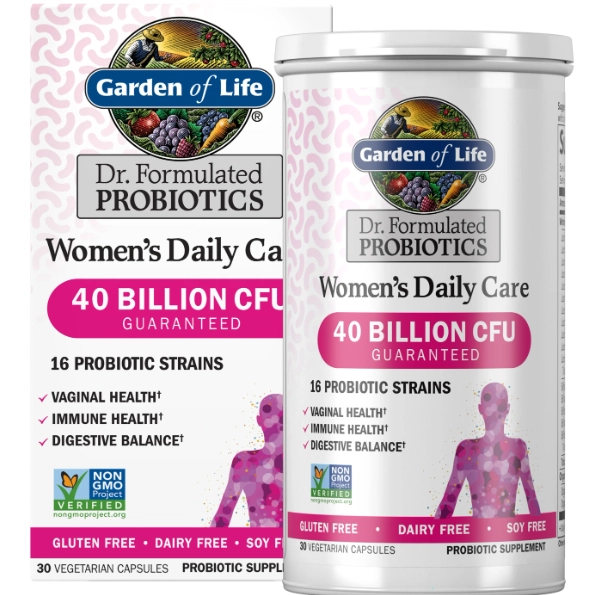
First, identify your goal. Is it preventive care for vaginal health? Recovery after antibiotics? Managing IBS-type bloating? Support during perimenopause? Your goal dictates the strain priority.
Check the strain specificity. The label must list the full strain name (e.g., Lactobacillus rhamnosus GR-1), not just "L. rhamnosus." Different substrains have different functions.
Look for survivability features. Capsules (especially delayed-release) or spore-based probiotics often survive stomach acid better than powders or tablets. Some brands use micro-encapsulation technology.
Consider the CFU count realistically. 5-50 billion is a common and effective range for daily maintenance. Much higher counts might be used for specific therapeutic protocols under guidance.
Storage matters. Some probiotics require refrigeration to maintain potency. Others are shelf-stable. Follow the instructions. A refrigerated probiotic left on a warm shelf for weeks is probably useless.
I made the mistake of buying a popular, expensive shelf-stable probiotic that didn't list specific strains, just "proprietary blend." My digestion didn't improve. Switching to a simpler, refrigerated brand with GR-1/RC-14 made a noticeable difference within a few weeks, especially post-antibiotic.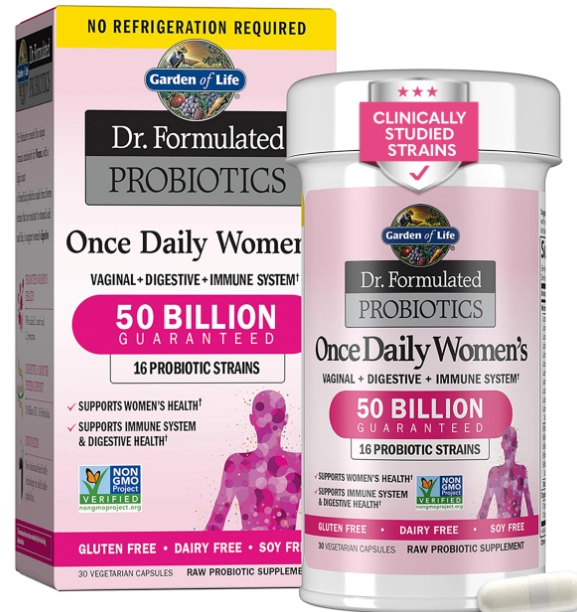
Beyond the Supplement: Food and Lifestyle Synergy
Probiotic pills are a tool, not a magic wand. They work best when you also feed the good bacteria you're trying to cultivate.
Prebiotics are the food. These are fibrous foods that your human cells can't digest, but your gut bacteria love. Include garlic, onions, leeks, asparagus, bananas, oats, and flaxseeds. A supplement without prebiotic foods is like planting seeds in poor soil.
Fermented foods are your friends. Incorporate them regularly:
- Yogurt & Kefir: Look for "live and active cultures." Greek yogurt is great for protein, but check the label for added sugars that can feed bad bacteria.
- Sauerkraut & Kimchi: Go for the refrigerated, unpasteurized kind. The shelf-stable jars on the pickle aisle are usually pasteurized, killing the probiotics.
- Kombucha: A tasty, fizzy option. Again, watch the sugar content.
Lifestyle factors are huge. Chronic stress, poor sleep, and a diet high in processed foods and sugars can wreck your microbiome faster than any probiotic can repair it. It's about the whole picture.
Common Pitfalls and How to Avoid Them
Here's the insider stuff you won't always read on the bottle.
Starting too high, too fast. Introducing a high-dose probiotic can cause gas and bloating as your gut adjusts. Start with a lower CFU count or even half a dose for a week.
Giving up too soon. Probiotics aren't like painkillers. They work gradually as they colonize. Give any new protocol at least 3-4 weeks of consistent use before judging its effectiveness.
Ignoring the antibiotic timing. If you're on antibiotics, take your probiotic, but not at the same time. Space them out by at least 2-3 hours. The antibiotic will kill the probiotic if they meet in your gut. The probiotic dose helps replenish what the antibiotic wipes out.
A Note on Safety: Probiotics are generally safe for healthy individuals. However, if you are severely immunocompromised or have a critical illness, consult your doctor before starting any new supplement, as there is a small risk of systemic infection. As the Harvard T.H. Chan School of Public Health notes, research is ongoing, and individuals with specific conditions should seek personalized advice.
The bottom line? Probiotics for women are a legitimate, research-backed tool, but they require a smart approach. It's not about grabbing the prettiest bottle. It's about matching specific, proven strains to your body's unique needs and supporting them with the right food and habits. When you get it right, the benefits can be profound—from feeling lighter and more comfortable to knowing you're supporting your health from the inside out.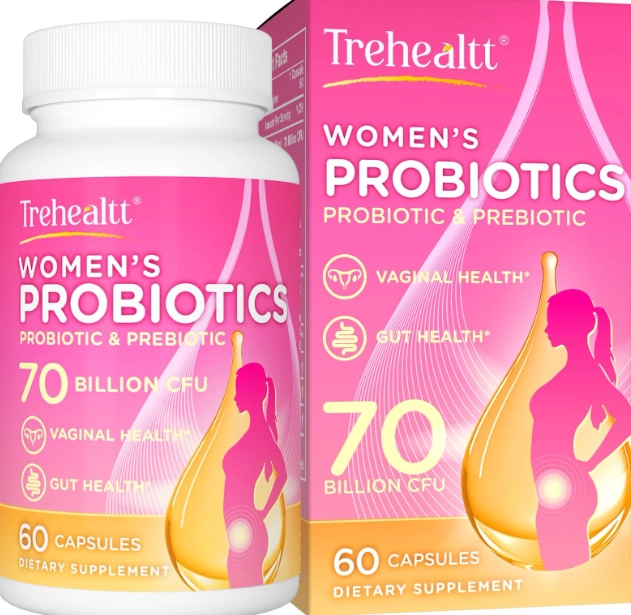
Your Probiotic Questions, Answered
What is the single most important probiotic strain for women's vaginal health?
Should I take a probiotic while on antibiotics, and if so, when?
I eat yogurt daily. Do I still need a probiotic supplement?
How long does it take to feel the effects of a women's probiotic?



Leave a comment