What's Inside This Guide
Let's cut to the chase: pregnancy is a wild ride, and those week-by-week updates can feel overwhelming. I've been a doula for over a decade, and I've seen moms get lost in generic advice. This guide ditches the fluff. We'll walk through pregnancy tips week by week, focusing on what actually works—based on science and real-life stories. Think of it as your personal roadmap, from that first positive test to holding your baby.
You'll find specifics here. Like, exactly when to start kegels (hint: earlier than you think), or how to tweak your diet when nausea hits. I'll even throw in some mistakes I've seen, so you can avoid them. Ready? Let's dive in.
First Trimester: Navigating Early Changes
Weeks 1-12 are all about adjustment. Your body's doing hidden work, and symptoms like fatigue or morning sickness can sneak up. Most guides gloss over the emotional toll—I won't. Here's a breakdown.
Weeks 1-4: The Silent Start
You might not even know you're pregnant yet. But if you're planning, start prenatal vitamins now. Folate is critical for preventing neural tube defects, and many women wait too long. Drink plenty of water—dehydration can mimic early pregnancy fatigue. I had a client who felt exhausted for weeks; turns out, she was just thirsty. Simple, but overlooked.
Weeks 5-8: Symptoms Kick In
Morning sickness often peaks here. Instead of just eating crackers, try small, frequent meals with protein. Ginger tea helps some, but avoid herbal blends unless approved by your doctor. Exercise? Light walks are fine, but listen to your body. One mom I worked with pushed through intense workouts and regretted it—rest is key when fatigue hits.
Pro tip: Track your symptoms in a journal. Apps are great, but writing down details like food triggers or energy dips helps your healthcare provider spot patterns. Don't rely on memory.
Weeks 9-12: Confirmation and Care
By now, you've likely had your first prenatal visit. Ask about screening tests—don't just nod along. Nutrition-wise, focus on iron-rich foods like spinach and lean meats to combat anemia. Avoid raw seafood and unpasteurized cheese, but don't stress over every bite. I've seen moms obsess over diet and miss the joy. Balance matters.
Second Trimester: The Golden Period
Weeks 13-27 often bring relief from nausea and a boost in energy. It's time to get proactive. Many women call this the "honeymoon phase," but pitfalls exist.
How to Optimize Your Diet Week by Week
Your baby's growing fast, so nutrition shifts. Increase calcium for bone development—think yogurt or fortified plant milk. Omega-3s from fish like salmon support brain growth, but limit high-mercury types. Here's a quick table I reference with clients:
| Week Range | Key Nutrient | Food Sources | Why It Matters |
|---|---|---|---|
| 13-16 | Protein | Eggs, beans, chicken | Supports tissue growth |
| 17-20 | Calcium | Cheese, kale, almonds | Builds baby's bones |
| 21-24 | Iron | Red meat, lentils, spinach | Prevents anemia |
| 25-27 | Fiber | Oats, berries, whole grains | Eases constipation |
Notice I didn't list supplements alone—real food works better for absorption. Drink water with meals to aid digestion.
Managing Energy and Exercise
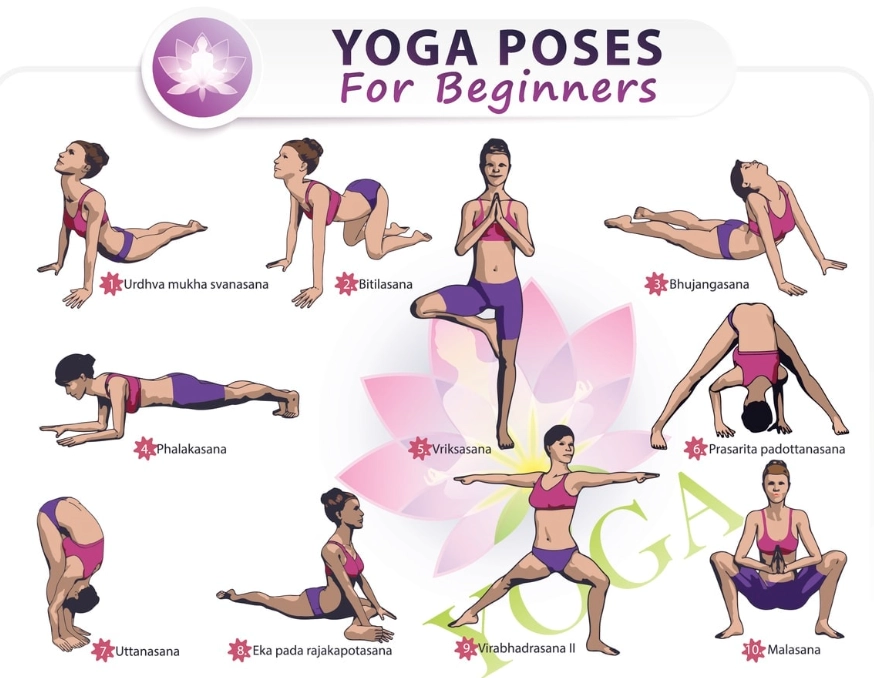
You might feel like hitting the gym again. Go for it, but modify. Prenatal yoga or swimming are stellar—they reduce back pain and improve circulation. Avoid high-impact sports that risk falls. I recall a mom who loved running; she switched to brisk walking with ankle supports and felt great. Listen to your joints.
Sleep becomes tricky as your belly grows. Use a pregnancy pillow between your knees. It seems obvious, but many skip it until discomfort strikes. Start early.
Third Trimester: Preparing for Birth
Weeks 28-40 are about preparation and comfort. The baby's gaining weight, and you might deal with swelling or Braxton Hicks contractions. Let's get practical.
Weeks 28-36: Final Stretch Tips
Focus on comfort. Wear supportive shoes to reduce foot pain—I've seen women wear flats that offer no arch support and regret it. For swelling, elevate your feet when sitting and avoid salty snacks. Hydration is still crucial; aim for 10 glasses a day.
Start perineal massage around week 34 to reduce tearing risk during birth. Most guides mention it, but few explain the technique: use coconut oil and gentle pressure for 5 minutes daily. Check with your doctor first.
Weeks 37-40: The Home Stretch
Pack your hospital bag early. Include snacks, comfy clothes, and a phone charger. Practice breathing exercises for labor—not just Lamaze, but simple deep breaths to manage pain. Rest as much as possible; sleep might be elusive, so nap when you can.
Monitor baby movements. If you notice a decrease, call your provider immediately. Don't wait. This is one area where caution beats complacency.
Your Pregnancy Questions Answered
Wrapping up, pregnancy tips week by week aren't about perfection. They're about adapting. Trust your body, ask questions, and use resources like the CDC's guidelines on prenatal care for backup. You've got this—one week at a time.


Leave a comment