Let's get one thing straight right away. Your menstrual cycle is so much more than the week you bleed. It's a roughly 28-day hormonal symphony, conducted by your brain and ovaries, that influences everything from your energy and focus to your skin, sleep, and even your social battery. Most of us were taught the basics in health class—egg, sperm, baby—but not how this rhythm impacts our daily lives. That's a massive oversight.
I've spent years tracking my own cycle and talking to hundreds of others about theirs. The most common revelation? "I thought I was just inconsistent/moody/tired, but it turns out there's a pattern." Understanding your menstrual cycle phases is the key to working with your biology, not fighting against it. It’s the ultimate form of body literacy.
What’s Inside This Guide
The Four Key Players: Your Cycle Phases Explained
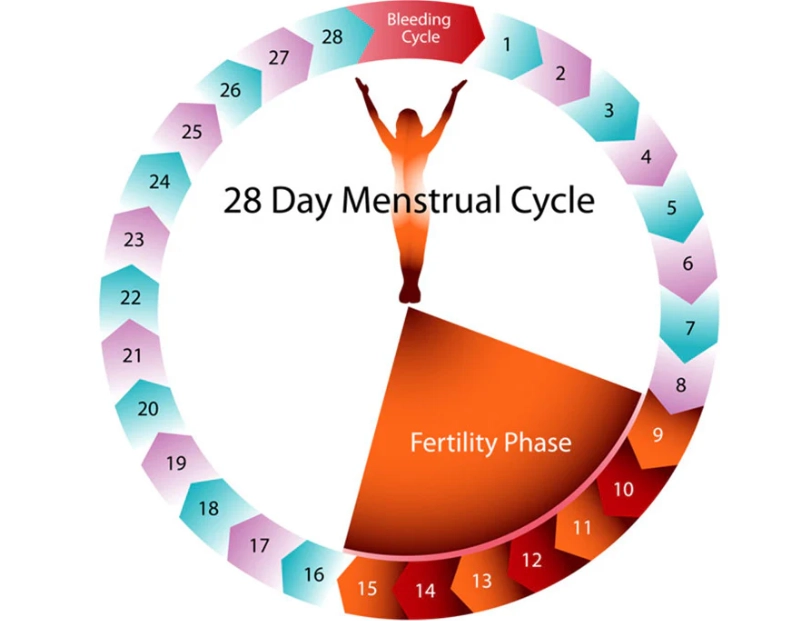
Think of your cycle in two main halves: the follicular phase (pre-ovulation) and the luteal phase (post-ovulation). Ovulation and menstruation are the pivotal events that bookend and divide them. Here’s the quick rundown.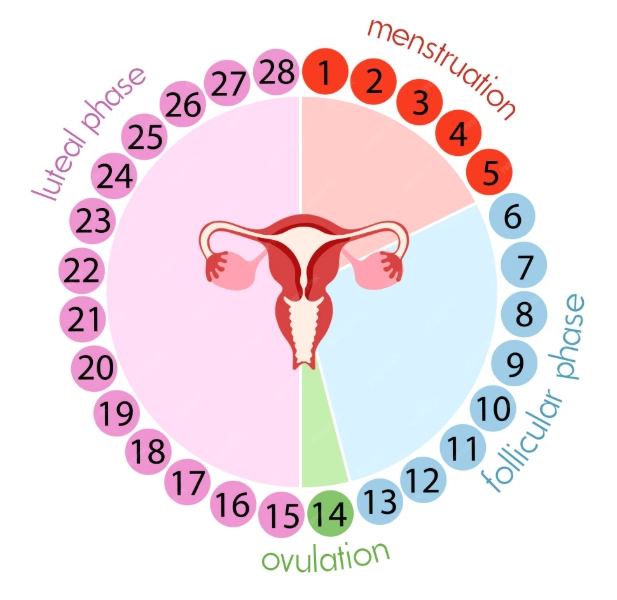
1. Menstrual Phase (Days 1-5ish)
This is day one of your cycle—the first day of full bleeding. Estrogen and progesterone are at their lowest. Your uterus sheds its lining. The dominant feeling for many is a need to slow down, rest, and turn inward. It's a biological reset button.
2. Follicular Phase (Days 1-13ish)
This phase overlaps with menstruation. Once bleeding starts, your brain (the pituitary gland) starts releasing Follicle-Stimulating Hormone (FSH), which tells your ovaries to start preparing eggs in little sacs called follicles. One will become the dominant one. Estrogen begins its steady climb during this phase.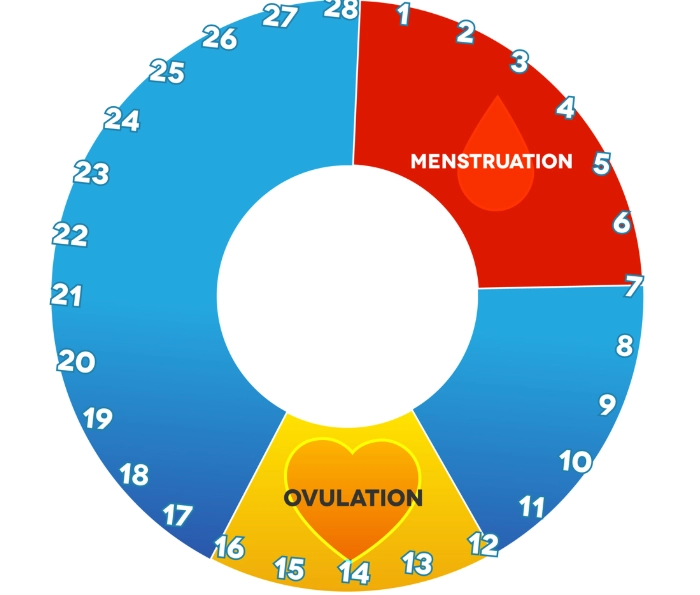
3. Ovulatory Phase (Day 14ish)
The main event! A surge of Luteinizing Hormone (LH) triggers the release of the mature egg from its follicle. This window is short—about 12-24 hours—but the "fertile window" spans about 5-6 days due to sperm survival. Estrogen peaks right before ovulation, often giving you a boost in energy, confidence, and sociability.
4. Luteal Phase (Days 15-28ish)
After the egg is released, the empty follicle transforms into the corpus luteum, which pumps out progesterone. This hormone's job is to maintain a potential pregnancy. It raises your body temperature slightly, can influence mood and appetite, and preps the uterine lining. If no pregnancy occurs, the corpus luteum disintegrates, progesterone and estrogen drop, and the cycle begins anew with menstruation.
| Phase | Key Hormones | Typical Physical Signs | Common Energy & Mood |
|---|---|---|---|
| Menstrual | Low Estrogen, Low Progesterone | Cramping, fatigue, lower back ache | Introspective, needing rest, low energy |
| Follicular | Rising Estrogen | Increasing energy, clearer skin | Creative, optimistic, building energy |
| Ovulatory | High Estrogen, LH Surge | Egg-white cervical fluid, mid-cycle pain (mittelschmerz) | Outgoing, confident, peak energy & communication skills |
| Luteal | High Progesterone, then a drop | Breast tenderness, bloating, possible breakouts | Detail-oriented, nesting, energy declines, mood may dip pre-period |
Beyond the Basics: What No One Tells You About Each Phase
Okay, that's the textbook version. Now let's talk about the real-world, nuanced stuff they don't put on the chart.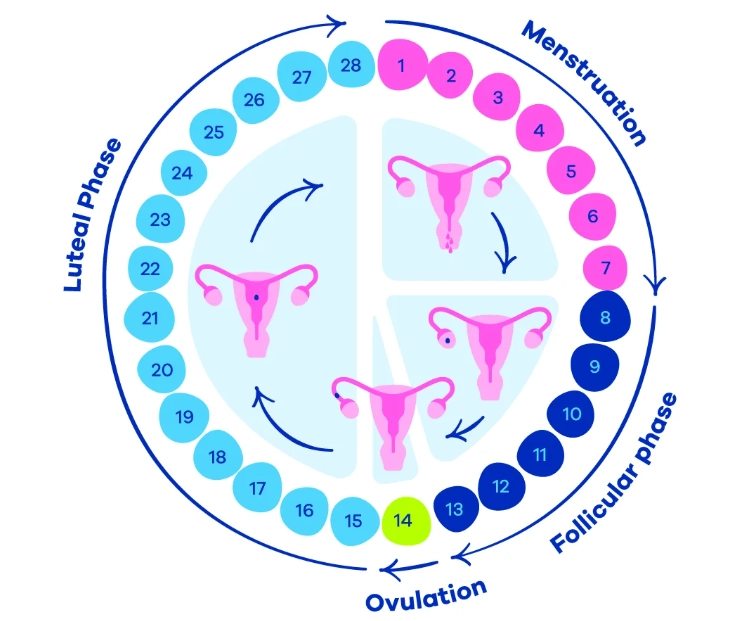
The Follicular Phase Isn't Just "Building Up"
Yes, estrogen is rising. But a subtle mistake is assuming this means you're at 100% from day one. The early follicular phase (during your period) is still a low-energy time for most. The real magic happens in the mid-to-late follicular phase, after bleeding stops. That's when estrogen's effects on brain neurotransmitters like serotonin become really noticeable. Your verbal fluency and ability to learn new things might actually be better now, according to some research. It's the perfect time to start a new project or tackle a complex problem.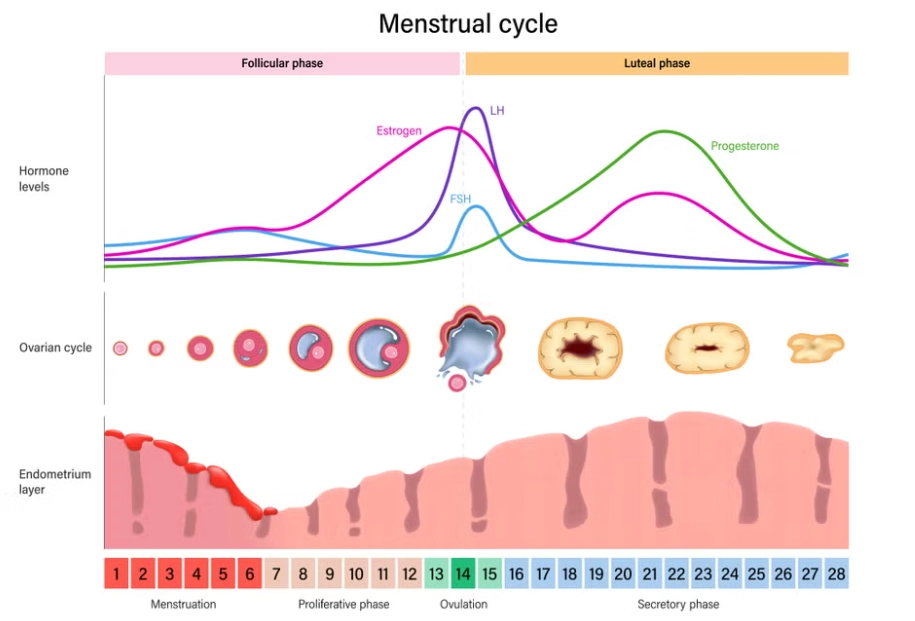
Ovulation: It's Not Just for Making Babies
That peak in estrogen and testosterone around ovulation doesn't just make you feel flirtatious. It sharpens your features, can make your voice slightly higher pitched, and boosts your pain tolerance. It's a primitive signal, but in modern life, it translates to being a great time for a big presentation, a first date, or a tough conversation. Your body is primed to connect and be seen.
I once scheduled a major client pitch during my ovulation week without even thinking about my cycle. I was just "on." The feedback was about my exceptional clarity and presence. Now I know why.
The Luteal Phase: Your Productivity Secret Weapon (Seriously)
Everyone dreads the luteal phase because of PMS. But framing it only as a problem phase does a huge disservice. Rising progesterone has a calming, even sedative effect. It makes you more methodical and detail-oriented. While the follicular phase is for brainstorming, the luteal phase is for editing, organizing, and executing.
That urge to clean your house, organize your files, or perfect a report? That's the "nesting" instinct of progesterone. Use it. Don't try to brainstorm a new marketing campaign in the week before your period. You'll frustrate yourself. Instead, tidy up the campaigns you started two weeks prior.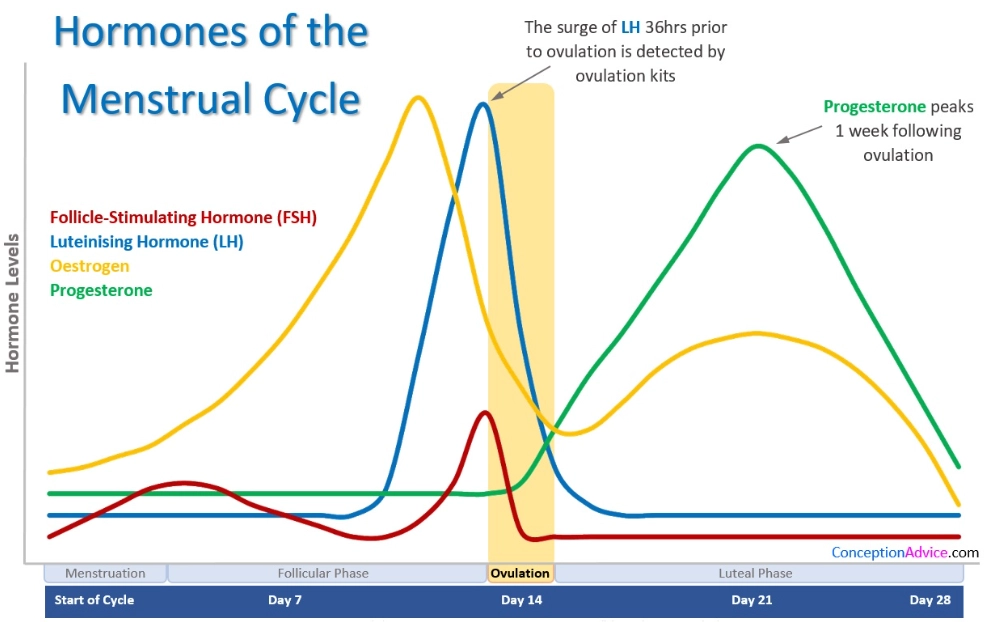
Expert Angle: The biggest hormonal acne trigger isn't usually during your period. It's often in the luteal phase. As progesterone rises, it can stimulate oil glands. Combine that with pre-period inflammation, and you get those deep, painful cysts along the jawline. Targeting skincare routines in the week before your period (think anti-inflammatory ingredients like niacinamide, avoiding heavy comedogenic products) is more strategic than just reacting when the pimple appears.
Practical Cycle Syncing: A Week-by-Week Approach
"Cycle syncing" is the hot term for aligning your life with your phases. It sounds fancy, but it's just common sense applied to your hormonal calendar. Here’s what a month could look like.
Week 1 (Menstrual): The Reset Week. Prioritize rest. Say no to extra social events. Gentle movement like walking, yoga, or stretching. Focus on iron-rich foods (leafy greens, red meat if you eat it) and anti-inflammatory foods (berries, turmeric) to combat cramps. Hydrate, hydrate, hydrate. This is your time for reflection and planning.
Week 2 (Follicular to Ovulation): The Launch Week. Energy is building. Schedule important meetings, brainstorms, and creative work. It's a great time for higher-intensity exercise (HIIT, strength training). Your body is primed to build muscle. Socialize, network, put yourself out there. Nourish with fresh, light foods and lean proteins.
Week 3 (Early Luteal): The Grind Week. Energy is still decent but shifting. Focus on administrative tasks, detailed work, and following up on Week 2's ideas. Exercise can shift to moderate cardio or Pilates. Your metabolism is slightly higher, so you might be hungrier. Include complex carbs and healthy fats for stable energy.
Week 4 (Late Luteal/Pre-Menstrual): The Wind-Down Week. Listen to your body. If you're tired, rest. If you're irritable, give yourself space. Perfect for organizing your home, meal prepping, and doing gentle exercise like walking or restorative yoga. Craving carbs? Have them, but pair with protein and fat (e.g., toast with avocado and an egg). Magnesium-rich foods (dark chocolate, nuts, bananas) can help with mood and sleep.
Tracking Like a Pro: Ditch the Guesswork
You can't sync with a cycle you don't know. Forget just marking a "P" on the calendar for your period. To truly know your phases, you need to pinpoint ovulation.
- Cervical Fluid: This is your most accessible clue. It changes from dry/sticky after your period, to creamy, to the clear, stretchy, egg-white consistency at ovulation, then back to dry or sticky after.
- Basal Body Temperature (BBT): Your resting temperature rises by about 0.5-1 degree Fahrenheit after ovulation due to progesterone and stays up until your period. Tracking BBT with a sensitive thermometer confirms ovulation happened.
- LH Test Strips: These pee sticks detect the LH surge that triggers ovulation, giving you a 24-36 hour heads-up.
Using an app that lets you log these signs (like Kindara, Fertility Friend, or even Clue's advanced mode) is game-changing. After a few cycles, you'll see your personal pattern emerge—maybe you ovulate consistently on day 16, not 14. That changes everything.
Resources like the American College of Obstetricians and Gynecologists (ACOG) affirm that tracking these biomarkers is a reliable method for understanding fertility and cycle health.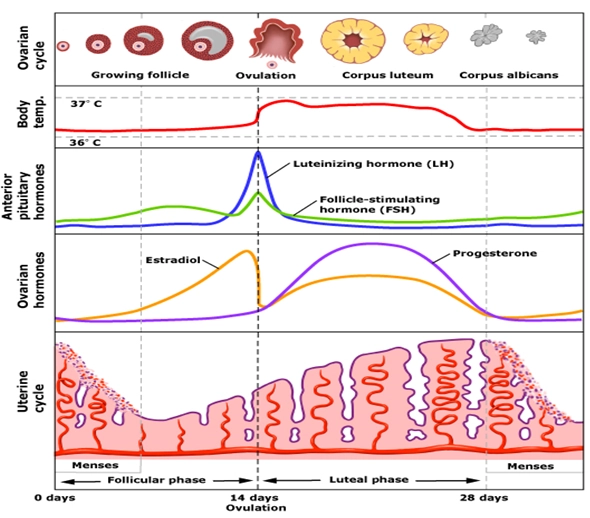
Your Top Questions, Answered
Understanding your menstrual cycle phases isn't about boxing yourself into a rigid schedule. It's about gaining a powerful lens through which to view your own body's patterns. It's the difference between feeling like a passive passenger on a hormonal rollercoaster and being the informed driver who knows when to expect the turns. Start by simply observing for one cycle. Notice the shifts. Your body is talking. It's time to listen.


Leave a comment