Quick Guide
You know that feeling when you're scrolling through generic mental health advice and something just doesn't click? Like the tips are fine, but they don't quite get it? That's because when we talk about mental health for women, we're not talking about a one-size-fits-all situation. The landscape is different, shaped by a mix of biology, societal expectations, and lived experiences that are uniquely ours. And frankly, a lot of the mainstream conversation misses the nuance.
I remember talking to a friend who was battling anxiety. She'd done all the "common" things—meditation apps, breathing exercises—but felt like she was failing because the underlying sense of overwhelm, tied to her hormonal cycle and the sheer mental load of managing a household and career, wasn't being addressed. Her doctor initially just offered a standard prescription. It wasn't until she found a practitioner who understood the intricacies of women's mental health that things started to turn around.
That's what this is about. Cutting through the noise and getting into the stuff that actually matters for us.
Why Is Mental Health for Women a Unique Conversation?
It's not about creating division. It's about acknowledging reality. The data from places like the National Institute of Mental Health (NIMH) consistently shows that women are diagnosed with anxiety and depression at nearly twice the rate of men. But is that because we're "weaker" or more prone? Absolutely not. It's because the deck is stacked with different cards.
The Core Difference: It's the interplay. It's rarely just one thing. It's your biology whispering to your psychology, while society shouts expectations from the sidelines. Ignoring any one part gives you an incomplete picture.
Let's break down the big three areas that make the conversation about mental wellness for women distinct.
The Biological Blueprint: Hormones Aren't Just About Mood Swings
This is the part often reduced to a stereotype, and it does a huge disservice. Hormonal fluctuations aren't just about being "PMS-y." They are powerful neurochemical events that directly influence the brain regions governing emotion, stress response, and motivation.
- Estrogen and Progesterone: These aren't just reproductive hormones. Estrogen, for instance, has a modulating effect on serotonin (a key mood regulator). When estrogen levels plummet—like before a period, after childbirth, or during perimenopause—that serotonin support drops too. It's like taking away a cushion. Progesterone has a calming, sedative effect; its withdrawal can trigger anxiety and irritability. Calling this "just a bad mood" is like calling a hurricane "a bit of wind."
- The Lifespan Journey: Our mental health is tied to a biological timeline that men simply don't experience in the same way. Puberty, the menstrual cycle, pregnancy, postpartum, perimenopause, menopause—each stage is a major hormonal recalibration. Postpartum depression is the most talked-about, but what about the anxiety that can creep in during perimenopause, often misattributed to "just getting older"?
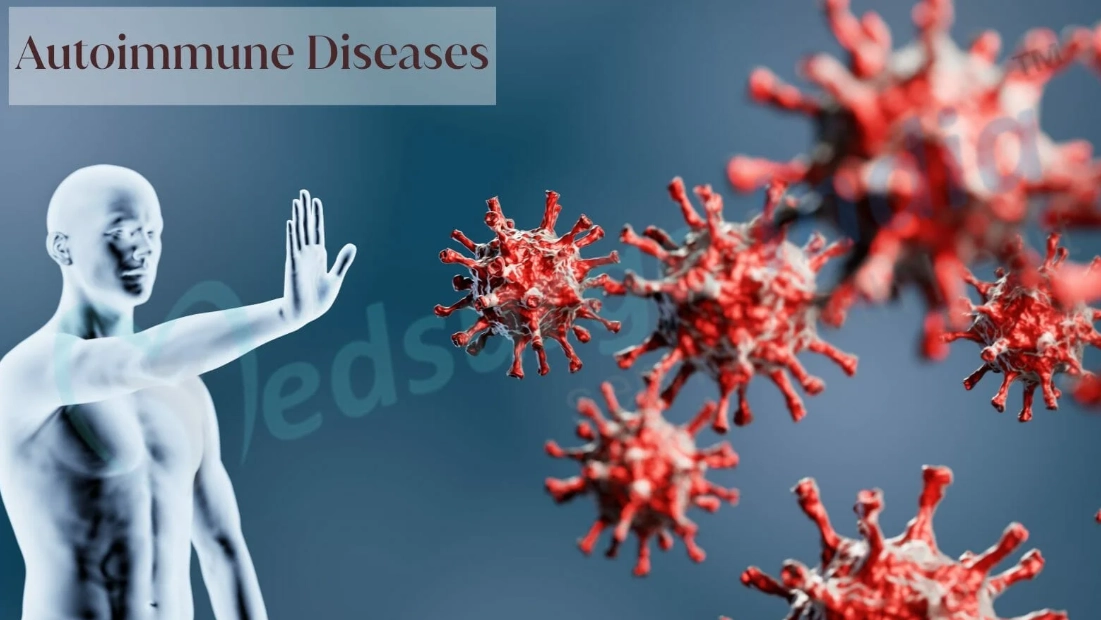
- Autoimmune and Thyroid Links: Women are disproportionately affected by autoimmune diseases (like lupus, MS) and thyroid disorders, both of which have massive, direct impacts on mental state. Fatigue, brain fog, and mood changes can be symptoms, not just separate mental health issues.
Seeing a pattern? The physical and the mental are inextricably linked in a way that demands a holistic approach to mental health for women.
The Weight of the World: Social and Psychological Pressures
Okay, let's talk about the invisible job. The mental load. The constant, background processing of emotional and logistical labor. Who needs to be picked up? What's for dinner? Did I send that birthday card? Is my friend okay after our call? Is my child thriving? Am I performing well enough at work?
This isn't just being "organized." It's a chronic, low-grade stressor that burns through emotional reserves. Couple that with:
- The Superwoman Syndrome: The pressure to excel in all roles—perfect professional, nurturing parent, attentive partner, supportive friend, homemaker—without showing strain. The guilt that follows any perceived shortcoming is a powerful toxin.
- Gender-Based Trauma and Violence: The stats are grim and undeniable. Experiences of sexual harassment, assault, and intimate partner violence are significant risk factors for PTSD, depression, and anxiety. The World Health Organization details the profound mental health consequences of this global issue.
- Caregiver Burnout: Women are still more likely to be primary caregivers for children and aging parents. This role, while loving, is isolating and exhausting, often done without adequate support or recognition.
The Help-Seeking Hurdle: Stigma and Misdiagnosis
Even when we recognize we need help, the path is littered with obstacles. Women are more likely to seek help than men, which is good, but what happens when they do?
- The "Hysterical" Heritage: There's a long, ugly history of dismissing women's psychological pain as hormonal hysteria or emotional weakness. This bias lingers in some medical settings, leading to symptoms being minimized.
- Misdiagnosis: Conditions like ADHD (especially the inattentive type) and autism in women are often missed because they present differently than the male-centric diagnostic criteria. A woman with ADHD might be labeled as "scatterbrained" or "anxious" for years.
- Societal Stigma: Especially in certain cultures or communities, admitting to a mental health struggle can be seen as a personal or family failing. The fear of being judged as an "unfit mother" or "unstable partner" is very real and keeps many women silent.
So, we have unique biological vulnerabilities, compounded by unique societal pressures, and then face unique barriers to getting the right kind of help. See why a specialized focus is crucial?
A Lifespan View: Mental Health Challenges Across a Woman's Life
Thinking about female mental health issues means tracking them through time. The challenges at 20 are not the same as at 40 or 60. Here’s a rough map of the territory.
| Life Stage | Common Mental Health Challenges | Key Considerations & Notes |
|---|---|---|
| Adolescence & Early Adulthood | Onset of anxiety disorders, depression, eating disorders, body image issues. | Hormonal puberty meets social media pressure. A perfect storm for self-esteem. This is when conditions like Borderline Personality Disorder often emerge. |
| Reproductive Years (20s-40s) | Premenstrual Dysphoric Disorder (PMDD), perinatal anxiety/depression, infertility-related stress, burnout from work/family balance. | PMDD is severe, debilitating, and different from PMS. Perinatal mental health includes anxiety, OCD, and depression DURING pregnancy, not just after. |
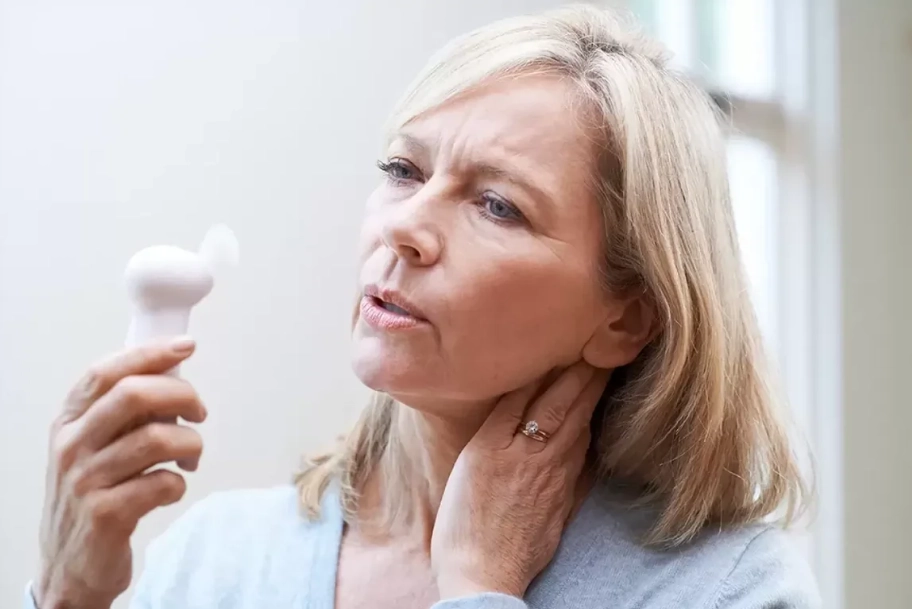
| Perimenopause & Menopause | New or worsening anxiety, depression, "brain fog," irritability, sleep disruption, loss of identity. | Often a silent struggle. Symptoms are frequently misattributed to general stress or aging. The drop in estrogen directly impacts mood and cognition. |
| Post-Menopause & Later Life | Depression (often under-diagnosed), anxiety, grief, loneliness, dealing with chronic health conditions. | Social isolation becomes a major risk factor. Women live longer, often alone, and may face compounded losses of partners, friends, and their previous roles. |
Looking at this, it's clear there's no "easy" phase. Each has its own minefield. But knowledge is power. Knowing that what you're experiencing has a name (like PMDD) and isn't "all in your head" is the first step to getting the right help.
Building Your Toolkit: Practical Strategies for Women's Mental Wellness
Enough with the problems. What do we actually do? This isn't about a magic bullet. It's about building a personalized toolkit. Some tools you'll use daily, others only when a specific storm hits.
Tool 1: Tracking and Awareness (Know Your Patterns)
You can't manage what you don't measure. For women, tracking is non-negotiable.
- Cycle Syncing: Use an app or a simple journal to track your mood, energy, sleep, and anxiety alongside your menstrual cycle. After a few months, patterns emerge. You'll see if your worst anxiety reliably hits in the late luteal phase (the week before your period). This isn't to resign yourself to it, but to predict and prepare. Schedule demanding meetings for your follicular phase when energy is higher, if you can.
- Symptom Logging: Before seeing a doctor or therapist, keep a log of your symptoms for 2 weeks. Be specific. Instead of "I feel bad," note "Tuesday, 3 PM: Overwhelming sense of dread for 2 hours, tight chest, couldn't focus on work. Slept poorly the night before." This factual data cuts through bias and gets you taken more seriously.
Tool 2: Foundational Self-Care (The Unsexy Basics)
I know, I know. "Eat well and exercise." It sounds patronizing. But when we're talking about a system as sensitive as the female body-mind connection, these basics are the bedrock. They're not glamorous, but they work.
A Reality Check: No amount of kale smoothies will cure clinical depression or undo systemic sexism. These are support tools, not cure-alls. Anyone selling that idea is lying. But neglecting them makes everything else harder.
- Sleep as a Non-Negotiable: Poor sleep disrupts cortisol (stress hormone) and hunger hormones (ghrelin/leptin), which in turn worsens mood, anxiety, and cravings. Prioritize it like your sanity depends on it—because it does.
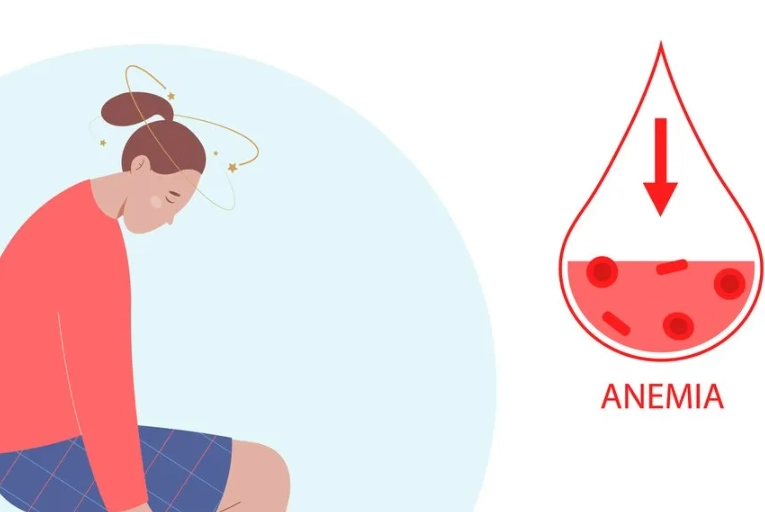
- Nutrition for Neurological Health: It's not about dieting. It's about stable blood sugar. Crashes cause irritability and anxiety. Include protein, healthy fats, and fiber at every meal. Omega-3s (from fish, flax) are directly linked to brain health. Iron and B12 deficiencies, common in women, can mimic depression.
- Movement as Medicine, Not Punishment: Find movement you don't hate. Walking in nature, dancing in your kitchen, yoga. The goal is to regulate your nervous system, not punish your body. Strength training, in particular, has a profound impact on body image and hormonal health.
Tool 3: Managing the Mental Load & Setting Boundaries
This is the advanced-level work for mental wellness for women. It's relational and often uncomfortable.
- The Mind Dump & Delegation: Write down EVERYTHING in your brain—work tasks, household chores, social obligations, emotional concerns. Then, with a ruthless eye, ask: "What can ONLY I do?" For everything else, can it be delegated, simplified, or eliminated? Have the conversation with partners/family. "I am dropping this ball. Who is picking it up?"
- Boundary Phrases: Practice them. "I don't have the capacity for that right now." "I need to think about it before I commit." "My plate is full." No lengthy justifications. A "no" to others is often a "yes" to your own mental health.
- Schedule White Space: Literally block off time in your calendar for nothing. Not for chores, not for "productive" relaxation. For staring at the wall if that's what you need. Guard this time ferociously.
Tool 4: Knowing When and How to Seek Professional Help
This is the most important tool. Self-care has limits.
When to Seek Help: When symptoms (low mood, anxiety, panic, intrusive thoughts, sleep issues, loss of interest) persist for more than two weeks and are interfering with your work, relationships, or ability to function. Don't wait for a "breakdown." Early intervention is better.
How to Find the Right Help:
- Look for Specialists: Search for therapists who list women's issues, perinatal mental health, PMDD, or hormonal mood disorders in their specialties. Organizations like Postpartum Support International have great directories.
- Consider Your Biology: Talk to a healthcare provider (gynecologist, endocrinologist, or a knowledgeable GP) about the physical side. Could it be a thyroid issue? A severe hormonal imbalance? Perimenopause? A good psychiatrist will consider these factors too before just prescribing medication.
- Medication is a Tool, Not a Failure: SSRIs or other medications can be life-changing, especially when combined with therapy. For hormonal mood disorders, some women benefit from specific birth control pills or even hormone therapy during perimenopause. This is a complex medical decision to make with a doctor you trust.
It's a process.
A messy, non-linear one.
But understanding that your mental health journey is shaped by your biology and your world isn't about making excuses. It's about getting the right map so you don't keep getting lost on the wrong trails.
Your Questions on Mental Health for Women, Answered
Let's tackle some of the real, specific questions that come up again and again. The ones you might be typing into Google at 2 AM.
Is it normal for my anxiety to get worse before my period? Am I just being weak?
First, no, you are not weak. What you're describing is incredibly common. For many women, anxiety (and often irritability or sadness) peaks in the week or so before menstruation begins, during the phase called the luteal phase. This is due to the rapid decline in estrogen and progesterone. If it's severe and debilitating—interfering with work, relationships, and your sense of self—it might be Premenstrual Dysphoric Disorder (PMDD), which is a recognized medical condition requiring treatment. Normal PMS is annoying; PMDD can be disabling. Tracking your symptoms is key to figuring out which it is.
I think I might be perimenopausal and my brain feels broken. Is this depression or just hormones?
This is the million-dollar question for women in their 40s and 50s. The line is incredibly blurry. Symptoms like anxiety, mood swings, irritability, crying spells, brain fog, and sleep problems are hallmarks of both depression and the hormonal rollercoaster of perimenopause. Often, it's a combination. The key differentiator might be the context: are these symptoms new or drastically worse coinciding with other perimenopause signs (irregular periods, hot flashes, changes in libido)? The best course is to see a healthcare provider well-versed in menopausal medicine. They can evaluate your hormone levels (though this is tricky), discuss your history, and explore treatment options—which could include therapy, antidepressants, or hormone therapy. Don't let anyone dismiss it as "just aging."
How do I find a therapist who actually understands women's issues?
This is so important. Generic therapy can still help, but a therapist who "gets it" can accelerate progress. Here's how to search:
- Use therapist directory filters (on sites like Psychology Today) for "Women's Issues," "Postpartum," "Pregnancy," "Infertility," "Hormonal Issues," or "Life Transitions."
- In your initial consultation call (always do this!), ask direct questions: "What is your experience working with women dealing with PMDD/perinatal anxiety/menopause transition?" "How do you incorporate an understanding of hormonal influences on mood into your practice?" Their answer will tell you a lot.
- Look for credentials from organizations focused on women's health.
I'm overwhelmed with the mental load at home. How do I get my partner to understand and share it without starting a fight?
Ah, the classic. The fight often starts because you're asking them to "help," which frames it as your job they are assisting with. The goal is to shift to it being a shared responsibility. Try a non-blaming, factual approach. Pick a calm time. Use your "mind dump" list. Say, "I've been feeling really overwhelmed lately, and I realized it's because I'm trying to track all of this in my head. I'd like us to look at it together and figure out a system that works for both of us." Then, divide tasks based on preference and ability, not gender roles. The Fair Play method (a book and card system by Eve Rodsky) is a fantastic, concrete tool for this exact problem. It's not about nagging; it's about system design.


Leave a comment