In This Guide
Let's talk about something most of us think about but rarely discuss openly: our ovaries. It's funny, right? We'll chat about skin care routines for hours, but mention ovarian health and suddenly it gets quiet. Maybe it's because it feels too medical, or maybe we just don't know where to start. I was the same way. For years, I just assumed everything was working fine down there as long as my period showed up. Turns out, there's a whole lot more to it.
Ovarian health isn't just about having babies someday (though that's a big part for many). It's about your energy levels, your mood, your skin, your long-term wellness. It's the cornerstone of your hormonal ecosystem. And the good news? You have way more influence over it than you might think. This isn't about achieving some impossible standard of perfect health. It's about understanding how your body works and giving it what it needs to thrive.
Ovaries 101: What Are We Even Talking About?
Before we dive into the how-to's, let's get the basics straight. Your ovaries are two small, almond-shaped organs sitting on either side of your uterus. Calling them just "egg warehouses" is a massive understatement. They're your body's primary production center for estrogen and progesterone, the hormones that orchestrate your menstrual cycle, influence your bone density, brain function, and heart health.
Think of them as the conductors of a very complex hormonal symphony. When they're healthy and balanced, the music flows. When they're stressed or out of sync, well, you feel it everywhere. That's why focusing on ovarian health has ripple effects on your entire wellbeing.
The Lifespan of an Ovary: It's Not Static
Your ovarian health needs change over time. What supports a 20-year-old's ovaries is different from what a 40-year-old's needs. In your 20s and early 30s, the focus is often on maintaining regular cycles and building a foundation. As you move into your late 30s and 40s, the conversation naturally shifts towards perimenopause and maintaining hormonal balance. It's a journey, not a destination.
I remember panicking in my late 20s, reading all these scary articles about declining fertility. It felt like a ticking clock. But framing it as a continuous path of care, rather than a race against time, took so much pressure off.
Fueling Your Ovaries: The Nutrition Connection
You literally are what you eat, and your ovaries are no exception. The food you consume provides the raw materials for hormone production and protects those precious egg cells from damage. It's not about one magical "ovary superfood." It's about a consistent pattern of eating that supports the whole system.
Let's break down the key players in an ovary-friendly diet. I've found that having a simple list makes grocery shopping less of a guessing game.
Top Nutrients for Ovarian Vitality
| Nutrient | Why It Matters for Ovarian Health | Where to Find It |
|---|---|---|
| Omega-3 Fatty Acids | Reduce inflammation in the body, which can improve ovarian function and egg quality. They're like a cooling balm for your reproductive system. | Fatty fish (salmon, mackerel), flaxseeds, chia seeds, walnuts. |
| Antioxidants (Vitamin C, E, Selenium) | Protect ovarian cells and eggs from free radical damage. Think of them as little bodyguards. | Berries, citrus, nuts, seeds, spinach, bell peppers. |
| Iron | Essential for healthy ovulation. Heavy periods can deplete your stores, making this a critical one to watch. | Lean red meat (in moderation), lentils, spinach, fortified cereals. Pair with vitamin C for better absorption. |
| Vitamin D | Linked to improved fertility outcomes and hormone regulation. Many of us are deficient without realizing it. | Sunlight (safely!), fatty fish, egg yolks, fortified milk. A supplement is often needed. |
| B Vitamins (especially B6, B9/Folate, B12) | Crucial for hormone metabolism and supporting early fetal development. Folate is non-negotiable if pregnancy is a goal. | Leafy greens, legumes, avocados, eggs, nutritional yeast. |
On the flip side, there are things that just don't do your ovarian health any favors. I'm not saying you can never have them, but being mindful helps. Ultra-processed foods, excessive sugar, and trans fats can promote inflammation and mess with your insulin sensitivity, which directly impacts hormones. I used to be a diet soda addict, thinking I was making a "healthy" choice. Learning about the potential impact of artificial sweeteners on gut bacteria and inflammation made me reconsider that habit.
Lifestyle: It's More Than Just Food
If nutrition is the fuel, your lifestyle is the environment the engine runs in. You can have the best fuel, but if you're constantly red-lining the engine, things will wear out faster.
Sleep: The Non-Negotiable Reset Button
This is probably the most underrated factor for ovarian health. During deep sleep, your body repairs tissues, balances hormones (like cortisol and melatonin, which influence reproductive hormones), and manages stress. Chronic poor sleep can throw your entire cycle out of whack. I noticed my cycles became irregular during a period of intense work stress and terrible sleep. Prioritizing 7-8 hours wasn't just about feeling less groggy; it was a direct investment in my hormonal balance.
Movement: Find Your Sweet Spot
Exercise is a double-edged sword. The right amount reduces stress and inflammation, improves insulin sensitivity, and boosts circulation to all your organs, including the ovaries. Too much high-intensity exercise, however, can signal to your body that it's not a safe time for reproduction, potentially suppressing ovulation. Listen to your body. A mix of walking, strength training, and yoga or pilates often hits the sweet spot for supporting ovarian health without over-stressing the system.
Navigating Common Ovarian Health Challenges
Sometimes, despite our best efforts, things go off track. Knowing the signs of common issues empowers you to seek help sooner rather than later.
PCOS: More Than Just Cysts
Polycystic Ovary Syndrome is one of the most common hormonal disorders, affecting up to 1 in 10 women. The name is misleading—it's not really about cysts. It's a metabolic and endocrine disorder characterized by insulin resistance and elevated androgens ("male" hormones).
Key signs to watch for: Irregular or absent periods, excess facial or body hair (hirsutism), acne, weight gain (especially around the middle), and difficulty conceiving. If you're ticking several of these boxes, it's worth talking to a doctor. The cornerstone of managing PCOS and protecting long-term ovarian health is often lifestyle-focused: a low-glycemic diet, regular exercise, and stress management. The American College of Obstetricians and Gynecologists (ACOG) has excellent, clear resources on diagnosis and management.
Perimenopause: The Transition Phase
This isn't something that just happens at 50. Perimenopause is the years-long transition leading up to menopause (defined as 12 months without a period). It can start in your 40s, sometimes even late 30s. Your ovaries begin producing estrogen less consistently, leading to a rollercoaster of symptoms.
Common flags include: changing period patterns (shorter, longer, heavier, lighter), new-onset PMS, hot flashes, night sweats, sleep problems, and vaginal dryness. Supporting your ovarian health during this phase is about adapting—prioritizing bone-supporting nutrients (calcium, vitamin D, magnesium), managing stress (which can worsen symptoms), and exploring options with your healthcare provider if symptoms are disrupting your life. The National Institute on Aging provides trustworthy, science-based information on what to expect.
Your Ovarian Health Toolkit: Actionable Steps
Okay, so we've covered a lot. Let's distill it into a practical, no-overwhelm toolkit. You don't have to do everything at once. Pick one or two things to start.
- Track Your Cycle: Use an app or a simple calendar. Note the first day of your period, its length, and any symptoms (mood, energy, pain, cervical mucus). This data is gold. It tells you if you're ovulating regularly and helps you spot patterns or changes early.
- Prioritize Protein & Fat at Breakfast: Starting your day with a blood sugar-balancing meal (e.g., eggs with avocado, Greek yogurt with nuts) sets a stable hormonal tone for the day. This one small change had a noticeable impact on my energy crashes.
- Schedule a "Wind-Down" Hour: An hour before bed, dim the lights, put away screens, and do something calming. This supports melatonin production and, by extension, better sleep and hormone balance.
- Know Your Family History: Talk to your mother or older female relatives about their menopause experience and any reproductive health issues. It can offer clues about your own trajectory.
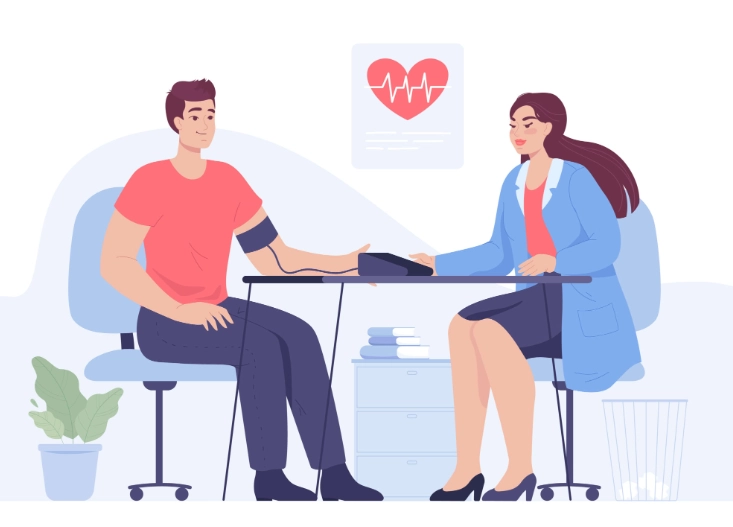
- Build a Healthcare Team: Find a gynecologist or healthcare provider who listens to you and takes your concerns about ovarian health seriously. Annual check-ups are key.
Answers to Questions You Might Be Hesitant to Ask
Looking after your ovarian health is a profound form of self-respect. It's acknowledging that this core part of your biology deserves attention and care, not just when you want a baby or when something goes wrong. It's a lifelong conversation with your body. Start it today, be kind to yourself, and take it one step at a time. You've got this.

Leave a comment