Quick Guide
- Cholesterol 101: It's Not Just a "Bad Guy"
- Your Food Pharmacy: The Best and Worst for Your Levels
- Beyond the Plate: Lifestyle Levers for Long-Term Control
- Navigating Supplements and Special Diets
- Your Questions, Answered (The Stuff You Actually Google)
- Putting It All Together: A Week of Cholesterol-Friendly Eating
- The Final Word: It's a Lifelong Partnership
Let's be honest, the whole cholesterol conversation can feel overwhelming. One day eggs are public enemy number one, the next they're a superfood. You hear about "good" and "bad" cholesterol, but what does that really mean for your dinner plate? If you've ever left a doctor's office with a number that's a little too high and a head full of confusion, you're not alone. I've been there too, watching a family member navigate this.
This isn't about promoting a drastic, unsustainable diet or selling you a miracle supplement. Real cholesterol control is about understanding the levers you can pull every single day through food and lifestyle. It's the cumulative effect of small, consistent choices. Forget the quick fixes. We're going to break down what actually works, what's overhyped, and how you can build a plan that fits your life.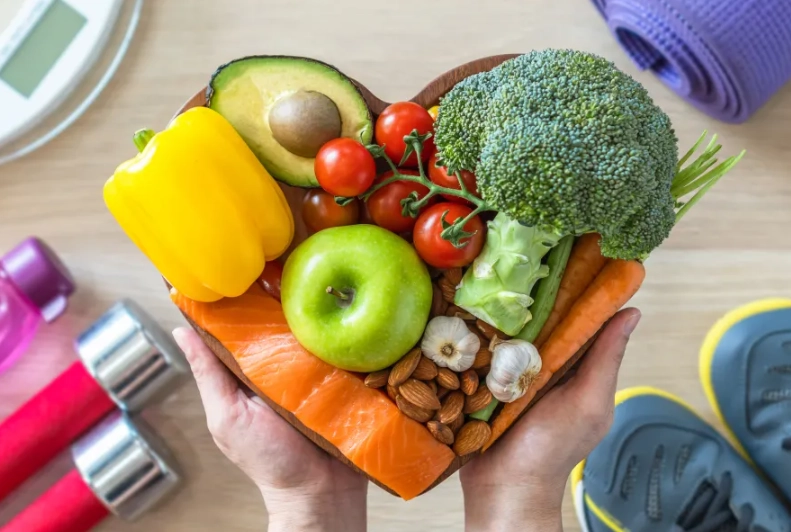
Cholesterol 101: It's Not Just a "Bad Guy"
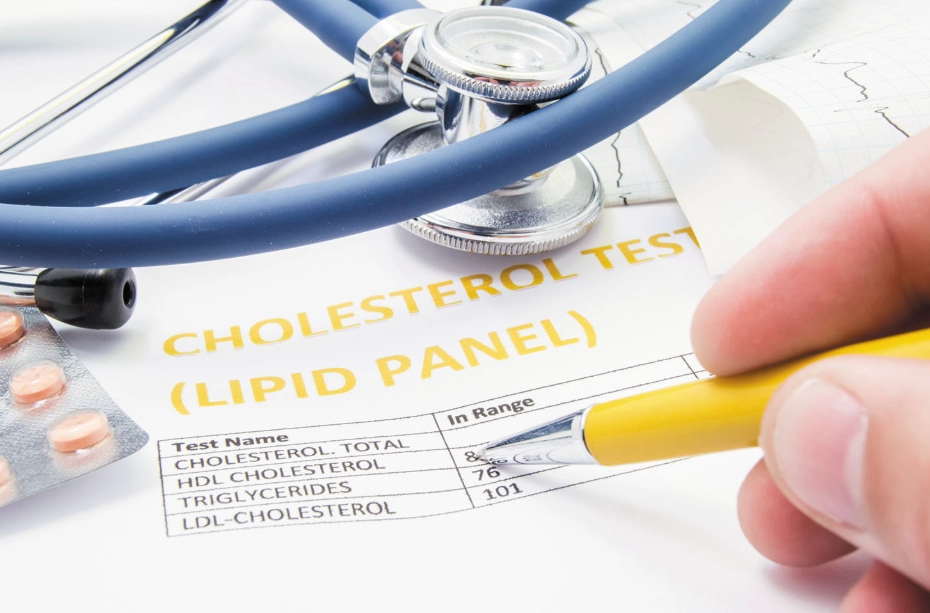
First things first, let's clear up a major misconception. Cholesterol itself isn't a toxin. Your body actually needs it. It's a waxy, fat-like substance used to build cell membranes, make vitamin D, and create hormones like estrogen and testosterone. The liver produces most of what you need. The problem starts when we get too much of the wrong kind, or when it ends up in the wrong places.
The cholesterol traveling in your blood is carried by lipoproteins. This is where the "good" and "bad" labels come from, but they're really oversimplifications.
LDL (The So-Called "Bad" Cholesterol)
Low-Density Lipoprotein (LDL) is like a delivery truck. It carries cholesterol from your liver to your cells. The issue? If you have too many LDL particles, or if they are small and dense (a more dangerous type), they can dump their cargo along the walls of your arteries. This is the start of plaque buildup, which narrows arteries and increases heart attack and stroke risk. For most people, aiming for lower LDL is a primary goal of cholesterol control.
HDL (The So-Called "Good" Cholesterol)
High-Density Lipoprotein (HDL) is the cleanup crew. It acts like a garbage truck, picking up excess cholesterol from your bloodstream and artery walls and transporting it back to the liver for disposal. Higher HDL levels are generally associated with lower heart disease risk. But here's a twist I learned the hard way: raising HDL is notoriously difficult through simple means, and very high HDL isn't always protective. The focus should be more on lowering LDL and triglycerides.
Triglycerides: The Often-Forgotten Player
This is a type of fat (lipid) in your blood. When you eat, your body converts calories it doesn't need right away into triglycerides, storing them in fat cells. High triglyceride levels, often driven by a diet high in refined carbs, sugar, and alcohol, are a major red flag for metabolic health and a key part of the cholesterol picture. A comprehensive approach to cholesterol control must address triglycerides.
See, it's a system. You can't just look at one number.
Myth Buster: The Egg Drama
For decades, eggs were vilified for their dietary cholesterol content (about 186 mg in a large yolk). The thinking was: eat cholesterol, raise blood cholesterol. Current research, including a large review published by the American Heart Association, suggests that for most healthy people, dietary cholesterol has a much smaller effect on blood cholesterol than once thought. The bigger culprits are saturated and trans fats. So, for many, an egg a day is perfectly fine as part of a balanced diet. The problem comes when you pair it with sausage, white toast, and hash browns fried in unhealthy fats.
Your Food Pharmacy: The Best and Worst for Your Levels
This is where the rubber meets the road. You can't supplement or exercise your way out of a poor diet. The food you eat is the most powerful tool you have. Let's move beyond vague advice like "eat healthy fats" and get specific.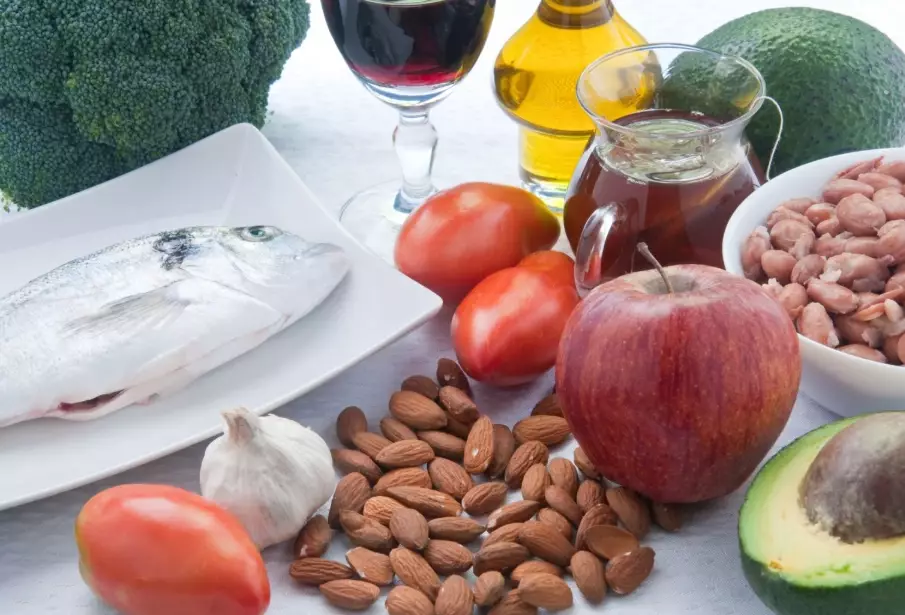
The All-Star Team: Foods That Actively Lower Cholesterol
These foods contain specific compounds that help remove LDL cholesterol from your body or block its absorption.
| Food Category | Top Picks | How They Help (The "Why") | Easy Ways to Eat More |
|---|---|---|---|
| Soluble Fiber Powerhouses | |||
| Oats & Barley | Steel-cut oats, old-fashioned oats, barley | Rich in beta-glucan, a type of soluble fiber that forms a gel in your gut, binding to cholesterol and preventing its absorption. The Harvard T.H. Chan School of Public Health consistently highlights this. | Oatmeal for breakfast, add barley to soups and stews. |
| Beans & Legumes | Lentils, black beans, chickpeas, kidney beans | Packed with soluble fiber and protein. They're incredibly filling, which helps displace less healthy choices. | Add to salads, make lentil soup, use chickpeas for hummus. |
| Certain Fruits | Apples, pears, citrus fruits, strawberries | Contain pectin, another form of soluble fiber. The skin is especially rich in fiber. | Eat whole fruits as snacks, add berries to yogurt. |
| Vegetables | Eggplant, okra, Brussels sprouts | Excellent sources of soluble fiber. They're low in calories but high in volume and nutrients. | Roast Brussels sprouts, grill eggplant slices. |
| Healthy Fat Champions | |||
| Nuts & Seeds | Almonds, walnuts, chia seeds, flaxseeds | Provide polyunsaturated and monounsaturated fats, plant sterols, and fiber. Walnuts are particularly rich in omega-3 ALA. A handful a day is the key—they're calorie-dense. | Handful as a snack, sprinkle seeds on salad or oatmeal, use nut butters. |
| Avocados | Hass avocados | Loaded with monounsaturated fats and fiber. Studies show they can help lower LDL, especially the small, dense particles. | Add slices to sandwiches/salads, make guacamole. |
| Fatty Fish | Salmon, mackerel, sardines, herring | Source of long-chain omega-3 fats (EPA & DHA). These fats lower triglycerides and may slightly raise HDL. They also reduce inflammation. | Aim for 2 servings per week. Bake or grill. |
| Specialized Compounds | |||
| Soy Foods | Tofu, tempeh, edamame, unsweetened soy milk | Contain isoflavones and protein that have a modest LDL-lowering effect. Choose whole or minimally processed forms. | Stir-fry with tofu, snack on edamame, use tempeh in sandwiches. |
That list isn't meant to be restrictive. It's a shopping list of opportunities. The goal isn't to eat all of these every day, but to make sure several of them are regular guests on your plate.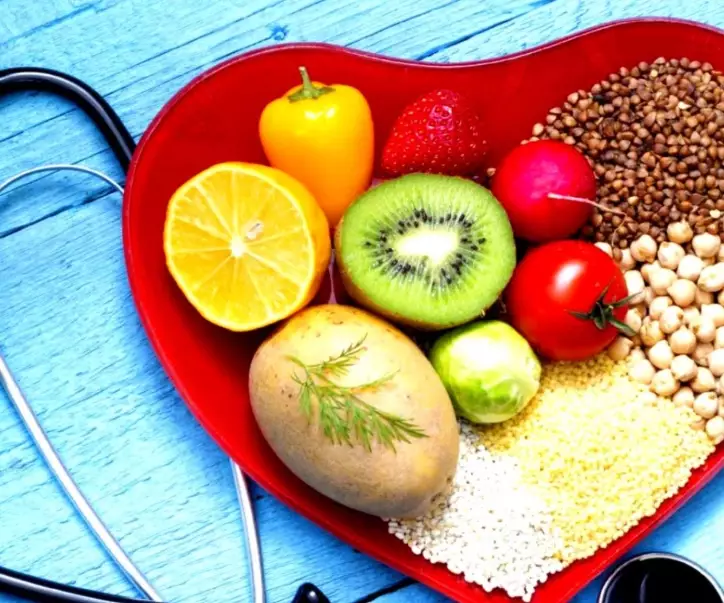
The Foods That Sabotage Your Efforts
Knowing what to avoid is just as critical. These are the dietary choices that directly contribute to unhealthy cholesterol levels and inflammation.
- Saturated Fats: Primarily found in red meat (especially fatty cuts), processed meats (sausage, bacon), butter, full-fat dairy, and tropical oils like palm and coconut oil. They instruct your liver to produce more LDL cholesterol. I'm not saying never have a steak, but the portion size and frequency matter a lot. Swapping even some of these for the healthy fats above makes a measurable difference.
- Trans Fats (Partially Hydrogenated Oils): The absolute worst. They raise LDL and lower HDL. While largely banned, they can still lurk in some margarines, fried foods, and commercial baked goods (donuts, cookies, crackers). Check ingredient lists.
- Refined Carbohydrates and Added Sugars: This is the big one people miss. Foods like white bread, white rice, pastries, soda, and sugary snacks don't contain cholesterol, but they wreak havoc on your metabolism. They spike blood sugar and insulin, leading your liver to produce more triglycerides and more of the harmful, small dense LDL particles. This is why a low-fat diet packed with sugar and refined carbs is a terrible strategy for heart health.
Beyond the Plate: Lifestyle Levers for Long-Term Control
Diet is the cornerstone, but it's not the whole building. For sustainable cholesterol control, you need to address these other key factors.
Move Your Body (It Doesn't Have to Be a Marathon)
Exercise is a direct lever for improving your cholesterol profile. Here’s how:
- Raises HDL: Regular aerobic exercise is one of the most reliable ways to modestly increase your "good" cholesterol.
- Lowers LDL & Triglycerides: Physical activity helps your body clear triglycerides from the blood for energy and can influence the size and density of LDL particles, making them less dangerous.
- Manages Weight: Even a modest 5-10% reduction in body weight can significantly improve all your numbers.
What kind of exercise?
Aim for a mix. Brisk walking, cycling, or swimming for 30 minutes most days is fantastic for aerobic benefit. But don't neglect strength training (lifting weights, bodyweight exercises) 2-3 times a week. Building muscle improves your metabolism 24/7. The trick is consistency, not intensity. A daily 20-minute walk is better than a grueling, miserable hour at the gym once a month that you quit.
The Weight Factor: It's About Health, Not a Dress Size
Excess weight, particularly around the abdomen (visceral fat), is metabolically active. It pumps out inflammatory chemicals and free fatty acids that drive up triglyceride production and lower HDL. Losing weight isn't about aesthetics for this purpose; it's about reducing the workload on your liver and improving insulin sensitivity. Even if you don't hit an "ideal" weight, losing a little goes a long way for your cholesterol numbers and overall heart disease risk.
Smoking and Alcohol: The Non-Negotiables
Smoking: It damages the walls of your blood vessels, making them more susceptible to plaque buildup. It also lowers your HDL. Quitting is arguably the single most powerful positive change you can make for your cardiovascular health. Full stop.
Alcohol: This is a tricky one. Moderate alcohol consumption (one drink per day for women, up to two for men) has been linked to higher HDL levels. But the risks often outweigh the benefits, and it's never recommended to start drinking for heart health. Alcohol is high in empty calories, can raise triglycerides, and contributes to weight gain. For many people, especially those with high triglycerides, reducing or eliminating alcohol is a fast-track to better numbers.
Navigating Supplements and Special Diets
The supplement aisle is full of promises for cholesterol control. Let's separate the hopeful from the helpful.
Supplements with Some Backing
- Plant Sterols and Stanols: These are compounds found naturally in plants that block the absorption of cholesterol in the gut. They're added to some margarines, orange juices, and supplements. They can lower LDL by 5-15%. They work best as part of a meal. A practical tip: if you use a spread, choose one fortified with these.
- Psyllium Husk: This is a concentrated source of soluble fiber (the same type in oats). Mixing a tablespoon into water or a smoothie can be an effective boost, especially if you struggle to get enough fiber from food.
- Fish Oil/Omega-3 Supplements: High-dose prescription omega-3s are effective for very high triglycerides. Over-the-counter fish oil can have a modest effect. Look for supplements that provide both EPA and DHA. Quality varies wildly, so do your research.
The Popular Diets: A Reality Check
The Mediterranean Diet: This isn't really a "diet" but a pattern of eating. It emphasizes fruits, vegetables, whole grains, beans, nuts, seeds, olive oil, and fish, with moderate poultry, dairy, and red wine, and minimal red meat and sweets. It's backed by decades of research from institutions like the National Institutes of Health for reducing heart disease risk and improving cholesterol. It works because it's rich in all the foods we've talked about and low in the problematic ones. It's sustainable and delicious.
Vegan/Plant-Based Diets: When focused on whole plant foods (not just vegan junk food), these can be exceptionally effective for lowering LDL cholesterol due to zero dietary cholesterol, very low saturated fat, and high fiber. The key is planning to ensure adequate protein, vitamin B12, and iron.
Keto and Very Low-Carb Diets: These often lead to rapid weight loss, which can improve triglycerides and HDL dramatically. However, they can also cause a rise in LDL in some people (a phenomenon called "hyper-responder"). The high intake of saturated fat from sources like butter and red meat on some keto plans is also a concern for long-term heart health for many individuals. It's a mixed bag and should be approached with caution and monitoring.
My take? The Mediterranean pattern is the gold standard for a reason—it's balanced, researched, and you can stick with it for life.
Your Questions, Answered (The Stuff You Actually Google)
How long does it take to lower cholesterol with diet and exercise?
You can see changes in as little as 3-6 weeks, especially in triglycerides, which respond quickly to cutting sugar and alcohol. LDL changes might take 2-3 months of consistent effort. It's a marathon, not a sprint. Getting a re-check in 3 months is a good goal.
Can you have high cholesterol even if you're skinny and eat well?
Absolutely. This is often due to genetics (familial hypercholesterolemia). Your liver may simply produce too much cholesterol regardless of diet. This is why lifestyle is the first line of defense, but medication is often necessary and life-saving in these cases. It's not a failure; it's biology.
Is coffee bad for cholesterol?
Unfiltered coffee (like French press, Turkish, or boiled coffee) contains compounds called diterpenes (cafestol and kahweol) that can raise LDL cholesterol. Filtered coffee (drip, pour-over, instant) removes most of these. So, if you have high cholesterol, stick to filtered methods.
What's a realistic target for LDL cholesterol?
This depends entirely on your overall risk (age, family history, blood pressure, smoking, etc.). For a generally healthy person, an LDL under 100 mg/dL is desirable. For someone with existing heart disease or diabetes, the target is often much lower (e.g., under 70 mg/dL). Your doctor will set a personalized target for you.
Putting It All Together: A Week of Cholesterol-Friendly Eating
Let's make this concrete. Here’s what a practical week of eating for cholesterol control might look like. This isn't a rigid meal plan, but a template to spark ideas.
Breakfast Ideas: Oatmeal with berries and walnuts; Greek yogurt with chia seeds and sliced pear; scrambled eggs (1-2) with spinach and avocado on whole-grain toast.
Lunch Ideas: Large salad with mixed greens, chickpeas, avocado, and olive oil vinaigrette; lentil soup with a side apple; whole-grain wrap with hummus, turkey, and lots of veggies.
Dinner Ideas: Baked salmon with roasted Brussels sprouts and quinoa; tofu and vegetable stir-fry with brown rice; bean chili with a side salad.
Snacks: Handful of almonds; an apple with a tablespoon of peanut butter; carrot sticks with hummus.
The pattern?
Every meal has a fiber source (veggies, whole grains, beans) and a healthy fat or lean protein. Processed foods and sugary drinks are the exception, not the rule.
The Final Word: It's a Lifelong Partnership
Effective cholesterol control isn't about a temporary fix. It's about building a lifelong partnership with your health. It's about choosing oatmeal more often than a donut, taking the stairs, and managing stress. It's about understanding that one indulgent meal doesn't ruin your progress, just as one salad doesn't make you healthy.
Start with one change. Maybe it's adding a serving of beans to your diet three times this week. Maybe it's swapping your afternoon candy bar for a handful of nuts. Maybe it's finally taking that 20-minute walk you've been thinking about.
Track your progress not just by a number on a lab report (though that's important), but by how you feel—more energy, better digestion, the satisfaction of taking charge. Use the resources from trusted organizations like the Centers for Disease Control and Prevention and the American Heart Association to stay informed.
You have more power over your heart health than you think. Start pulling those levers today.


Leave a comment