Quick Guide
- The Uniquely Female Landscape of Pain
- Building Your Pain Management Toolkit: From Doctor's Office to Your Living Room
- Navigating Specific Life Stages
- Answering Your Burning Questions on Pain Management for Women
- Putting It All Together: A Sample Approach
- The Mental and Emotional Load of Chronic Pain
Let's talk about pain. Not the generic kind, but the specific, often-dismissed, sometimes-debilitating pain that so many women live with. If you're reading this, you've probably had that frustrating experience where a painkiller doesn't touch the sides, or a doctor looks at you like you're exaggerating. I've been there. A friend of mine spent years with crippling pelvic pain before anyone took her seriously. That's the thing about pain management for women – it's not a one-size-fits-all deal. Our bodies, our hormones, even the way society views our complaints, create a unique landscape of hurt and healing.
Why is it so different? For starters, women are simply more likely to experience chronic pain. Conditions like fibromyalgia, migraines, and autoimmune disorders favor us. Our pain pathways are more sensitive, thanks to a complex interplay of estrogen and other hormones. And let's not forget the pain tied directly to female biology – menstrual cramps, endometriosis, the aches of pregnancy and postpartum. Yet, for decades, medical research used male bodies as the default. We're playing catch-up, and it's about time we had a guide that speaks directly to our experience.
The Core Issue: Effective pain management for women must move beyond just treating the symptom. It needs to address the root cause, which is often hormonal, neurological, or musculoskeletal in a uniquely female pattern. Ignoring this is why so many standard treatments fall short.
The Uniquely Female Landscape of Pain
It's not in your head. The science is clear. The National Institutes of Health (NIH) has published extensive research showing sex differences in pain perception and reporting. Women generally have a lower pain threshold and tolerance for certain stimuli. This isn't weakness; it's biology. Estrogen, for instance, can amplify pain signals, while progesterone might dampen them. This hormonal rollercoaster throughout the menstrual cycle, pregnancy, and menopause means your pain experience isn't static. A headache on day 5 of your cycle might feel completely different from one on day 20.
Then there's the societal side. "Women are just more sensitive." How many times has that been used to dismiss real suffering? This bias can lead to under-treatment. Studies show women are more likely to be prescribed sedatives for pain, while men get given painkillers. It's a systemic problem that makes finding the right pain management for women an active, sometimes exhausting, pursuit.
Common Pain Points (Literally) for Women
Let's get specific. Where does it hurt? Some of the biggest offenders include:
- Menstrual Cramps (Dysmenorrhea): Far beyond "just a cramp." For some, it's debilitating nausea, back pain, and waves of intense cramping that over-the-counter meds barely touch. The American College of Obstetricians and Gynecologists (ACOG) classifies this as a legitimate medical condition deserving of treatment, not just suffering to be endured.
- Migraines and Headaches: Women are three times more likely to suffer from migraines. Hormonal shifts are a major trigger, leading to classic "menstrual migraines." The pain is often more severe and longer-lasting.
- Chronic Pelvic Pain: An umbrella term for pain below the belly button lasting more than 6 months. Causes can be gynecological (endometriosis, adenomyosis), urological, or musculoskeletal. It's notoriously complex to diagnose and treat.
- Fibromyalgia and Autoimmune Pain: Conditions like fibromyalgia, lupus, and rheumatoid arthritis disproportionately affect women. The pain is widespread, often described as a deep ache, and comes with crushing fatigue.
- Peripartum and Postpartum Pain: From round ligament pain and symphysis pubis dysfunction (SPD) during pregnancy to the recovery from childbirth (whether vaginal or cesarean), this is a massive, yet often under-discussed, area of pain management for women.
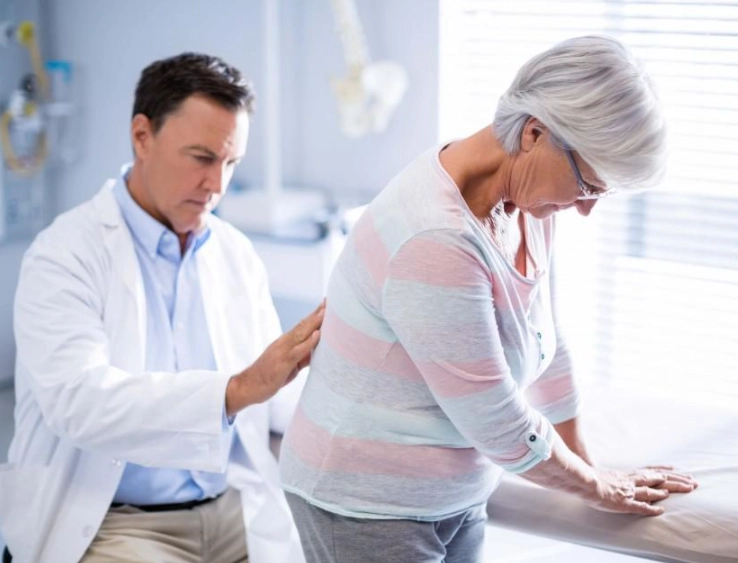
I remember talking to a physiotherapist who specialized in postpartum care. She said the most common thing she heard was, "I thought this level of pain was just normal after having a baby." It broke my heart. So much suffering is written off as "just part of being a woman." It doesn't have to be.
Building Your Pain Management Toolkit: From Doctor's Office to Your Living Room
Alright, so what do we do about it? A smart approach to pain management for women is layered. Think of it as a toolkit, not a single magic bullet. Some tools are for immediate relief, others for long-term management. The best plan often combines medical, physical, and psychological strategies.
Medical and Pharmaceutical Interventions
Let's talk meds and procedures. This is where working with a knowledgeable doctor is crucial. Don't settle for a provider who brushes you off.
- Hormonal Therapies: For pain tied to the menstrual cycle (endometriosis, severe cramps), birth control pills, hormonal IUDs, or other hormone-regulating drugs can be game-changers. They work by stabilizing or eliminating the hormonal fluctuations that fuel the pain.
- Prescription Pain Relievers: This includes NSAIDs like prescription-strength naproxen for inflammation, or medications specifically for nerve pain (like gabapentin) which can help with conditions like fibromyalgia or neuropathic pelvic pain.
- Physical Therapy: Especially pelvic floor physical therapy. This is a revelation for anyone with pelvic pain, painful intercourse, or even some types of lower back pain. A trained therapist can help release overly tight muscles (yes, that's often the problem, not weakness) and retrain proper function. The American Physical Therapy Association has resources to find specialists.
- Minimally Invasive Procedures: For conditions like endometriosis, laparoscopic surgery to remove lesions can provide significant relief. Nerve blocks (like pudendal nerve blocks) can also be used for targeted pelvic pain.
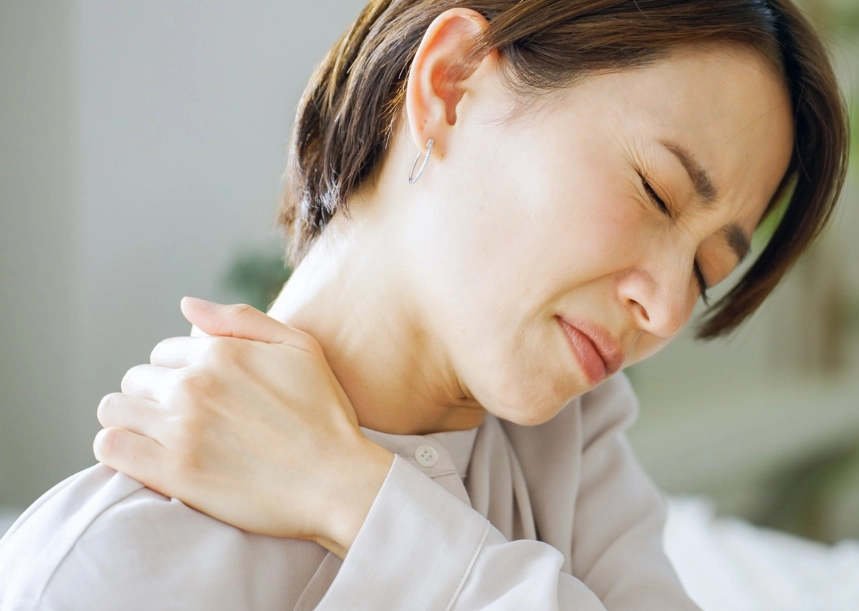
But why does ibuprofen sometimes do nothing?
Often because the pain source is muscular or neuropathic, not purely inflammatory. A muscle in spasm or an irritated nerve needs a different approach.
Holistic and Lifestyle-Based Strategies
This is where you take control day-to-day. These strategies don't replace medical care but work powerfully alongside it.
Your At-Home Pain Relief Checklist
- Heat Therapy: A simple heating pad on your abdomen or back is one of the most effective tools for menstrual cramp and muscle pain. It increases blood flow and relaxes muscles.
- Mind-Body Techniques: This isn't woo-woo. Chronic pain rewires the nervous system to be in a constant state of "alert." Practices like mindfulness meditation, deep breathing, and guided imagery can help calm that system down. Apps can be a great starting point.
- Gentle Movement: When you're in pain, the idea of exercise is awful. But gentle movement like walking, swimming, or yoga can release endorphins (natural painkillers) and prevent stiffness. The key is *gentle* and consistent.
- Diet Tweaks: For inflammatory conditions (arthritis, endometriosis), an anti-inflammatory diet can help. This means more omega-3s (fatty fish), turmeric, ginger, and leafy greens, and less processed sugar and refined carbs. For migraines, tracking food triggers (common ones: aged cheese, red wine, MSG) is essential.
- Sleep Hygiene: Pain ruins sleep, and poor sleep lowers your pain threshold, creating a vicious cycle. Prioritizing a cool, dark room and a consistent bedtime is a form of pain management for women.
I tried turmeric supplements for my friend's arthritis flare-ups. She was skeptical, but after a few weeks, she noticed the morning stiffness was less intense. It's not a cure, but it took the edge off enough for her to start moving more comfortably.
Navigating Specific Life Stages
Our pain management needs evolve. A strategy that works at 25 might need adjusting at 45 or 65.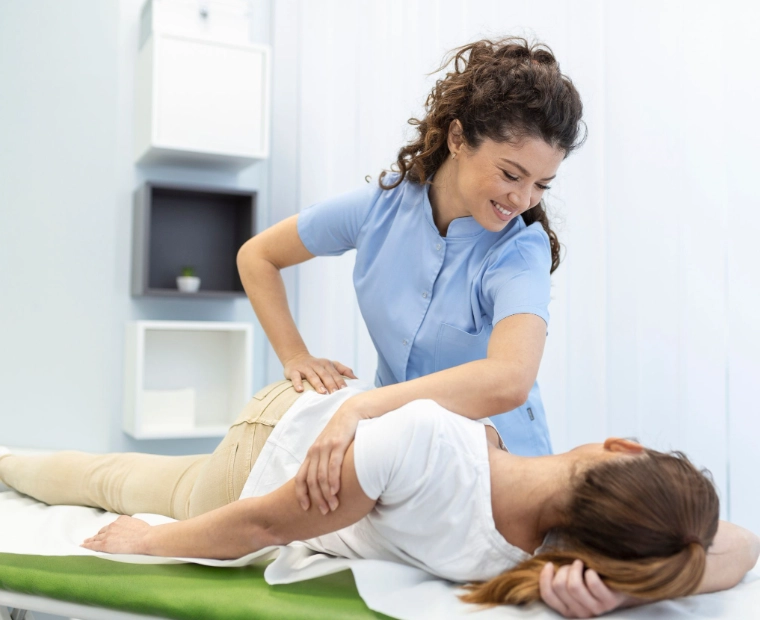
Pain Management During Pregnancy and Postpartum
This is a minefield of "what's safe?" The golden rule: always consult your OB/GYN or midwife before taking any medication or starting a new therapy. Many common NSAIDs (like ibuprofen) are not recommended, especially in the third trimester. Acetaminophen is generally considered safer but should be used minimally. This pushes non-pharmacological methods to the forefront: prenatal yoga, swimming, support belts for back pain, and chiropractic care from a pregnancy-certified practitioner. Postpartum, don't suffer in silence with painful intercourse or lingering pelvic pain. Ask for a referral to a pelvic floor PT—it's life-changing.
Pain and Perimenopause/Menopause
As estrogen declines, new pains can emerge or old ones change. Joint pain ("menopause arthritis") becomes very common. Vaginal dryness can lead to painful sex. Migraine patterns may shift. Hormone Replacement Therapy (HRT) can be a highly effective part of pain management for women in this stage, not just for hot flashes but for protecting joints and maintaining tissue health. It's a personal decision with risks and benefits to discuss in detail with your doctor.
The drop in estrogen is like taking away the body's natural anti-inflammatory shield for some tissues. No wonder things start to ache.
Answering Your Burning Questions on Pain Management for Women
Putting It All Together: A Sample Approach
Let's say you have moderate-to-severe menstrual cramps and lower back pain each month. A comprehensive pain management for women plan might look like this:
| Strategy Type | Specific Action | Purpose & Timing |
|---|---|---|
| Medical | Consultation with a Gynecologist; discuss a hormonal IUD or continuous-cycle birth control pill. | To prevent ovulation and stabilize hormone swings, reducing the primary cause of cramps. A long-term strategy. |
| Pharmaceutical | Start a strong NSAID (like naproxen) at the first sign of cramps, not at peak pain. | To block prostaglandin production and reduce inflammation early. Used as-needed during periods. |
| Physical | See a physical therapist for an assessment of lower back and core strength. Learn gentle stretching for the lower back and hips. | To address musculoskeletal contributors to the pain. Build resilience. Done 2-3 times a week. |
| Lifestyle | Use a heating pad on low back/abdomen for 20-minute intervals. Increase magnesium intake (dark leafy greens, nuts, or a supplement) throughout the month. | For immediate muscle relaxation and soothing. Nutritional support for muscle and nerve function. Daily/ongoing. |
| Mind-Body | Practice deep belly breathing for 5 minutes when pain starts to spike. | To engage the parasympathetic nervous system, reducing the stress-pain feedback loop. Used in the moment. |
See how that works? It's multi-pronged. It addresses the cause, the symptom, and the body's reaction to the symptom.
The Mental and Emotional Load of Chronic Pain
We can't talk about pain management for women without talking about the mind. Chronic pain is isolating. It's exhausting. It can lead to anxiety ("when will it strike next?") and depression. This isn't a character flaw; it's a neurological consequence. Your pain centers and mood centers in the brain are neighbors, and they talk to each other. A lot.
Seeking support from a therapist, particularly one trained in Cognitive Behavioral Therapy (CBT) for chronic pain or Acceptance and Commitment Therapy (ACT), can be as crucial as any pill or physio appointment. Online or in-person support groups for your specific condition can also make you feel less alone. Hearing someone else say, "Yes, that's exactly what it feels like!" is incredibly validating.
The biggest shift for me, in talking to women who've navigated this successfully, was hearing them reframe their goal. It wasn't always "zero pain." Sometimes it was "better function" or "more good days than bad." That realistic acceptance, paradoxically, took a huge amount of pressure off and made the pain less all-consuming.
So where do you start? Today.
Pick one thing from this article. Maybe it's making that doctor's appointment you've been putting off. Maybe it's ordering a heating pad. Perhaps it's just starting a notes app log of your pain for one week. The journey to better pain management for women is built on small, consistent steps. You don't have to live in a negotiation with pain. You can reclaim a sense of agency, find relief that works for your unique female body, and get back to living your life, not just managing your symptoms.
It's your right to seek a life with less pain. Start now.


Leave a comment