Let's be honest. When you think of a heart attack, you probably picture a middle-aged man clutching his chest in dramatic pain. Hollywood loves that image. But for women, the reality of heart disease is often quieter, sneakier, and frankly, a lot more confusing. It's the leading cause of death for women in the United States, yet so much of the information out there feels like it's written for someone else.
Quick Navigation
I remember talking to my aunt a few years back. She's a tough, no-nonsense kind of person. She told me she'd been feeling "off" for weeks—unusual fatigue that a good night's sleep wouldn't fix, a nagging ache in her jaw, and this weird, fluttering sensation in her chest she wrote off as anxiety. It wasn't until she felt short of breath just bringing in the groceries that she finally went to the clinic. Turns out, she'd been having symptoms of heart disease for a while. Her story isn't unique; it's frighteningly common.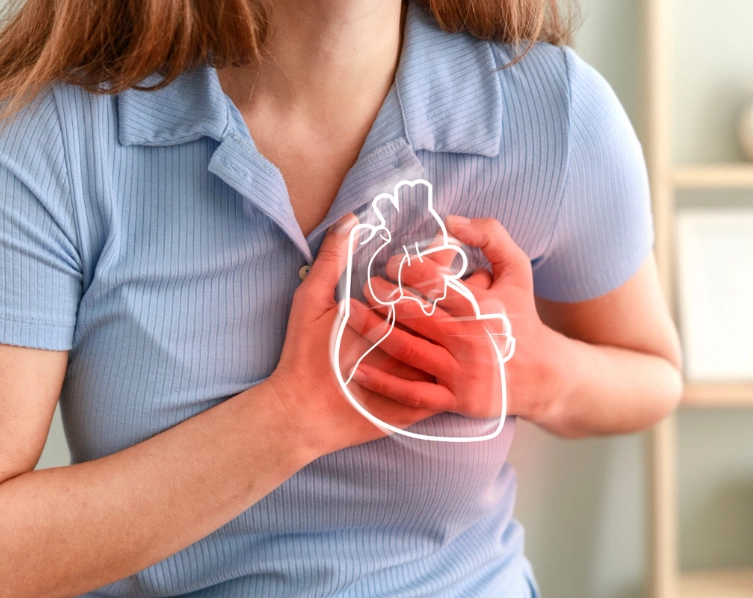
That's the core of the issue with heart disease in women. The symptoms can be so vague, so easy to attribute to stress, getting older, or just a busy life, that we ignore them until it's potentially too late. This isn't meant to scare you, but to empower you. Knowing the difference can save your life.
Why Heart Disease in Women Gets Missed
The classic, textbook heart attack signs? They're based largely on studies done on men. For decades, medical research focused on the male physiology as the default. The result? A huge knowledge gap when it comes to how cardiovascular disease presents in women. It's not just a "women's version" of a man's disease; it has its own distinct patterns.
One major problem is that plaque, the gunk that builds up in arteries, can behave differently. In men, it often forms in large, chunky deposits that can suddenly rupture and cause a major blockage—the classic heart attack. In women, plaque can spread more evenly along the artery walls in a process sometimes called "diffuse plaque." This might not cause a dramatic, movie-style blockage, but it severely narrows the artery, slowly starving the heart of oxygen. This can lead to what doctors call "microvascular disease," affecting the heart's smallest arteries, which is much harder to detect on standard tests.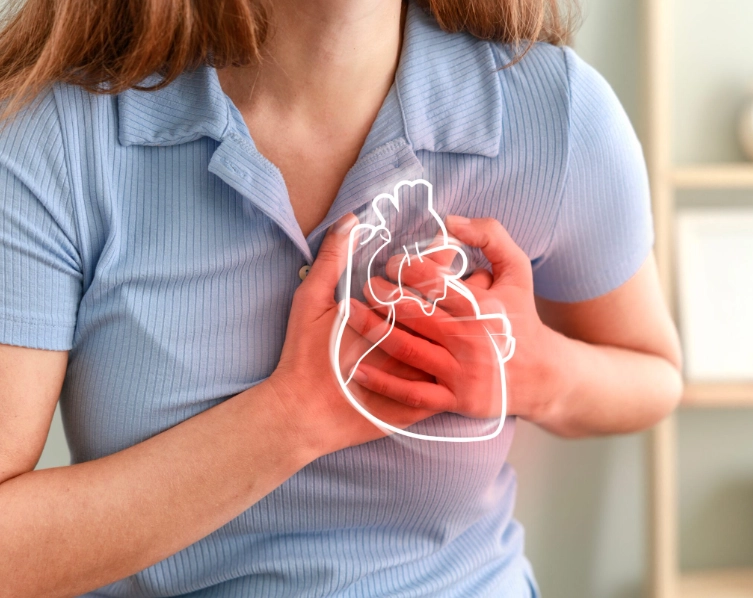
The Symptom Gap: It's Not Just Chest Pain
While chest pressure or pain (often described as an "elephant sitting on my chest") is still a common symptom for many women, it's far from the only one. And sometimes, it's not even the most prominent one. Relying on chest pain as the primary red flag means missing a whole spectrum of other warnings.
So, what should you actually be looking for? The symptoms of a heart attack in women can be subtle and easily mistaken for something less serious.
Common Heart Attack Symptoms in Women
- Unusual or Extreme Fatigue: This isn't just feeling tired after a long day. We're talking about a sudden, crushing fatigue that hits you for no apparent reason. The kind where walking to the mailbox feels like running a marathon. It can come on weeks before an actual cardiac event.
- Shortness of Breath: Difficulty breathing, especially if it happens without exertion or while you're at rest. You might feel like you can't get a full breath, or you're panting after minimal activity.
- Pain or Discomfort in Areas Other Than the Chest: This is a big one. Pain can radiate to the back, shoulders, neck, jaw, or even the stomach. That jaw pain my aunt had? A classic sign many dentists see before cardiologists do.
- Nausea, Vomiting, or Indigestion: Severe, unexplained stomach upset that feels different from your usual heartburn. Many women report feeling like they have a bad case of the flu.
- Cold Sweats or Breaking Out in a Cold Sweat: Not related to heat or exercise. It's a sudden, clammy, drenching sweat.
- Lightheadedness or Dizziness: Feeling suddenly faint or like the room is spinning.
- A Sense of Impending Doom: This sounds dramatic, but it's a real symptom many survivors report. A sudden, overwhelming feeling that something is terribly wrong.
Risk Factors: It's More Than Cholesterol
We all know the standard list: high blood pressure, high cholesterol, smoking, diabetes, family history, and being overweight. These are crucial for everyone. But when we talk about heart disease in women, there's an additional layer of risk factors that are uniquely or more significantly impactful for us.
| Risk Factor | How It Specifically Affects Women | What You Can Do |
|---|---|---|
| Pregnancy Complications | Conditions like preeclampsia, gestational diabetes, or high blood pressure during pregnancy aren't just temporary. They are powerful red flags, indicating a much higher lifetime risk for cardiovascular disease. It's like a stress test for your heart and blood vessels. | If you've had any of these, make sure all your future doctors know. You need more vigilant, lifelong heart health monitoring. |
| Menopause & Declining Estrogen | Estrogen offers some protective benefits for the cardiovascular system before menopause. Its decline can lead to unfavorable changes in cholesterol (higher "bad" LDL, lower "good" HDL), increased belly fat, and stiffer arteries. | Don't assume symptoms are "just menopause." Discuss heart health proactively with your doctor during this transition. Hormone therapy is complex and not a one-size-fits-all heart protector. |
| Autoimmune Diseases | Conditions like lupus and rheumatoid arthritis, which disproportionately affect women, cause chronic inflammation. This inflammation damages blood vessels over time, accelerating atherosclerosis (plaque buildup). | Managing your autoimmune condition aggressively is part of protecting your heart. Regular heart health check-ups are non-negotiable. |
| Mental Stress & Depression | Women's hearts seem to be more physiologically vulnerable to the effects of chronic stress and depression. These states can increase inflammation and blood pressure, and often lead to unhealthy coping behaviors. | Prioritizing mental health is heart health. Therapy, mindfulness, stress-reduction techniques, and social connection are not luxuries; they are maintenance. |
| Broken Heart Syndrome (Takotsubo Cardiomyopathy) | This is a temporary heart condition often triggered by intense emotional or physical stress. It's far more common in postmenopausal women. The heart muscle weakens suddenly, mimicking a heart attack, but usually without blockages. | Recognize that severe emotional trauma has a real physical impact on your heart. Seek support during crises. |
Looking at that table, it becomes clear why a standard risk assessment might underestimate danger for a woman. A doctor just checking cholesterol and blood pressure might miss the whole picture if they don't ask about pregnancy history or stress levels.
The Silent Risk: Inflammatory Conditions
Here's a personal opinion based on what I've read and heard from experts: I think the role of chronic, low-grade inflammation in heart disease in women is still under-discussed. We focus on cholesterol numbers (which are important!), but inflammation is the fire that makes that cholesterol plaque dangerous and unstable. Things like a poor diet high in processed foods, chronic stress, lack of sleep, and untreated inflammatory conditions all feed that fire.
Getting the Right Diagnosis: Be Your Own Advocate
This is where things can get frustrating. Because the symptoms are atypical and the disease can affect smaller blood vessels, standard tests sometimes come back "normal" even when a woman is suffering. An angiogram, the gold standard for finding blockages in large arteries, might not see the microvascular problems.
If you have persistent symptoms suggestive of heart disease but initial tests are inconclusive, don't be told it's "just anxiety" and sent home. You may need to push for—or seek out a specialist who will perform—more advanced testing.
Tests That Can Look Deeper
- Stress Echocardiogram: An ultrasound of your heart while you exercise. It can show how well blood is flowing to all parts of the heart muscle under stress.
- Cardiac MRI: Provides incredibly detailed images of the heart's structure, function, and blood flow. It's excellent for detecting damage and inflammation.
- Coronary CT Angiography: A specialized CT scan that can visualize plaque in the coronary arteries, including the non-calcified "soft" plaque that may be more common in women.
- Endothelial Function Testing: Checks how well the lining of your blood vessels (the endothelium) is working. Dysfunction here is an early sign of trouble.

Prevention: What Actually Works (It's Not Just Salad)
Preventing heart disease in women isn't about a single magic pill or a month of eating kale. It's about consistent, sustainable habits that address the full spectrum of risks. And honestly, some of the common advice feels shallow. "Eat healthy and exercise" is true, but what does that really mean for a busy woman?
Let's break it down into a practical, tiered approach. Think of these as your defense layers.
Your Heart Health Defense Plan
Layer 1: The Non-Negotiable Foundation
These are the big levers you need to pull, with your doctor's guidance.
- Know Your Numbers & Manage Them: This means your blood pressure, cholesterol (including the breakdown of LDL, HDL, and triglycerides), blood sugar (A1c), and waist circumference. The American Heart Association has clear guidelines on healthy ranges. If they're off, work with your doctor on a plan—which may include medication. There's no shame in needing meds; they are tools.
- Don't Smoke. Full Stop. If you do, quitting is the single most powerful thing you can do for your heart. The CDC offers fantastic free resources to help.
Layer 2: Daily Lifestyle Habits
This is where you build your daily armor.
- Move Your Body in Ways You Enjoy: Aim for 150 minutes of moderate activity (brisk walking, cycling, dancing) per week. But consistency beats intensity. A 20-minute daily walk is worth more than a brutal, miserable workout you do once and quit.
- Eat for Your Arteries: Focus on plants—vegetables, fruits, whole grains, beans, nuts, seeds. Include healthy fats like olive oil and avocados. Eat fatty fish like salmon. Drastically reduce processed foods, sugary drinks, and refined carbs. The Mediterranean diet isn't a fad; it's backed by decades of strong evidence for heart health.
- Prioritize Sleep: Chronic sleep deprivation (less than 7 hours regularly) messes with hormones that regulate hunger and stress, increases inflammation, and raises blood pressure. It's a direct attack on your heart.
- Manage Stress Actively: Not by scrolling on your phone or having a glass of wine (which, in excess, harms the heart). Find what genuinely downshifts your nervous system: deep breathing, meditation, yoga, gardening, talking to a friend, being in nature.
Layer 3: The Mind-Heart Connection
This layer is specifically crucial for heart disease in women.
- Treat Depression and Anxiety: Get help. Therapy and/or medication can be life-saving—for your mind and your heart.
- Build Social Connections: Loneliness and isolation are potent risk factors. Nurture relationships that are supportive and positive.
- Find Purpose and Joy: Engage in activities that make you feel engaged and alive. It sounds fluffy, but a sense of purpose is linked to better cardiovascular outcomes.
Common Questions Women Have About Heart Disease
Let's tackle some of the specific questions that keep coming up. I've scoured forums, talked to nurses, and these are the real things women are asking.
The Bottom Line: Knowledge is Your Power
Navigating the world of heart disease in women can feel like piecing together a puzzle with missing parts. The information has been incomplete, the symptoms confusing, and the risks multifaceted. But that's changing. Awareness is growing, and research is finally catching up.
The most important thing you can do is listen to your body with new ears. That unusual fatigue, that weird jaw pain, that breathlessness you can't explain—don't dismiss them. Talk to your doctor about heart health proactively, not just when something is wrong. Know your unique risk factors, from your pregnancy history to your stress levels.
If you ever experience symptoms that are severe, sudden, or new—especially a combination of them—don't wait. Don't drive yourself. Call 911 or your local emergency number immediately. Tell them you think you might be having a heart attack. Every minute matters.
Heart disease in women is a formidable opponent, but it's not an unbeatable one. By understanding its unique face, advocating for yourself in the doctor's office, and building a lifestyle that protects your heart from all angles, you take back control. Your heart's story doesn't have to follow the old, silent script. You can write a new one.

Leave a comment