Lupus. For many women, that word arrives after a frustrating, sometimes years-long journey of unexplained symptoms. It's not just a diagnosis; it's a shift in how you understand your own body. Systemic Lupus Erythematosus (SLE), the most common form, is an autoimmune disease where the body's defense system turns on itself, causing inflammation that can damage nearly any organ. And it has a clear preference: about 9 out of 10 people diagnosed are women, typically during their childbearing years (ages 15-44). This isn't a coincidence—hormones like estrogen are believed to play a key role, making the female experience of lupus distinct and often more complex.
I've spent over a decade talking with patients and specialists, and the story is rarely simple. It's the butterfly-shaped rash that comes and goes, the joint pain dismissed as just "getting older," the fatigue so deep that a full night's sleep feels like a cruel joke. This guide cuts through the medical jargon to give you the clear, actionable information you need to understand lupus in women, get an accurate diagnosis, and build a life that isn't defined by the disease.
What You'll Find in This Guide
The Lupus Symptoms Checklist: More Than Just a Rash
Lupus is called "the great imitator" for a reason. Its symptoms are a scattered puzzle, and they vary wildly from one woman to the next. One person might be plagued by kidney issues, another by neurological problems, a third by crippling joint pain. This variability is a major reason for delayed diagnosis.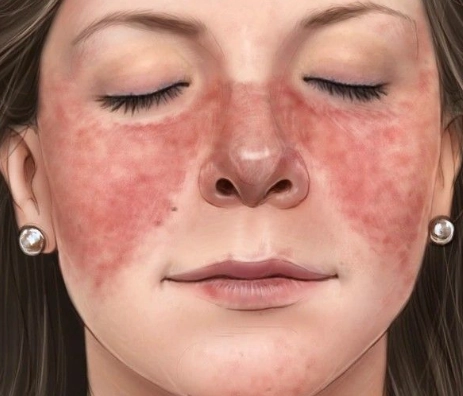
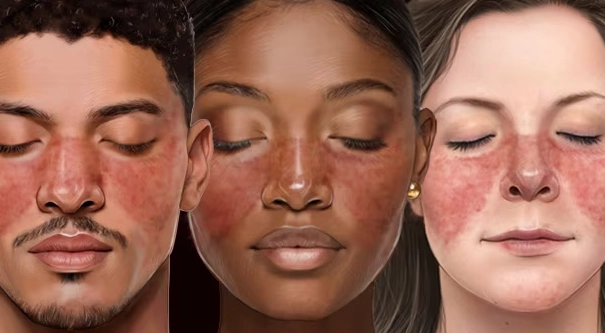
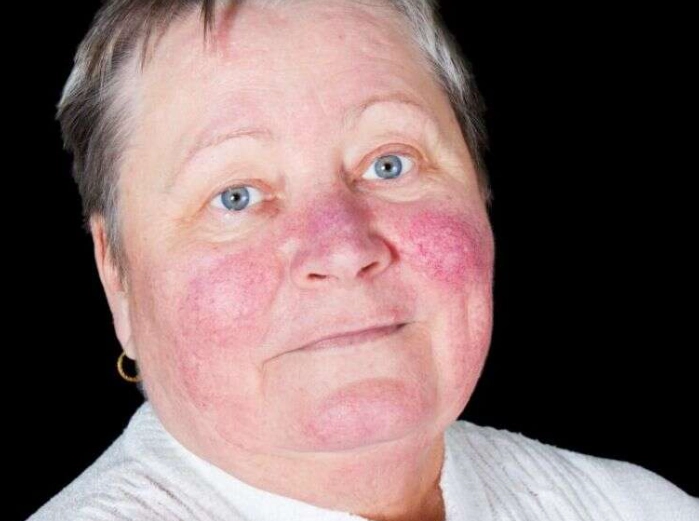
Let's break down the common and not-so-common signs. The classic malar or "butterfly" rash across the cheeks and nose is famous, but it only appears in about 30-50% of cases. Relying on that alone means missing most people.
Here’s a more practical breakdown of symptoms, categorized by how they often show up:
| Symptom Category | Specific Signs in Women | Why It's Often Missed |
|---|---|---|
| Musculoskeletal | Joint pain, stiffness, and swelling (especially in mornings), muscle aches. | Dismissed as overuse, fibromyalgia, or "just stress." |
| Constitutional | Persistent, profound fatigue that rest doesn't fix, unexplained fevers, weight loss. | Blamed on busy lifestyles, depression, or thyroid issues. |
| Skin & Hair | Sun-sensitive rashes (not just butterfly), discoid lesions (scarring patches), hair thinning/loss, mouth/nose ulcers. | Attributed to bad skincare, allergies, or vitamin deficiencies. |
| Internal | Chest pain when breathing deeply (pleurisy), shortness of breath, kidney problems (foamy urine, swelling), headaches, "brain fog." | Sent to cardiologists, pulmonologists, or neurologists as separate issues. |
The "brain fog" deserves its own mention. It's not simple forgetfulness. It's struggling to follow a conversation, losing your train of thought mid-sentence, or feeling like your brain is wrapped in cotton wool. This neuropsychiatric lupus is real and debilitating, yet frequently attributed to stress or menopause.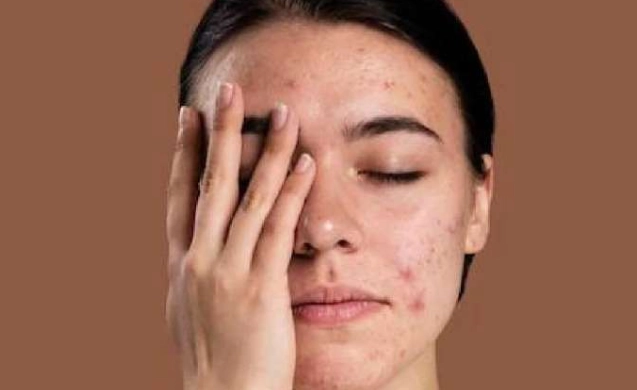
Getting Diagnosed: Why It's So Hard and What Actually Works
There is no single, definitive test for lupus. Diagnosis is a detective story, piecing together your clinical history, physical exam findings, and lab results. The American College of Rheumatology has classification criteria, but even these are tools for studies—doctors use them as a guide, not a strict checklist.
The process usually involves:
- Antinuclear Antibody (ANA) Test: This is the initial screening. A positive ANA is found in over 95% of lupus patients, but it's also positive in about 15% of healthy people and those with other conditions. A positive ANA alone doesn't mean lupus. A negative ANA, however, makes lupus very unlikely.
- More Specific Antibody Tests: If ANA is positive, doctors look for more specific markers like anti-dsDNA and anti-Smith (Sm) antibodies, which are much more closely tied to SLE.
- Blood Tests for Inflammation: Checking erythrocyte sedimentation rate (ESR) and C-reactive protein (CRP).
- Blood and Urine Tests for Organ Function: Complete blood count (CBC), kidney and liver panels, urine analysis to check for protein (a sign of kidney involvement).
My advice? Be your own documentarian. Before your rheumatology appointment, create a timeline. When did each symptom start? Did anything trigger it (a viral infection, sun exposure, a new medication)? Take photos of any rashes. Track your fatigue and pain levels in a simple journal. This organized history is gold for a busy specialist and can shave months off the diagnostic odyssey.
The Specialist You Need to See
If you suspect lupus, your primary care doctor is the starting point. But the specialist who manages this disease is a rheumatologist. They are trained to connect the dots between disparate symptoms and interpret the complex antibody panels. Don't hesitate to ask for a referral. According to the Lupus Foundation of America, early diagnosis and treatment are critical to preventing long-term organ damage.
Modern Treatment Options: It's Not Just Steroids Anymore
The treatment landscape for lupus has evolved significantly. The goal is no longer just to suppress symptoms; it's to achieve low disease activity or remission, prevent flares, and minimize medication side effects. Treatment is highly personalized based on your specific symptoms and organ involvement.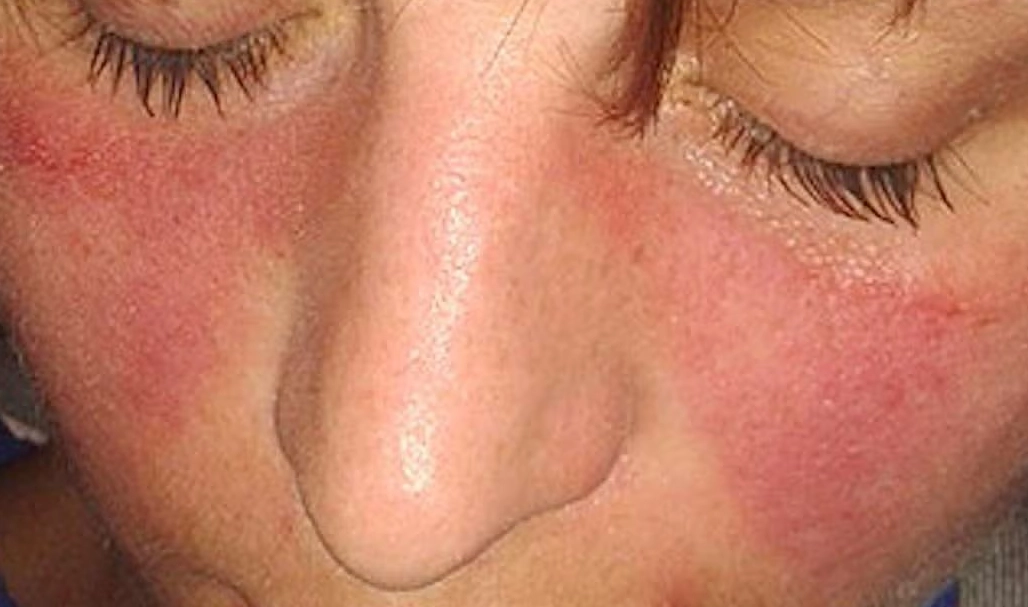
First-Line Medications:
- Antimalarials (Hydroxychloroquine): This is the cornerstone therapy for almost every lupus patient. It's not just for rashes and joint pain—it reduces the risk of flares, protects organs, and improves long-term survival. The retinal toxicity risk is extremely low with proper monitoring (an annual eye exam).
- Nonsteroidal Anti-inflammatory Drugs (NSAIDs): For managing pain and inflammation in mild cases.
- Corticosteroids (e.g., Prednisone): These are powerful, fast-acting anti-inflammatories used to control severe flares. The aim is to use the lowest effective dose for the shortest possible time due to side effects like weight gain, mood swings, and bone loss.
When More is Needed: For more serious organ involvement (like kidneys or brain), doctors use immunosuppressants like methotrexate, mycophenolate mofetil, or azathioprine.
The Newer Biologics: This is where treatment has advanced. Drugs like Belimumab (Benlysta), administered by infusion or self-injection, specifically target a protein involved in the autoimmune response. It's approved for active, autoantibody-positive lupus and can be a game-changer for those who don't respond to traditional therapies. Anifrolumab (Saphnelo) is another newer option targeting the type I interferon pathway, which is often overactive in lupus.
Treatment is a partnership. You have to communicate side effects openly. The fatigue from lupus is bad enough; you don't want to add debilitating medication side effects if they can be adjusted.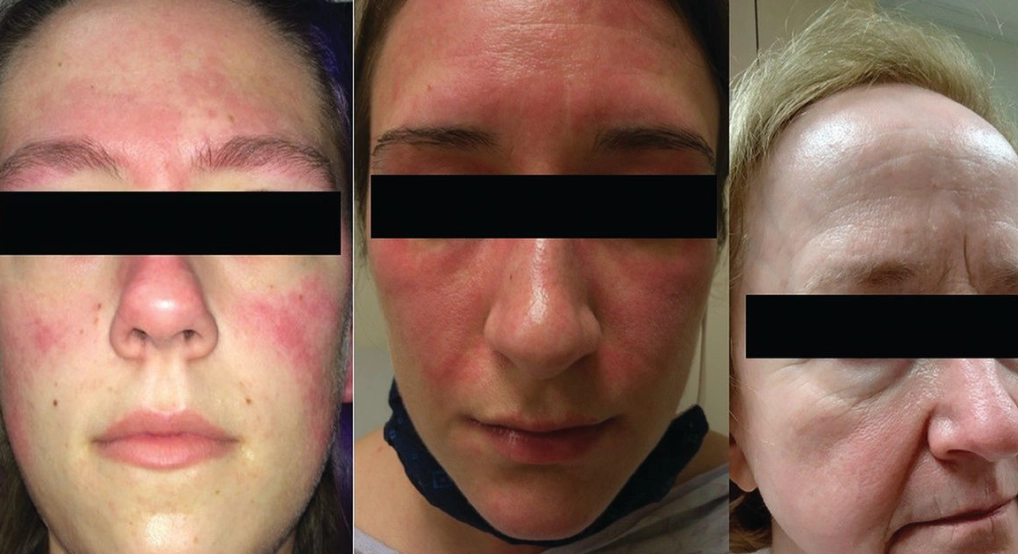
Managing Your Life with Lupus: Daily Strategies That Matter
Medication is one pillar. The other is how you live your life. This isn't about vague "healthy living" advice. These are tactical, non-negotiable strategies I've seen make the biggest difference.
- Sun Protection is Non-Negotiable: UV light is a major trigger for flares and rashes. Use broad-spectrum SPF 50+ every single day, even when it's cloudy. Wear hats, long sleeves, and seek shade. This is one of the most effective things you can control.
- Master the Art of Pacing (Not Just Resting): The classic advice is "listen to your body and rest." That's incomplete. If you only rest when you crash, you're on a boom-bust cycle. Pacing means breaking activities into smaller chunks with breaks before you get exhausted. Clean for 20 minutes, sit for 10. It's about managing your energy budget, not just your bank account.
- Stress Management as Medicine: Stress directly impacts the immune system. Find what works for you—mindfulness, gentle yoga (avoid hot yoga), talking therapy, or simple breathing exercises. It's not a luxury; it's a core part of managing inflammation.
- Diet & Movement: There's no magic lupus diet, but an anti-inflammatory eating pattern helps. Focus on fruits, vegetables, whole grains, and omega-3s (fatty fish). Some find cutting processed foods and sugar reduces symptoms. For exercise, think "movement" not "workout." Regular, gentle activity like walking or swimming reduces fatigue and stiffness more effectively than sporadic, intense sessions.
- Build Your Support System: Talk to your family and friends about what lupus really is. Join a support group, even an online one. Connecting with others who "get it" is incredibly validating.
Your Top Lupus Questions Answered
Can a woman with lupus have a healthy pregnancy?
How can I manage the crushing fatigue of lupus beyond just resting?
Why is lupus so often misdiagnosed in women, and what can I do?
Living with lupus as a woman is a continuous journey of learning and adaptation. It has its tough days—the flares, the frustration, the appointments. But with the right medical team, a tailored treatment plan, and smart daily strategies, it is entirely possible to live a full, meaningful life. The goal isn't perfection; it's building resilience and finding what works for your body. Start with one change, maybe that daily sunscreen or a conversation with your doctor about symptom tracking, and build from there.




Leave a comment