Quick Navigation
- What Exactly Are Kegel Exercises, and Why Should You Bother?
- The Single Biggest Mistake Everyone Makes (And How to Fix It)
- The Step-by-Step Guide to Doing Kegel Exercises Correctly
- Beyond the Basics: Advanced Kegel Techniques and Tools
- Kegels for Men: It's Not Just a Women's Thing
- When Kegels Might Not Be the Answer (And What to Do Instead)
- Building a Lifelong Habit
Let's be honest, the first time someone mentions Kegel exercises to you, it sounds a bit... odd. Maybe your doctor brought it up after you had a baby, or a friend whispered about it in relation to "bedroom benefits." You nod along, but in your head, you're thinking, "What on earth are they, and how do I even do them?"
I was in the same boat. Years ago, after my first child, my OB-GYN casually said, "Don't forget your Kegels!" as I was walking out the door. I smiled, said sure, and then spent the next six months vaguely trying to clench *something* down there whenever I remembered, which was maybe twice a week. Unsurprisingly, nothing changed. That sneeze-and-leak scenario? Still very much a thing.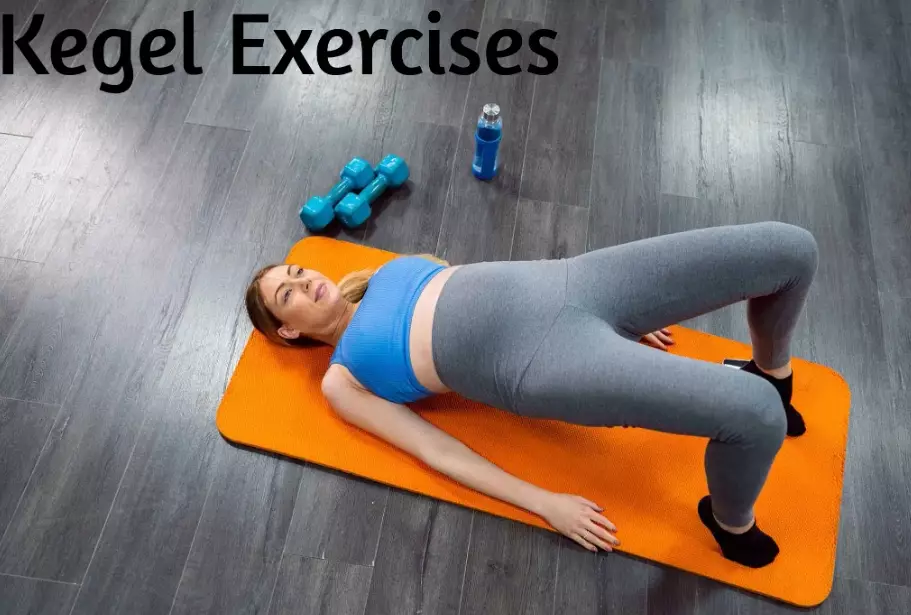
It wasn't until I actually sat down and did the research—talking to a pelvic floor physiotherapist, reading reputable sources, and, yes, making plenty of mistakes—that I realized how powerful and simple these exercises can be. But simple doesn't mean easy to get right. Most of us are doing them wrong without even knowing it.
What Exactly Are Kegel Exercises, and Why Should You Bother?
Named after Dr. Arnold Kegel, who popularized them in the 1940s, Kegel exercises are essentially weight training for your pelvic floor. Think of your pelvic floor as a supportive hammock or sling of muscles stretching from your pubic bone to your tailbone. It holds up your bladder, uterus (if you have one), and rectum. When this hammock gets weak—thanks to things like childbirth, aging, chronic coughing, or heavy lifting—problems start.
We're talking about stress urinary incontinence (leaking when you laugh, cough, or jump), that "heavy" feeling in your pelvis, and even decreased sexual sensation. Not fun.
The goal of Kegel exercises is to strengthen that muscular hammock. A stronger pelvic floor means better support, better control, and often, a better quality of life. It's not a magic pill, but it's one of the most effective, non-invasive things you can do for that region of your body.
The Single Biggest Mistake Everyone Makes (And How to Fix It)
You can't strengthen a muscle you can't find. This is the bedrock of Kegel exercises, and it's where almost everyone trips up. I certainly did. I was clenching my buttocks, my thighs, even holding my breath. All wrong.
The pelvic floor is an internal muscle group. Engaging it should be a subtle, inward lift and squeeze, not a full-body effort.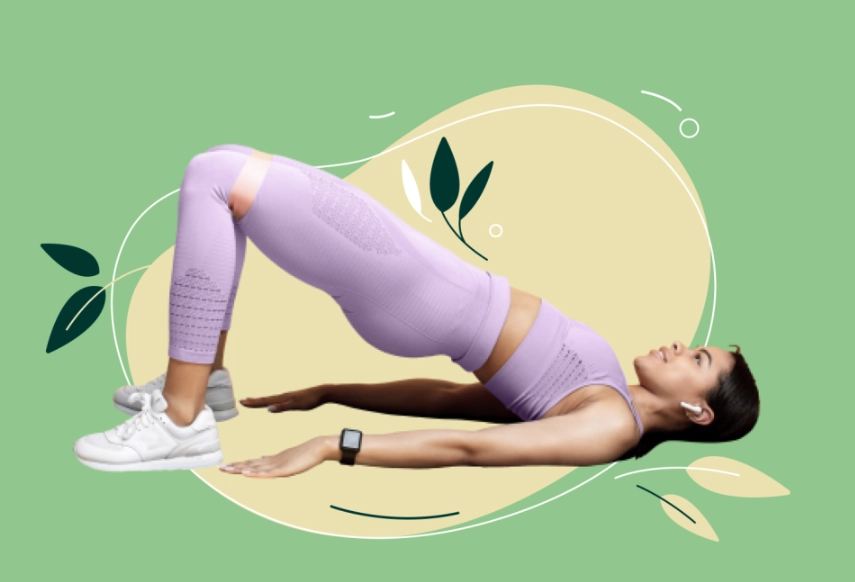
How to Find Your Pelvic Floor Muscles: The No-Fail Test
Next time you're on the toilet, start to urinate and then try to stop the flow mid-stream.
Feel that clench? The muscles you just used are your pelvic floor muscles. Important: Only do this once or twice for identification purposes. Don't make a habit of stopping your urine flow regularly, as it can disrupt your bladder's natural emptying reflex.
If that test doesn't click for you, try this: Imagine you're trying to prevent passing gas. That squeezing sensation also targets the right area.
Once you've identified the feeling, practice the contraction when you're not on the toilet. Lie down, sit, or stand with your knees slightly apart. Relax your thighs, buttocks, and abdomen. Breathe normally. Now, gently draw in and lift those pelvic floor muscles. Hold for a few seconds, then fully relax. The relaxation is just as crucial as the contraction.
The Step-by-Step Guide to Doing Kegel Exercises Correctly
Okay, you've found the muscles. Now let's build a routine. Consistency is key, but so is quality. Doing five perfect contractions is better than twenty sloppy ones.
The Basic Kegel (The "Quick Flick"): Squeeze and lift your pelvic floor muscles quickly and tightly, then release completely. Aim for a one-second hold. This helps with fast-twitch muscle fibers, which are the first responders when you sneeze.
The Endurance Kegel (The "Long Hold"): Squeeze and lift the muscles, and hold the contraction steadily for a longer count—aim for 3 to 5 seconds to start, working up to 10 seconds. Then, relax for the same amount of time. This builds strength and stamina.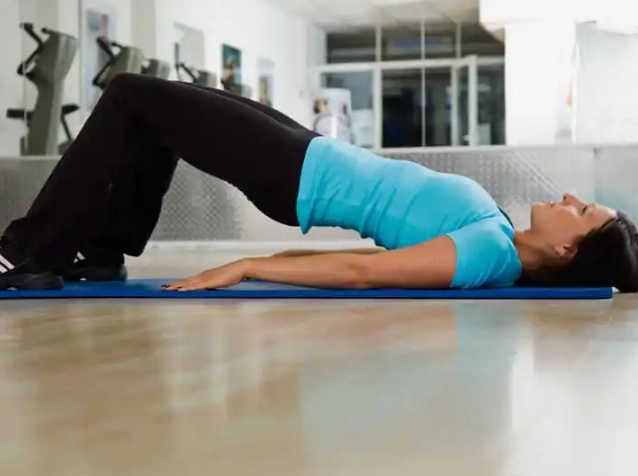
Here’s a classic beginner routine you can do anywhere—in the car, at your desk, watching TV:
- Start with 10 quick flicks, with a 2-second rest between each.
- Follow with 5 long holds (try for 3 seconds), resting for 3 seconds after each.
- Do this set 3 times a day.
It sounds minimal, but if you're doing them correctly, you'll feel it. As you get stronger over 4-6 weeks, you can increase the hold time (e.g., 5-second holds, then 7, then 10) and the number of repetitions.
Beyond the Basics: Advanced Kegel Techniques and Tools
Once you've mastered the basic contractions and your control is good, you can add layers to your Kegel exercises to challenge the muscles further. This is where many guides stop, but it's crucial for continued progress.
The Elevator: Imagine your pelvic floor is an elevator. Slowly contract in stages, as if the elevator is going up floors: first floor (light squeeze), second floor (tighter), third floor (full contraction). Hold at the top for a few seconds, then release down slowly through each "floor." This works on fine motor control.
Integration with Movement: The ultimate goal is for your pelvic floor to work automatically during daily life. Practice your Kegel contraction while doing a gentle activity, like standing up from a chair, lifting a light grocery bag, or during a gentle exhale. This trains the core and pelvic floor to work together, which is their natural job.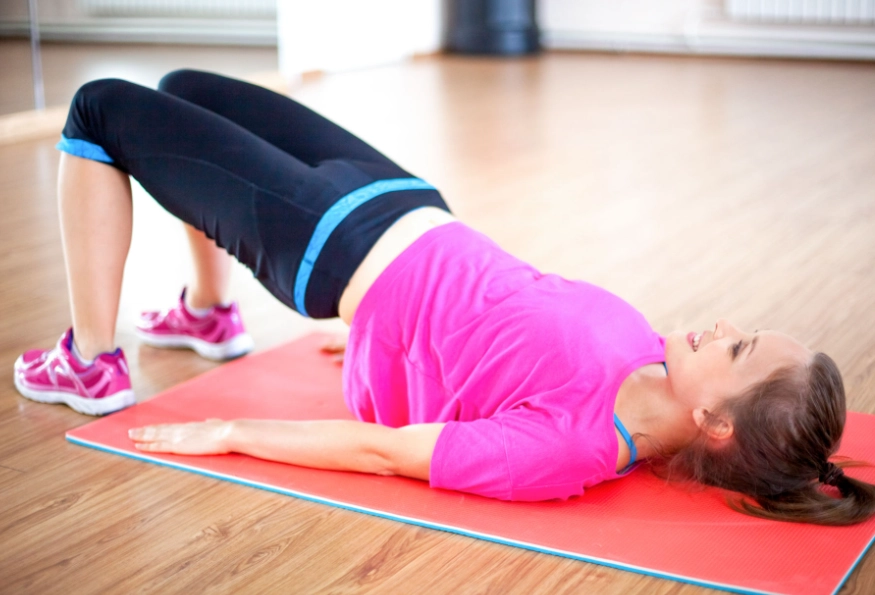
Do Kegel Weights or Apps Help?
The market is full of tools—vaginal weights, biofeedback devices, smartphone apps. They can be useful, but they're not necessary for everyone.
Vaginal Weights: These are small, weighted cones you insert. The goal is to clench to hold them in. They can provide tangible feedback. However, I'd advise trying them only after you're confident in your basic technique and preferably after discussing with a therapist. Using them incorrectly can reinforce bad habits.
Apps: Some people love them for the reminder function and progress tracking. Just be wary of any app that promises unrealistic results ("perfect orgasms in 2 weeks!") or doesn't emphasize proper form.
The truth is, your body is the best tool you have. Mastering the mind-muscle connection without gadgets is incredibly empowering.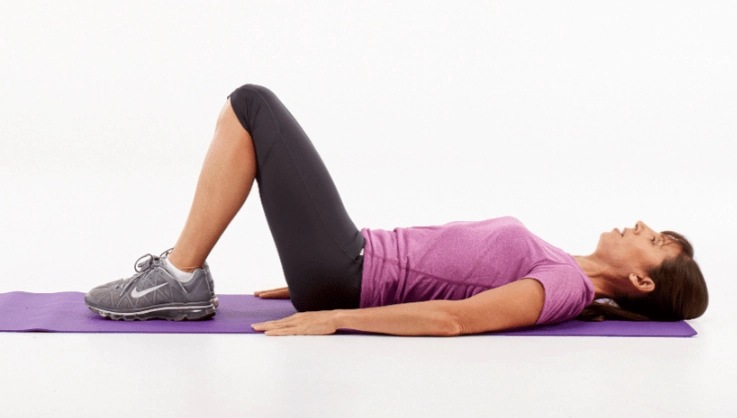
Kegels for Men: It's Not Just a Women's Thing
This is a massive content gap online. The conversation around Kegel exercises is overwhelmingly female-focused, but men's pelvic health is just as important.
For men, the pelvic floor muscles wrap around the prostate and are crucial for bladder and bowel control, as well as erectile function. Weakness here can lead to post-urine dribble, urgency, and erectile difficulties.
The principle is identical: find and strengthen the muscles. For men, a good identification technique is to try to stop the flow of urine or to feel the muscle that contracts to prevent passing gas.
| Focus Area | For Women | For Men |
|---|---|---|
| Primary Benefit | Manage/prevent stress urinary incontinence (SUI), improve postpartum recovery, support pelvic organs. | Manage post-prostatectomy incontinence, improve erectile rigidity and control, reduce post-void dribbling. |
| Key Identification Tip | Stopping urine flow (test only) or tightening around the vagina. | Stopping urine flow (test only) or lifting the testicles slightly upwards. |
| Common Challenge | Over-recruiting abdominal or gluteal muscles. | Confusing the contraction with tightening the buttocks or abdomen. |
| When to See a Pro | Pain with contraction, feeling of pelvic pressure/heaviness, persistent incontinence. | Any urinary or erectile dysfunction, especially after prostate surgery or with pelvic pain. |
Resources like the Urology Care Foundation provide excellent, gender-specific information on pelvic floor health.
When Kegels Might Not Be the Answer (And What to Do Instead)
This is critical. The "just do Kegels" advice is sometimes dangerously simplistic. Your pelvic floor can be hypertonic (too tight) rather than weak. In this case, doing strengthening Kegel exercises could make problems like pain, urgency, and constipation worse.
Signs your pelvic floor might be too tight:
- Pain during or after intercourse.
- Difficulty inserting a tampon or undergoing a pelvic exam.
- A constant feeling of tension or ache in the pelvis, lower back, or hips.
- Urinary urgency/frequency without leakage.
If this sounds familiar, stop strengthening.
The focus should shift to relaxation and lengthening. Techniques like deep diaphragmatic breathing (where you let your belly expand fully on the inhale, which gently stretches the pelvic floor) are key. A pelvic floor physical therapist can teach you specific relaxation drills. The National Institutes of Health library notes the importance of proper diagnosis for pelvic floor disorders.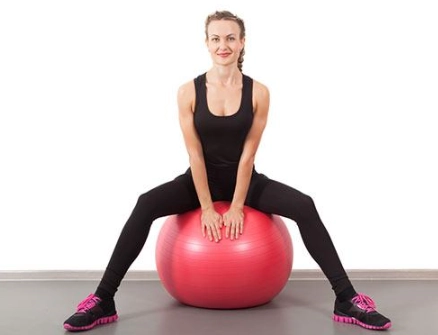
Your Kegel Questions, Answered
How long until I see results from Kegel exercises?
Most people notice some improvement in bladder control within 3 to 6 weeks of consistent, correct practice. Significant strength gains and more pronounced benefits (like improved sexual sensation) can take 3 to 6 months. It's a marathon, not a sprint.
Can you do too many Kegels?
Absolutely. Overtraining leads to muscle fatigue, which can cause the very leakage you're trying to prevent. It can also contribute to a hypertonic (too tight) pelvic floor. Stick to your planned sets and allow for rest. Your muscles need time to recover and rebuild, just like after going to the gym.
Will Kegel exercises improve my sex life?
They can, for a few reasons. Increased blood flow to the area, greater muscle tone, and improved body awareness can enhance sensation for both partners. For men, stronger pelvic floor muscles can contribute to firmer erections and better ejaculatory control. But let's temper expectations—they're not a guaranteed path to mind-blowing orgasms. They're one piece of a much larger puzzle that includes communication, health, and emotional connection.
I keep forgetting to do them. Any tips?
Link them to an existing habit. Do a set every time you:
- Brush your teeth (morning and night gives you two sessions!).
- Wait at a red light.
- Check your email.
- Take the first sip of your morning coffee.
Habit stacking is your best friend here.
Are there any risks to doing Kegels?
When done correctly, they are very low risk. The main risks come from doing them incorrectly (straining other muscles, not actually working the pelvic floor) or doing them when you have a hypertonic pelvic floor (which can worsen symptoms). If in doubt, get professional guidance.
Building a Lifelong Habit
The real secret to Kegel exercises isn't a fancy technique; it's consistency over years. They should become as automatic as brushing your teeth—a basic part of maintaining your body.
Don't get discouraged if you fall off the wagon for a week. Just start again. The muscle memory is there.
Ultimately, investing a few minutes a day in your pelvic floor is an investment in your long-term comfort, confidence, and health. It's about taking control of a part of your body that works hard for you silently, every single day.
Start slow, focus on form, listen to your body, and be patient. The payoff—whether it's laughing without worry, jumping with your kids, or simply feeling stronger from the inside out—is worth the effort.






Leave a comment