Let's be honest. The idea of starting yoga can feel intimidating. You see images of people twisted into impossible shapes, balanced on one finger, and you think, "That's not for me." But what if I told you that yoga, especially for women just starting out, has almost nothing to do with flexibility contests and everything to do with finding a bit of quiet strength in a noisy world?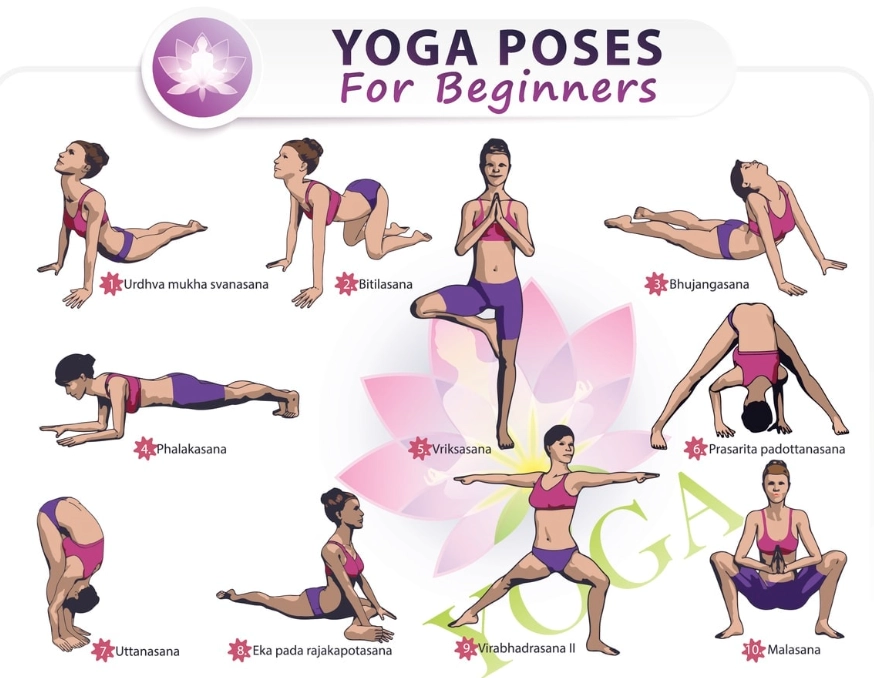
I remember my first class. I was hiding in the back corner, convinced everyone was judging my mismatched socks. Ten years later, I teach women who feel exactly that way. The journey from that back corner to a confident practice is what this guide is about. It's not another generic list of poses. It's a roadmap built for the female experience—hormones, stress, societal pressures, and all.
Your Quick Start Guide
- Why Yoga is Perfect for Women (Especially Beginners)
- Your First Yoga Session: What to Really Expect
- 5 Essential Beginner Yoga Poses for Women
- Gear, Myths, and Truths: What You Actually Need
- Finding Your Tribe: How to Choose the Right Class or Teacher
- From First Try to Daily Habit: Making Yoga Stick
- The Quiet Pitfalls Most Beginners Don't See Coming
- Your Questions, Answered (No Fluff)
Why Yoga is Perfect for Women (Especially Beginners)
We often come to yoga looking for one thing—maybe to lose a few pounds or touch our toes—and discover it gives us something else entirely. The benefits for women are profound, and they start from day one.
Physically, it builds functional strength. Not bulky muscle, but the kind that helps you carry groceries, pick up a child, or maintain good posture at your desk. It gently increases flexibility in the hips and shoulders, areas where women often carry tension. Research from places like Harvard Medical School consistently links yoga to reduced back pain and better bone density, which is crucial as we age.
The mental and hormonal benefits are where it gets personal. Yoga is a masterclass in stress management. The focused breathing (pranayama) directly dials down the nervous system's panic button. For women navigating hormonal shifts—from PMS to perimenopause—this regulation is a game-changer. A consistent practice can help smooth out mood swings and improve sleep, something my students report long before they nail a perfect Downward Dog.
But here's the non-consensus bit everyone misses: yoga rebuilds your relationship with your body. In a world that constantly tells women what's wrong with their bodies, yoga offers a space to simply listen to it. To feel its capabilities, not just its flaws. That shift in perspective is the most powerful tool a beginner can gain.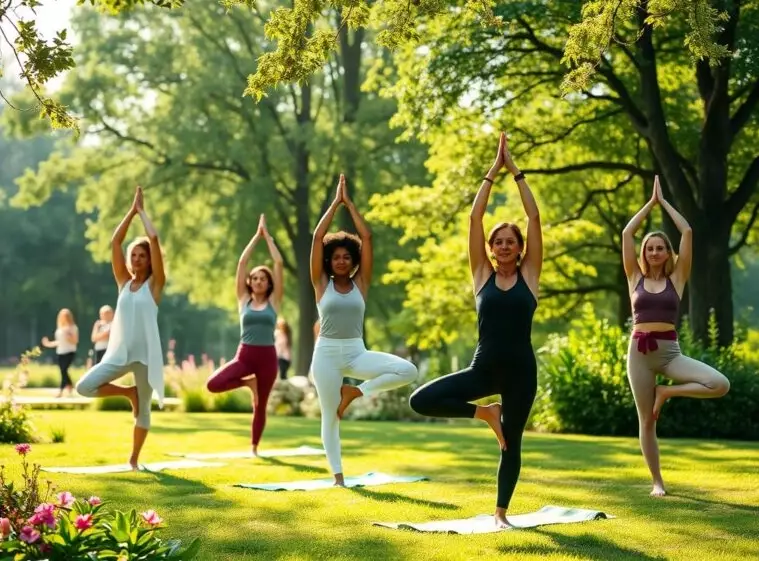
Your First Yoga Session: What to Really Expect
Walking into a studio or unrolling a mat at home for the first time is the biggest hurdle. Let's demystify it.
First, you will not know what the teacher is saying half the time. "Engage your mula bandha and draw your shoulder blades toward your sacrum." It sounds like a different language because it is (Sanskrit and anatomy). This is normal. Follow the visual cues, glance at others if you need to, and know that understanding comes with repetition. No one expects you to get it all on day one.
You might feel clumsy or uncoordinated. Your balance in Tree Pose might last two seconds before you wobble. That's not failure; that's the practice. Yoga meets you where you are. The woman on the mat next to you who seems serene? She's focusing on her own breath, not your wobbles. I promise.
The 3 Non-Negotiables for Your First Class
Comfortable Clothing: Think leggings or shorts and a top that won't ride up when you raise your arms. Avoid baggy t-shirts—they fall over your head in Downward Dog.
A Mat (or Rent One): If you're at a studio, they'll usually have rentals for a few dollars. If buying your first mat, don't overthink it. A basic 5mm thick, non-slip mat from a brand like Gaiam or JadeYoga is perfect.
A Water Bottle & Small Towel: Stay hydrated. The towel is for mopping your brow, not for significant sweat in a beginner class.
You'll leave feeling something. Maybe incredibly relaxed, maybe a bit sore in new places (hello, inner thighs), or maybe just proud you showed up. All of those are valid first-session outcomes.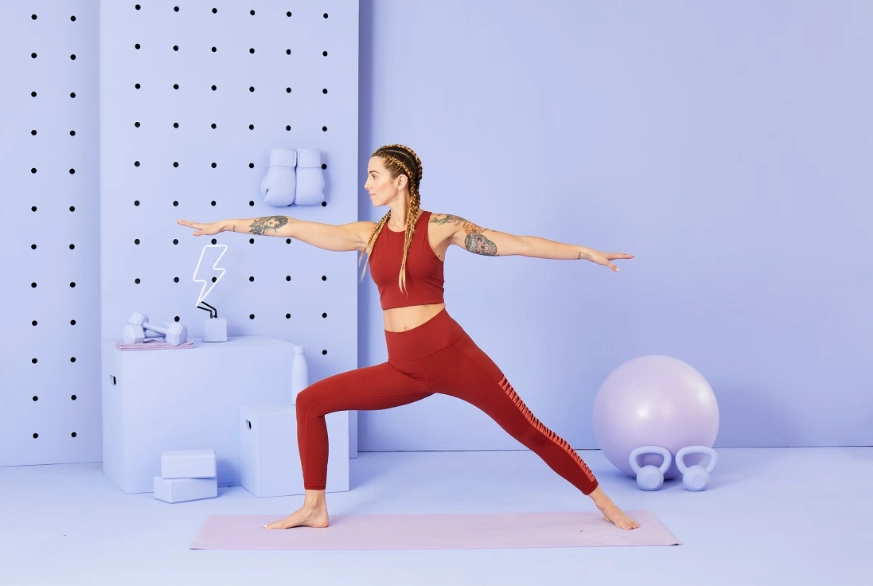
5 Essential Beginner Yoga Poses for Women
These are the foundational poses you'll see in nearly every beginner yoga for women class. Master these, and you've built a solid platform. I'm including the subtle alignment tips most online tutorials skip.
1. Mountain Pose (Tadasana)
It looks like just standing, but it's the blueprint for every other pose. Stand with feet hip-width apart (not together). Distribute weight evenly across all four corners of your feet. Engage your thighs slightly, draw your belly button gently in, roll your shoulders back and down. Breathe. Feel your spine long. This is your home base.
2. Cat-Cow Stretch (Marjaryasana-Bitilasana)
On hands and knees. Inhale, drop your belly, lift your chin and tailbone (Cow). Exhale, round your spine like a Halloween cat, tuck your chin and tailbone (Cat). The magic here is linking movement to breath. It's a gentle massage for your spine and a perfect warm-up.
3. Downward-Facing Dog (Adho Mukha Svanasana)
The classic. From hands and knees, tuck toes, lift hips up and back. It's an inverted V. Beginners: bend your knees generously! The goal is a long spine, not straight legs. Press firmly through your palms and rotate your inner elbows forward. Pedal your feet. It's a rest pose, but it takes practice to feel that way.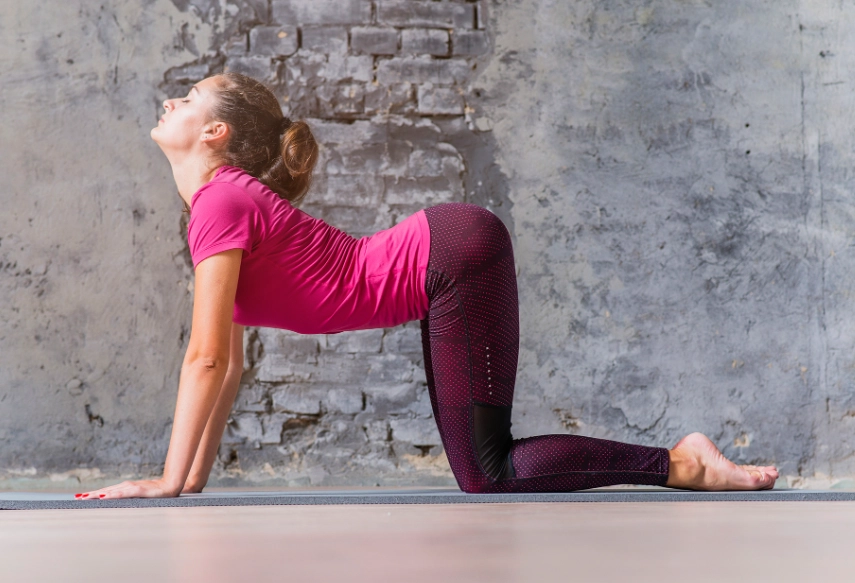
4. Warrior II (Virabhadrasana II)
A pose of strength and stability. Step one foot back, turn it out 90 degrees. Front knee bends over the ankle, back leg straight. Arms extend parallel to the floor, gaze over front fingertips. Common mistake: leaning the torso forward. Stack your shoulders over your hips. Feel powerful.
5. Child's Pose (Balasana)
Your sanctuary. Knees wide or together, sit back on heels, fold forward, rest your forehead on the mat. Arms can be extended or by your sides. This is always an option. Anytime you need a break, come here. No permission needed.
Gear, Myths, and Truths: What You Actually Need
The yoga industry wants to sell you a lot of stuff. You need very little.
The Mat: This is your main investment. Avoid the super cheap, plasticky ones—they're slippery and toxic. Look for "non-slip" or "sticky" in the description. Thickness (4-6mm) is good for cushioning. Manduka and Lululemon make great ones, but a $30 mat from a sporting goods store works fine to start.
Blocks (2): Not just for "beginners." They are genius tools that bring the floor up to you. Can't reach the floor in a twist? Put your hand on a block. They help maintain alignment and prevent strain. Foam blocks are lighter and cheaper; cork blocks are more stable and eco-friendly.
A Strap: A simple cotton strap helps in poses where your hands can't reach (like in seated forward folds). It's an extension of your arms.
Myth-Buster: You do NOT need to be skinny, flexible, or spiritual. You don't need expensive branded clothing. You don't need to chant "Om" if you don't want to. The yoga that works is the one you actually do, in the clothes you already own.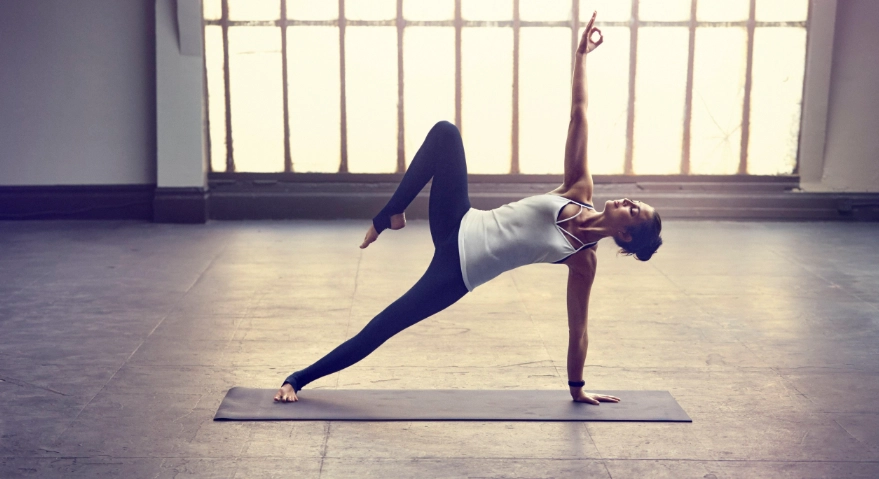
Finding Your Tribe: How to Choose the Right Class or Teacher
Not all yoga classes are created equal, especially for a beginner. The teacher and environment make all the difference.
Look for classes explicitly labeled: Beginner, Foundations, Gentle, Hatha, or Slow Flow. Avoid Vinyasa, Power, Hot, or Ashtanga for your first attempts—they're often too fast-paced.
Where to look? Local community centers, YMCAs, and dedicated yoga studios often have the best introductory offers. Platforms like YouTube are free and convenient, but lack the personalized correction. For a true start, I always recommend a few in-person classes to get the basics right.
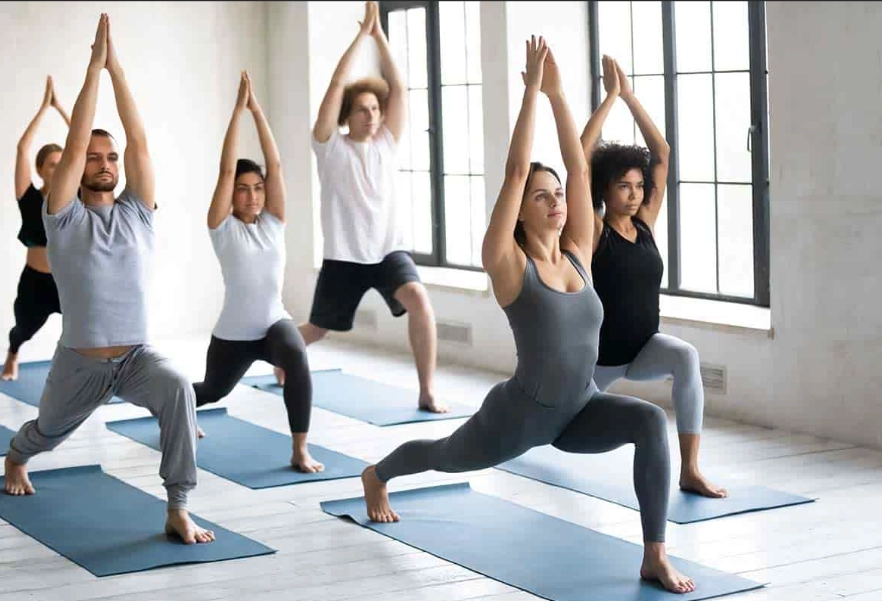
A good beginner teacher does a few key things: they offer clear, step-by-step instructions, they demonstrate the poses, they walk around the room offering gentle adjustments (always with permission), and they provide multiple options for different bodies. They say things like "you might feel this here" and "if this doesn't feel right, try this instead."
Feel the vibe. Does the studio feel welcoming or intimidating? Is the teacher approachable? Trust that gut feeling.
From First Try to Daily Habit: Making Yoga Stick
Consistency beats intensity. Doing 10 minutes most days is far better than a heroic 90-minute session once a month that leaves you sore and reluctant.
Start small. Commit to 2-3 times a week for 20-30 minutes. Tie it to an existing habit: "After I make my morning coffee, I'll unroll my mat for 10 minutes of stretching."
Listen to your body's cycle. Some days you'll have energy for a stronger practice. Other days (hello, PMS week), a restorative session with lots of props and gentle stretches is what your body craves. Honoring that is advanced yoga.
Track progress in non-linear ways. Not "I can touch my toes now," but "I remembered to breathe through that difficult pose today," or "I felt less anxious after practicing."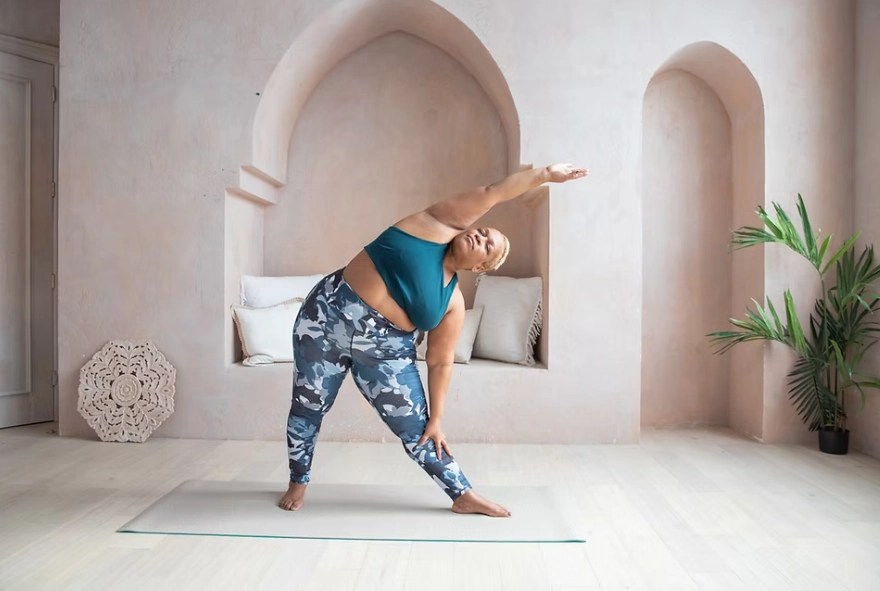
The Quiet Pitfalls Most Beginners Don't See Coming
After a decade of teaching, I see the same subtle mistakes that hold women back. It's not about the poses.
1. The Comparison Trap: You will compare your Day 1 to someone else's Year 5. It's human. Notice the thought, then gently bring your attention back to your own breath and body. Your journey is yours alone.
2. Holding Your Breath: When a pose gets hard, we instinctively tense up and stop breathing. The breath is the most important tool. If you forget everything else, just keep breathing slowly and deeply.
3. Pushing Through Pain: Discomfort in a stretching muscle is normal. Sharp, shooting, or joint pain is a red flag. Back off immediately. Yoga is not "no pain, no gain." It's "find the edge and breathe there."
4. Skipping Savasana (Final Relaxation): That 5-minute lie-down at the end? It's when your nervous system integrates the practice. Leaving early cheats you of the deepest benefit. Stay for it.
Your Questions, Answered (No Fluff)
 I have my period. Should I avoid yoga?
The door to yoga is open. It doesn't ask for perfection, just presence. It meets you in your tired body after work, in your busy mind before the school run, in your desire to feel a little more grounded and a little less frazzled. Unroll that mat, take a deep breath, and begin. Your journey is waiting.





Leave a comment