If you ask most people what the most common disease is for women, you might hear answers like breast cancer or osteoporosis. Those are important, sure. But the real answer, the one that causes more death and disability than anything else, often flies under the radar. It's cardiovascular disease. Heart disease and stroke are the leading killers of women globally, responsible for about one in every three female deaths according to the World Health Organization. That's a staggering number, and it's made worse by a persistent myth that it's mostly a "man's problem." Let's cut through the noise and look at the actual landscape of common female diseases, why they happen, and what you can actually do about it.
What You'll Learn in This Guide
Why Heart Disease is the #1 Threat to Women's Health
I've seen too many cases where a woman in her 50s comes in with fatigue and nausea for weeks, gets treated for acid reflux, and then has a major heart event. The symptoms aren't always the classic, dramatic chest pain shown in movies. For women, it can be subtle.
Why is it so common? A combination of biology and lifestyle. After menopause, the protective effect of estrogen drops sharply, leading to increases in blood pressure, unfavorable cholesterol changes, and fat redistribution to the abdomen. Social factors play a huge role too. Women are often primary caregivers, which can mean chronic stress and putting their own health last on the list. Smoking, while declining, still has a massive impact.
Here’s a breakdown of the key cardiovascular issues:
| Condition | Why It's Prevalent in Women | Key Symptoms to Watch For (Can Be Atypical) |
|---|---|---|
| Coronary Artery Disease | Post-menopausal hormonal shifts, higher rates of conditions like diabetes which are a stronger risk factor for women. | Fatigue, shortness of breath, nausea, back/jaw pain, indigestion-like feeling. Not just chest pain. |
| Stroke | Higher lifetime risk due to longevity; specific risks like pregnancy-related hypertension (preeclampsia) and migraine with aura. | Sudden numbness (face/arm/leg, especially one side), confusion, trouble speaking, severe headache, vision problems. |
| Heart Failure | Often develops after a heart attack; also linked to high blood pressure over time. A condition called "heart failure with preserved ejection fraction" is more common in older women. | Shortness of breath during activity or when lying down, swelling in feet/ankles/legs, persistent coughing. |
The American Heart Association has great resources, but the message is simple: know your numbers (blood pressure, cholesterol, blood sugar) and listen to your body, even when the signs aren't "textbook."
Gynecological & Reproductive Health Conditions
This category includes diseases specific to female anatomy. While not the top killer, they affect quality of life profoundly and are incredibly common.
Breast cancer is the most diagnosed cancer in women worldwide. The lifetime risk is about 1 in 8. Early detection through mammograms saves lives, but prevention through lifestyle is powerful and under-discussed. Limiting alcohol, maintaining a healthy weight, and regular exercise are within your control and have a significant impact.
Uterine fibroids are non-cancerous growths that up to 80% of women will develop by age 50. For about 25% of them, fibroids cause heavy bleeding, pain, and fertility issues. The why isn't fully understood, but estrogen is believed to promote their growth. Treatment ranges from medication to various surgical options, and the "best" choice is highly personal.
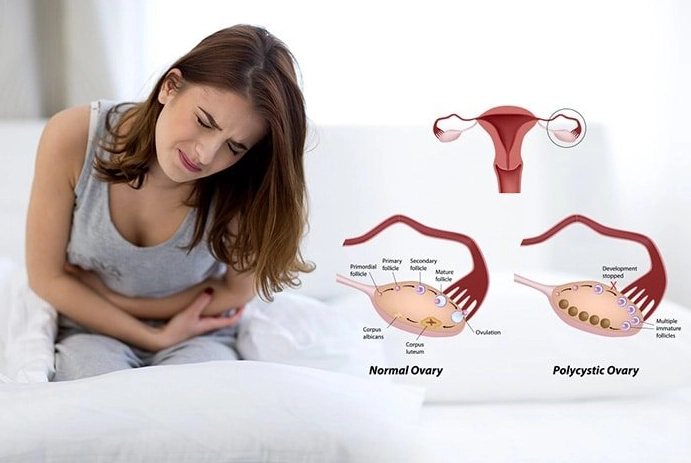
Other frequent issues include polycystic ovary syndrome (PCOS), which affects metabolism and fertility, and endometriosis, a painful condition where tissue similar to the uterine lining grows outside the uterus. Both are often under-diagnosed for years because symptoms like irregular periods or severe cramps are dismissed as "normal." They're not.
A Note on Screening: Don't just follow generic guidelines blindly. If you have a strong family history of breast or ovarian cancer, talk to your doctor about starting mammograms or genetic counseling earlier. Your personal risk profile matters more than a calendar.
The Autoimmune Disparity: Why Women's Immune Systems Turn
This is a massive, often overlooked area. About 80% of people with autoimmune diseases are women. Conditions like lupus, rheumatoid arthritis, multiple sclerosis, and Hashimoto's thyroiditis are far more common in females.
Researchers think it comes down to the complexity of the female immune system. Women generally have stronger immune responses (which is beneficial for fighting infection and during pregnancy), but this heightened system also has a greater tendency to malfunction and attack the body's own tissues. Hormones, particularly estrogen, and genetic factors on the X chromosome are key players.
The symptoms are vague and overlapping—fatigue, joint pain, low-grade fever—which leads to the infamous "diagnosis odyssey" where patients see multiple doctors over years. If you have a collection of unexplained symptoms that come and go, don't stop pushing for answers. Seeing a rheumatologist can be a crucial step.
Mental Health: The Invisible but Pervasive Common Condition
We can't talk about common diseases without addressing mental health. Women are nearly twice as likely as men to be diagnosed with depression and anxiety disorders. This isn't about being "emotional." It's biology, psychology, and social pressure colliding.
Hormonal fluctuations across the menstrual cycle, postpartum period, and perimenopause can directly impact brain chemistry. Societally, women still carry a disproportionate burden of domestic labor and emotional labor, leading to chronic stress. Trauma also plays a significant role. Treating mental health conditions is just as critical as treating physical ones. Therapy, medication, lifestyle changes—they're all valid tools.
Practical Prevention Strategies That Actually Move the Needle
Information is useless without action. Here’s where you can focus your energy for the biggest return on investment for your health.
- Move Your Body, Your Way: You don't need a marathon. Aim for 150 minutes of moderate activity (brisk walking, cycling) per week. Strength training twice a week is non-negotiable for bone density and metabolic health as you age.
- Eat for Your Heart and Gut: A Mediterranean-style diet is the gold standard for a reason. Load up on plants (fruits, veggies, legumes), choose whole grains, use healthy fats (olive oil, nuts, avocado), and eat fish regularly. Limit processed meats, sugary drinks, and ultra-processed snacks.
- Sleep is Not a Luxury: Chronic sleep deprivation (less than 7 hours regularly) wreaks havoc on hormones, increases inflammation, and is linked to weight gain and heart disease. Prioritize it.
- Build Your Medical Team: Have a primary care doctor you trust. See a gynecologist regularly. Don't be afraid to seek specialists (cardiologist, rheumatologist, endocrinologist) if you have specific risks or symptoms. You are the CEO of your health.
- Manage Stress, Don't Just Endure It: Find what decompresses you—mindfulness, gardening, reading, time with friends—and schedule it like an important meeting.
Prevention isn't about perfection. It's about consistent, small choices that add up over decades.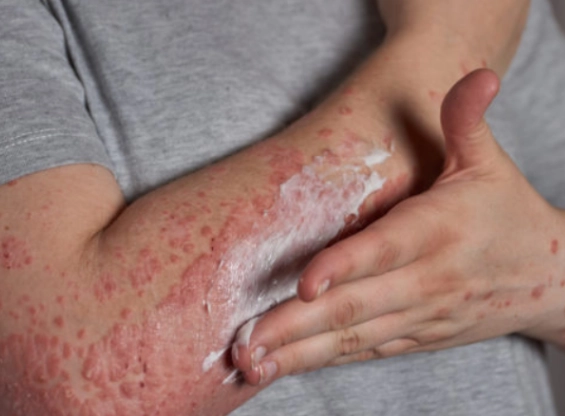
Your Questions, Answered
Is breast cancer still the most common cancer in women?
Yes, it remains the most commonly diagnosed cancer globally. However, lung cancer is the leading cause of cancer death in women. The key takeaway is that while breast cancer is highly prevalent and deserves attention through screening and awareness, cardiovascular disease is a far greater overall threat to women's lives than all cancers combined.
Why are autoimmune diseases so much more common in women?
The leading theory points to the female immune system's evolutionary strength becoming a vulnerability. Women have more robust immune responses to protect against pathogens and support pregnancy. This heightened system, influenced by sex hormones like estrogen and genetic factors related to the X chromosome, is more prone to becoming overactive and mistakenly attacking the body's own tissues, leading to autoimmune conditions.
I'm in my 30s and healthy. Should I really be worried about heart disease now?
Worried? No. Proactive? Absolutely. The plaque that causes heart attacks starts building up silently in your 20s and 30s. Now is the perfect time to establish healthy habits—eating well, exercising, not smoking, managing stress—that will protect your arteries for decades. Get a baseline check of your blood pressure, cholesterol, and blood sugar. Think of it as building a health savings account for your future self.
What's one screening test every woman should get, regardless of age?
Blood pressure check. It's simple, fast, and painless. High blood pressure is a silent killer that significantly increases your risk for heart disease, stroke, and kidney failure. You can get it checked at most pharmacies, doctor's offices, or even with a home monitor. Knowing your number is the first step to managing it.
The landscape of common female diseases is broad, from the silent threat of heart disease to the life-altering impact of autoimmune conditions and mental health struggles. The common thread is that awareness, early action, and a focus on sustainable prevention are your most powerful tools. Don't wait for a symptom to become a crisis. Start the conversation with your doctor today, and make your long-term health a non-negotiable priority.



Leave a comment