Your Quick Guide
- What Exactly Is Telemedicine for Women, Anyway? (It's More Than Just a Video Call)
- The Good, The Bad, and The Practical: Weighing It All Up
- When Telemedicine Shines for Women's Health (And When It Doesn't)
- Your Step-by-Step Guide to Trying Telemedicine for Women
- Navigating Privacy, Security, and Your Data
- Answering Your Burning Questions (The FAQ Section)
- The Future Is Hybrid: Blending Virtual and In-Person Care
Let's be real for a second. When was the last time you actually looked forward to a doctor's appointment? The scheduling back-and-forth, the commute, the waiting room filled with outdated magazines and other sick people, the whole song and dance just to ask a few questions or get a prescription refilled. It's a chore. A massive, time-sucking chore that often gets pushed to the bottom of a never-ending to-do list.
That's where the idea of telemedicine for women starts to look less like a tech gimmick and more like a lifeline. I remember trying it for the first time a few years back out of sheer desperation—I had a raging UTI on a Saturday, my regular clinic was closed, and the thought of sitting in an urgent care for three hours was a special kind of hell. Twenty minutes on a video call later, I had a prescription sent to my pharmacy. Mind. Blown.
But it's not just for emergencies. The landscape of women's telehealth has exploded, moving far beyond that initial "doc-in-a-box" model. We're talking about ongoing mental health support, managing chronic conditions like PCOS or endometriosis, birth control consultations, perimenopause guidance, and even some forms of preventative care. It's fundamentally changing how we access the healthcare we need, on our own terms.
What Exactly Is Telemedicine for Women, Anyway? (It's More Than Just a Video Call)
If you picture a grainy Skype call with a disinterested doctor, you're about five years behind. Modern telemedicine for women is a sophisticated ecosystem. Sure, the core is the synchronous visit—the live video or phone call with a licensed healthcare provider. This is perfect for discussing new symptoms, reviewing test results, or getting advice on a minor illness.
But then there's asynchronous care, often called "e-visits" or "messaging." You answer a detailed questionnaire about your health concern (say, a recurring yeast infection or a request for birth control), a provider reviews it within a few hours, and sends a treatment plan or prescription if appropriate. No scheduling needed. You do it on your lunch break.
There's also remote patient monitoring. Think of a woman with gestational diabetes uploading her blood sugar readings through an app for her OB-GYN to track, or someone with hypertension using a connected blood pressure cuff. The data flows seamlessly to the care team, allowing for proactive adjustments.
And let's not forget the sheer variety of specialists now available virtually. It's not just general practitioners anymore. You can find:
- Telehealth psychiatrists and therapists for anxiety, depression, PTSD, and postpartum mental health. The privacy of being in your own home can make it easier to open up.
- Online dermatologists for acne, rosacea, rashes, and even some skin cancer screenings (though they'll tell you straight up if you need an in-person biopsy).
- Virtual nutritionists and dietitians to help with everything from intuitive eating to managing IBS or diabetes.
- Endocrinologists for thyroid management and hormonal issues.
- And of course, a growing number of OB-GYNs and certified nurse-midwives offering virtual prenatal check-ins, postpartum support, family planning, and menopause management.
The Good, The Bad, and The Practical: Weighing It All Up
Let's not paint an overly rosy picture. Telemedicine isn't a magic wand. It has limitations, and being aware of them is key to using it safely and effectively. Here’s my take, based on both personal use and a lot of research.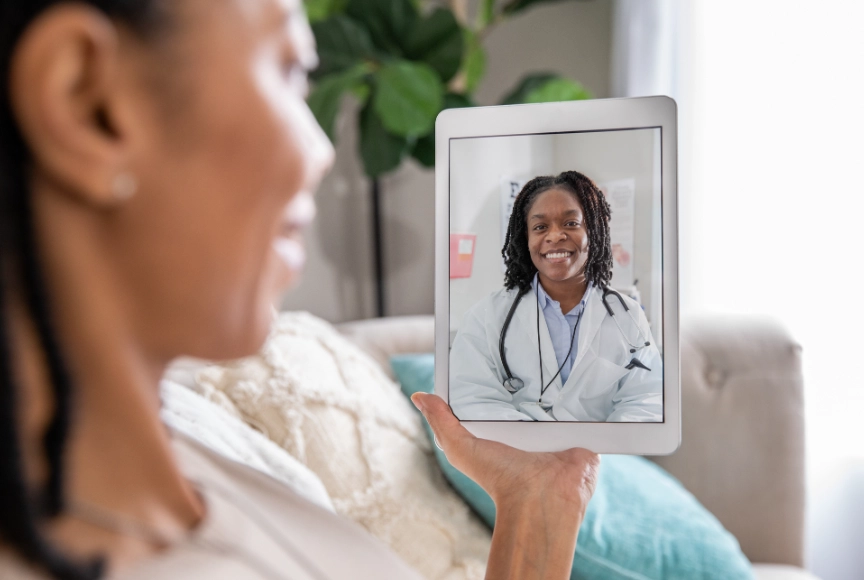
Why You Might Love It (The Pros)
Convenience is king. This is the big one. Appointments can happen during a work-from-home lunch hour, after the kids are in bed, or on a weekend. No travel, no parking fees, no waiting rooms.
Expanded access. If you live in a rural area with few specialists, telemedicine for women can be a game-changer. You can connect with a top endocrinologist or mental health provider in a major city without leaving your town. It also helps if you have mobility issues or lack reliable transportation.
Increased privacy and reduced stigma. Seeking help for issues like sexual health, urinary incontinence, or mental health can feel intensely private. Doing so from your living room lowers the barrier significantly.
Continuity of care. Good platforms allow you to see the same provider for follow-ups, building a relationship over time. It’s not always a random doctor.
Often more affordable. Virtual visits typically cost less than in-person appointments, even with insurance. Many services also offer transparent flat-rate fees for uninsured patients.
Where It Stumbles (The Cons & Cautions)
Technology barriers. You need a reliable internet connection, a device with a camera and microphone, and a basic level of tech comfort. This can exclude some populations, particularly older women.
Not for emergencies. This should be obvious, but it bears repeating: chest pain, severe abdominal pain, shortness of breath, heavy bleeding, thoughts of harming yourself—these require an ER or urgent in-person care, not a video chat.
Insurance and licensing maze. It can be confusing. Providers must be licensed in the state where you are physically located during the visit. Insurance coverage varies wildly—some plans cover it fully, others have high copays, some don't cover specific platforms. Always check first.
Fragmented care. If you use a standalone telemedicine for women app that isn't connected to your primary care doctor's office, your medical records might not be shared. This can lead to duplicate tests or missed interactions between medications.
See? It's a mixed bag. The trick is knowing when to use it and when to insist on an in-person visit.
When Telemedicine Shines for Women's Health (And When It Doesn't)
Let's get specific. Based on guidelines from major health bodies like the American College of Obstetricians and Gynecologists (ACOG), here’s a practical breakdown.
ACOG has been pretty supportive of telehealth, noting its potential to improve access and outcomes, especially for underserved groups. They emphasize it's a tool to enhance, not replace, the traditional patient-doctor relationship.
| Health Concern | Great for Telemedicine | Not Ideal / Needs In-Person Visit |
|---|---|---|
| Birth Control & Family Planning | Consultations for new methods, refills of existing prescriptions (like the pill, patch, ring), discussions about IUD/Implant removal timing, pre-conception counseling. | Initial IUD or implant insertion/removal, sterilization procedures. |
| Mental Health | Ongoing therapy (CBT, talk therapy), medication management for stable conditions, postpartum depression/anxiety support. | Initial complex psychiatric diagnosis, crisis intervention for active suicidal ideation. |
| Urinary & Yeast Infections | Follow-up for recurrent, known UTIs in low-risk patients; treatment for uncomplicated yeast infections based on symptoms. | First-time UTI (to confirm diagnosis), suspected kidney infection (flank pain, fever), recurrent infections needing a full work-up. |
| Menopause & Perimenopause | Symptom management discussions (hot flashes, sleep, mood), HRT consultations and prescription management, lifestyle advice. | Initial diagnosis of menopause if periods are irregular, evaluation for abnormal bleeding. |
| Skin Conditions | Follow-up on diagnosed conditions like acne, eczema, psoriasis; assessment of rashes, moles (for changes), mild sunburn. | Evaluation of a new changing mole for potential skin cancer (needs dermatoscope), treatment of severe infections. |
| Chronic Condition Management | Medication refills and adjustments for stable conditions like hypothyroidism, hypertension, migraines; reviewing home monitoring data (blood pressure, glucose). | Initial diagnosis of a complex chronic condition, managing unstable or worsening symptoms. |
Your Step-by-Step Guide to Trying Telemedicine for Women
Feeling ready to give it a shot? Here's how to navigate your first foray into women's telehealth without the headaches.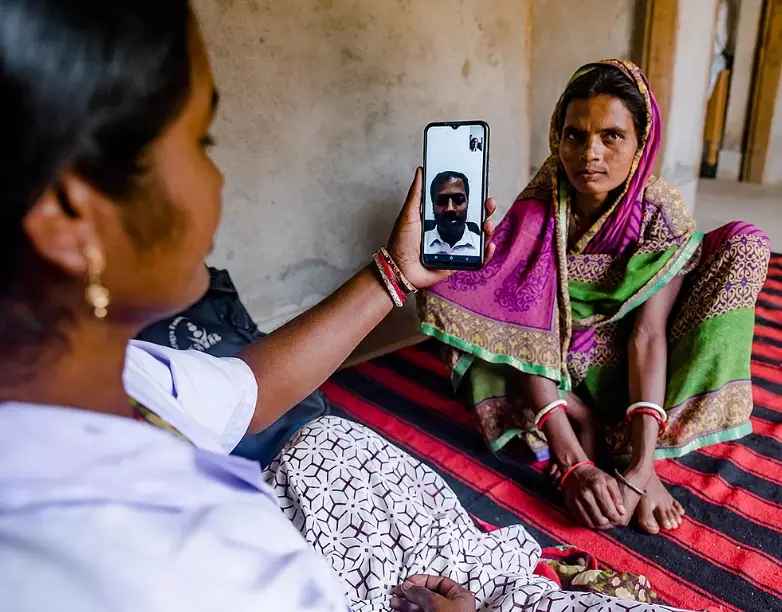
Step 1: Figure Out Your Path
You generally have two main avenues:
- Your Existing Doctor/Hospital System: Check their website or call. Many now offer telehealth visits directly through their patient portal (like MyChart). This is often the BEST option as it keeps all your care in one record.
- A Dedicated Telehealth Platform: Companies like Teladoc, Amwell, MDLive, or women-focused ones like Maven or Nurx. These are standalone apps/websites where you create an account and see a provider from their network.
Step 2: Do Your Homework (The Boring but Essential Part)
Before you book, investigate:
- Credentials: Are the providers board-certified physicians, nurse practitioners, or what? What are their specialties?
- Cost: What's the cash price? What's the copay with your insurance? Is there a subscription fee?
- State Licensing: Does the service explicitly state its providers are licensed in YOUR state?
- Prescription Policies: Can they prescribe what you need? Most can prescribe routine meds, but controlled substances (like certain ADHD or anxiety meds) have strict federal and state rules, and many virtual providers won't prescribe them at all.
Step 3: Prepare for Your Visit Like a Pro
This makes a huge difference in quality.
- Tech Check: Download the app or software ahead of time. Test your camera, microphone, and internet speed. Find a quiet, private, well-lit spot.
- Symptom Notes: Write down your main concern, symptoms (when they started, what makes them better/worse), any allergies, and current medications.
- Vitals: If you have a home thermometer, blood pressure cuff, or scale, have those readings ready.
- Questions: List your questions so you don't forget in the moment.
The visit itself usually feels surprisingly normal after the first minute. The provider will guide the conversation.
Step 4: Understand the After-Visit Process
Will they send a summary to you (and to your primary doctor, if you authorized it)? Where will prescriptions be sent? What are the follow-up instructions—when should you check back in, and what symptoms mean you should seek in-person care immediately?
Get this clarity before you log off.
Navigating Privacy, Security, and Your Data
This is a huge, legitimate concern. You're sharing intimate health details over the internet. What happens to that data?
Reputable telemedicine for women services are bound by HIPAA (the Health Insurance Portability and Accountability Act), just like your brick-and-mortar doctor's office. This means they must use encrypted, secure platforms for video calls and messaging, and they have strict rules about how they can use and share your protected health information.
But you have to do your part. Don't do a telehealth visit on public Wi-Fi at a coffee shop. Use a private room. Be wary of services that seem overly focused on collecting marketing data or have vague privacy policies.
The U.S. Department of Health & Human Services (HHS) website has clear resources on your HIPAA rights. A key one: you can ask any provider—virtual or in-person—for a copy of their "Notice of Privacy Practices" that explains how they use your data.
It's also worth checking if a platform is independently audited for security. Look for mentions of HITRUST or SOC 2 compliance on their website—it's a sign they take data protection seriously.
Answering Your Burning Questions (The FAQ Section)
The Future Is Hybrid: Blending Virtual and In-Person Care
This is the most important takeaway. Telemedicine for women isn't an all-or-nothing proposition. The future of thoughtful healthcare is a blended, flexible model.
Imagine this: You have a chronic condition like PCOS. You see your endocrinologist in person once a year for a comprehensive exam and necessary tests. But your quarterly check-ins to adjust medication or discuss symptoms? Those happen virtually, saving you time and stress. Your therapist sees you virtually every other week, but you know you can schedule an in-person session if you're going through a particularly tough time and need that different connection.
The goal is to use each tool for what it's best at. Use telemedicine for convenience, continuity, and access. Use in-person care for hands-on exams, procedures, and complex diagnostics.
The U.S. Food and Drug Administration (FDA) is even involved, regulating an increasing number of "digital health" tools like apps and devices that feed data into these virtual care models, making them richer and more data-driven.
So, where do you start? Pick one thing. Maybe it's that therapist you've been putting off finding because their office is across town. Maybe it's getting your birth control refilled without a pharmacy runaround next month. Maybe it's just asking your current doctor at your next appointment, "Do you offer telehealth visits for follow-ups?"
Dip a toe in. See how it feels. You might just find that taking care of your health becomes a little less of a chore and a little more something you can actually fit into your life.
And honestly, isn't that what we all need?




Leave a comment