Your Quick Guide
Let's talk about yoga. Not just any yoga, but yoga for women. You've probably heard a million times that it's good for you, right? But sometimes it feels like the advice is too generic. What does it really do for a woman's body and mind, especially when our lives have such distinct chapters? I remember first stepping onto a mat years ago, thinking it was just about stretching. Boy, was I wrong. It became something else entirely—a tool, a refuge, a way to understand my own rhythms.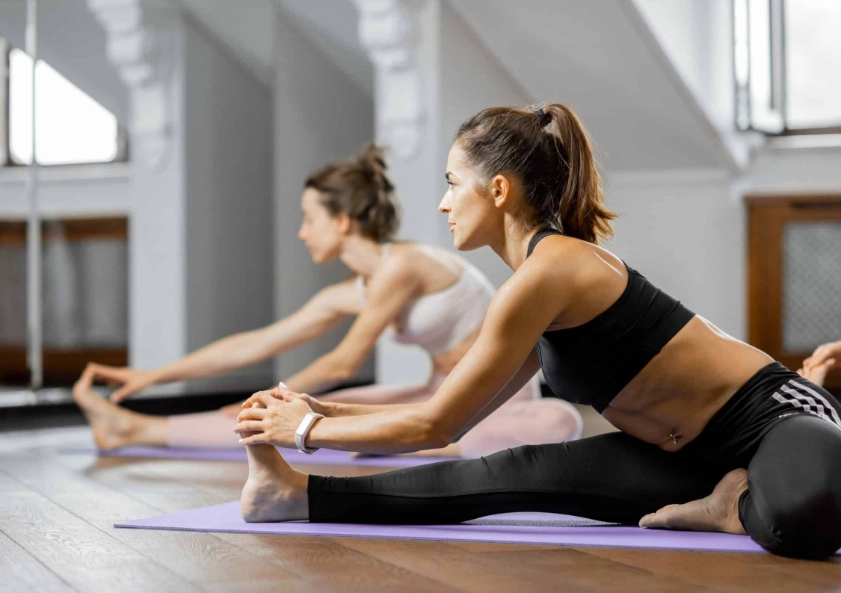
This isn't about achieving a perfect Instagram pose. Far from it. This is about findinga practice that fits you, whether you're dealing with monthly cramps, navigating pregnancy, managing career stress, or looking for strength in your later years. The beauty of yoga for women is that it adapts. It's not one-size-fits-all.
So, if you've ever felt intimidated, confused about where to start, or wondered if it's worth the time, you're in the right place. We're going to break it all down, without the fluff.
Why Yoga Hits Different for Women
Men and women are built differently—hormonally, structurally, emotionally. A yoga practice that acknowledges that just makes more sense. The traditional systems of yoga are incredible, but applying them with a female lens changes the game.
Think about our life cycle: puberty, menstruation, potential pregnancy and postpartum, perimenopause, menopause. Each phase brings its own physical and hormonal shifts. Yoga offers a way to navigate these changes from the inside out, promoting balance rather than fighting against your body.
Here's the core idea: Yoga for women isn't a separate style. It's an approach. It's the intention behind the practice. It means choosing poses and rhythms that support female physiology, not strain it. It emphasizes pelvic floor health, hormonal balance, joint mobility, and stress management in ways that resonate with our experiences.
On a purely physical level, women tend to have greater flexibility (thanks, relaxin hormone!) but sometimes less natural upper body strength than men. A smart yoga practice for women builds strength where it's needed—like the back, shoulders, and core—while also respecting our generally more mobile joints to avoid overstretching.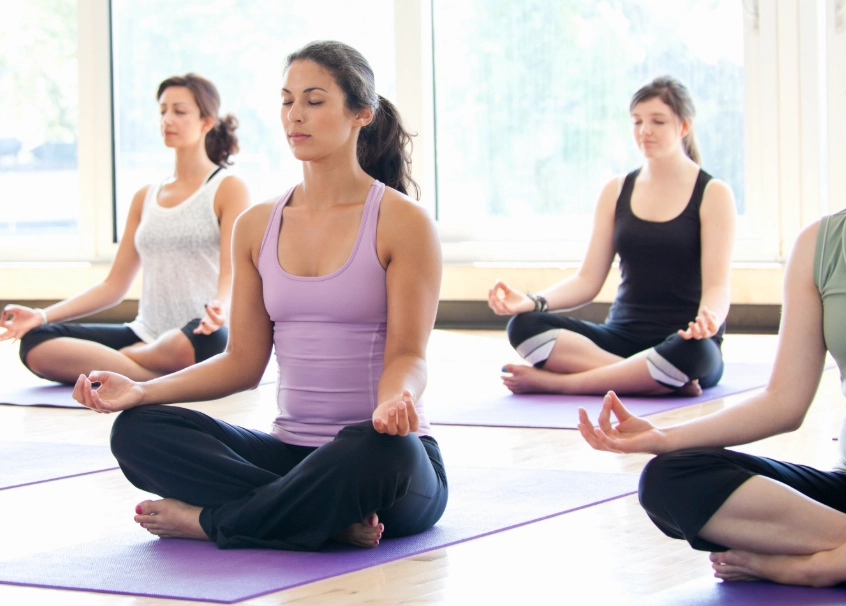
Then there's the mental and emotional stuff. Let's be honest, women often carry a different kind of mental load. Yoga's focus on breath awareness and mindfulness can be a powerful antidote to the constant multitasking and worry. It teaches you to pause. That skill alone is priceless.
The Physical Benefits: More Than Just Flexibility
Everyone knows yoga makes you flexible. But for women, the benefits go much deeper.
- Hormonal Harmony: Certain poses and specific types of yoga, like restorative or yin, can help downregulate the nervous system. When you lower chronic stress (and the cortisol that comes with it), you create a better environment for other hormones like estrogen and progesterone to find their balance. It's not a magic fix for conditions like PCOS or endometriosis, but many women, myself included, find it helps manage symptoms like bloating and mood swings. The research is promising, too. A review published by the National Institutes of Health (NIH) suggests yoga can have a positive modulating effect on the endocrine system.
- Pelvic Floor Power: This is huge and often overlooked. The pelvic floor is like a hammock of muscles supporting your bladder, uterus, and bowels. Pregnancy, childbirth, aging, and even high-impact exercise can weaken it. Yoga for women consciously incorporates awareness and gentle engagement of these muscles in poses like Bridge (Setu Bandhasana) and Goddess (Utkata Konasana). It's about learning to both engage and, crucially, fully relax this area, which is vital for core stability and preventing issues like incontinence.
- Bone Health: As women age, the risk of osteoporosis increases. Weight-bearing yoga poses—where you support your own body weight—are fantastic for building bone density. Think Warrior poses, balancing poses, even Downward Dog. It's low-impact strength training.
- Joint Care: Women are more prone to issues like hypermobility and arthritis. A mindful yoga practice emphasizes stability and alignment over extreme range of motion, which helps protect the joints. It's about finding the "edge" without pushing past it.
The Mental & Emotional Reset
This is where yoga for women truly shines, in my opinion. The physical part is great, but the mental shift is what keeps people coming back.
You learn to listen. Not to an instructor's commands blindly, but to the quiet signals from your own body. Is today a day for energizing movement or deep rest? That internal check-in is a radical act of self-care in a world that constantly tells women to ignore their needs and push harder.
It builds a different kind of resilience. Not the grit-your-teeth kind, but the kind that comes from knowing you have a centering practice to return to when life feels chaotic. The breath becomes an anchor. I can't tell you how many times a few minutes of simple breath awareness has pulled me back from the brink of anxiety or overwhelm.
There's also a growing sense of body acceptance. Yoga isn't about sculpting a "yoga body." It's about feeling the capability and intelligence of the body you have. That's a powerful message for any woman.
A quick personal aside: I used to hate my wider hips. They made buying pants a nightmare. In yoga, I learned that this same structure gives me incredible stability in standing poses. It reframed a "flaw" into a strength. That's the kind of perspective shift yoga can offer.
Okay, I'm Interested. How Do I Actually Start?
This is where most guides get vague. Let's get specific. Starting a yoga practice as a woman doesn't require a fancy wardrobe or a year's commitment. It just requires showing up.
First, let go of the idea that you need to be flexible. That's like saying you need to be clean to take a shower. Yoga is the process that creates flexibility (and strength).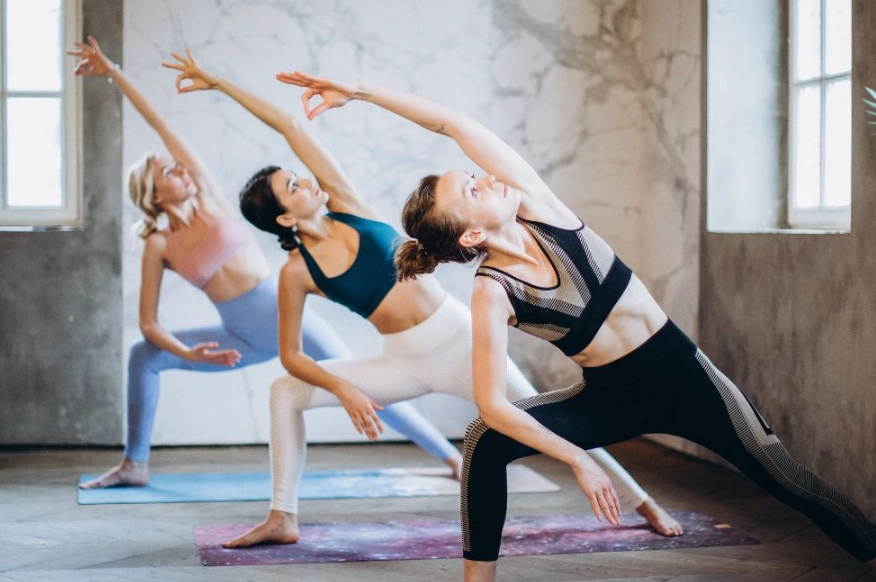
Find Your Entry Point:
- At Home: This is the lowest-pressure way to start. Websites like Yoga Journal have tons of free, beginner-friendly sequences. The key is to search specifically for "beginner yoga" or "gentle yoga." Avoid the advanced power flows on day one.
- In a Studio: Look for studios that offer "Beginner Series," "Foundations," or "Gentle" classes. Don't walk into a hot power vinyasa class as your first experience—it might turn you off for good. Call the studio and ask which class they recommend for absolute beginners.
- What You Need: A sticky yoga mat (a cheap one is fine to start), comfortable clothes that let you move, and maybe two yoga blocks and a strap. These props aren't cheating; they're tools that make poses accessible and safe. A folded blanket or firm pillow also works wonders.
Listen to Your Cycle: This is a game-changer for creating a sustainable yoga for women practice. Your energy fluctuates throughout the month. Tune into that.
- During your period (Days 1-5ish): Focus on rest. Restorative yoga, gentle forward folds, and supine twists can ease cramps and fatigue. Avoid intense inversions or strong core work. This is a time for introspection and release, not pushing.
- Follicular Phase (After period until ovulation): Energy builds. This is a great time for more dynamic, building practices like Vinyasa or Hatha flow. Try new poses, build strength.
- Ovulation (Mid-cycle): Peak energy! Go for your stronger, more playful practices. Challenge your balance, try arm balances if that's your thing.
- Luteal Phase (After ovulation until period): Energy starts to wane. Shift to more grounding, calming practices. Yin yoga, slow flow, and hip-opening poses can be wonderful as PMS symptoms may appear.
You don't have to follow this rigidly, but just noticing the pattern can help you be kinder to yourself and avoid frustration when you feel "off."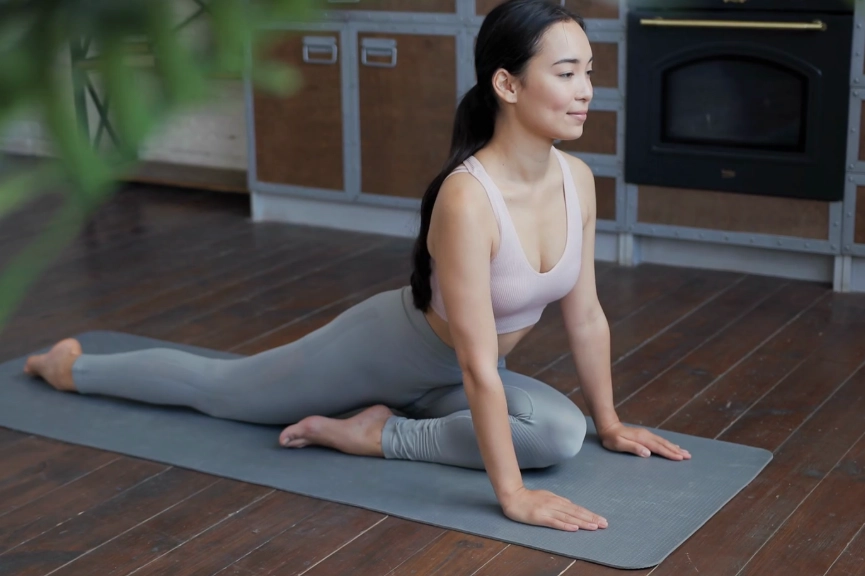
Yoga Through a Woman's Life Stages
This is where a tailored approach to yoga for women becomes essential. The practice that served you at 25 might need tweaking at 35, 45, or 65.
| Life Stage | Focus & Priorities | Recommended Poses & Practices | What to Be Cautious About |
|---|---|---|---|
| Teens & 20s | Building body awareness, managing stress (academic/career), establishing a positive body image, cultivating healthy habits. | Vinyasa flow for energy, basic Hatha for foundation, balance poses for focus. Yoga can be a great social activity here. | Overdoing it due to high energy/flexibility. Avoid comparing yourself to Instagram yogis. Focus on form, not depth. |
| 30s & 40s (Preconception, Pregnancy, Postpartum) | Hormonal balance, core/pelvic floor strength, stress management (career/family), preparing for or recovering from pregnancy. | Preconception/Pregnancy: Prenatal yoga classes (a must!), gentle strengthening, hip openers. Postpartum: Very gentle restoration (only after doctor's clearance), focus on reconnecting with deep core and pelvic floor. | Pregnancy: Avoid deep twists, intense backbends, lying flat on back after 1st trimester, hot yoga. Always consult a prenatal-specific instructor and your doctor. |
| Perimenopause & Menopause | Managing symptoms (hot flashes, sleep issues, anxiety), maintaining bone density, supporting joint health, combating stress. | Cooling practices for hot flashes (restorative, gentle flow). Weight-bearing poses for bones (Warriors, balances). Stress-relief focus (legs-up-the-wall, meditation). | Pushing through fatigue. This is a time for listening deeply. Overheating in hot rooms. Be extra mindful of joints. |
| Post-Menopause & Beyond | Balance (fall prevention), maintaining mobility, spinal health, community and mental sharpness. | Chair yoga is fantastic. Gentle Hatha, Iyengar (prop-focused). Seated and standing balance poses (with chair support). Focus on range of motion and stability. | High-impact flows, jumping, deep floor work that's hard to get up from. Prioritize safety and comfort above all. |
See? It's not static. Your practice grows with you. I've seen women in their 70s in my gentle class who have more mindful movement than some 20-year-olds. It's about the quality of attention, not the acrobatics.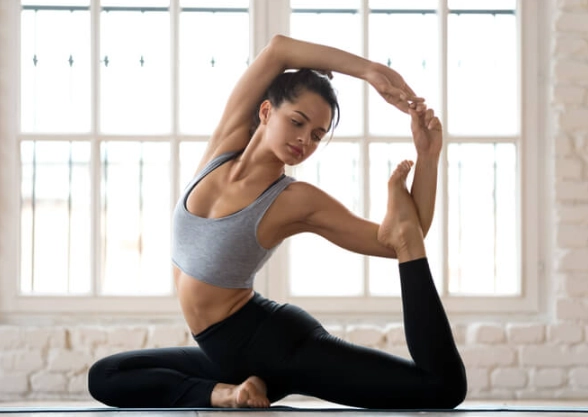
A Deep Dive into Yoga Styles: Which One is for You?
Walking into a studio and seeing "Vinyasa," "Hatha," "Yin," "Restorative" can be confusing. They're all yoga, but the feel is totally different. Choosing the right one makes all the difference in enjoying your journey into yoga for women.
| Style | Pace & Intensity | Best For Women Who... | A Note of Caution |
|---|---|---|---|
| Hatha | Slow to medium. Focus on holding individual poses with alignment cues. | Are absolute beginners. Want to learn the fundamentals of each pose properly. Prefer a slower, more instructional pace. | Can feel slow if you're craving a cardio element. Perfect for building a solid foundation. |
| Vinyasa/Flow | Medium to fast. Poses are linked with breath in a continuous "flow." | Want a more dynamic, sweat-inducing practice. Like variety and movement as meditation. Have some basic familiarity with poses. | Easy to get lost or push too hard if you're new. Tell the instructor you're new and take breaks in Child's Pose. |
| Iyengar | Slow. Extreme focus on precise anatomical alignment. Uses many props (blocks, straps, blankets, chairs). | Are recovering from injury. Are detail-oriented. Want to understand the mechanics of poses deeply. Great for all ages and stages. | Less focus on flowing movement, more on static precision. Can feel very technical. |
| Yin | Very slow. Poses are held passively for 3-5 minutes to target connective tissues (fascia, ligaments). | Need deep release. Are very stressed or anxious. Have tight hips, hamstrings, back. Want to practice mindfulness and patience. | Not about stretching muscles. Requires surrendering, not effort. Can be intense emotionally as you sit with stillness. |
| Restorative | Extremely slow and passive. Fully supported poses held for 5-10+ minutes. | Are exhausted, burnt out, or ill. Are in their menstrual phase. Need to downregulate the nervous system. Anyone needing deep, active rest. | You might fall asleep! It's not "active" yoga. The goal is complete relaxation, which can be surprisingly challenging. |
| Prenatal | Gentle and adaptive. Specifically designed for each trimester of pregnancy. | Pregnant women (with doctor's approval). Focuses on pelvic floor, breathwork for labor, relieving common aches, and community. | Must be a class specifically labeled for pregnancy. Do not take a regular class and just modify—the intentions are different. |
My advice? Try a few. You might love the energy of a Vinyasa class one day and crave the deep stillness of a Yin class the next. A well-rounded yoga for women practice often includes a mix.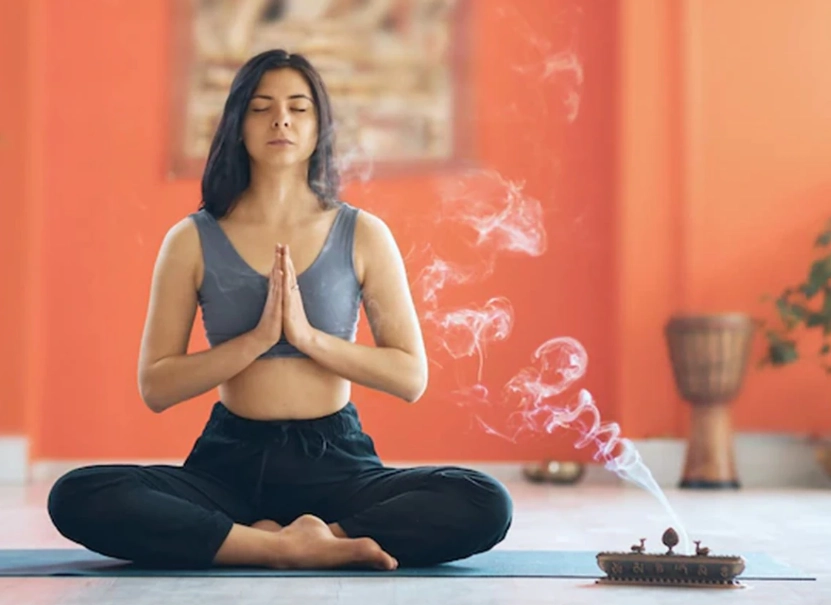
I used to think restorative yoga was a waste of time. "I'm not even doing anything!" I'd think. Then I went through a period of intense work stress and insomnia. A restorative class saved me. It taught me that "doing nothing" with intention is a profound skill. Now, it's a non-negotiable part of my month.
Answering Your Real Questions (FAQ)
Let's get to the stuff you're actually typing into Google.
Is yoga safe for women during their period?
Yes, absolutely—and it can be incredibly helpful. The key is to adapt. Focus on gentle, restorative, and forward-folding poses that can ease cramps. Avoid intense inversions like full Headstand or Shoulderstand, as the traditional view is to not disrupt the natural downward flow (apana vayu). Some modern teachers disagree, but if you're new, it's a simple guideline to follow. Listen to your body; if you're exhausted, rest.
I'm not flexible at all. Can I still do yoga?
This is the #1 question. YES. A thousand times yes. Flexibility is a result of yoga, not a prerequisite. A good teacher will offer modifications with blocks and straps. Your pose might look different from the person next to you, and that's perfect. Yoga meets you where you are.
How often should I practice to see benefits?
Consistency beats duration. A mindful 20-minute practice 3 times a week is far better than a grueling 90-minute session once a month. Start with what feels manageable—even 10 minutes a day. The benefits of yoga for women, like better sleep, less anxiety, and improved mobility, can be felt quite quickly with regular practice.
Can yoga help with weight loss?
It's complicated. Vigorous styles like Vinyasa or Power Yoga can certainly contribute to calorie burn and muscle building. But yoga's greater power for weight management often lies off the mat. It cultivates mindfulness, which can lead to more intuitive eating. It reduces stress, which is linked to belly fat. It helps you connect to your body's hunger and fullness signals. So, it might not be the fastest weight-loss tool, but it can be one of the most sustainable for creating a healthy relationship with your body.
What's the deal with yoga and pelvic floor health?
This is critical. A mindful yoga practice teaches you to be aware of your pelvic floor—to engage it gently on an exhale during poses like Bridge or Cat pose, and to fully release it. This conscious engagement and release is key for strength and health. However, some high-intensity yoga with lots of jumping (like in some Ashtanga classes) can be hard on the pelvic floor, especially postpartum. If you have concerns (like leaking when you jump or sneeze), seek out a yoga therapist or instructor trained in pelvic floor health. Organizations like the Herman & Wallace Pelvic Rehabilitation Institute are great resources for finding specialists.
I'm pregnant. When can I start prenatal yoga?
Usually after the first trimester (12-14 weeks), once you've had your first prenatal check-up and gotten the all-clear from your doctor or midwife. It is essential to join a class specifically for prenatal yoga. The instructor will be trained in the necessary modifications and contraindications for each trimester. It's a wonderful way to prepare your body and mind for birth and connect with other expecting mothers.
Building a Practice That Lasts
So you've started. How do you make it stick? How do you make yoga for women a part of your life, not just a phase?
First, release the "all or nothing" mindset. Missed a week? No big deal. Just get back on the mat. A 5-minute stretch while waiting for the kettle to boil counts.
Find your "why." Is it to feel less anxious? To have a stronger back? To find five minutes of peace in your day? Keep that reason close. When motivation dips, remember the feeling you're aiming for, not just the poses.
Create a tiny ritual. Maybe it's rolling out your mat in the morning sunlight, or lighting a candle before an evening practice. This signals to your brain that it's yoga time.
Don't be afraid to explore. Follow different teachers online. Try a new studio. Your needs will change, and your practice can too.
The goal of yoga is not to tie yourself in knots. It's to untie the knots in your heart, mind, and body. The poses are just the method.
Finally, be patient and kind to yourself. This is a lifelong journey. Some days your balance will be rock solid, other days you'll wobble. Some days your mind will be calm, other days it will chatter through the entire session. It's all part of it. The simple act of showing up for yourself, on your mat, is the real practice of yoga for women.
It's not about perfection. It's about presence. And that's something every woman can benefit from.



Leave a comment