Your Quick Guide
Let's be real for a second. The first time I walked into the grocery store looking for dairy-free alternatives, I just stood there, staring. The plant-based milk aisle wasn't an aisle anymore; it was a wall of cartons screaming things like "barista blend," "extra creamy," and "original unsweetened." Almond, oat, soy, pea, cashew, hemp, coconut, rice... it was overwhelming. And that was just the milk. Then you've got cheese that sometimes melts like plastic and yogurt that can taste like sweetened chalk.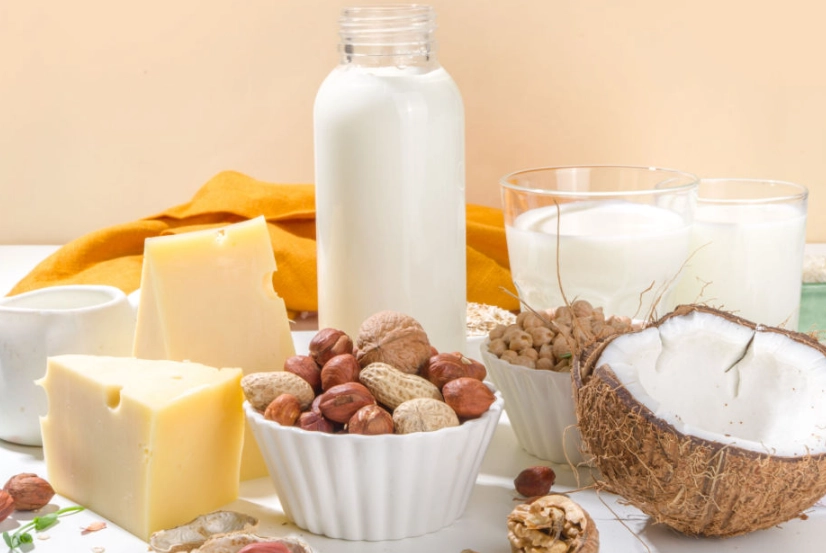
But here's the thing. It's 2024, and the landscape has changed. Dramatically. What started as a niche market for the lactose-intolerant or vegan has exploded into a mainstream culinary movement. The quality? It's lightyears ahead of where it was even five years ago. The trick is knowing what to look for, what to avoid, and how to match the right product to your specific need—whether that's a milk allergy, lactose intolerance, ethical choice, or just curiosity.
This guide is the one I wish I had. We're going to move beyond the hype and the marketing buzzwords. We'll dig into the actual pros and cons of each option, talk about nutrition (without getting boring), share some honest taste-test opinions (I've suffered through some bad ones so you don't have to), and answer the questions that pop up when you're actually trying to cook, bake, or just pour something over your cereal.
Why Go Dairy-Free Anyway? It's Not One-Size-Fits-All
Before we dive into the sea of alternatives, let's talk about the "why." People choose dairy-free paths for different reasons, and your reason will heavily influence which alternatives are your best bet.
Lactose Intolerance is the big one. It's when your body doesn't produce enough lactase enzyme to digest lactose, the sugar in milk. The result? Bloating, gas, cramps—not fun. For this group, the goal is simply to avoid lactose. Some dairy-free alternatives are perfect, but there are also lactose-free dairy products (real dairy with the lactose pre-broken down).
Milk Allergy is a different, more serious beast. This is an immune response to the proteins in milk, usually casein or whey. Reactions can range from hives to life-threatening anaphylaxis. For folks with a milk allergy, strict avoidance of all dairy and a focus on truly plant-based dairy-free alternatives is non-negotiable. Always check labels for cross-contamination warnings. The U.S. Food and Drug Administration (FDA) provides clear guidance on food allergen labeling, which is crucial reading.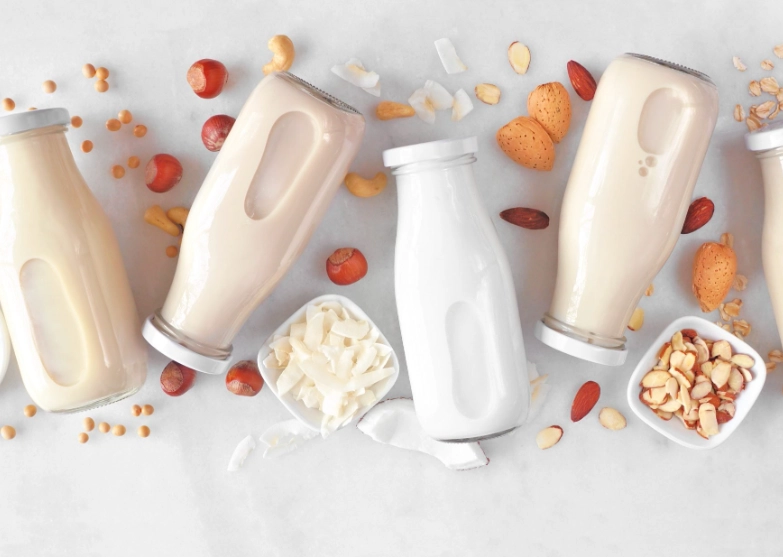
Then there are the lifestyle and ethical choices. Veganism, concerns about animal welfare, or the environmental impact of dairy farming (it's water and resource-intensive) lead many to seek plant-based options. The taste and culinary experience are often just as important as the ethics here.
And some people just feel better—less bloated, clearer skin—when they reduce or eliminate dairy. It's highly individual.
The Main Event: A Deep Dive into Dairy-Free Alternatives
This is where we get into the meat (or, well, the plants) of it. We'll break it down category by category. I'll give you the straight talk on taste, texture, nutrition, and best uses.
The Milk Aisle Showdown: Plant-Based Milks Compared
You've got options. So many options. But they're not all created equal. The base ingredient changes everything—the flavor, the nutrient profile, how it behaves in coffee, and how it works in a sauce.
| Alternative Milk | Base Ingredient | Best For | Watch Out For | My Personal Take |
|---|---|---|---|---|
| Almond Milk | Almonds, water | Cereal, smoothies, drinking straight (unsweetened). Low in calories. | Very low in protein. Can be watery. Often has added thickeners. | The classic. It's fine. A bit bland for my taste now, but a safe, inoffensive start. |
| Oat Milk | Oats, water | Coffee (it's creamy and froths beautifully), baking, sauces. Slightly sweet flavor. | Can be high in added sugars. Lower in protein than soy or pea. | The current champion for coffee. It has a natural creaminess that others lack. My go-to for lattes. |
| Soy Milk | Soybeans, water | All-purpose: cooking, baking, drinking. Nutritionally closest to cow's milk (protein!). | Some people avoid soy due to allergies or personal preference. Can have a "beany" taste in cheap versions. | The O.G. and still a nutritional powerhouse. Look for unsweetened, fortified brands. It's the most versatile. |
| Pea Protein Milk | Yellow peas | Those needing high protein, people with nut/soy allergies. Neutral taste. | Can be more expensive. Some brands have a distinct aftertaste. | A surprising winner. The texture is great, and the protein content is legit. Tastes cleaner than some soy milks. |
| Coconut Milk Beverage | Coconut cream, water | Curries, tropical smoothies, desserts. Adds rich flavor. | High in saturated fat. Distinct coconut taste that doesn't work in everything. | Not for your morning coffee (unless you love coconut). But for Thai food? Essential. The canned version is different—much thicker. |
| Cashew Milk | Cashews, water | Making creamy sauces, soups, or vegan "ricotta." Very smooth. | Like almond milk, low in protein. Can be pricey. | Incredibly creamy and luxurious. Makes the best dairy-free cream-based soups, but I don't buy it for everyday drinking. |
A critical note on fortification: Cow's milk is naturally rich in calcium, vitamin D, and B12. Most plant milks are not. The good news? Many brands are fortified to match or exceed dairy's levels. Always check the label for added calcium and vitamins D, B12, and sometimes riboflavin. If you're relying on these as primary dairy-free alternatives, fortified versions are a smart choice for nutritional peace of mind. The National Institutes of Health (NIH) has a great resource on calcium and its sources.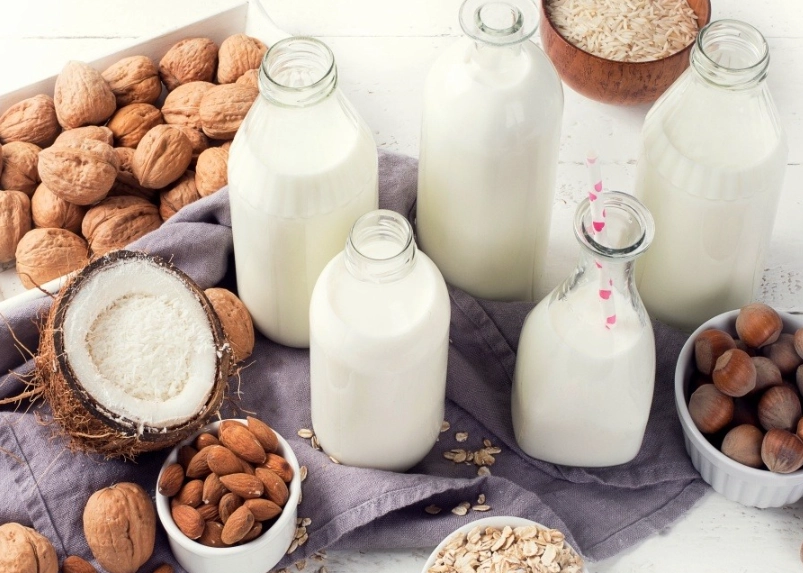
The Cheese Conundrum: Navigating Non-Dairy Cheese
This is the hardest category to get right. Early vegan cheeses were... not good. Rubbery, flavorless, and they refused to melt. They gave the whole category a bad name.
Thankfully, food science has come a long way. Modern brands use a mix of fats (like coconut oil, cocoa butter) and starches (tapioca, potato) to create melt and stretch. The flavor often comes from nutritional yeast, cultures, and natural flavors.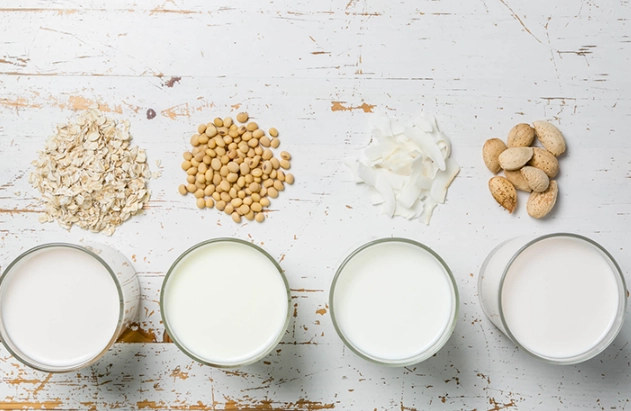
Here's a quick ranking based on my own (sometimes disappointing) fridge experiments:
- Top Tier (Actually Melts & Tastes Good): Look for brands that use cultured nuts (cashews, almonds) or aged methods. These often come in blocks or rounds at specialty stores. They can be pricey but are worth it for a cheese plate or special occasion. Some newer supermarket brands using potato and carrot for color are shockingly good on burgers.
- Mid Tier (Good for Specific Uses): Shredded "mozzarella" or "cheddar" style cheeses. They melt okay for pizzas, casseroles, and grilled cheeses, especially if you cover the dish to trap steam. Don't expect them to brown like dairy cheese. The flavor is mild but serviceable.
- Bottom Tier (Avoid if Possible): The super cheap, single-slice, plastic-wrapped varieties. They often have a strange aftertaste and a gummy, non-melting texture. I've made this mistake so you don't have to.
For spreading, nut-based "cheeses" (like almond or cashew cream cheese) are consistently delicious. For parmesan, a container of nutritional yeast or a blended mix of nuts, yeast, and salt works wonders on pasta.
Yogurt, Butter, Ice Cream & The Rest
The goodness doesn't stop at milk and cheese.
Yogurt: Coconut milk and soy milk make the best bases for dairy-free yogurt. Coconut yogurt is rich, tart, and fantastic with granola or in parfaits. Soy yogurt is usually higher in protein. Almond milk yogurt tends to be thin and runny—not my favorite. Always check for live active cultures if you want the probiotic benefits.
Butter: For spreading on toast, olive oil or avocado-based spreads are great. For baking and cooking, you want a plant-based butter that comes in sticks and has a high fat content. Brands like Miyoko's (cultured) or Earth Balance (more conventional) work beautifully for cookies and pie crusts. The U.S. Department of Agriculture (USDA) FoodData Central is a useful tool to compare the fat and nutrient profiles of different butter alternatives.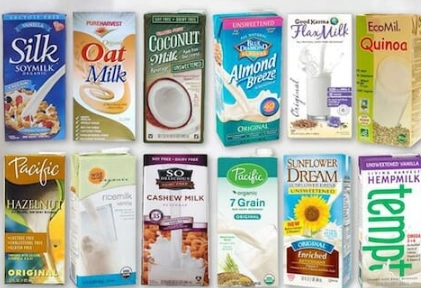
Ice Cream: This is a golden age for dairy-free desserts. The top contenders:
- Banana-based ("Nice Cream"): Blended frozen bananas. It's a whole food, simple, and surprisingly creamy.
- Coconut milk-based: Unbeatable richness and fat content. Makes for incredibly creamy, indulgent pints. The coconut flavor is often masked by chocolate or vanilla.
- Cashew or Almond milk-based: Lighter texture, more neutral flavor. Great for fruity or delicate flavors.
- Oat milk-based: The new player. Creamy and has a lovely, slightly malty flavor that pairs well with cookies and caramel.
Answering Your Burning Questions (The FAQ)
Let's tackle the common head-scratchers that come up when you're living the dairy-free life.
Are dairy-free alternatives actually healthier?
Not automatically. "Plant-based" doesn't equal "health food." It's a classic case of needing to read the label. A sugary, flavored oat milk or a coconut-based ice cream loaded with saturated fat and sugar isn't a health elixir. The health benefit comes from what you're avoiding (lactose, allergens, animal fats) and what you're choosing. An unsweetened, fortified soy milk is a fantastically healthy choice. A processed cheese slice with a long ingredient list? Less so. Focus on whole-food-based options with minimal added sugars and salts.
I'm worried about calcium and protein. How do I get enough?
This is a valid concern, especially for kids or those not eating a varied diet.
- Calcium: Choose fortified milks, yogurts, and juices. Other great non-dairy calcium sources include leafy greens (kale, collards), fortified tofu, almonds, tahini, and canned fish with bones (like sardines).
- Protein: Soy and pea milks are protein stars. Otherwise, don't rely on plant milk for protein. Get it from beans, lentils, tofu, tempeh, nuts, seeds, and whole grains.
Why is some dairy-free cheese so expensive?
You're paying for niche production, often smaller-scale manufacturing, and expensive ingredients (cashews, coconut oil). As demand grows, prices are slowly coming down. For cheaper options, learn to make simple versions at home—a nacho cheese sauce from potatoes and carrots or a parmesan from walnuts and nutritional yeast costs pennies.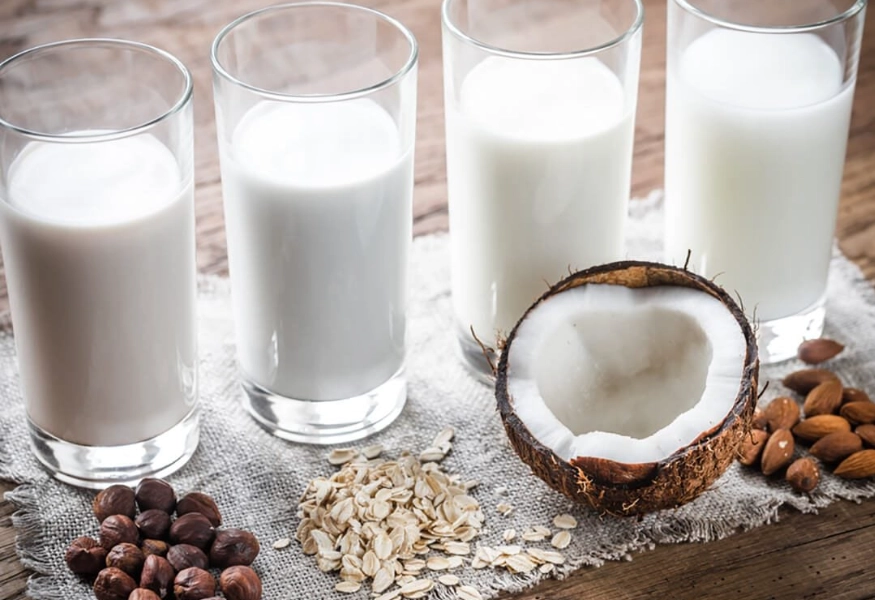
What's the best all-purpose milk for cooking and baking?
For savory cooking (soups, sauces), unsweetened soy or oat milk works well due to their neutral flavor and creaminess. For baking, it depends. Soy and oat milk are again great generalists. Buttermilk can be mimicked by adding a teaspoon of vinegar or lemon juice to any plant milk and letting it sit for 5 minutes. For recipes where fat content is crucial (like rich custards), a full-fat coconut milk (the canned kind) might be your best bet.
Making the Switch: A Practical, No-Stress Plan
Feeling overwhelmed? Don't try to replace everything at once. That's a recipe for frustration and an expensive grocery bill.
- Start with the easy wins. Replace your cereal milk or coffee creamer first. Try a few different single-serve cartons of plant milk to see what you like.
- Master one new product a month. This month, find a yogurt you like. Next month, explore butter alternatives for your toast.
- Don't force it on old favorites. If your family's beloved mac and cheese recipe depends on sharp cheddar, a vegan cheese might disappoint. Either find a specifically designed vegan recipe or keep that as a occasional dairy treat and focus on new, naturally dairy-free dishes (think Asian stir-fries, bean chili, lentil soup).
- Cook from whole foods. The most nutritious and satisfying dairy-free diet isn't built on processed alternatives. It's built on vegetables, fruits, grains, legumes, nuts, and seeds. The alternatives are convenient accessories, not the main event.
The world of dairy-free alternatives is vast and getting better every day. It's okay to be skeptical. It's okay to try something and hate it. The goal isn't perfection; it's finding a handful of products and recipes that make you feel good, taste great, and fit seamlessly into your life. Forget the idea of "replacement" and start thinking about "exploration." You might just find a new favorite.
Got a specific dairy-free dilemma I didn't cover? Hit me up. I've probably tried (and maybe failed) to solve it too.




Leave a comment