Quick Guide
- What is HPV and Why Should You Even Care?
- The HPV Vaccine Itself: What's in the Shot?
- Who Should Get the HPV Vaccine and When?
- How Well Does It Actually Work? (The Data is Pretty Convincing)
- The Safety Question: Addressing the Fears Head-On
- Navigating the Practicalities: Cost, Access, and the Doctor's Visit
- Your Top Questions, Answered Without the Jargon
- The Bigger Picture: Beyond the Individual Shot
Let's talk about the HPV vaccine. It's one of those topics that swirls with a lot of information, some confusion, and honestly, a fair bit of hesitation. I get it. When it comes to vaccines, especially one tied to a sexually transmitted infection, the questions pile up fast. Is it safe for my kid? Is it necessary? What does it actually do?
I remember when my friend, a nurse, first brought it up years ago. She was passionate about it, calling it a "cancer-preventing shot." That phrase stuck with me. It's not just another item on the checklist; it's a powerful tool against several types of cancer. But the messaging around it hasn't always been clear, has it?
This guide is my attempt to cut through the noise. We'll walk through what the HPV vaccine is, who needs it, what the real deal is with side effects, and why the medical community is so strongly behind it. My goal isn't to lecture you, but to lay out the facts as I've understood them from digging into reputable sources and talking to people in the field. You can make your own call.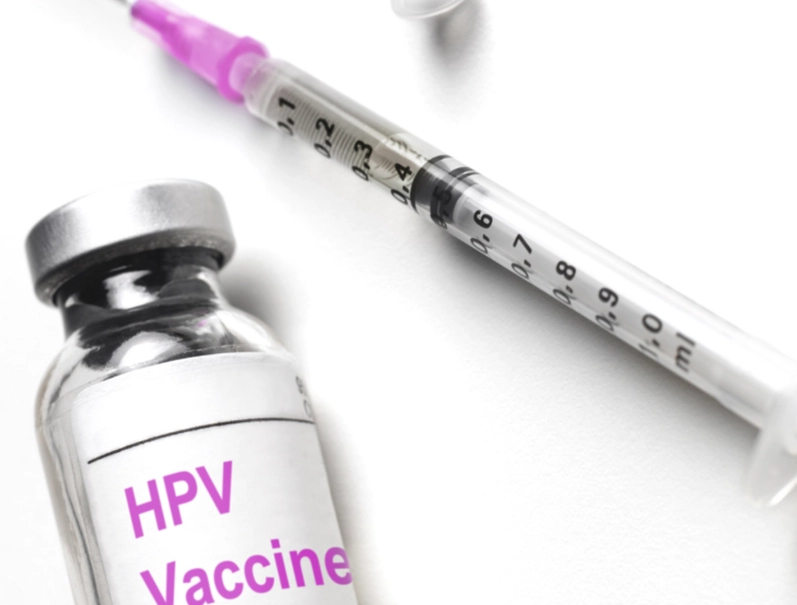
What is HPV and Why Should You Even Care?
HPV stands for Human Papillomavirus. Sounds clinical, I know. But here's the thing—it's incredibly common. So common that nearly all sexually active men and women get it at some point in their lives, usually without ever knowing. Most of the time, your immune system kicks it out without a fuss. No symptoms, no problems.
The problem is with the persistent infections. See, there are over 100 types of HPV. Most are harmless, but a dozen or so are considered "high-risk." These are the troublemakers. They can hang around for years, causing changes in cells that, over a long time, can turn into cancer.
The Cancer Connection: This is the core reason the HPV vaccine exists. Persistent infection with high-risk HPV types is the primary cause of cervical cancer. But it's not just that. It's also a major cause of cancers of the vagina, vulva, penis, anus, and the back of the throat (oropharyngeal cancer). The link is strong and well-established.
Think about cervical cancer screening—the Pap smear. That test is essentially looking for the cellular changes caused by HPV. The vaccine aims to stop the infection before it can even start, moving us from detection to prevention. It's a pretty big shift.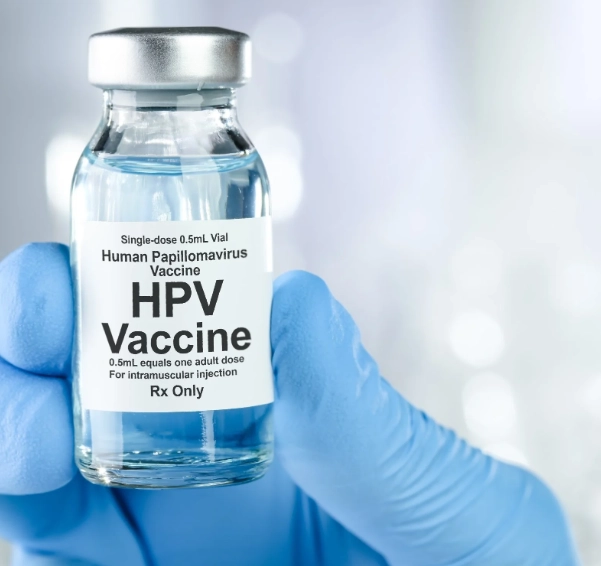
The HPV Vaccine Itself: What's in the Shot?
So, what are we actually talking about when we say "HPV vaccine"? Currently, in most places including the United States, the main vaccine used is Gardasil 9. It protects against nine types of HPV: the two most common low-risk types that cause most genital warts, and the seven high-risk types that cause the majority of HPV-related cancers.
It's not a live virus vaccine. You can't get HPV from the shot. It's made from virus-like particles—empty shells that look like the virus to your immune system, teaching it to recognize and fight off the real thing, but they contain no viral DNA. They're harmless.
The vaccination schedule is pretty straightforward: two doses if you start the series before your 15th birthday, spaced 6 to 12 months apart. If you start at 15 or older, you need three doses over six months. I've heard some people complain about the multiple shots—it's a commitment. But compared to the long-term protection, it's a relatively small ask.
| HPV Type | What It's Associated With | Covered by Gardasil 9? |
|---|---|---|
| HPV 16 & 18 | Cause ~70% of cervical cancers and a high percentage of other HPV-cancers. | Yes |
| HPV 31, 33, 45, 52, 58 | Five other high-risk types, accounting for an additional ~20% of cervical cancers. | Yes |
| HPV 6 & 11 | Cause about 90% of genital warts. | Yes |
Who Should Get the HPV Vaccine and When?
This is where a lot of the conversation, and sometimes controversy, lives. The official recommendations are broader than many people realize.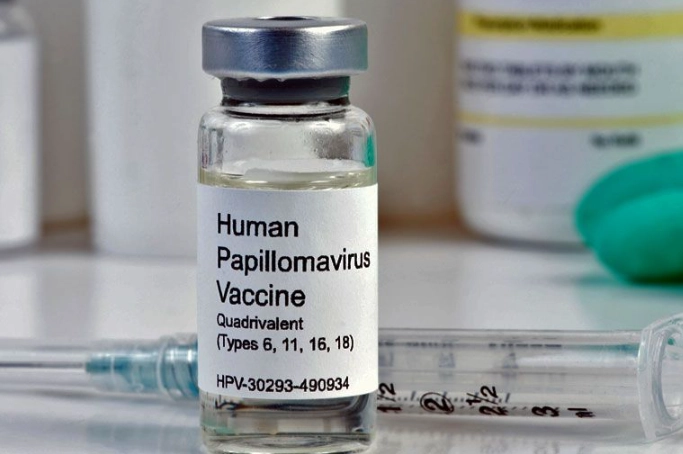
The Ideal Age: Early Adolescence
The Centers for Disease Control and Prevention (CDC) recommends routine vaccination for all boys and girls at age 11 or 12. I know, it feels young. Why give a vaccine for a sexually transmitted infection to an 11-year-old?
The reasoning is purely about protection. The vaccine works best when given before any exposure to HPV. Since HPV is so common and spreads through intimate skin-to-skin contact, the goal is to protect kids long before they become sexually active. At this age, the immune response is also typically very strong and robust. It's a public health strategy that looks ahead, way ahead. You can read the CDC's detailed reasoning on their HPV vaccination page for parents.
It can be started as early as age 9. Some pediatricians like to start it early to get it done, spacing it out from the other adolescent vaccines due at 11-12.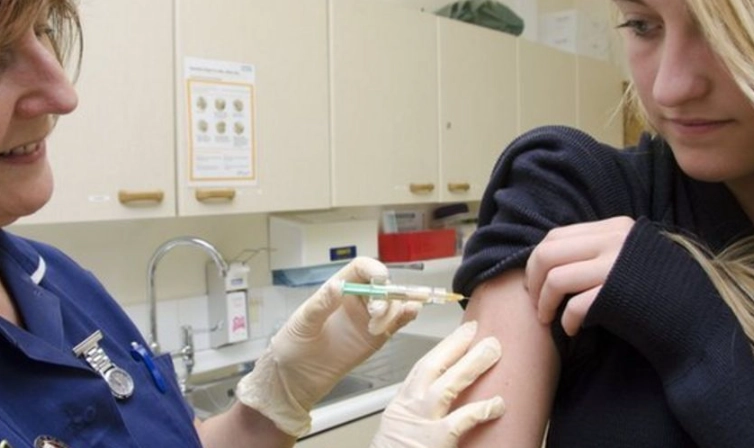
Catch-Up Vaccination: It's Not Too Late
This is a crucial point that gets missed. The recommendation isn't "only for kids."
- For everyone through age 26: If you didn't get vaccinated as a preteen or teen, the CDC recommends catch-up HPV vaccination for everyone through age 26. This is considered a standard of care.
- Adults 27 through 45: Here's where it becomes a more individualized decision. The CDC states that some adults in this age range who are not adequately vaccinated might decide to get the HPV vaccine after speaking with their doctor about their risk for new HPV infections and the potential benefits. The vaccine is FDA-approved for this age group. The effectiveness might be lower if you've already been exposed to some HPV types, but it can still protect against the types you haven't encountered. It's a conversation worth having with your doctor.
How Well Does It Actually Work? (The Data is Pretty Convincing)
Let's move past theory. What has happened in countries that have had widespread HPV vaccination programs for a while? The results are kind of amazing.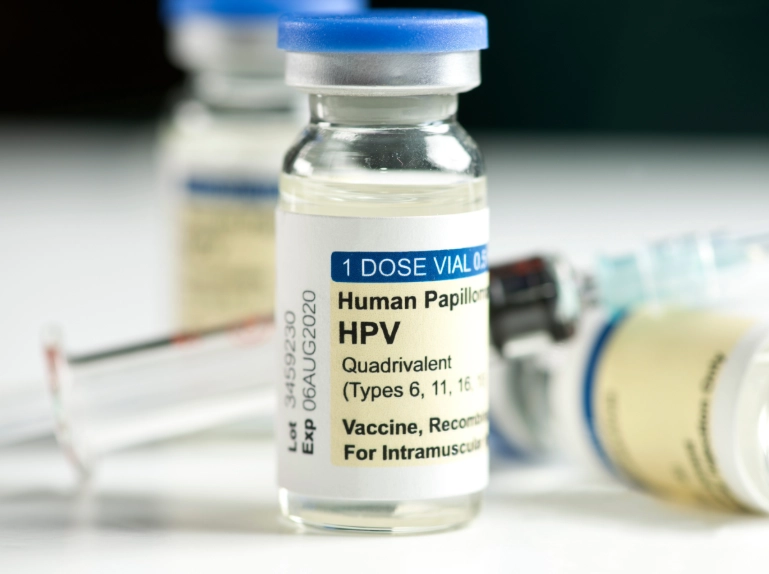
In countries with high vaccination coverage, we've seen dramatic drops in:
- HPV infections: The prevalence of the HPV types covered by the vaccine has plummeted in vaccinated populations.
- Genital warts: Sharp declines, often used as an early indicator of the vaccine's impact.
- Precancerous cervical lesions: This is the big one. Studies are showing significant reductions in the abnormal cell changes that lead to cervical cancer in young women who were vaccinated. A major study published in The Lancet a few years back showed that cervical cancer rates were 87% lower in women who were vaccinated at 12-13 years old compared to previous unvaccinated generations. You can explore more global data through the World Health Organization's fact sheet on HPV.
We're starting to see the real-world cancer prevention in action.
It's important to remember that cancer develops slowly, over years or decades. The first groups to get vaccinated as kids are only now entering the age where cervical cancer risk starts to rise. The early data on precancers is the strong signal that the cancer rates will fall. Experts are confident we are on the brink of seeing a substantial drop in cervical cancer cases because of the HPV vaccine.
The Safety Question: Addressing the Fears Head-On
Okay, let's tackle the elephant in the room. Is the HPV vaccine safe? This is the number one concern I hear from parents.
The short answer, based on over 15 years of monitoring and hundreds of millions of doses given worldwide, is yes. Major global health bodies—from the CDC and FDA in the US to the WHO and the European Medicines Agency—continuously review the data and affirm its safety profile.
But let's be specific about what "safe" means. No medical intervention is 100% free of side effects. The key is weighing the known, common side effects against the proven, serious benefits.
Common, Expected Side Effects
These are similar to many other vaccines and are a sign your body is building protection. They're usually mild and go away on their own in a day or two.
- Pain, redness, or swelling in the arm where the shot was given.
- Dizziness or fainting (more common in adolescents after any shot, which is why they're asked to sit for 15 minutes afterward).
- Headache, feeling tired, nausea, muscle or joint pain.
My friend's son got his shot and just wanted to nap that afternoon. His arm was sore. By the next day, he was fine. That's the typical experience.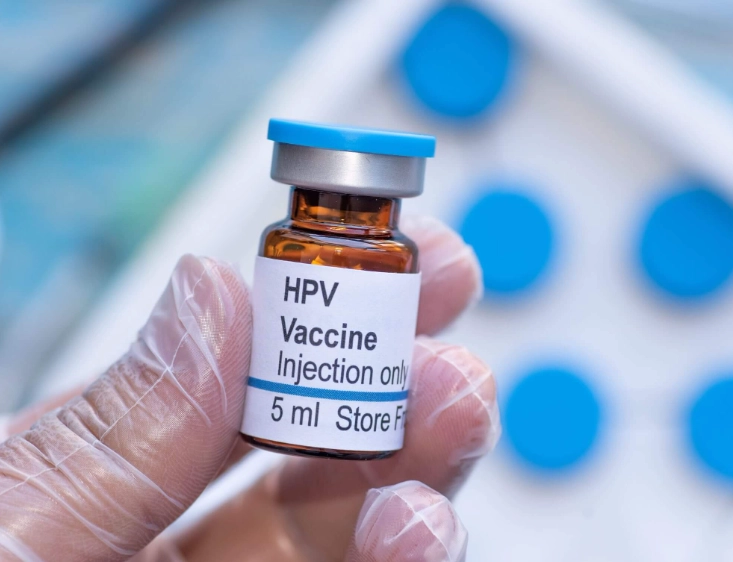
Serious Side Effects: Extremely Rare
Systems like the Vaccine Adverse Event Reporting System (VAERS) and the CDC's Vaccine Safety Datalink are constantly watching. Severe allergic reactions (anaphylaxis) are a known but very rare risk with any vaccine. The monitoring has not found any pattern of serious long-term health problems caused by the HPV vaccine.
A Note on Misinformation: You might have come across scary stories online linking the HPV vaccine to chronic illnesses. These claims have been extensively investigated by independent scientists and robust health agencies. Time and again, large-scale studies find no causal link. It's a classic case of correlation being mistaken for causation. When you vaccinate millions of people, some will unfortunately develop various health conditions by chance alone. Scientific scrutiny hasn't backed up these fears.
The safety data is publicly available. You can review the latest reports from the CDC's HPV vaccine safety page. Transparency is key for trust.
Navigating the Practicalities: Cost, Access, and the Doctor's Visit
Knowing you want the vaccine is one thing. Actually getting it can have its own hurdles.
Cost and Insurance: Under the Affordable Care Act in the US, most private health insurance plans must cover recommended vaccines, including the HPV vaccine, with no out-of-pocket cost. For children, the Vaccines for Children (VFC) program provides free vaccines to those who are uninsured, underinsured, Medicaid-eligible, or Native American/Alaska Native. If you're an adult and insurance is an issue, check with the manufacturer's patient assistance programs or your local health department. There are often resources.
The Conversation with Your Provider: This can feel awkward, especially for older teens or adults. My advice? Be direct. "I'd like to discuss the HPV vaccine" or "I'm due for my HPV vaccine, can we schedule that?" frames it as a normal part of healthcare. For parents, it helps to think of it as another cancer-preventing measure, like sunscreen. You're not making assumptions about your child's future behavior; you're giving them a medical tool for lifelong health.
Your Top Questions, Answered Without the Jargon
Let's get into some of the specific things people google late at night.
Do I still need Pap smears if I've had the vaccine?
Yes, absolutely. This is non-negotiable. The HPV vaccine is a powerful prevention tool, but it doesn't protect against all cancer-causing HPV types. Cervical cancer screening (Pap smears and/or HPV tests) remains essential. The vaccine and screening work together as a one-two punch for maximum protection. Don't skip your screenings.
If I'm already sexually active, is the vaccine pointless?
Not at all. Most people are not exposed to all nine HPV types in the vaccine at once. Even if you have had one type, the vaccine can still protect you from the others. It's about future protection. This is why catch-up vaccination through age 26 is universally recommended.
Why should boys get it if HPV causes cervical cancer?
This is a critical point. The HPV vaccine prevents cancer in people, not just women. Boys are at risk for HPV-caused cancers of the penis, anus, and throat. Vaccinating boys also creates herd immunity, slowing the spread of the virus in the community and protecting everyone. It's about shared public health responsibility.
How long does protection from the HPV vaccine last?
The data we have is excellent so far. Studies following the first groups vaccinated show that protection remains strong for at least 10-15 years, with no signs of waning. Because the vaccine hasn't been around for a full human lifetime, we don't know definitively if a booster will ever be needed. The current thinking is that protection is likely to be very long-lasting, possibly lifelong. Monitoring continues.
Can the vaccine treat an existing HPV infection or genital warts?
No. It is a preventive vaccine, not a treatment. It teaches your immune system to fight off future encounters with the virus. It cannot clear an infection you already have or treat warts or cell changes caused by HPV.
The Bigger Picture: Beyond the Individual Shot
When you step back, the push for HPV vaccination isn't just about individual health. It's a historic opportunity to reduce the burden of several cancers on a population level. We have a tool that can prevent the majority of cervical cancer cases. That's staggering.
Yet, vaccination rates, while improving, still aren't where experts want them to be. Hesitancy, access issues, and plain old lack of a strong recommendation from a healthcare provider are barriers.
What's the bottom line after all this? The HPV vaccine is one of the most studied medical products we have. Its safety profile is reassuring, and its effectiveness in preventing cancer-causing infections is proven and dramatic. The recommendation for adolescents is clear-cut and backed by decades of evidence. For young adults, it's a straightforward yes. For older adults, it's a conversation with your doctor.
The decision is personal, but I believe it should be an informed one. Don't let fear or outdated information be the deciding factor. Look at the data from trusted sources like the CDC and WHO. Talk to a healthcare provider you trust. Weigh the temporary discomfort of a shot against the lifelong protection from multiple cancers.
It's a pretty compelling case for a few minutes in a doctor's office.



Leave a comment