Let's be honest. Most of us are pretty good at pushing through feeling a bit off. A little extra tired? Must be busy. Thirsty? It's hot out. But when it comes to diabetes, especially in women, those "little" signs are your body screaming for attention. The early symptoms of diabetes in women can be subtle, often mistaken for stress, hormonal fluctuations, or just the wear and tear of daily life. I've seen too many women in my practice dismiss these signals for months, sometimes years, until a more serious complication forces the issue. Catching it early changes everything. It's the difference between managing your health with lifestyle tweaks and facing a much steeper uphill battle.
The tricky part is that diabetes doesn't always announce itself with dramatic weight loss or fainting spells. For women, the presentation can be uniquely tied to our physiology. This guide will walk you through the specific, often-overlooked early signs of diabetes in women, explain why they happen, and give you a clear action plan. My goal isn't to scare you, but to empower you with knowledge that most general health articles gloss over.
What's Inside?
The Most Common Early Signs (And Why You Might Miss Them)
These symptoms form the core of what to look for. The problem is, we're experts at explaining them away.
1. Fatigue That Feels Different
Not your regular "I need a coffee" tired. This is a deep, cellular fatigue. Your body's cells are starving for energy because glucose (sugar) is stuck in your bloodstream instead of being used for fuel. You could sleep eight hours and wake up feeling like you ran a marathon. I had a patient, Sarah, a teacher in her 40s, who thought her exhaustion was just from work and parenting. She described it as a "heavy blanket" she couldn't shake, even on vacation. That's a classic red flag.
2. Unquenchable Thirst and Frequent Trips to the Bathroom
This is a direct result of high blood sugar. Your kidneys work overtime to filter and absorb the excess glucose. When they can't keep up, the sugar spills into your urine, dragging fluids from your tissues with it. This makes you dehydrated and constantly thirsty. You're not just sipping more water—you're guzzling it. And of course, what goes in must come out. Needing to urinate much more often, especially at night (a condition called nocturia), is a huge tip-off. Waking up two or three times a night to pee isn't normal aging; it's your body sending an invoice for high blood sugar.
3. Blurry Vision
High blood sugar levels can cause the lens inside your eye to swell, changing its shape and your ability to focus. Your vision might get blurry, or you might see occasional flashes. The dangerous assumption here is to immediately blame it on needing new glasses or screen time. The key difference? Diabetic blurriness often fluctuates with your blood sugar levels throughout the day. If your vision is sometimes clear and sometimes fuzzy, don't just book an eye exam—mention this pattern to your doctor.
Signs Specific to Female Biology
This is where most general guides fall short. Women's hormonal landscape creates unique warning signs.
Recurrent Yeast Infections and UTIs: Yeast and bacteria love sugar. Elevated glucose levels in your blood and urine create a perfect breeding ground for infections down there. If you're dealing with persistent yeast infections, bacterial vaginosis, or urinary tract infections that antibiotics only temporarily fix, it's a major clue. Your gynecologist might be the first to spot this pattern.
Skin Changes: Acanthosis Nigricans: Look at the folds of your skin—your neck, armpits, and groin area. Do you see dark, velvety patches? This condition, called acanthosis nigricans, is a direct skin marker of insulin resistance. It's not a hygiene issue; it's a metabolic one. I can't tell you how many women are embarrassed by this and try to scrub it away, not realizing it's a critical internal signal.
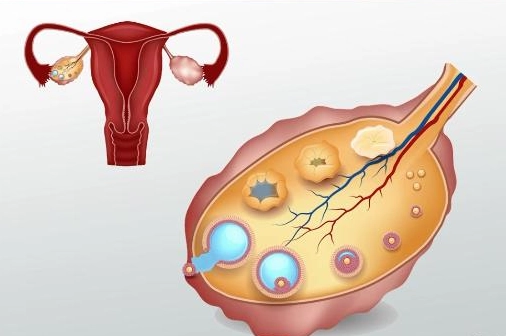
Polycystic Ovary Syndrome (PCOS) Link: There's a powerful, two-way street between PCOS and insulin resistance. Many women with PCOS have underlying insulin issues, which worsens their PCOS symptoms (irregular periods, excess hair growth, acne). If you have PCOS, you are at a significantly higher risk for developing type 2 diabetes. Managing your insulin sensitivity is not just about diabetes prevention; it's central to managing PCOS itself.
What Most Articles Get Wrong: The Non-Typical Presentations
After a decade in this field, I've learned that textbooks don't cover everything. Here are some less-discussed signs that women report.
- Irritability and "Hangry" Spells: Wild blood sugar swings can feel like a rollercoaster for your mood. You might snap at your partner or kids for no clear reason, often just before a meal when your sugar dips after a prior spike.
- Slow-Healing Cuts and Bruises: A small paper cut on your finger takes weeks to fully heal. A bruise from bumping your leg seems to linger forever. High blood sugar impairs circulation and the immune system's repair crew.
- Tingling or Numbness: A faint pins-and-needles sensation in your hands or feet, especially at night. This is early nerve damage (neuropathy) starting. Don't wait for it to become painful.
- Sudden Changes in Gum Health: Your dentist might notice inflamed, bleeding gums or recurring infections before you do. Diabetes compromises your mouth's ability to fight bacteria.
| Symptom | Why It Happens | Common Mistaken For |
|---|---|---|
| Extreme Fatigue | Cells can't access blood sugar for energy. | Stress, burnout, poor sleep. |
| Frequent Yeast Infections | Excess sugar in mucous membranes feeds yeast. | Poor hygiene, antibiotic use. |
| Dark Skin Patches (Neck/Armpits) | Insulin resistance stimulating skin cell growth. | Dirt, chafing, allergic reaction. |
| Blurry Vision | Fluid shifts causing lens swelling in the eye. | Needing new glasses, eye strain. |
| Slow Healing | Poor circulation and weakened immune response. | Getting older, being clumsy. |
What to Do If You Notice These Signs
Okay, you're reading this and maybe ticking off a few boxes. Don't panic. Panic is useless. Action is powerful.
First, schedule an appointment with your primary care doctor or a gynecologist. Be direct. Don't say "I'm tired." Say, "I'm experiencing extreme fatigue, increased thirst, and frequent urination, and I'm concerned about my blood sugar. I'd like to be tested for diabetes or prediabetes." This specific language gets their attention.
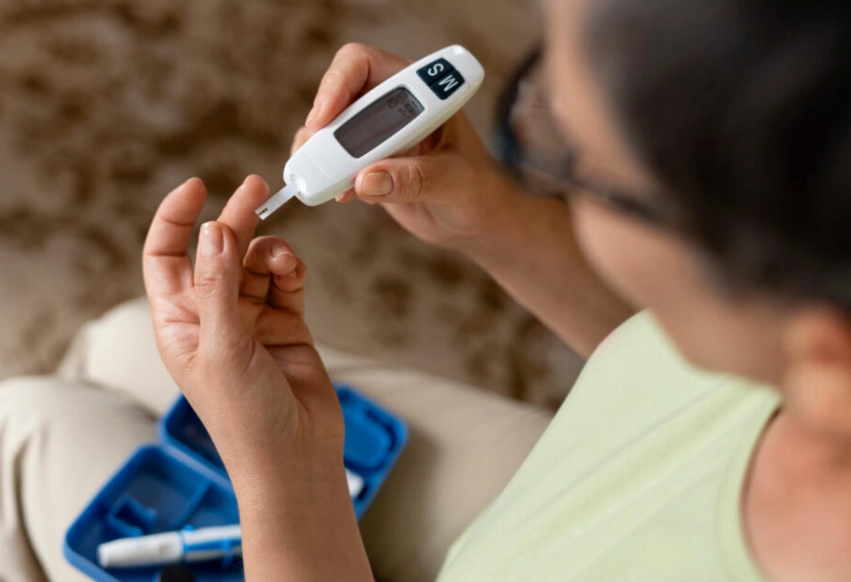
The gold-standard test is not a simple finger prick. Ask for an HbA1c test (also called A1c). This measures your average blood sugar over the past 2-3 months. According to the American Diabetes Association, an A1c below 5.7% is normal, 5.7% to 6.4% indicates prediabetes, and 6.5% or higher on two tests means diabetes. A fasting plasma glucose test or an oral glucose tolerance test are also diagnostic tools.
While you wait for your appointment, start a simple log. Note your energy levels, thirst, and any symptoms for a few days. This data is gold for your doctor.
And here's a non-consensus piece of advice I give all my patients: Don't "clean up" your diet drastically right before the test. You want the test to reflect your typical state, not a temporarily improved one. An accurate diagnosis is the first step to real, sustainable management.


Leave a comment