Quick Guide
Let's be honest, most of us don't give our gut much thought until something goes wrong. We eat on the run, stress piles up, and sleep gets cut short. Then one day, you realize you haven't felt "right" in a while. Maybe it's that constant bloat, or the weird skin flare-up, or just a general feeling of being off. Your gut, that long, winding tube from your mouth to, well, the other end, is home to trillions of bacteria, viruses, and fungi—collectively known as your gut microbiome. And when this complex ecosystem gets out of whack, it doesn't just whisper; it shouts. The problem is, we're often terrible at listening to the 10 signs of an unhealthy gut.
I remember a period a few years back where I was constantly tired, my skin was a mess, and I felt anxious for no good reason. I blamed work, the weather, everything but my diet. It wasn't until a friend pointed out the connection to gut health that I started paying attention. Turns out, my gut was screaming at me, and I had the volume turned all the way down.
Think of your gut as the control center for much more than just digestion. It's linked to your immune system, your brain, your skin, and even your mood. An imbalance here—often called dysbiosis—can send ripples through your entire body. Spotting the warning signs early is the first step to getting back on track.
The Top 10 Red Flags Your Gut is Out of Balance
These aren't in any strict order of severity, because what's a minor issue for one person can be debilitating for another. But collectively, they paint a picture of what an unhappy gut looks like. If you're nodding along to more than a couple of these, it's time to tune in.
Digestive Discomfort: The Obvious (But Ignored) Signs
This is where most people start. If your gut is unhealthy, your digestion is usually the first thing to complain.
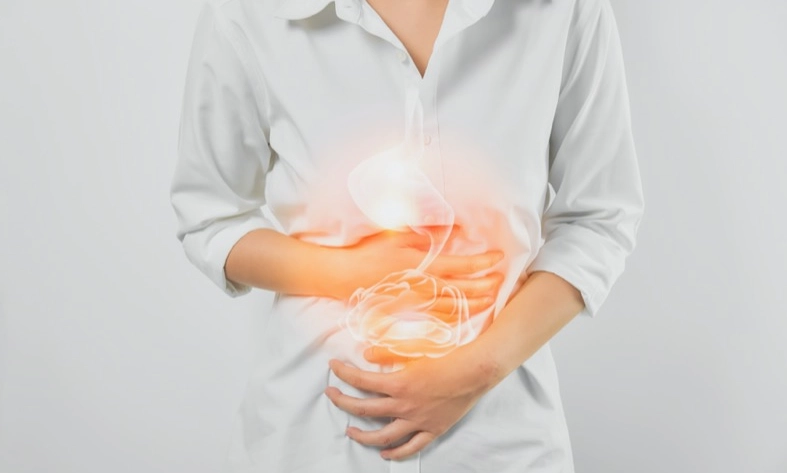
Persistent Bloating, Gas, and Heartburn. Feeling like a balloon after meals isn't normal, despite what many ads might have you believe. Occasional gas? Sure. But if you're regularly bloated, passing excessive gas, or dealing with heartburn (acid reflux), it's a classic sign your digestive process is struggling. It could mean you're not producing enough stomach acid or digestive enzymes, or that the wrong kinds of bacteria are fermenting your food in your intestines. I used to think bloating was just part of being a woman. It's not. It's a signal.
Unpredictable Bowel Movements. Are you constantly swinging between constipation and diarrhea? Or maybe your stools are never quite "right"—too loose, too hard, poorly formed. Consistency matters. The Bristol Stool Chart is a weird but useful tool here. An unhealthy gut struggles to maintain regularity and proper water balance in your colon. This inconsistency is a huge red flag.
Food Sensitivities or Intolerances. Suddenly reacting to foods you used to eat without issue? This is a big one. An unhealthy gut lining can become "leaky" (increased intestinal permeability), allowing partially digested food particles to sneak into your bloodstream. Your immune system sees these as invaders and attacks, leading to inflammation and reactions. It's not always a full-blown allergy; it's often a subtle sensitivity that builds up over time. Dairy and gluten are common triggers, but it can be anything.
 Beyond the Belly: The Systemic Signs
This is where it gets interesting (and often overlooked). Your gut health doesn't stay in your gut.
Unexplained Fatigue and Low Energy. Feeling tired all the time, even after a full night's sleep? A significant portion of your body's serotonin, a hormone that affects mood and sleep, is produced in the gut. An imbalanced microbiome can disrupt this production and also interfere with nutrient absorption (like B vitamins and iron), leaving you drained. It's not just in your head.
Skin Issues Like Eczema, Acne, or Rosacea. The gut-skin axis is a real thing. Inflammation in the gut can manifest as inflammation on the skin. Many dermatologists are now looking at gut health as a root cause for chronic skin conditions. If topical treatments aren't working, the problem might be internal.
Sugar Cravings. Got a nasty sweet tooth? The bacteria in your gut can influence your cravings. Harmful bacteria and yeasts (like Candida) thrive on sugar and refined carbs. They can actually send signals to your brain to eat more of what feeds them. Breaking that cycle is tough but crucial for regaining balance.
Unintentional Weight Changes. Gaining or losing weight without changing your diet or exercise? An imbalanced gut can impair your body's ability to absorb nutrients, regulate blood sugar, and store fat. It can also affect hormones that control hunger and satiety. It's more complex than just calories in, calories out.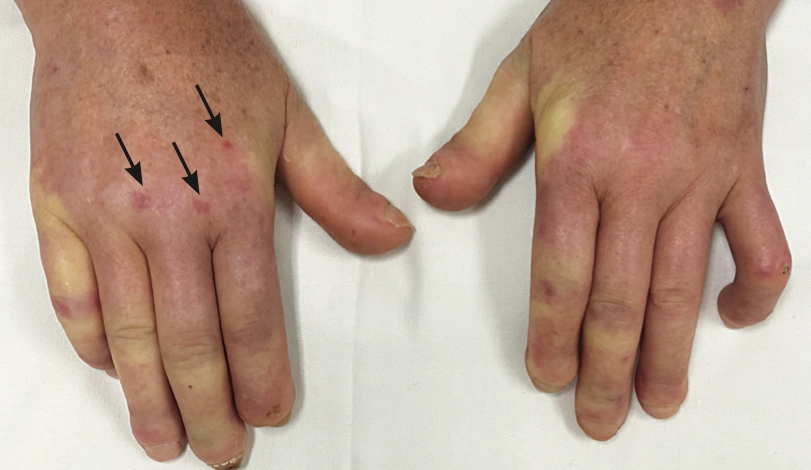
The Mind and Immune Connection
Perhaps the most profound connections are here.
Mood Disorders, Anxiety, and Depression. Ever had a "gut feeling"? There's a direct communication highway between your gut and your brain called the vagus nerve. About 90% of serotonin is made in the gut. An unhealthy, inflamed gut can send constant distress signals to the brain, contributing to anxiety and low mood. Research from institutions like Harvard T.H. Chan School of Public Health highlights this powerful gut-brain link.
Autoimmune Conditions. This is a serious one. Leaky gut is heavily implicated in autoimmune diseases. When foreign particles leak into the bloodstream, it can confuse the immune system, sometimes causing it to attack the body's own tissues. Conditions like rheumatoid arthritis, Hashimoto's thyroiditis, and lupus have strong links to gut health. It's not the sole cause, but a major contributing factor.
Frequent Illnesses. Do you catch every cold that goes around? About 70% of your immune system resides in your gut. If your gut microbiome is weak, your first line of defense is down. A healthy diversity of good bacteria helps train your immune system and fight off pathogens.
Quick Self-Check: How many of these 10 signs of an unhealthy gut do you experience regularly? One or two might be circumstantial. Three or more, especially if they're persistent, strongly suggests your gut microbiome needs some attention. Don't panic—it's remarkably resilient and can be healed.
What's Actually Causing These 10 Signs of an Unhealthy Gut?
Knowing the signs is one thing. Understanding why they happen is what lets you fix it. It's rarely one single thing. It's a perfect storm of modern life.
Diet is Public Enemy Number One. The standard Western diet is a gut-wrecker. Too much sugar, processed foods, and unhealthy fats feed the bad bacteria. Not enough fiber from fruits, vegetables, and whole grains starves the good guys. Good bacteria feast on fiber—it's called a prebiotic. No fiber, no party for your microbiome.
Chronic Stress is a Silent Killer. When you're stressed, your body goes into fight-or-flight mode. Digestion is put on the back burner. Blood flow is diverted away from your gut. This can alter your gut bacteria and weaken the gut lining over time. It's a vicious cycle: stress hurts your gut, and a hurt gut can make you more susceptible to stress.
Medications, Especially Antibiotics. Antibiotics are life-saving, but they're like a bomb in your gut. They wipe out the bad bacteria causing your infection, but also decimate the good ones. Sometimes the good guys don't fully recover, allowing harmful species to take over. Other medications like NSAIDs (ibuprofen, aspirin) can irritate the gut lining.
Lack of Sleep and Over-exercising. Your gut bacteria have their own circadian rhythm. Disrupting your sleep disrupts them. And while exercise is great, extreme, prolonged exercise without recovery can increase intestinal permeability and cause systemic inflammation.
Environmental Toxins. Pesticides on food, chemicals in tap water, and pollutants can all negatively impact your delicate gut flora.
So, What Can You Actually Do About It? A Practical Action Plan
Okay, doom and gloom over. The fantastic news is that you can change your gut microbiome relatively quickly. Some shifts can happen in days, though deeper healing takes months of consistency. Here’s a no-nonsense approach.
First Step: The Elimination Phase (The "Remove and Reset"). This isn't about forever, but about giving your gut a break. For 2-4 weeks, try cutting out the biggest irritants: processed sugars, refined carbs (white bread, pasta), processed foods, and for many, dairy and gluten. Don't just focus on what to remove—flood your system with good stuff. Think of it as hitting the reset button.
Feed the Good Bacteria (Prebiotics). This is non-negotiable. Eat a wide variety of high-fiber plants. We're talking garlic, onions, leeks, asparagus, bananas, oats, apples, flaxseeds, and Jerusalem artichokes. Diversity is key—different fibers feed different bacteria. Aim for 30+ different plant foods a week. It sounds like a lot, but herbs, spices, nuts, and seeds all count.
Add the Good Bacteria (Probiotics & Fermented Foods). Introduce beneficial bacteria directly. Fermented foods are your best bet: sauerkraut, kimchi, kefir (dairy or water), kombucha, miso, and yogurt with live cultures. Start slow—a tablespoon of sauerkraut a day—to avoid a Herxheimer (die-off) reaction. A quality, multi-strain probiotic supplement can help, but food sources are superior.
Heal the Gut Lining. This is for the leaky gut component. Nutrients like L-Glutamine (found in bone broth, cabbage, spinach), zinc, and omega-3 fatty acids (from fatty fish, walnuts) are crucial for repairing the intestinal wall. Bone broth gets a lot of hype for good reason—it's rich in collagen and amino acids that support gut lining repair.
Manage Stress and Sleep. You can't supplement your way out of a bad lifestyle. Prioritize sleep (7-8 hours). Find a stress-reduction technique that works for you—walking in nature, meditation, deep breathing, yoga. Even 10 minutes a day makes a difference. This isn't fluffy advice; it's critical for calming gut inflammation.
| Goal | What to Do | Easy First Steps |
|---|---|---|
| Reduce Inflammation | Cut processed foods & sugar. Add omega-3s. | Swap soda for sparkling water. Add a handful of walnuts to your salad. |
| Increase Good Bacteria | Eat more fermented foods & diverse fiber. | Add a spoonful of sauerkraut to your lunch. Snack on an apple with skin. |
| Heal the Lining | Consume gut-healing nutrients. | Sip on bone broth or make a cabbage soup. Consider a zinc supplement. |
| Support the Process | Prioritize sleep & stress management. | Set a bedtime alarm. Take 5 deep breaths before meals. |
My personal journey wasn't linear. I'd do great for a week, then stress would hit, and I'd reach for cookies. The key is consistency over perfection. Getting most of it right most of the time is what leads to real change. And honestly, some of the advice out there is overwhelming. You don't need 15 different supplements. Start with food.
Answers to Common Gut Health Questions

Final Thoughts: Listening is the First Step
Recognizing the 10 signs of an unhealthy gut is about becoming a better listener to your own body. It's moving away from just masking symptoms with antacids or skin creams and asking *why* they're happening in the first place.
Your gut is the foundation of your health. You can have the best exercise routine and sleep schedule, but if your gut is a war zone, you'll never feel optimal. The path to fixing it isn't about a restrictive diet forever. It's about abundance—abundant variety in plants, abundant fermented foods, and abundant patience with the process.
Start small. Pick one sign that bothers you the most. Pick one action from the table above. Do that for a week. See how you feel. Then add another. This isn't about achieving a perfect gut—that's not a thing. It's about creating an internal environment where the good guys thrive and the bad guys are kept in check. When that happens, those warning signals—the bloating, the fatigue, the brain fog—start to fade, and you're left with a sense of vitality that you might have forgotten was possible.
Your body is talking. It's time to listen.




Leave a comment