Quick Guide
- Why Self-Care for Women Feels Different (And Why It's Non-Negotiable)
- The Real-World Self-Care Audit: Where Are You Now?
- The Core Pillars of Sustainable Self-Care for Women
- Building Your Personalized Self-Care Menu (Forget the One-Size-Fits-All Plan)
- Smashing the Biggest Roadblocks to Self-Care for Women
- Your Questions on Self-Care for Women, Answered (The Real Stuff We Google)
- Wrapping It Up: This Is Your Permission Slip
Let's be honest. When you hear "self-care for women," what pops into your head? Instagram photos of flawless women in pristine white robes, sipping green juice in a spotless kitchen? A perfectly curated bath with a million candles and flower petals? Maybe a guilt-inducing checklist of things you "should" be doing but never have time for.
Yeah, I used to think that too. And it made me feel worse, not better. Because my life looked nothing like that. My life looked like spilled coffee, unanswered emails, and the constant hum of "I should be doing more."
So I'm here to talk about real self-care. The kind that doesn't require a photoshoot or a three-hour time block. The kind of self-care for women that's actually sustainable, woven into the messy, beautiful, exhausting fabric of our daily lives. This isn't about adding another item to your to-do list. It's about changing the way you move through your list. It's about nurturing yourself so you can show up for everything else without burning out.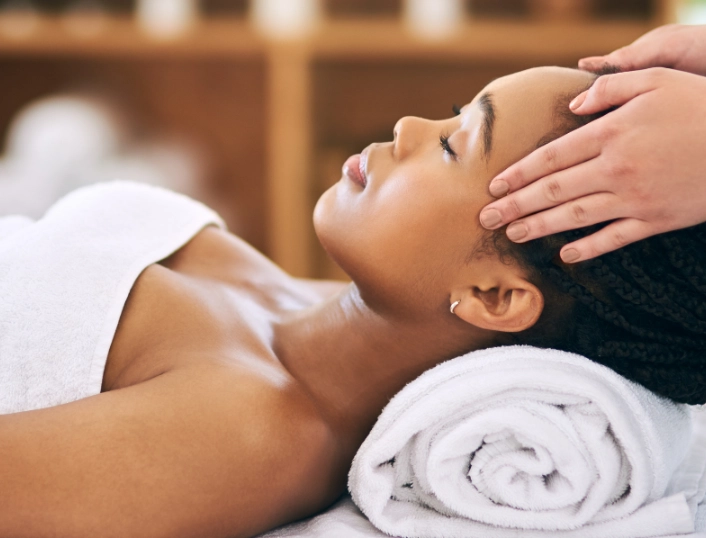
Real Self-Care for Women: Intentional, consistent actions (big and small) that honor your physical, mental, and emotional needs, with the goal of replenishing your energy and fostering resilience, not just creating a pretty picture.
Why is this so hard for us? We're often the planners, the caregivers, the glue holding things together. Putting ourselves last feels like a default setting. But here's the thing I had to learn the hard way: you can't pour from an empty cup. And constantly trying to is a one-way ticket to resentment, exhaustion, and losing yourself.
Why Self-Care for Women Feels Different (And Why It's Non-Negotiable)
It's not in our heads. The demands on women are unique and often relentless. We're navigating career pressures, family responsibilities, social expectations, and our own internal dialogues—all of which can be incredibly draining. The American Psychological Association consistently reports that women experience stress differently and often at higher rates than men, particularly around caregiving and work-life balance.
Think about it. The mental load. The emotional labor. Remembering the birthday cards, knowing what's in the fridge for dinner, sensing when a friend is off, managing the household calendar. This is invisible work, and it consumes massive amounts of cognitive and emotional energy.
That's why generic self-care advice often falls flat. Telling a woman who's juggling a job, kids, and aging parents to "just take a long bath" can feel almost insulting. Our self-care needs to address the specific wells we're drawing from.
I remember a period where I was so busy caring for everyone else that I forgot what I even liked to do for fun. My friend asked me about my hobbies, and I just stared blankly. That was a wake-up call. Self-care isn't selfish; it's stewardship. You are responsible for this one life, this one body, this one mind. Treating it with respect isn't a luxury—it's basic maintenance.
The Real-World Self-Care Audit: Where Are You Now?
Before we dive into the how, let's figure out the where. You can't build a good plan without knowing your starting point. Grab a notebook, or just think it through. No judgment here.
The Quick Energy Audit: On a scale of 1 (running on fumes) to 10 (fully charged and radiant), where is your battery right now? What specifically is draining it? Is it the constant noise? The lack of solitude? The physical fatigue? The emotional weight of a situation? Be specific. "I'm tired" isn't as helpful as "I'm mentally exhausted from making decisions all day" or "I feel physically stiff and achy from sitting."
Your self-care for women plan should directly target those drains. If decision fatigue is the issue, your plan might include ways to automate or simplify choices. If it's physical stagnation, it's about gentle movement. See? It becomes practical, not abstract.
The Core Pillars of Sustainable Self-Care for Women
I like to think of self-care as building a sturdy house. You need a few solid pillars. If you only focus on one (like just physical care), the whole structure is wobbly. Let's break down the non-negotiable areas.
1. Mental & Emotional Self-Care (The Foundation)
This is the inner work. It's about managing your mindspace and honoring your feelings. This is often the most neglected but most crucial pillar of self-care for women.
- Boundary Setting: This is the superstar skill. It means saying no without a novel-length apology. It means mutifying notifications after 7 PM. It means telling your family you need 20 minutes of quiet when you get home. It feels uncomfortable at first, but it's revolutionary. Your time and energy are finite resources. Guard them.
- Digital Detoxing: Not forever, but intentionally. The comparison trap on social media is a direct attack on your peace. Schedule scroll-free hours. Turn off non-essential alerts. I put my phone in another room after dinner, and the mental quiet is palpable.
- Journaling: Not the "Dear Diary" kind unless you want to. Try brain-dumping: 5 minutes of writing whatever is swirling in your head to get it out. Or gratitude lists—not to minimize problems, but to balance your perspective. Three small things. The sun on your face. A good cup of coffee. That one funny text.
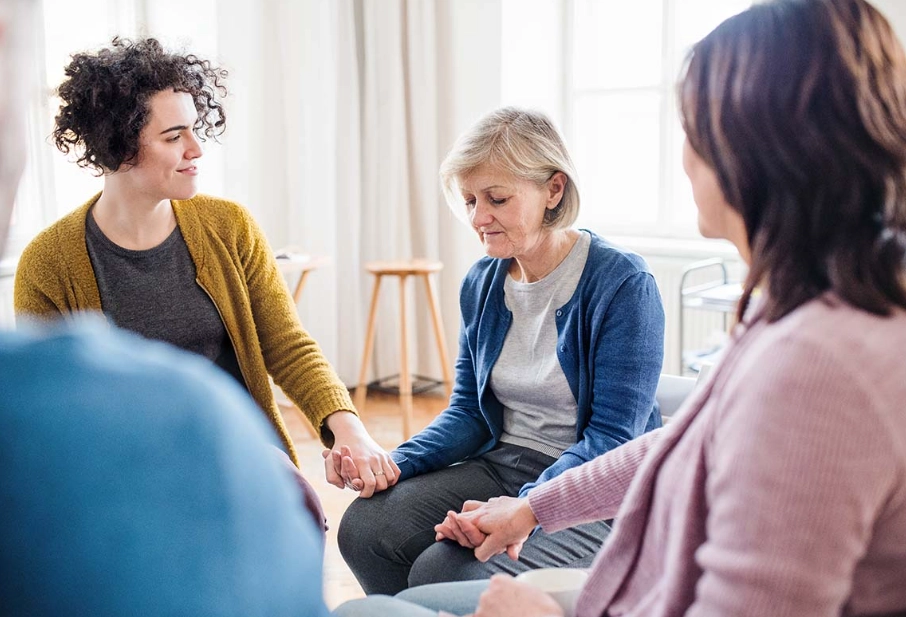
- Therapy or Talking: Professional help is the ultimate self-care tool. It's a tune-up for your psyche. If that's not accessible, a trusted, non-judgmental friend can be a lifeline. The goal is to process feelings, not just bottle them up.
Mental self-care asks: What do I need to think about less? What thought patterns are hurting me?
2. Physical Self-Care (The Structure)
This isn't about punishing workouts or restrictive diets. It's about listening to and respecting your body's signals. It's foundational because when your body feels like crap, everything else is harder.
- Movement You Don't Hate: The goal is to feel better, not worse. A 10-minute walk outside counts. Stretching while watching TV counts. Dancing in your kitchen counts. The Centers for Disease Control and Prevention (CDC) recommends 150 minutes of moderate activity per week, but that can be broken into tiny chunks. Forget "all or nothing." Something is always better than nothing.
- Nourishment, Not Perfection: Food is fuel and pleasure. Are you eating regularly, or skipping meals until you're hangry? Can you add one more vegetable or one more glass of water? It's about gentle addition, not harsh subtraction.
- Sleep Hygiene: Probably the most impactful thing you can do. It's not just about hours, but quality. A cool, dark room. Putting screens away an hour before bed (I'm still working on this one—it's hard!). A consistent-ish routine. The National Institute of Neurological Disorders and Stroke has tons of science-backed info on why sleep is non-negotiable for brain and body repair.
- Preventive Care: That annual check-up. The dentist visit. Listening to a weird pain instead of ignoring it. It's the ultimate act of saying "I matter enough to maintain this."

My Personal Rule: If I'm too tired to exercise, I go for a walk. If I'm too tired to walk, I stretch. If I'm too tired to stretch, I just get into bed early. There's always a kinder option.
3. Practical & Spiritual Self-Care (The Roof & The View)
This is about creating external order and internal connection. It's the stuff that makes daily life run smoother and connects you to something bigger.
- Practical Peace: Decluttering a single drawer. Automating a bill payment. Meal prepping three lunches. These are acts of self-care because they reduce future stress. An hour on Sunday planning the week can save you daily decision fatigue.
- Connecting to Something Bigger: This is personal. It might be nature (literally feeling the ground under your feet). It might be meditation or prayer. It might be volunteering for a cause you care about. It's about getting out of your own head and feeling part of a larger whole. The Mayo Clinic outlines how practices like meditation can reduce stress. It's about finding what creates a sense of awe or peace for you.
- Fun & Creativity: What did you love as a kid? Coloring, building things, playing music? Engaging in play for no productive reason is incredibly regenerative. It's a different brain state.
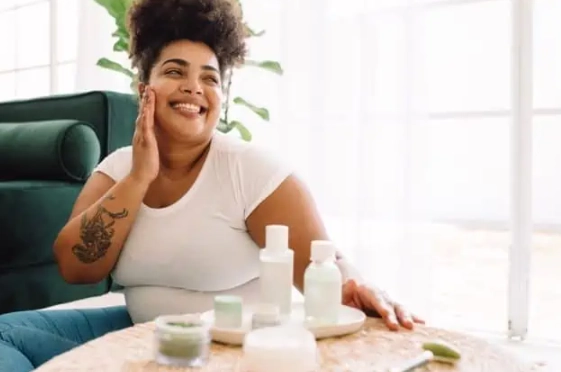
Building Your Personalized Self-Care Menu (Forget the One-Size-Fits-All Plan)
Here’s where we get practical. Don't try to do everything at once. Pick ONE thing from one pillar to focus on this week. When it feels integrated, add another. Think of it as a menu you can choose from based on how much time and energy you have.
| Time Available | Mental/Emotional Pick | Physical Pick | Practical/Spiritual Pick |
|---|---|---|---|
| 5 Minutes or Less | Box breathing (4 sec in, hold 4, 4 sec out). Close your eyes and name 3 sounds you hear. | Drink a full glass of water. Do 5 big stretches toward the ceiling. | Delete 10 old emails. Put one thing back in its proper place. |
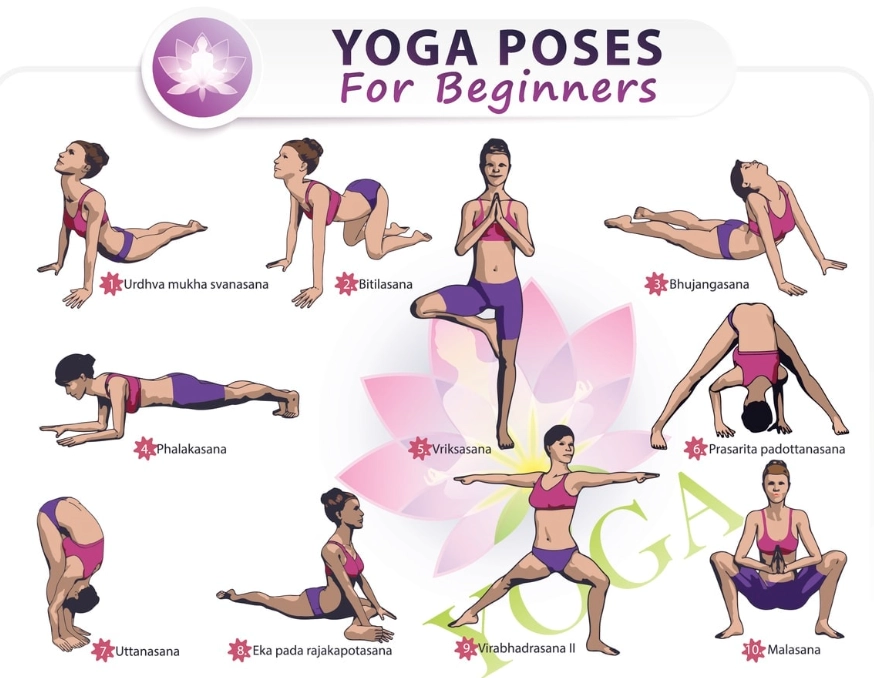
| 15-30 Minutes | Write a quick brain-dump journal entry. Listen to a guided meditation. | Go for a brisk walk. Follow a gentle yoga video on YouTube. | Plan your meals for tomorrow. Call a friend just to chat. |
| 1 Hour or More | Read a book for pleasure (not work!). Have a deep, device-free conversation. | Take a fitness class you enjoy. Cook a nourishing, new recipe. | Tackle a small organizing project. Visit a park, museum, or place of worship. |
The key is having options. On a chaotic day, your self-care for women might be the 5-minute column. On a calmer Saturday, it might be from the hour column. Both are valid and valuable.
Smashing the Biggest Roadblocks to Self-Care for Women
We know what to do. The problem is the barriers. Let's address them head-on.
"I don't have time." This is the champion excuse. But it's not about time; it's about priority. You find time for what you deem urgent. The trick is to reframe self-care as urgent preventative maintenance, not a frivolous extra. Start with 5-minute practices. Anchor them to existing habits: 5 minutes of deep breathing after you brush your teeth. A stretch while the coffee brews.
"It feels selfish." This is cultural conditioning, and it's tough to shake. But think of the airplane safety instruction: put on your own oxygen mask first. You are of no use to anyone if you're passed out. Caring for yourself isn't selfish; it's what enables you to care for others sustainably, without bitterness.
"I feel guilty." Ah, the old friend, guilt. Notice the feeling, acknowledge it (“Hello, guilt, I see you”), and then do the kind thing for yourself anyway. The guilt usually fades once you experience the benefits—more patience, more presence, more energy.
"I don't know where to start." Start with the audit we did. Pick the one thing that feels the most pressing. Is your body screaming from stillness? Start with a 10-minute walk. Is your mind a tornado of worry? Start with a 3-minute breathing exercise. One tiny step.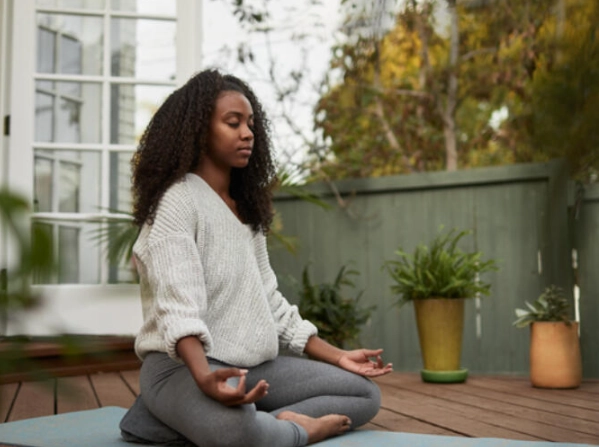
Your Questions on Self-Care for Women, Answered (The Real Stuff We Google)
Wrapping It Up: This Is Your Permission Slip
Look, the journey of self-care for women isn't linear. Some weeks you'll nail it. Other weeks, survival is the win. That's okay.
The goal isn't to become a self-care robot who never feels stressed. The goal is to build a toolkit and a resilient spirit so that when life inevitably throws its chaos at you (and it will), you have resources to draw from. You have a foundation that doesn't completely crumble.
You don't need to earn the right to care for yourself. It's your birthright. Start small. Be specific. Be kind to yourself in the process.
That image of the perfect, serene woman? Forget her. Your version of self-care for women—the one with the mismatched socks, the quick walk between meetings, the deep breath in the car before going inside—is the real thing. And it's more than enough.
Now, what's one tiny thing you can do today, just for you?


Leave a comment