Quick Navigation
- Why You Can't Rely on Guesswork
- The Definitive Gluten-Containing Foods List (The Usual Suspects & The Sneaky Ones)
- The Safe List: Naturally Gluten-Free Foods You Can Enjoy Freely
- How to Read Labels Like a Pro (Beyond the "Gluten-Free" Claim)
- Answering Your Top Gluten Food List Questions
- Building Your Gluten-Free Pantry: A Starter Shopping List
Let's be real. Figuring out what you can and can't eat when you're avoiding gluten feels like trying to solve a puzzle with half the pieces missing. One minute you're confidently munching on what you think is safe, the next you're reading a label with twenty ingredients you can't pronounce. I've been there. The confusion, the frustration after accidentally eating something you shouldn't have. It's exhausting.
That's why I decided to put together this guide. Not just another bland list, but a real, practical breakdown. Think of it as your kitchen companion, the thing you check before you toss something in your cart or order at a restaurant. We're going beyond the basic "bread has gluten" stuff. We're digging into the hidden sources, the confusing labels, and the foods that are surprisingly safe. This is the gluten food list I wish I had when I started.
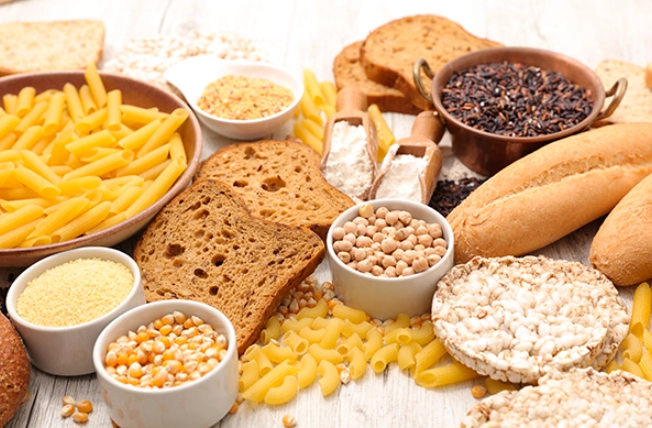
Why You Can't Rely on Guesswork
You might think avoiding gluten just means skipping bread and pasta. I did too, at first. Big mistake. Gluten is a sneaky ingredient. It's used as a binder, a thickener, a filler, and a flavor enhancer. It shows up in places you'd never expect, like soy sauce, some brands of potato chips, and even in certain medications or supplements.
The consequences of guessing wrong aren't just a bit of bloating for those with serious conditions. We're talking about damage to the small intestine, nutrient malabsorption, and a host of other not-so-fun symptoms. So, having a reliable, comprehensive gluten food list isn't about being trendy; it's about taking control of your health. It's the difference between feeling awful and feeling like yourself again.
The Definitive Gluten-Containing Foods List (The Usual Suspects & The Sneaky Ones)
This is the core of any good gluten food list. Let's break it down category by category. I'm including both the obvious offenders and the ones that often fly under the radar.
Grains That Definitely Contain Gluten
These are the primary sources. If you see these words on an ingredient list (and it's not specifically labeled "gluten-free"), put it back.
- Wheat: This is the big one. Includes all varieties like spelt, kamut, farro, durum, semolina, and einkorn. Bulgur and couscous are also made from wheat.
- Barley: Often found in malt (malted milk, malt vinegar, malt extract), beer, brewer's yeast, and some food coloring.
- Rye: Common in certain breads, like pumpernickel, and some cereals and crackers.
- Triticale: A hybrid of wheat and rye. Less common but still out there in some breads and pastas.
Here's a quick-reference table for those grains and their common hiding spots. I find visuals help when you're in a rush.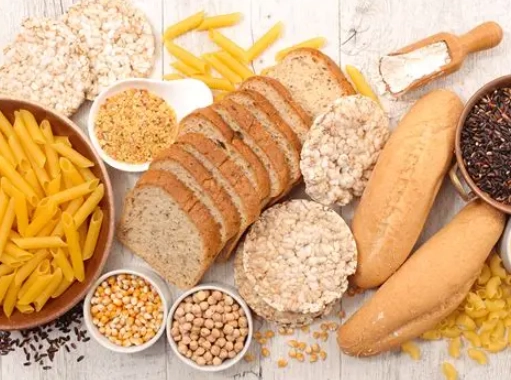
| Grain | Primary Forms | Common "Hidden" Forms to Watch For |
|---|---|---|
| Wheat | Bread, pasta, flour, cakes, cookies | Soy sauce, salad dressings, gravy, soup thickeners, processed meats (like hot dogs), imitation crab meat, licorice candy. |
| Barley | Malt, beer, brewer's yeast | Malt vinegar (in pickles, sauces), malt flavoring/syrup (in cereals, milkshakes), some natural flavorings. |
| Rye | Rye bread, rye beer, some cereals | Certain multi-grain or artisan bread blends, crispbreads. |
Processed Foods: The Gluten Minefield
This is where your gluten food list gets critical. Unprocessed meats, veggies, and fruits are safe. The minute food gets processed in a factory, the risk of cross-contact or added gluten skyrockets.
You must, must, must become a label detective. Here’s a rundown of processed food categories that frequently contain hidden gluten:
- Soups, Broths, and Sauces: Flour is a classic thickener for canned soups, gravy mixes, and creamy sauces. Soy sauce (which contains wheat) is a base for many marinades and stir-fry sauces.
- Processed Meats: Sausages, meatballs, deli slices, and hot dogs often use breadcrumbs or wheat-based fillers as binders.
- Snack Foods: Flavored potato chips, tortilla chips, rice crackers, and pretzels (obviously) can have wheat-based seasonings or be made on shared lines. Even some plain nuts might be dusted with wheat flour to prevent sticking.
- Condiments and Dressings: Ketchup, mustard, mayonnaise, and salad dressings can contain gluten as a stabilizer or thickener. Malt vinegar is a common culprit in pickles and relishes.
- Candy and Sweets: Licorice is a famous one (wheat flour is a key ingredient). Some chocolate bars, candies with cookie pieces, and even icing can contain gluten.
See what I mean? A simple gluten food list that just says "avoid bread" is utterly useless in the modern grocery store.
The Safe List: Naturally Gluten-Free Foods You Can Enjoy Freely
Okay, enough of the bad news. Let's talk about the good stuff—the foods that are naturally free from gluten and should form the foundation of your diet. This part of the gluten food list is your safe harbor.
Naturally Gluten-Free Whole Grains and Starches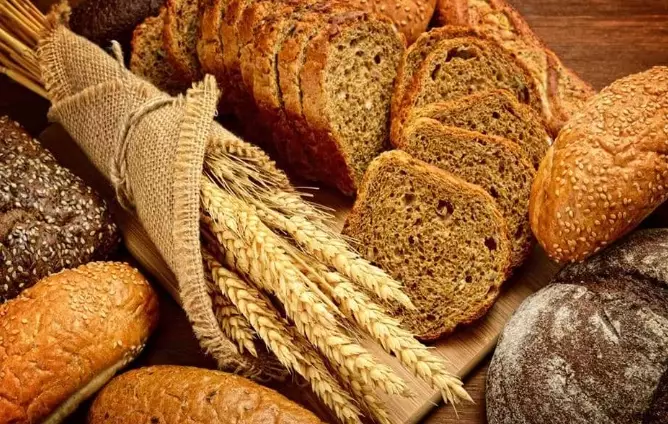
Yes, you can still have carbs! This list is a lifesaver. Just remember to check for cross-contamination warnings.
- Rice: All types—white, brown, wild, jasmine, basmati.
- Corn (Maize): Cornmeal, polenta, grits, plain corn tortillas (check for wheat flour additives).
- Quinoa: A complete protein and a fantastic wheat substitute.
- Buckwheat: Despite the name, it's not related to wheat. Great for soba noodles (but ensure they're 100% buckwheat, as many are blended with wheat).
- Amaranth, Millet, Sorghum, Teff: These ancient grains are nutritional powerhouses and completely gluten-free.
- Potatoes and Sweet Potatoes: In all their glorious forms (just watch the toppings).
- Beans, Lentils, and Legumes: Chickpeas, black beans, lentils, peas. All excellent sources of fiber and protein.
- Nut Flours: Almond flour, coconut flour, hazelnut flour for baking.
All the Fresh Goodness
This should be the longest part of your personal gluten food list.
- All fresh fruits and vegetables: Apples, berries, leafy greens, broccoli, carrots, peppers—you name it. (Avoid pre-cut or pre-seasoned versions that might have additives).
- All fresh, unprocessed meats, poultry, and fish: Chicken breast, steak, salmon, pork chops. The key is unprocessed. No marinades, coatings, or stuffings unless you make them yourself with safe ingredients.
- Eggs and most plain dairy products: Milk, plain yogurt, natural cheeses (like cheddar, mozzarella, Swiss), butter, cream. Flavored yogurts or processed cheese spreads need a label check.
- Nuts and seeds (plain): Almonds, walnuts, sunflower seeds, chia seeds, flaxseeds.
- Plant-based oils: Olive oil, avocado oil, coconut oil, etc.
Building meals from these whole foods is the simplest, healthiest way to stay gluten-free.
How to Read Labels Like a Pro (Beyond the "Gluten-Free" Claim)
In the US, the FDA has a rule for the "gluten-free" label. If a product voluntarily carries it, it must contain less than 20 parts per million (ppm) of gluten. That's a safe threshold for most people with celiac disease. You can read the full regulation on the FDA's official page on gluten-free labeling. It's a trustworthy resource.
However, not all safe products are labeled "gluten-free." And some products that seem like they should be safe... aren't. Here's your action plan:
- Look for a Certified Gluten-Free Logo: From organizations like GFCO (Gluten-Free Certification Organization). This is the gold standard, as it involves stringent testing and facility audits.
- Scan the Allergen Statement: By law, packaged foods must state if they contain a "major allergen," including wheat. This statement is usually near the ingredient list (e.g., "Contains: Wheat"). BUT—and this is a huge but— "wheat-free" does NOT mean "gluten-free." Barley and rye are not major allergens, so they won't be listed here. A product can be wheat-free but still contain barley malt, making it unsafe.
- Read the Full Ingredient List: This is non-negotiable. Look for the keywords: wheat, barley, rye, malt, brewer's yeast, and any of their derivatives (like semolina, farina, spelt). Also watch for vague terms like "natural flavors" or "food starch" which could be derived from wheat unless otherwise specified. In the US, if a food starch is from wheat, it must be declared as "wheat starch" in the allergen statement.
Answering Your Top Gluten Food List Questions
Building Your Gluten-Free Pantry: A Starter Shopping List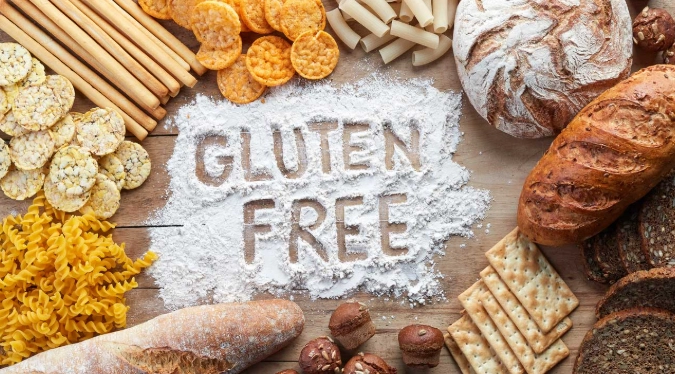
To make this practical, here's a foundational gluten food list for your next grocery run. This is how you set yourself up for success.
- Grains/Flours: Certified gluten-free oats, brown rice, quinoa, corn tortillas (check label), almond flour, a good all-purpose gluten-free flour blend (like King Arthur or Bob's Red Mill).
- Proteins: Fresh chicken, ground beef, eggs, canned tuna (in water, plain), black beans, lentils.
- Produce: Your favorite fruits (bananas, berries), onions, garlic, potatoes, spinach, carrots, bell peppers.
- Dairy/Alternatives: Milk or unsweetened almond milk, plain Greek yogurt, block of cheddar cheese, butter.
- Pantry Staples: Olive oil, gluten-free tamari, distilled white vinegar, pure maple syrup, honey, salt, pepper, dried herbs.
- Snacks (Label-Checked!): Plain rice cakes, popcorn kernels (to pop yourself), plain nuts, a brand of potato chips you've verified is safe.
The goal isn't to find a gluten-free version of everything you used to eat. That's a recipe for disappointment (and a thin wallet). The goal is to build new habits around whole, delicious foods that are naturally safe. Use your gluten food list as a map, but let your taste buds explore the new territory.
It gets easier. The first few trips to the store are the hardest. You'll find your favorite safe brands. You'll learn which restaurants "get it." You'll develop a sixth sense for what's likely to be a problem. This comprehensive gluten food list is your starting point—a tool to build confidence from day one.


Leave a comment